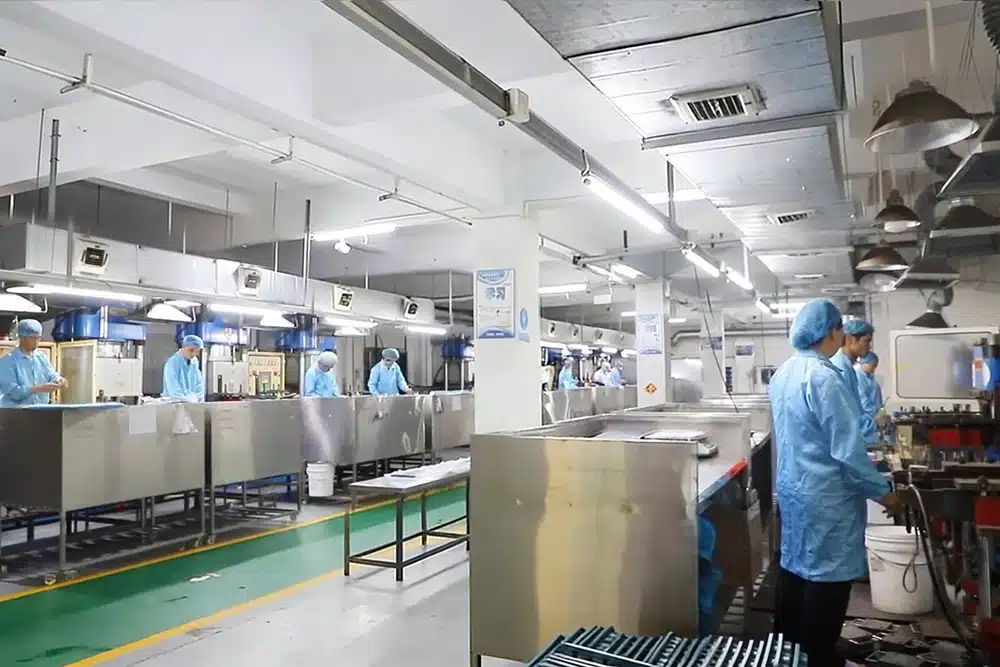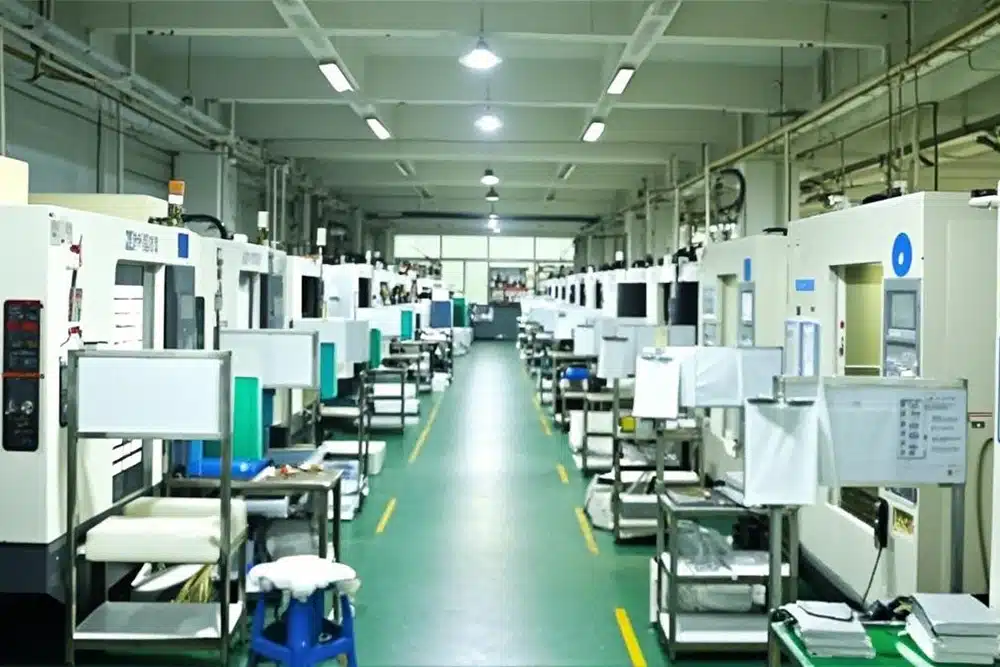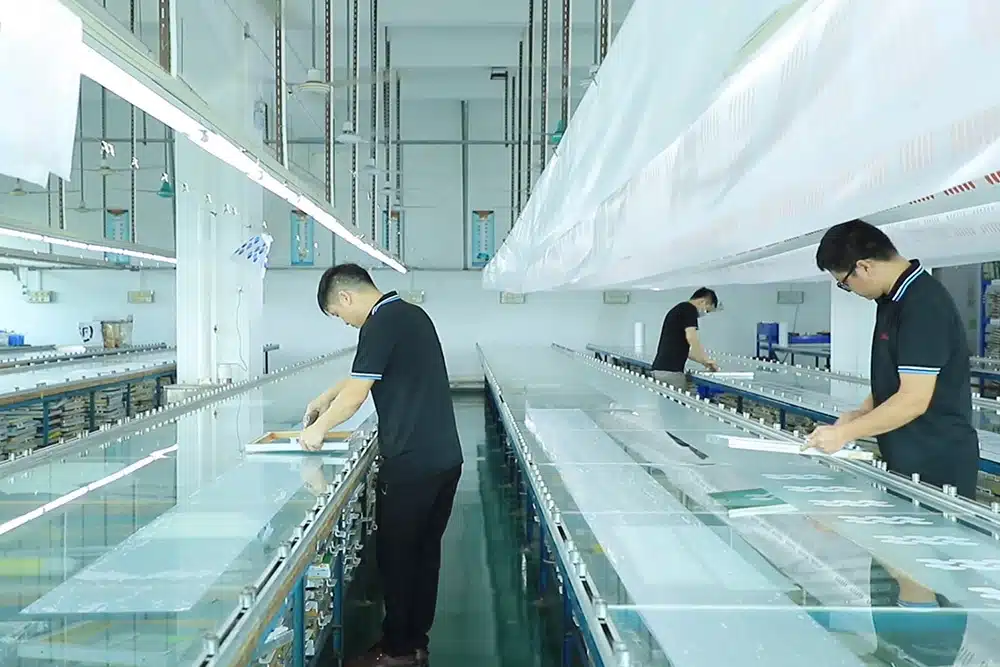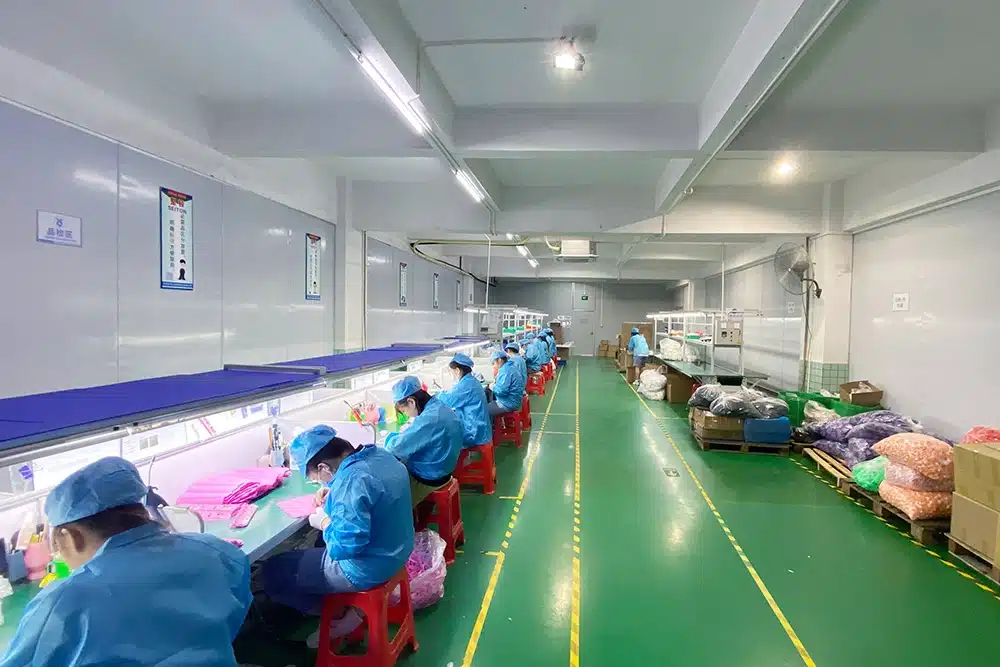

One of the things that many buyers are surprised about, particularly when they’re interested in getting quotes for printed silicone parts, is the price difference between different quotations even when it comes to seemingly identical designs. Understanding the silicone screen printing cost, is essential to keep projects within budget and to ensure quality and brand-impact. Various factors that are controlable will effect the cost: Number of colors, size and location of the print area, artwork complexity and order volume.
Having analyzed hundreds of brands and OEM/ODM clients in Dongguan HT Silicone & Rubber Co., Ltd., you will be able to design and buy more intelligently basing on your vision and your margin goals.
The Basic Cost Structure of Silicone Screen Printing
Screen printing with silicone comes with two main expenses: setup/one-time cost and production/unit cost. Setup consists of building screens, making films, mixing specialty inks, etc., and making initial test runs. Costs are one time and per design, per color. Per unit cost involves the use of ink, labour time, machine running time and curing per unit.
The lower the unit price the more items in the order. That setup cost is rather substantial as the volume increases, and can offer a much improved economy.
What Makes Silicone Different from Standard Textile or Paper Printing
The special surface properties of silicone require special inks, surface preparation and curing parameters for a proper adhesion and durability. These extra qualities will help to minimize the potential for cracking, peeling or fading, especially for food-grade, heat-resistant or washed frequently products. . If you are considering silicone screen printing services, understanding how setup, color count, and order volume shape the final quotation gives you clearer expectations.
Color Count — Why Each Extra Color Adds Cost
For all other colours at least one additional screen and set-up will be required, as will an additional pass of ink and additional curing time. First cost and per unit cost are increased.
The unit price of a single color order is very different from the unit price of three color orders when ordering in small quantities. Higher volumes will have a lower cost per additional piece.
When One-Color Prints Are Enough and When Multi-Color Is Worth It
If the logo or marking must be simple or functional it may be okay to have it printed in one colour – the colour will be the most important aspect and the image will be easy to read. For higher-quality consumer goods or lifestyle brands 2-3 colours might be preferable, to help reinforce the brand and the shelf appearance.
Tips to Reduce Color-Related Cost
Work closely with your manufacturer from the beginning of the process to find out if there are opportunities to use the base silicone colour as a part of your design, to mix similar colours or to consider bright colour for particular parts of the design only. With the following minor changes, a high brand recall can be achieved and the silicone screen printing cost can be kept under control.
Print Area and Placement — How Big and Where You Print Matters
The larger the print area, the more ink will be required, the longer the squeegee will travel and perhaps the larger the screen and/or custom fixtures. It can be applied on complex or undulating surfaces, which can slow down production and potentially lead to higher reject rates, thus affecting the final price.
Flat vs Curved and 3D Surfaces
It is typically easier and more economical to print on a flat surface such as silicone mats or gaskets. Products that need to be molded to fit the bottle, such as bottle sleeves or ergonomic bottle grips, may take longer to set up and may need more tooling.
Practical Design Choices to Keep Print Area Cost-Effective
Don’t allow your logo to be too large or pick an area on the print that is hard to reach or difficult to read. Partial logos can offer a high level of visibility at a lower cost compared to full wrap logos.
Artwork Complexity and Detail Level
Where it can get tricky is when using fine lines, small text, halftone and complex patterns, the mesh screen, process control and quality checking must be increased. However, these also create other challenges when working with silicone, as they can cause defects or problems that impact the product’s overall quality, and can cause increased per-piece expenses for silicone printed logos.
Minimum Detail Limits that Affect Cost and Yield
Within practical printing limits (thinning or reducing fonts) faster and more reliable printing and fewer rejected parts.
Simplifying Artwork Without Losing Brand Identity
Create a logo that can be printed by using solid shapes, thicker lines and cleaner layouts. Numerous brands have managed to make the ornamental elements easy to identify without having to sacrifice recognition when they’re made smaller and into silicone.
Order Volume and Repeat Orders — Spreading Setup Cost and Improving Efficiency
For the higher order quantities the printing price factors will be significantly reduced as most of the costs will be fixed during setting up. For repeat orders, fewer costs incurred because the screens and fixtures are in place, so additional runs will be even cheaper.
How MOQ and Price Breaks Work in Screen Printing
Many factories have internal price breaks as the production of more machines allows the manufacturing unit price to be reduced. Planned releases may be able to generate substantial savings through these breaks.
Planning for Future SKUs and Reorders
If you expect to use the same artwork in several colours and/or sizes, it may be helpful to see them all in the same print setup in the initial quote, rather than having to pay for the same artwork in multiple print setups down the road.
Special Requirements that Can Add Extra Cost
For food contact approved inks, medical uses, extreme temperature or very stringent cosmetic uses, the quality of the materials and additional tests might be needed. All of these would cause silicone screen printing to be more expensive and they are all very real.
When Paying Extra Really Makes Sense
If the component is safety critical, or a high end consumer product or one that is worn often, it makes sense to use higher specifications. When considering non-visible or internal parts, non-essential relaxed requirements may be helpful to control costs.
Example Cost Scenarios (Conceptual)
The table below illustrates the impact of the different decisions on the relative unit cost. These are simplified examples which illustrate the effects of the key variables and not actual pricing.
| Scenario | Colors | Print Area & Placement | Volume | Relative Cost Impact |
| Simple logo, flat surface | 1 | Small, flat | 5,000 pcs | Base |
| Multi-color branding, curved part | 3 | Medium, curved | 500 pcs | High |
| Balanced design, good volume | 2 | Targeted, flat | 3,000 pcs | Moderate |
Optimum use of color in terms of its size, location and the number of colors will help keep the costs reasonable and at the same time achieve satisfactory results as illustrated.
How to Request a Clear, Predictable Quote from Your Supplier
Provide all the information at the start: vector art or pantone colour references, quantity to be produced per year, special compliance information required and quality standards desired. If you have multiple quotes with varying volumes, you’ll get a sense of price breaks and make a sound decision.
Summary — Smart Design Choices Keep Printing Costs Under Control
Their smart design choices keep their costs of printing under control.With their innovative design decisions, they help keep printing costs low.
Silicone Screen Printing Costs are influenced by quantity of colors, size of area to be printed, design complexity, number of prints and other special requirements. When you know these factors and have good communication with experienced manufacturer, you can create designs that will help you achieve good brand value at reasonable prices.
At HT Silicone, we take a transparent approach to guidance to ensure you can design and produce optimally from the ground-up.