
Silicone valves are essential components of medical devices, food packaging, automotive systems, consumer products, and more, for controlling flow, preventing backflow, and sealing. Even the smallest defects can result in a leak, inaccurate dosing or total failure, resulting in expensive recalls, regulatory problems or lost brand confidence. By knowing the most frequent silicone valve manufacturing problems, engineers and sourcing teams can create the most suitable specifications to work with suppliers.
Many of these failure modes can be avoided when your partner treats custom silicone valve manufacturing as a controlled process, not a trial-and-error exercise. Here at Dongguan HT Silicone & Rubber Co., Ltd., we have experienced the difference between successful results and an endless stream of headaches when it comes to design, material, tooling and process parameters.
Understanding Where Defects Come From in Silicone Valve Projects
The thin sealing lips, slits and diaphragms in silicone valves are especially stressed and require special attention. Typical sources of defects include part design, mould condition, moulding parameters, or post moulding handling. Slit geometry, wall thickness and surface finish may all vary significantly and can have a significant impact on the cracking pressure and leak rate, as well as on the compression set under long-term compression.
Valves must be considered more than just rubber parts. Typical molding defect lists are not designed to address the specific defects in ultra-thin features and functional sealing surfaces.
Why General “Injection Molding Defect Lists” Are Not Enough
Rubber or plastic defect guides are in order, but not for silicone valves. A small amount of flash that may be a little okay in a gasket can destroy the sealing ability of the duckbill or umbrella valve. A short shot or knit line of a diaphragm directly affects the flow performance. Defects should not be judged solely by visual inspection without taking into account the actual valve function.
Flash and Burrs in Silicone Valves
Flash is a common defect found in silicone valve manufacturing. It is a thin layer of excess material that is found on the parting lines or around slits and is commonly due to more injection pressure, worn mould vents, or not enough clamping pressure.
Prevention tips:
- Employ properly maintained and precise molds that are vented properly
- Adjust LSR injection parameters for different valve geometries
- Choose the right silicone durometer and flow characteristics
- Establish mold cleaning and inspection routine
Even if sealing lips are slightly wet, it may not seal or cause leaks.
Deformation and Warping Issues
The most frequent signs of deformation occur after demolding or during storage. These are often due to unequal cooling, not enough cure or too intense an ejection system, which over-stretches thin sections.
In the case of membrane or slit valves, this warping causes pressure changes in the opening and sealing reliability. The first step in prevention is to ensure the mold has good mold cooling channels, proper post-cure procedures and handled fixtures that accommodate the delicate geometry during cooling.
Compression Set and Long-Term Performance Failure
One of the most critical concerns for valves that are expected to exert sealing force for an extended period of time is compression set. The valve may become inelastic due to poor material selection, under-curing, or too much filler.
Platinum cured silicone materials can be used with low compression set and cured profiles can be tested to optimize valve performance for thousands of cycles.
Dimensional Inconsistency and Tolerance Problems
The natural shrinkage of Silicone is dependent on the formulation and temperature. If process control is not tight, the slit dimension or lip thickness can have too much variation from one batch to the next for valves with tight tolerances around slit dimensions or lip thickness.
Stable production requires:
- Controlled mold temperatures tightly controlled
- Good Quality Control of materials lot(s)
- Production critical dimension measurements
- The use of statistical process control (SPC) monitoring.
Bonding and Assembly Defects
Many valves being overmolded onto plastic housings or combined with other componentry. Delamination under load or in use occurs if the surface is not prepared correctly, if the materials do not complement each other, or if the plasma/corona treatment is wrong.
Early bond strength testing and record keeping of validated processes help eliminate field failures later in development.
Surface Defects and Cosmetic Issues
The surface may appear fine grained, yet may contain pinholes, knit lines or surface roughness that could provide a route for leakage or contamination in food grade and medical applications. These are frequently caused by air entrapping, poor raw material or poor surface finish of the mold.
How to Build Effective Prevention Controls with Your Supplier
A combination of well-designed, well-made, highly engineered and well-controlled processes and tooling provides the strongest defense. Ask specific questions regarding supplier’s mold maintenance program, in-process quality checks and experience with similar valve geometries.
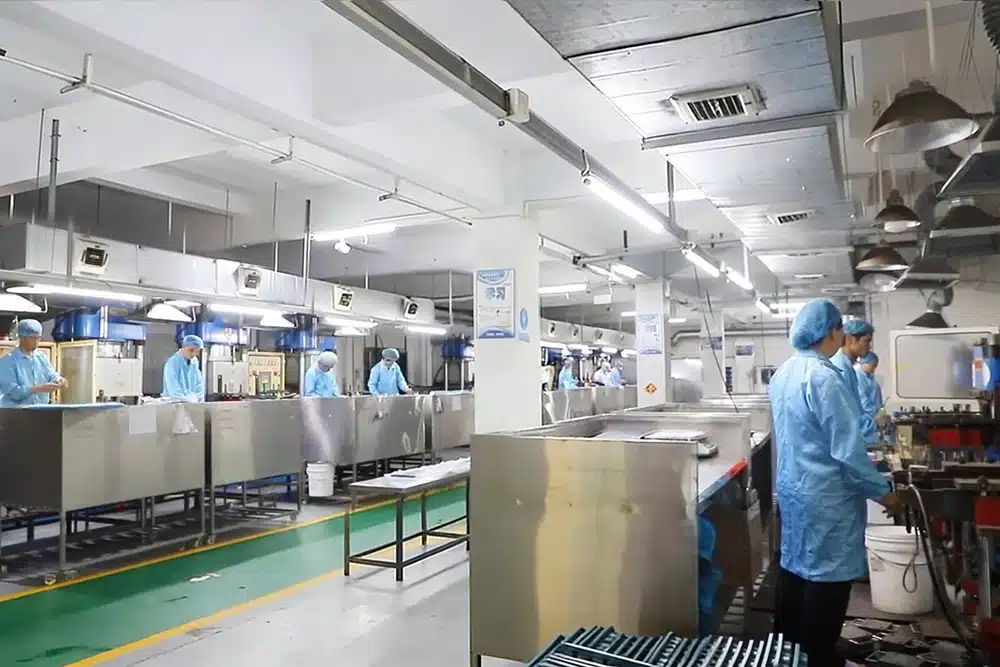
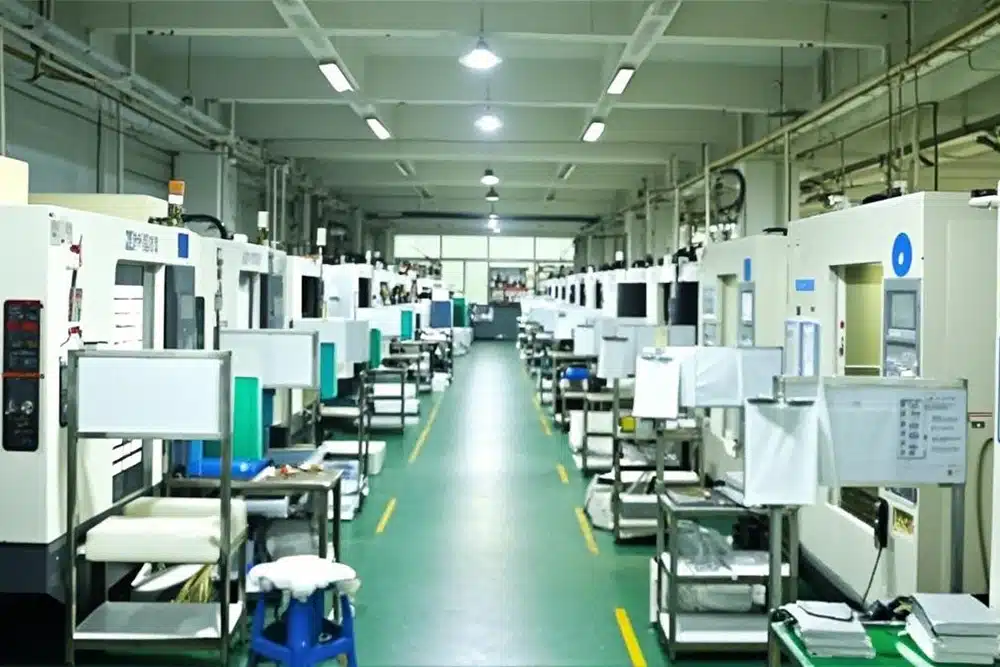
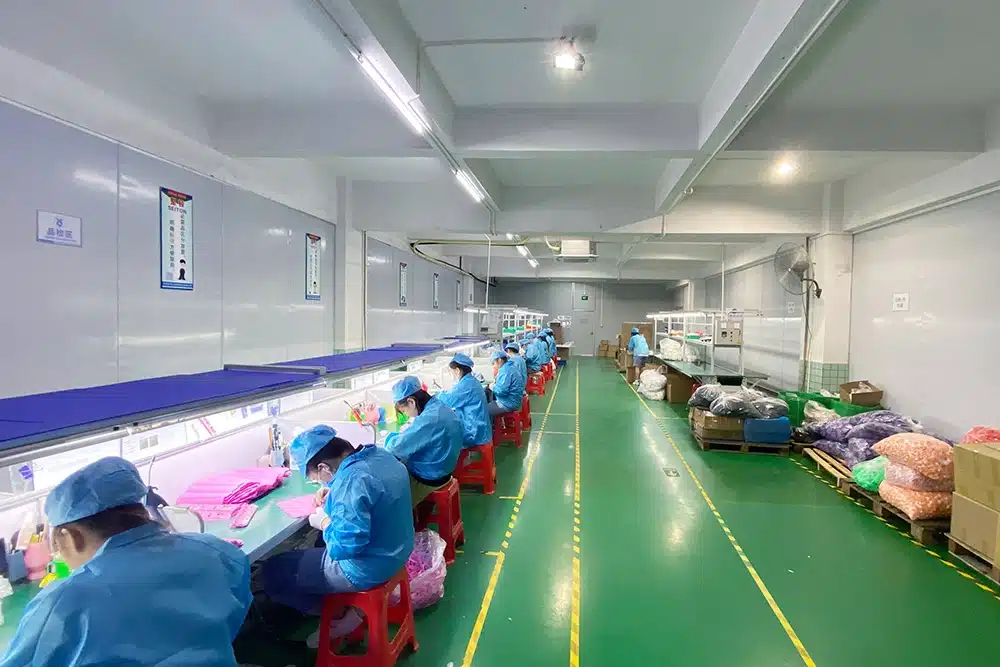
In our facility, we not only have compression molding and LSR injection expertise but we also have dust free assembly conditions to decrease the defects from the start. Early detailed drawings, performance requirements and usage conditions help to smoothen the production and make more reliable valves.
Common Silicone Valve Defects and Prevention Summary
| Defect | Typical Causes | Prevention Strategies |
| Flash/Burrs | High pressure, worn molds | Optimized parameters, mold maintenance |
| Deformation | Uneven curing, poor ejection | Balanced cooling, proper handling |
| Compression Set | Material choice, under-curing | Platinum-cured compounds, validated cure |
| Dimensional Issues | Shrinkage variation | SPC monitoring, stable process control |
| Bonding Failure | Surface prep, material mismatch | Validated treatments and testing |
Moving Forward with Confidence
Your team needs to work with an experienced silicone valve manufacturer to identify and prevent defects in silicone valve manufacturing. When you work on root causes, you minimize risk, costs, and create products that operate consistently to the satisfaction of the field.
Whether you are struggling with existing valve manufacture or creating a new design, our engineering team can look at your design and offer suggestions for changes that will make your design more feasible based on real manufacturing experience.