
Most silicone mold defects can be avoided if manufactured by controlling a product design, silicone material selection, mold tooling, molding parameters, curing, trimming, surface finishing, inspection and packaging before mass production.Flash, bubbles, stains, black spots, deformation, tearing, color variation, odor, poor release, incorrect hardness, dimensional inconsistencies and packaging-related damages are examples of common silicone mold defects. These problems are frequently caused by early-stage problems such as inadequate design reviews, material problems, tooling issues, and process problems as opposed to last minute handling errors.
High quality of silicon molds is not just achieved when the mold is inspected at the end of the production process, it is achieved by avoiding the occurrence of defects during the entire production process, from materials to mold design to tooling, molding, finishing, mold inspection and packing. In practical production, the many defects actually begin to occur much earlier: such as poor wall thickness design, weak cavity layout, unsuitable hardness, poor ventilation, unstable color mixing, inaccurate mold tooling, etc., which are mainly caused by the worker handling or the final inspection error. This knowledge enables sourcing teams to reduce risks, minimize returns and ensure consistent results for custom silicone mold projects.
What Are the Most Common Silicone Mold Defects?
The most frequently reported silicone mold problems with custom silicone molds production include: flash, bubbles, stains or black spots, deformation, tears or weak edges, color variation, odor, incorrect hardness, dimensional variation, unclear logo or texture, poor release, and packaging damage. Both can impact the look, performance, or durability of an item or its presentation to the customer and can result in additional expenses or dissatisfied customers if not solved.
For brands preparing baking, candy, soap, ice, beverage, or DIY mold projects, working with a reliable silicone molds manufacturer can help prevent defects by design review, material control, tooling accuracy, process management and final inspection.
Here’s a quick reference table:
| Common Defect | What It Looks Like | Possible Impact |
| Flash | Thin excess silicone along edges or parting lines | Poor appearance, rough handling, extra trimming workload |
| Bubbles | Small air pockets or voids in the surface or body | Weak appearance, possible structural concern |
| Stains / Black Spots | Visible dirt, marks, or dark particles | Poor retail presentation and customer complaints |
| Deformation | Mold shape is twisted, bent, collapsed, or uneven | Poor function, packaging issues, poor customer experience |
| Tearing / Weak Edges | Cracks or broken thin areas | Short product life and failed demolding |
| Color Variation | Different shades between samples or batches | Brand inconsistency and retail rejection risk |
| Odor | Unwanted smell from material or curing | Poor acceptance for food, beverage, or consumer products |
| Incorrect Hardness | Mold feels too soft or too firm | Poor release, weak support, or poor user experience |
| Dimensional Inconsistency | Size differs from drawing or approved sample | Packaging mismatch and functional problems |
| Unclear Logo / Texture | Branding or details are weak or incomplete | Poor brand presentation |
| Poor Release | Finished items stick or break during demolding | Product usability problems |
| Packaging Damage | Mold is compressed, deformed, or scratched | Poor presentation and possible returns |
Why Silicone Mold Defects Happen
Normally, silicone mold defects occur because of a mix of design, material, tooling, process and handling mistakes rather than any one mistake. If buyers and manufacturers can tackle the underlying causes, most quality issues in custom silicone mold production can be avoided.
| Defect Source | How It Can Create Quality Problems |
| Product Design | Poor wall thickness, sharp corners, or deep cavities can cause tearing or difficult release |
| Material Selection | Wrong silicone grade or hardness can affect flexibility, odor, durability, and performance |
| Color Mixing | Poor pigment control can cause color variation or visible marks |
| Mold Tooling | Inaccurate tooling can cause flash, dimensional error, or unclear details |
| Venting / Air Release | Poor air escape may create bubbles or incomplete molding |
| Molding Parameters | Incorrect temperature, pressure, or time can cause deformation or unstable quality |
| Curing Control | Poor curing may affect odor, hardness, and durability |
| Trimming Process | Poor trimming can leave rough edges or damage thin areas |
| Inspection Standard | Weak QC may allow repeated defects to enter bulk shipment |
| Packaging | Tight or improper packaging can deform soft silicone products |
Flash: Why It Happens and How Manufacturers Prevent It
Flash is one of the most common visible silicone mold defects that appear as thin excess silicone along the molding edges or parting lines after molding. This impacts on clean looks and may necessitate additional post processing, adding additional costs and risk of inconsistent post processing in large runs.
Manufacturers combat flash through careful attention to mold machining accuracy, careful consideration of parting lines, controlled material loading, periodic maintenance of tooling, and process parameters. The quality check also involves proper trimming standards and checking the edges prior to dispatching, which eliminates the problem before it leaves the factory.
| Flash Cause | Prevention Method |
| Poor Mold Fit | Improve mold machining accuracy and mold maintenance |
| Parting Line Design Issue | Review parting line position before tooling |
| Excessive Material Loading | Control silicone material weight during production |
| Tooling Wear | Maintain and inspect molds during repeat production |
| Process Instability | Control molding temperature, pressure, and time |
| Poor Trimming | Define trimming standard and inspect edge quality |
Bubbles and Voids: Causes and Prevention
Bubbles and voids are one of the common silicone mold defects that can reduce aesthetic appeal or indicate process instability. Trapped air, inadequate material preparation or intricate cavity design, which may affect the flow and venting, can lead to surface bubbles or internal voids.
The first step to prevention is proper material handling, venting in the mold design to be optimized, a stable molding temperature and thorough sample testing prior to scaling up. The application of these measures assures clean solid silicone molds that will deliver both aesthetic and functional results.
| Bubble / Void Cause | Prevention Method |
| Trapped Air | Improve venting and cavity design |
| Poor Material Handling | Prepare and store silicone material properly |
| Complex Cavity Geometry | Review release path, corner radius, and cavity depth |
| Incorrect Molding Temperature | Control machine settings and curing conditions |
| Uneven Material Flow | Optimize mold design and material placement |
| Inadequate Process Testing | Validate samples before mass production |
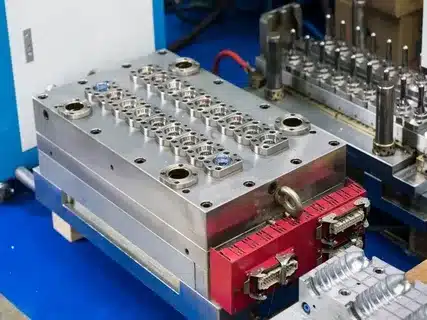
Stains, Black Spots and Surface Contamination
Silicone molds may become ruined by stains, black spots, and surface contamination, particularly if they are being used for food contact items, kitchenware, baby items, or gift items. The causes of these defects are typically dust, dirt, oil marks, mixed colour residue, dirty manufacturing and packing tools, or poor handling during manufacturing or packing.
Manufacturers keep their production areas clean, have strict operating procedures, clean equipment between color shifts and conduct a stringent final surface inspection. This helps to prevent contamination of the supply chain and prevent damage to the brand.
| Contamination Source | Prevention Method |
| Dust or Dirt | Keep material, molds, and work areas clean |
| Mixed Color Residue | Clean equipment between color changes |
| Oil Marks | Control tooling, machine, and handling cleanliness |
| Dirty Mold Surface | Clean molds before production runs |
| Poor Operator Handling | Use proper handling procedures during demolding and packing |
| Packaging Contamination | Inspect bags, boxes, and packing areas before use |
| Weak Final Inspection | Check surface appearance before shipment |
Deformation, Warping and Shape Instability
Warping, softness, and deformation can occur with silicone molds that are softer or thinner and may cause the mold to fail or not fit a package properly. These can be caused by thin walls, thickness variation, softness of the material, improper demolding, or ship compression.
Prevention involves design reviews to maximize thickness of walls while incorporating support structures, correct selection of Shore hardness, controlled curing and packaging tests to simulate actual shipping conditions. These measures help to maintain mold stability in the process from factory to end user.
| Deformation Cause | Prevention Method |
| Walls Too Thin | Increase wall thickness or add support structure |
| Silicone Too Soft | Adjust Shore hardness based on product size and use |
| Uneven Wall Thickness | Review structure before tooling |
| Weak Rim or Edge | Add support rim or reinforce weak areas |
| Poor Demolding | Control demolding method and release direction |
| Incomplete Curing Control | Stabilize curing temperature and time |
| Tight Packaging | Test packaging fit and avoid excessive compression |
Color Variation and Poor Color Matching
Colour variation and colour inconsistencies can ruin brand uniformity from batch to batch particularly for private label or retail sets.Problems can stem from Pantone mismatches, batch changes, substandard pigment mixing, or changes in color during curing.
The reliable manufacturers work to eliminate these by approving physical color samples early, keeping meticulous batch records, monitoring mixing procedures and checking all production runs against approved samples. That means scalable, consistent results, which is important for getting a repeatable, recognizable outcome.
| Color Problem | Prevention Method |
| Pantone Mismatch | Approve physical color samples before mass production |
| Batch Variation | Keep batch records and compare with approved sample |
| Poor Pigment Mixing | Control mixing process and material preparation |
| Color Change After Curing | Test sample color after full curing |
| Multi-Color Contamination | Clean equipment and control color separation |
| Reorder Color Difference | Keep approved reference sample for repeat orders |
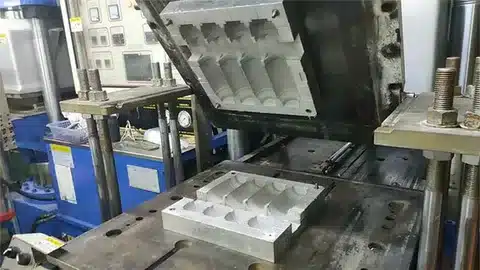
Odor Problems in Silicone Molds
The issue of odors in silicone molds is most important for food, beverage, baby or personal care use. They can be caused by improper material, incomplete curing, some pigments, packaging transfer, etc.
Prevention is choosing the appropriate grade of material for the application, optimizing curing conditions, conducting a review of additives when sampling, and adding up a check on the odor to the approval criteria. Clean storage and packaging further minimize any residual issues.
| Odor Cause | Prevention Method |
| Unsuitable Material | Select silicone material based on application needs |
| Incomplete Curing | Control curing temperature and time |
| Curing System Issue | Review platinum-cured or peroxide-cured options where relevant |
| Pigment or Additive Odor | Confirm color material during sampling |
| Poor Storage | Store finished molds in clean, suitable conditions |
| Packaging Odor Transfer | Check packaging material before bulk packing |
| No Sample Odor Review | Include odor check in sample approval process |
Tearing, Weak Edges and Poor Durability
Thin walls, over sharp corners and poor durability can manifest themselves when walls are too thin, corners too sharp or hardness not specified for the design, during demolding or with regular use. These defects reduce the product life and irritate the end user.
Manufacturers steer clear of them by considering corner radii and wall thickness in design, choosing material that is more tear resistant, and testing the ease of demoulding on samples. Weak areas are strengthened by support structures so they offer an additional source of protection from stress.
| Tearing Cause | Prevention Method |
| Thin Edges | Strengthen edges or adjust wall thickness |
| Sharp Corners | Use rounded corners where possible |
| Deep Cavities | Review release direction and cavity radius |
| Wrong Hardness | Match Shore hardness with product size and use |
| Poor Material Selection | Select silicone material based on durability needs |
| Repeated Stress Area | Add support or adjust geometry |
| Poor Demolding | Test release before mass production |
Dimensional Inconsistency and Cavity Accuracy Problems
When the product scale grows, the dimensional inconsistency and cavity accuracy problem cause the fit problems of lids, packaging or other parts become apparent. Common reasons include shrinkage variation, multi-cavity differences or inaccuracies in the tooling.
Prevention is thorough CAD and drawing review, precise tooling, first-article inspections, in-process measurements and QC against approved samples. This ensures that all moulds are kept to a close tolerance.
| Dimension Issue | Prevention Method |
| Incorrect Overall Size | Verify CAD, 2D drawings, and sample measurements |
| Cavity Size Variation | Inspect cavity dimensions during sample approval |
| Wall Thickness Variation | Review design and control molding process |
| Multi-Cavity Difference | Check cavity-to-cavity consistency |
| Lid Fit Problem | Test lid and tray together before production |
| Shrinkage Variation | Control material, curing, and molding conditions |
| Packaging Mismatch | Confirm product and packaging fit before mass production |
Unclear Logo, Texture or Fine Details
The lack of logo, texture or fine details detracts from branding and the product. Issues arise when logos are too small or too shallow, or when material flow does not fill in complex cavities.
Manufacturers can avoid this by inspecting artwork early, making sure that the tooling is accurate to the desired depth and clarity of the artwork, testing samples in real molding conditions, and checking details before approving production.
| Detail Problem | Prevention Method |
| Logo Too Small | Adjust logo size before tooling |
| Logo Too Shallow | Review embossing or debossing depth |
| Logo Too Deep | Avoid cleaning or release problems |
| Texture Too Fine | Confirm tooling feasibility and sample clarity |
| Incomplete Detail | Improve tooling precision and molding process |
| Flash Around Logo | Review parting line and trimming method |
| Poor Printed Logo | Test printing adhesion and durability where relevant |
| No Sample Approval | Confirm detail clarity before mass production |
Poor Release Performance and Sticking Problems
When silicone mold release performance is poor or there are sticking issues, then it is not a smooth experience for the user and turns the otherwise good silicone mold into a cumbersome one. Common causes include deep cavities, sharp corners, incorrect hardness, or inadequate surface finish.
Prevention is achieved by using release-friendly cavity designs, rounded transitions, selecting the right cavity hardness, cavity finishes and functional testing during samples. These guarantee smooth demolding each time.
| Release Problem Cause | Prevention Method |
| Deep Cavities | Use release-friendly cavity depth and radius |
| Sharp Corners | Add rounded transitions where possible |
| Wrong Hardness | Choose hardness based on application and demolding |
| Poor Surface Finish | Improve cavity surface quality |
| Complex Geometry | Simplify design or test prototype before production |
| Insufficient Flexibility | Adjust material or wall thickness |
| No Application Test | Test baking, candy, soap, ice, or DIY release before approval |
Defects by Product Category: What Buyers Should Watch For
The various types of silicone mold products come with various risks of defect, based on their application. For example, there is a greater heat-related deformation in baking molds, and tearing is more likely to occur in deep cavities of soap molds.
| Product Type | Common Defect Risks | Prevention Focus |
| Baking Molds | Deformation, odor, poor support, release problems | Heat-use review, wall thickness, material and hardness selection |
| Candy Molds | Poor detail, bubbles, difficult release | Cavity precision, surface finish, flexible release |
| Chocolate Molds | Surface defects, poor release, unclear detail | Smooth cavity, fine detail control, clean surface |
| Gummy Molds | Sticking, small cavity defects, cleaning difficulty | Softness, cavity radius, release testing |
| Soap Molds | Tearing, deep cavity release, unclear texture | Wall thickness, hardness, corner radius |
| Ice Cube Trays | Deformation, lid fit issues, freezer release problems | Freezer flexibility, lid fit, push-out design |
| Beverage Molds | Odor, poor release, packaging deformation | Material review, odor check, packaging fit |
| Popsicle Molds | Lid/handle fit, difficult cleaning, weak structure | Accessory fit and cavity design |
| DIY Craft Molds | Tearing, fine detail failure, material compatibility | Tear resistance and application testing |
| Promotional Molds | Logo clarity, color variation, packaging issues | Branding review and color control |
How Manufacturers Prevent Defects Before Mass Production
Defect prevention should begin prior to production, and not just at the end of the process. Good manufacturers make good products, not after testing.
| Prevention Step | What It Helps Control |
| Design Review | Wall thickness, cavity depth, release direction, and weak areas |
| Material Selection | Flexibility, odor, hardness, temperature range, and durability |
| Tooling Review | Cavity accuracy, parting line, logo detail, and flash control |
| Sample Production | Confirms appearance, function, color, and hardness before bulk production |
| Functional Testing | Checks real-use performance such as baking, freezing, or demolding |
| Color Approval | Reduces batch color mismatch |
| Odor Review | Helps prevent food-contact or retail acceptance issues |
| Packaging Test | Prevents deformation and poor presentation |
| Approved Sample Standard | Creates a reference for mass production inspection |
| QC Plan | Defines inspection items and acceptance criteria |
Buyer Inspection Checklist Before Approving Mass Production
When approving samples, buyers should have a practical checklist to identify silicone mold defects before making that mass production decision. This process can identify problems that would not be otherwise found in the photos.
| Inspection Item | What to Check |
| Material | Matches intended application and agreed specification |
| Hardness | Feels and measures close to approved requirement |
| Dimensions | Matches CAD, drawing, or approved sample |
| Wall Thickness | Provides enough flexibility and support |
| Cavity Detail | Shape, texture, and logo are clear |
| Surface Appearance | No unacceptable bubbles, stains, flash, or deformation |
| Color | Matches approved Pantone or physical sample |
| Odor | Acceptable for the intended product use |
| Release Performance | Product can be removed smoothly |
| Functional Test | Performs under intended baking, freezing, soap, candy, or DIY use |
| Packaging Fit | Product fits packaging without deformation |
| QC Standard | Acceptance criteria are agreed before bulk production |
How to Choose a Reliable Silicone Molds Manufacturer
When deciding on a silicone molds manufacturer, you should look at more than just the price tag or images of samples, you should consider the defect prevention system that will be used. Seek engineers who display true process control and end-to-end experience.
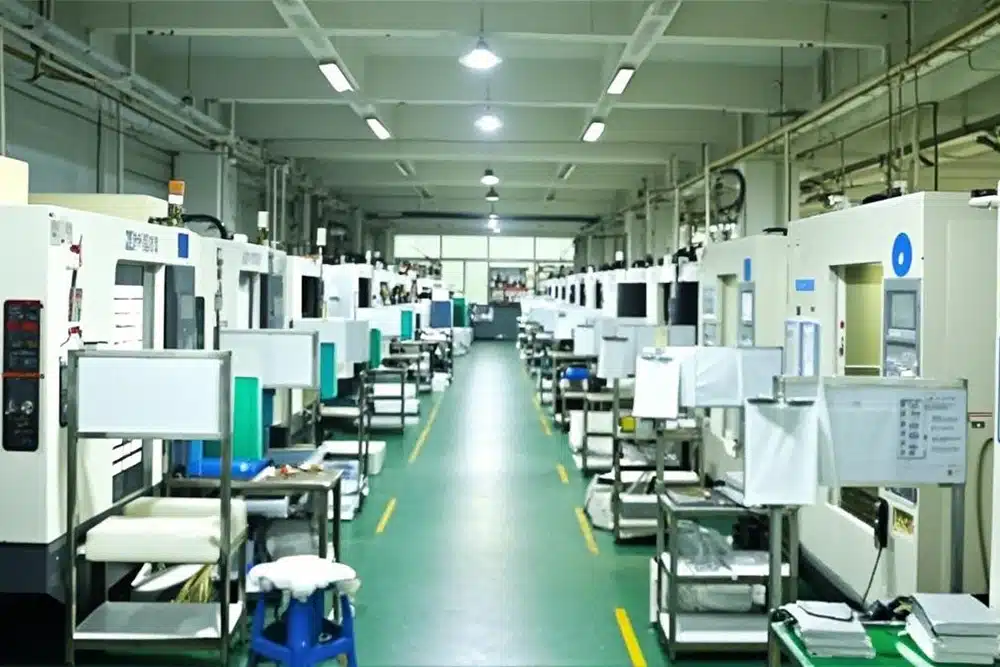
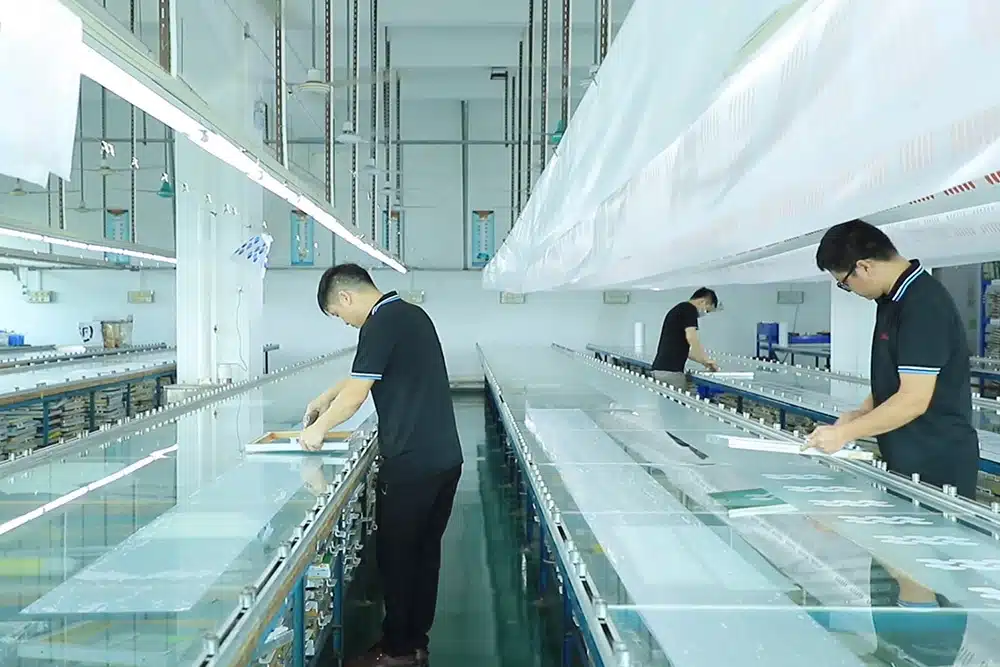
China custom silicone product manufacturers with experience in OEM/ODM can provide product design and structural development, provide silicone material selection and optimization, recommend and test Shore hardness, provide mold design and manufacture, provide prototype and samples production, provide compression molding ability, have in-house mold manufacturing workshop, provide dust-free production environment, have assembly and packaging lines, provide raw material testing, provide in-process quality control, provide final product testing, provide surface finishing (such as silk screen printing, spray coating, oil finishing and laser engraving). These features are useful in identifying and eliminating frequent silicone mold problems at an early stage.
| Manufacturer Capability | Why It Helps Prevent Defects |
| Engineering Design Review | Helps find wall thickness, cavity, and release risks early |
| Material Selection Support | Reduces risk of wrong hardness, odor, or poor performance |
| In-House Tooling | Improves control over mold precision, parting line, and cavity details |
| Sample Development | Allows defects to be found before mass production |
| Process Control | Helps reduce bubbles, flash, deformation, and inconsistent curing |
| Raw Material Inspection | Prevents wrong or unstable material from entering production |
| In-Process QC | Catches defects during production instead of only at the end |
| Final Product Testing | Confirms appearance, dimensions, hardness, and function |
| Clean Assembly and Packaging | Reduces contamination and packaging-related damage |
| Export Experience | Supports communication, documentation, and stable project delivery |
Conclusion — Defect Prevention Starts Before Production
Many silicone mold failures can impact both mold’s aesthetics, its ability to function, mold release, packaging, and overall customer satisfaction. Flash, bubbles, stains, deformation, odor, color variation, unclear logos, tearing, poor release, and dimensional inconsistency are just a few examples of defects that are caused by controllable factors in the design, material, tooling, process settings, trimming, inspection and packaging processes. Buyers can minimize risk and guarantee consistency in bulk orders by collaborating with a manufacturer who carefully examines these factors early in the process and monitors quality as it is made.
It is easier to avoid silicone mold defects during mass production than once production has started. Buyers need to carefully inspect the quality of samples, take the approved sample as the reference standard, and see if a supplier has a complete defect prevention system. This helps to make projects smoother, less unpredictable, and products that don’t let end users down.