Blog

Silicone mold products packed in clear retail blister packaging
Blog

Silicone Sleeve Packaging Options for Retail, Wholesale and Ecommerce Brands

Silicone sleeve packaging options vary by sales channel, product value, branding needs, labeling requirements, and shipping method. This guide compares polybags, paper cards, hang tags, retail boxes, gift boxes, inserts, barcode labels, cartons, and custom branded packaging for retail, wholesale, ecommerce, Amazon, and promotional silicone sleeve projects.

Silicone surface finishing and printing process for custom silicone products
Blog

Silicone Surface Finishing Options & Their Impact on Product Quality

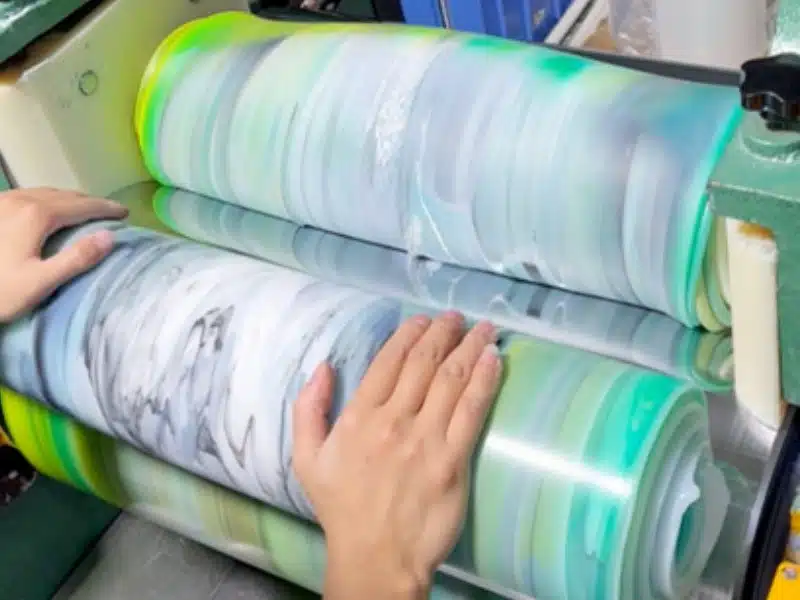
Silicone surface finishing affects more than visual appearance. Printing, spray coating, oil finishing, laser engraving, matte texture, and mold texture can influence product feel, logo durability, color consistency, cleanability, and long-term quality. This guide explains how different finishing options work and why material compatibility should be evaluated before production.

Custom silicone sleeves for promotional products and branded giveaways
Blog

Custom Silicone Sleeves for Promotional Products: What Brands Should Consider

Custom silicone sleeves for promotional products can turn bottles, cups, electronics, tools, pet products, and everyday items into branded merchandise. This guide explains how to plan logo methods, colors, texture, materials, MOQ, packaging, cost, sample approval, and quality control for promotional campaigns and corporate gifting projects.

Green silicone sheet production for sustainable and durable silicone products
Blog

Future Trends: Innovations in Silicone Materials & Manufacturing

Silicone materials and manufacturing are evolving through cleaner production, automation, advanced formulations, multi-material molding, and stronger compliance expectations. This article explains key future trends that may affect custom silicone product development, helping engineers, sourcing teams, and brand owners make more informed material and manufacturing decisions for long-term product success.

Silicone pigment and additive mixing for custom silicone material formulation
Blog

Silicone Material Additives Explained: Fillers, Plasticizers & More

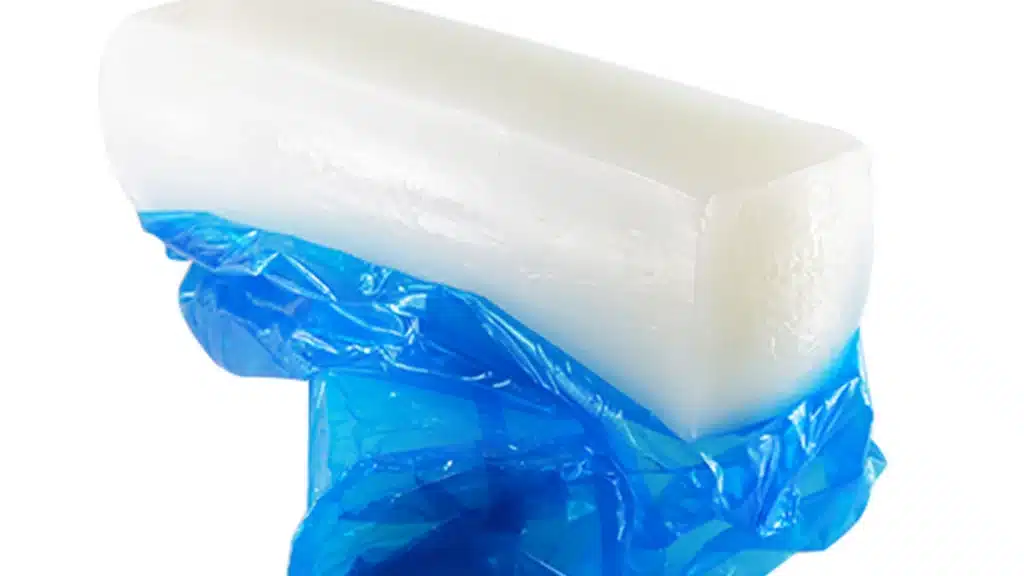
Silicone material additives can influence strength, flexibility, color, processing behavior, flame resistance, odor, and compliance. This guide explains common additives such as fillers, pigments, curing agents, reinforcing agents, and flame retardants, helping product teams understand how formulation choices affect custom silicone products from sampling to mass production.

Silicone raw material with additives for custom molded silicone products
Blog

Silicone Material Selection Mistakes That Can Cost You Time & Money

Silicone material selection mistakes can lead to unstable samples, product defects, failed testing, tooling delays, and unnecessary production costs. This guide explains common errors such as choosing by hardness alone, ignoring application conditions, overlooking compliance needs, and confirming materials too late, helping product teams reduce risk before mold development and mass production.

Food-grade silicone baby tableware made from safe flexible silicone material
Blog

Food‑Grade vs Medical‑Grade Silicone: What’s the Real Difference?

Food-grade silicone and medical-grade silicone are often confused, but they serve different applications and require different levels of testing, documentation, and risk control. This guide explains the real differences between food-grade and medical-grade silicone so product teams can make safer, more practical material decisions before sampling and mass production.

Raw silicone material for custom silicone product manufacturing and quality verification
Blog

Top 6 Considerations Before Selecting Silicone Materials for Manufacturing

Selecting silicone materials for manufacturing requires more than choosing a hardness or color. Product teams must evaluate application conditions, performance requirements, molding process, compliance needs, cost structure, and long-term production consistency. This guide explains six key considerations that help reduce material selection risks before tooling and mass production begin.

Scroll to Top