
Pantone color matching for custom silicone molds is a real solution for brands to ensure their colors are on-brand and consistent in their private label products, promotional goods and retail lines. It provides the buyer a common language to specify exact colors to manufacturers, but silicone does not behave like paper, ink or plastic and molded silicone color may vary slightly from the Pantone chip.
When planning silicone moulds using Pantone colour matching, this should be considered as a controlled sampling and production process, rather than merely a colour code in an RFQ. Many buyers think that a Pantone number is the only requirement for achieving an exact match, but the type of pigment formulation, silicone base, thickness, surface texture, translucency, curing conditions, and light, among other factors, also influence the outcome of the color in the finished part. This is why it is always best to use physical silicone samples, which are created using the exact material and process as you intend to use in the actual production, to ensure that the colour is approved before mass production.
How Does Pantone Color Matching Work for Silicone Molds?
It’s simple and easy and helps to avoid unpleasant surprises down the road. You provide a Pantone colour code or a physical colour sample, the manufacturer tests the feasibility of using the colour against the silicone grade and application and prepares the colour by making pigments or colour masterbatch for silicone molding. A fabricated sample is created, then checked under actual lighting conditions and then adjusted to the desired color until it is satisfactory. That approved physical sample becomes the golden sample for every production batch and subsequent repeat orders.
For brand owners developing baking, candy, soap, ice, beverage, or DIY product lines, color-matched custom silicone molds should be approved with physical silicone samples before bulk production to reduce color variation risk.
| Color Matching Step | What Happens | Buyer Decision |
| Color Requirement | Buyer provides Pantone code, brand color, or physical reference | Confirm target color and application |
| Material Review | Manufacturer checks silicone grade, hardness, opacity, and use conditions | Confirm material before color sampling |
| Pigment Preparation | Pigments or color masterbatch are prepared for silicone molding | Understand sample cost and lead time |
| Sample Molding | Color sample or product sample is molded | Review real silicone color, not screen color |
| Color Approval | Buyer compares sample with target color | Approve, adjust, or request revised sample |
| Mass Production | Approved color is used for bulk production | Confirm QC standard and color tolerance |
| Repeat Order Control | Manufacturer compares future batches with approved reference | Keep physical samples and production records |
What Is Pantone Color Matching?
Pantone color matching is just a universal language that enables buyers and manufacturers to communicate in color without misunderstanding. Rather than abstract terms such as “bright red” or sending poor quality photos, you are using a Pantone number that the entire supply chain understands.
| Pantone Color Matching Element | What It Means for Buyers |
| Pantone Code | A standardized reference used to communicate target color |
| Brand Color Control | Helps keep product color aligned with brand identity |
| Supplier Communication | Reduces confusion compared with vague color descriptions |
| Silicone Color Sampling | Converts the target color into a molded silicone sample |
| Physical Approval | Confirms how the color looks in the actual silicone material |
| Production Reference | Approved samples become the standard for bulk inspection |
| Repeat Order Control | Helps maintain color consistency across future batches |

Why Silicone Color Can Look Different From a Pantone Book
Silicone is an elastomer which is flexible and heat-cured, not a flat printed surface; therefore, a Pantone color may look quite different when it is molded. The base silicone compound is also a slight undertone that affects the overall color, and each step of processing introduces another element.
| Color Difference Factor | Why It Matters |
| Silicone Base Color | The base material may influence the final shade |
| Pigment Formulation | Different pigment mixes can shift color tone |
| Product Thickness | Thicker or thinner silicone may appear darker or lighter |
| Translucency | Transparent or semi-transparent silicone changes color perception |
| Surface Texture | Matte, glossy, smooth, or textured surfaces reflect light differently |
| Curing Conditions | Heat and curing can affect final color appearance |
| Lighting | Color may look different under daylight, office light, or warm light |
| Digital Screens | Screen display colors are not reliable for final approval |
| Photo Quality | Camera settings and editing can distort real product color |
| Product Shape | Curved or deep areas can create shadows and color variation |

Pantone Color Matching vs Custom Color Reference Samples
First, a pantone code is a great place to start, but it is not an actual match to a real-world reference using your actual silicone formulation. Physical samples (from your last production run, a brand color standard or even a competitor product) provide far greater guidance because they already take into account the particular characteristics of silicone.
| Color Reference Type | Best Use | Limitation |
| Pantone Code | Standardized color communication | May not look identical in silicone material |
| Physical Silicone Sample | Most realistic reference for silicone products | Requires shipping or sample preparation |
| Existing Product Sample | Useful when matching previous products | Material may differ from new silicone formulation |
| Brand Color Guide | Helps maintain brand consistency | Usually designed for print or digital use |
| Competitor Sample | Helps communicate market expectation | Must avoid copying protected designs |
| Digital Image | Useful for early discussion | Not reliable for final color approval |
| Packaging Color Proof | Helps coordinate product and packaging color | Print color and silicone color may still differ |
Silicone Material, Pigments and Color Masterbatch
Pigments will vary in performance, depending on the kind of silicone grade used. Each of these food-grade, medical-grade or industrial-grade compounds will react differently with the colorants and the cure system (platinum or peroxide) can also affect the resulting color and smell.
| Material / Pigment Factor | Why Buyers Should Review It |
| Silicone Grade | Different silicone materials may affect final color appearance |
| Food-Contact Requirement | Pigments should match intended food-contact application where required |
| Industrial Use | Non-food applications may have different pigment requirements |
| Color Masterbatch | Helps improve color consistency in production |
| Pigment Compatibility | Pigments should work with the selected silicone material and curing process |
| Curing System | May influence odor, appearance, and color result |
| Heat Exposure | Baking or warm-contact products may need color stability review |
| Freezer Use | Low-temperature products need material and color performance testing |
| Odor Requirement | Important for food, beverage, baby, beauty, and retail products |
| Documentation | Buyers may request material or finished product information for market needs |
Solid Colors, Translucent Effects and Multi-Color Designs
Simple solid colors don’t necessarily have to be used on every project. Certain brands need soft translucent features for drink or gift products, and some other brands need marble features or multi-color co-injection for more attractive shelf appeal. There are a number of production factors that come with each option.
| Color Style | Best For | Production Consideration |
| Solid Color | Most standard branded silicone products | Easier to control than special color effects |
| Semi-Translucent Color | Beverage, gift, or visual-effect products | Thickness changes can affect appearance |
| Transparent / Clear Effect | Specialty designs where suitable | Requires material and appearance review |
| Marble / Mixed Effect | Decorative or gift-oriented products | Color variation may be intentional but harder to standardize |
| Two-Color Design | Brand differentiation or product segmentation | Requires more process control and sample approval |
| Multi-Color Design | Promotional, kids, gift, or themed products | Higher complexity, cost, and QC needs |
| Color Contrast Logo | Strong visual branding | Must review printing, molding, or packaging method |

How Pantone Matching Affects MOQ, Cost and Lead Time
There is always a little time and sampling involved in custom color work, but it saves time and money when it comes to costly re-runs later. Pigment preparation and several rounds of samples are considered a part of the process, particularly in cases of special effects or food contact applications.
| Color Matching Factor | MOQ / Cost / Lead Time Impact |
| Custom Pantone Color | May require pigment preparation and sample approval |
| Color Sample Production | Adds sampling time before mass production |
| Multiple Adjustment Rounds | Can increase development time and cost |
| Special Pigments | May require higher MOQ or longer preparation |
| Multi-Color Design | Adds process complexity and inspection needs |
| Food-Contact Color Review | May require additional material or testing confirmation |
| Packaging Color Coordination | Product and packaging colors may need separate approvals |
| Repeat Order Color Control | Requires approved physical samples and batch records |
| Urgent Launch Timeline | Color matching should be started early to avoid delays |
Sample Approval: How Buyers Should Review Silicone Color
Don’t approve color from photos/screen images only. Without holding the actual molded sample in your hands under similar lighting and comparing it to your Pantone sample or brand standard, there is no way to be certain if it’s correct.
| Sample Review Step | Why It Matters |
| Review Physical Sample | Silicone color cannot be judged accurately from photos alone |
| Use Consistent Lighting | Reduces confusion from lighting differences |
| Compare With Pantone Reference | Helps check whether the sample is close to the target |
| Review Actual Product Shape | Curves, cavities, and thickness can change appearance |
| Check Thin and Thick Areas | Silicone thickness affects perceived color |
| Inspect Surface Texture | Matte or textured surfaces can shift color perception |
| Confirm After Curing | Final color should be checked after full molding process |
| Keep Approved Sample | Creates a reference for bulk production |
| Document Approval | Reduces disputes during repeat orders |
| Review Packaging Separately | Printed packaging color differs from silicone color |
Color Quality Control During Mass Production
After the golden sample is approved, color control is then switched to “disciplined” in-process checks. A competent manufacturer keeps a complete record of pigment mixtures, conducts first piece inspections and compares each batch with an approved physical reference.
| Color QC Step | What It Controls |
| Approved Sample Reference | Keeps bulk production aligned with buyer-approved color |
| Pigment Mixing Record | Helps maintain formula consistency |
| Material Batch Record | Supports traceability and repeat production |
| First-Piece Inspection | Checks color before full production continues |
| In-Process Inspection | Detects color drift during production |
| Batch Comparison | Reduces variation between production batches |
| Visual Inspection | Catches obvious color inconsistency |
| Lighting Control | Helps compare color under more consistent conditions |
| Multi-Color Check | Confirms color separation and placement |
| Final Inspection | Confirms color appearance before packing |
| Repeat Order Record | Helps match future production to previous batches |
Pantone Color Matching by Product Type
There are also different priorities with color for each product category. Heat stable food-contact colours are frequently required for baking molds; and vibrant multi colour effects are often more important for promotional gifts in retail shells.
| Product Type | Color Matching Consideration |
| Baking Molds | Brand color, food-contact pigment review, heat-use color stability |
| Candy Molds | Bright colors may improve shelf appeal; food-contact review may apply |
| Chocolate Molds | Premium or seasonal colors should be checked with packaging design |
| Gummy Molds | Small cavity products need consistent color across multi-cavity tools |
| Soap Molds | Brand colors, craft positioning, and logo clarity matter |
| Ice Cube Trays | Beverage and freezer-use colors should be reviewed with odor and material |
| Beverage Molds | Translucent or themed colors may be useful but need sample approval |
| Popsicle Molds | Family or seasonal colors may require multi-color planning |
| DIY Craft Molds | Color may support hobby or gift positioning |
| Promotional Molds | Pantone matching is important for brand campaigns and corporate gifts |
| Private-Label Sets | Color consistency across product, packaging, and repeat orders is important |
Common Pantone Color Matching Mistakes Buyers Should Avoid
The majority of colour issues is preventable. Common problems that we come across are approval based on digital images only, not considering the effect of thickness or texture on perception, and not having a gold sample to cater for repeat orders.
| Common Mistake | Better Approach |
| Approving Color From Photos Only | Review physical silicone samples before mass production |
| No Pantone Code | Provide Pantone number or physical reference sample |
| Expecting Exact Paper Match | Understand silicone color may differ from printed Pantone chips |
| Ignoring Thickness | Check color on the actual product shape and wall thickness |
| Ignoring Translucency | Confirm whether the product should be opaque or translucent |
| Changing Material Later | Recheck color if silicone grade or hardness changes |
| Changing Surface Texture | Approve color again if surface finish changes |
| Forgetting Food-Contact Use | Review pigment and material requirements where needed |
| No Golden Sample | Keep approved sample for bulk and repeat orders |
| Different Lighting | Compare samples under consistent lighting conditions |
| No Production Records | Maintain color formula and batch records for repeat production |
What Buyers Should Prepare Before Requesting Pantone Color Matching
This phase can be significantly shortened and chances for multiple rounds of revision reduced with good preparation. When you initially contact the manufacturer, have as much of the following information as possible.
| Information to Prepare | Why It Helps |
| Product Category | Helps evaluate color, material, and application needs |
| Pantone Code | Provides a clear target color reference |
| Physical Color Sample | Helps improve color communication and approval |
| Color Effect | Defines solid, translucent, transparent, marble, or multi-color needs |
| Silicone Material | Material can influence final color appearance |
| Food-Contact Status | Important for pigment and testing review where required |
| Shore Hardness | Material formulation may affect color result |
| Product Thickness | Influences how dark, light, or translucent the color appears |
| Surface Texture | Affects light reflection and perceived color |
| Logo / Branding Color | Helps coordinate product and brand identity |
| Packaging Color | Supports consistent product and packaging presentation |
| Testing Requirement | Helps plan documentation and sample approval |
| Order Quantity | Helps estimate pigment preparation and MOQ |
| Repeat Forecast | Supports long-term color consistency planning |
| Target Market | May affect documentation, labeling, or testing expectations |
How a Manufacturer Supports Pantone Color Matching
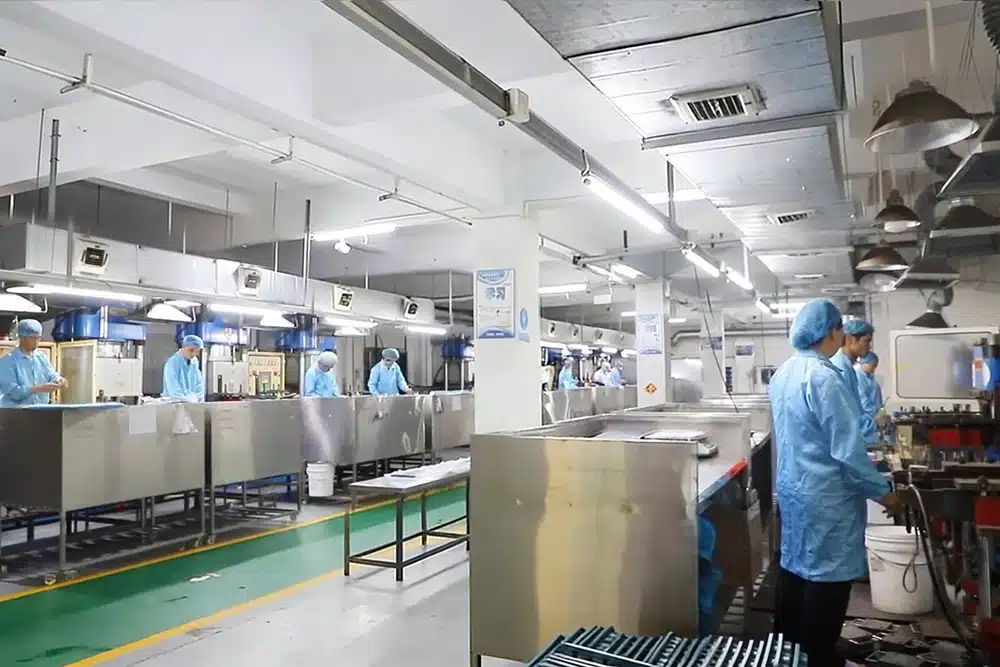
A silicone mold maker who is qualified understands that color matching is an integral part of the production process. They start with comprehensive materials review and pigment preparation, then create precise prototypes with their own compression and co-injection molding machines, and have in-process and final inspection procedures.
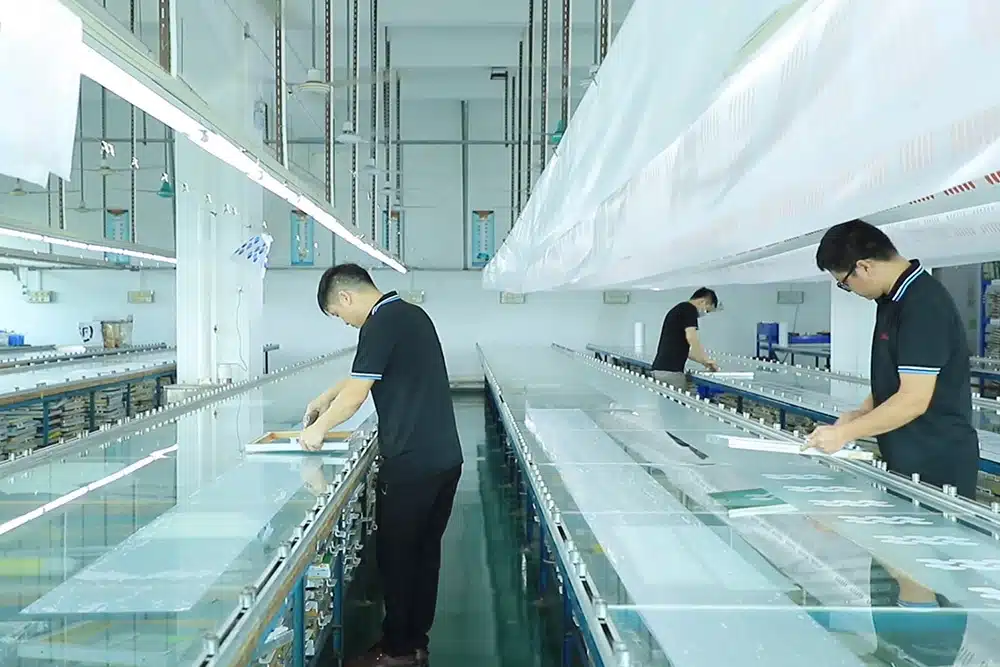
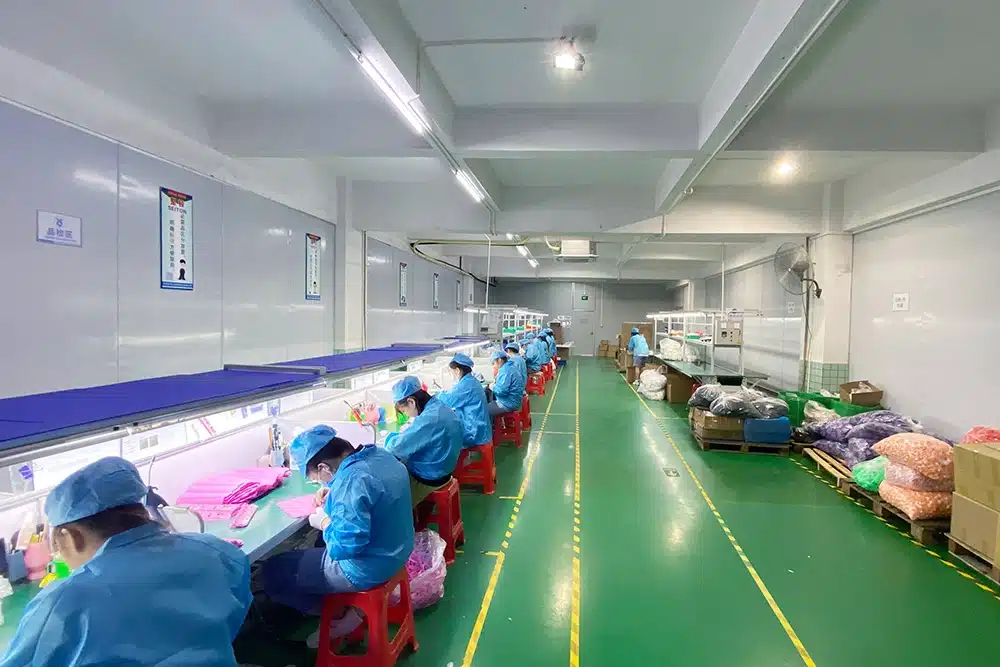
The experienced partners also provide surface finishing services, such as surface printing (silk screen, spray coating, oil finishing, and laser engraving), to complement the base color, and dust-free assembly and packaging services to support retail products and private-label products.They maintain approved color records to enable repeat orders to be consistent from one year to the next.
| Manufacturer Capability | Why It Matters for Color Matching |
| Material Review | Confirms how silicone grade may affect color result |
| Pigment Preparation | Supports target color development and batch consistency |
| Color Sample Production | Allows buyers to approve real molded silicone color |
| Pantone Matching Experience | Helps translate color codes into practical silicone samples |
| Hardness Recommendation | Prevents material changes that may shift color later |
| In-House Tooling | Helps produce samples closer to final production conditions |
| Process Control | Reduces color drift during molding and curing |
| In-Process QC | Checks color consistency during bulk production |
| Approved Sample Records | Supports repeat-order color matching |
| Packaging Support | Helps coordinate product color and packaging presentation |
Final Buyer Checklist for Pantone Color-Matched Silicone Molds
In fact, run through this quick checklist before you sign off on tooling or mass production, to make sure all color-critical details are in place.
| Checklist Question | Why It Matters |
| Is the Pantone code confirmed? | Gives the manufacturer a clear target color |
| Is a physical color sample available? | Improves color communication |
| Is the silicone material confirmed? | Material changes can affect final color |
| Is the product opaque or translucent? | Color effect changes the visual result |
| Is food-contact use involved? | Pigment and testing requirements may apply |
| Is Shore hardness confirmed? | Material formulation may influence color |
| Is product thickness reviewed? | Thickness affects perceived shade |
| Is surface texture finalized? | Texture changes light reflection |
| Has a physical color sample been approved? | Reduces bulk production color disputes |
| Is the golden sample kept? | Supports QC and repeat orders |
| Are packaging colors coordinated? | Helps brand presentation |
| Are color tolerance expectations realistic? | Prevents disputes over minor visual differences |
| Are repeat-order records maintained? | Supports long-term color consistency |
Conclusion — Pantone Color Matching Requires Sampling and Control
Buyers should always see Pantone colour matching as a sampling and production-control procedure for custom silicone molds. Use a Pantone code as a starting point, but the exact color of the silicone will need to be checked via physical samples created from the intended silicone material, thickness, surface finish and production method. A golden sample is approved and colour records are maintained, which will help to minimise colour variation and enable the silkene mould products to be more consistent in colour across bulk and repeat orders for branded products.