
The heat resistant silicone sleeve is engineered for products that come into contact with high temperatures during normal use, such as hot liquids, cooking implements, warm electronics, industrial grips and outdoor exposure. The operation of these custom solutions is based on different materials, different wall thickness and different designs and can ensure better grip, protection and user comfort only if the appropriate material grade is used as well as the wall thickness and design that is suitable for the actual heat exposure, contact time and product structure. The question is not if silicone can withstand heat, but rather if the application requires a higher temperature silicone product that will perform over time without any deformation, discoloration or loss of function.
In warm climates, many buyers think any silicone sleeve will perform the same, but there are silicone grades and additives, and the hardness or finishing processes will all impact the actual performance. The high temperature silicone should be chosen according to the actual application environment, and it should not only feel warm, but also have the characteristics of high temperature resistance. All the above factors should be considered and evaluated simultaneously. Silicone sleeves that are used for hot drinks, kitchen handling, warm electronics, or industrial applications must be designed based on the actual temperature range, exposure time, wall thickness, grip requirements, and testing requirements.
What Are Heat-Resistant Silicone Sleeves?
Heat resistant silicone sleeves are molded silicone sleeves, covers, grips or protective layers that are intended for use on products that are exposed to high temperatures. They enhance grip, offer a buffer between the grip and the surface, protect surfaces, or increase user comfort in warm use situations. These are not standard silicone sleeves and will differ when the application requires specific temperature properties and/or documentation. Heat resistance is always given in terms of temperature range and exposure time, whereas the structure, thickness and contact area of the sleeve determine how heat is felt by the user. It is wrong to say that a heat resistant silicone sleeve is burn-proof or fully insulating without supporting full design and testing.
| Item | Explanation |
| Product Type | Molded silicone sleeve, cover, grip, or protective layer |
| Main Purpose | Improve grip, handling comfort, surface protection, or thermal-use performance |
| Key Requirement | Suitable silicone material for the expected temperature range |
| Important Variables | Temperature level, exposure time, wall thickness, contact area, and product use |
| Common Applications | Hot cups, kitchen handles, drinkware, electronics covers, industrial grips |
| Buyer Caution | Avoid unsupported claims such as burn-proof, fireproof, or complete insulation |
When Do You Need High-Temperature Silicone?
High-temperature silicone is the solution when you are operating in conditions that are beyond the range of performance that normal silicone can withstand, or when the project demands the safety, regulatory or brand assurance of proven performance in high-temperature conditions. The choice is based on actual rather than abstract considerations of “warm” products.
| Situation | Do You Need Heat-Resistant Silicone? | Buyer Notes |
| Hot drink cup sleeve | Often yes, depending on temperature and contact time | Wall thickness and user comfort should be tested |
| Kitchen handle grip | Usually yes if near hot cookware or utensils | Define maximum contact temperature clearly |
| Bottle sleeve for normal cold drinks | Not always | Standard silicone may be enough if no heat exposure exists |
| Electronics cover for warm devices | Possibly | Consider operating temperature and ventilation |
| Outdoor product sleeve | Possibly | UV/weather resistance may matter as much as heat |
| Industrial grip | Often yes if near hot equipment | Application testing may be required |
| Product with heat-resistant claim | Yes | Documentation and testing should support the claim |
| Repeated heating/cooling cycles | Often yes | Aging and deformation should be reviewed |
Temperature Range, Contact Time and Use Environment
Temperature readings do not necessarily measure heat resistance, it’s how heat reacts to the sleeve when applied to the real world. The length of exposure, direct versus indirect exposure and the underlying material of the product are different factors.
| Heat Factor | Why It Matters |
| Continuous temperature | Determines long-term material stability requirements |
| Peak temperature | Helps evaluate short-term exposure risk |
| Contact time | Affects whether heat transfers through the sleeve during use |
| Direct vs indirect heat | Direct hot surface contact is more demanding |
| Product material | Metal, glass, ceramic, and plastic transfer heat differently |
| Wall thickness | Thicker sleeves may provide more handling buffer but increase cost |
| Repeated heat cycles | May affect aging, deformation, or surface finish over time |
| Cleaning temperature | Hot water or dishwasher use may require review |
| Outdoor storage | Heat plus UV exposure may require different material consideration |
Common Applications for Heat-Resistant Silicone Sleeves
You’ll find heat resistant silicone sleeves in every kind of industry, but each industry has its own set of performance priorities. A tool grip for an industrial tool can have other factors to consider when it comes to what works best for a coffee tumbler.
| Application | Why Heat Resistance May Matter | Design Notes |
| Hot cup sleeve | User handles warm cups directly | Thickness and grip comfort should be tested |
| Coffee tumbler sleeve | Warm beverage handling and daily reuse | Fit, texture, and cleaning are important |
| Glass bottle sleeve for hot drinks | Glass transfers heat and can be slippery | Grip and wall thickness should be reviewed |
| Stainless steel bottle sleeve | Metal may transfer heat or cold quickly | Surface texture and fit matter |
| Kitchen handle cover | May contact hot utensils or cookware | Define direct contact temperature clearly |
| Cookware grip | Higher heat exposure risk | Testing and material data are important |
| Electronics cover | Warm device operation | Do not block ventilation or heat release |
| Beauty device sleeve | Warm device surface and skin contact | Surface feel and material safety should be reviewed |
| Industrial grip | Hot equipment or tools | Application-specific testing may be needed |
| Outdoor sleeve | Sunlight and heat exposure | UV/weather resistance may also be required |
Material Selection for Heat-Resistant Silicone Sleeves
Heat-resistant silicone sleeves should always be made of silicone that corresponds to the actual application and not with general statements. While many applications are satisfied with standard silicone, certain applications require the high-temperature grades.
| Material Consideration | Why It Matters |
| Silicone grade | Must match temperature, safety, and use requirements |
| High-temperature silicone | Useful when the application exceeds ordinary use conditions |
| Food-grade silicone | Important for drinkware, kitchenware, or food-contact claims |
| Shore A hardness | Affects grip, flexibility, shape retention, and installation |
| Color pigment | Must be suitable for expected heat exposure |
| Surface coating | Must be checked for heat and wear compatibility |
| UV/weather resistance | Important for outdoor products exposed to sun and heat |
| Heat aging behavior | Repeated heat cycles may affect long-term performance |
| Testing documentation | Supports buyer claims and market requirements |
Wall Thickness, Grip and User Comfort
There’s more to a heat-related sleeve design than just the fabric—the thickness of the walls, the texture of the surface, and much more, all play a role in how the sleeve will behave during a heat encounter.
| Design Factor | How It Affects Heat-Use Performance |
| Wall thickness | Influences handling buffer, material cost, and flexibility |
| Sleeve coverage | Determines how much of the product users can safely grip |
| Grip texture | Improves control when holding warm or wet surfaces |
| Matte surface | Often gives a more comfortable hand feel |
| Raised patterns | Can improve tactile grip and reduce full-surface contact |
| Edge design | Helps prevent rolling or lifting during use |
| Product fit | Prevents sleeve sliding during handling |
| Hot spot location | Helps decide where thicker or textured zones are needed |
| Cleaning practicality | Important for drinkware and kitchen products |
| Sample testing | Confirms real comfort and grip before production |
Heat-Resistant Silicone Sleeves for Drinkware and Kitchenware
Care needs to be taken with both heat performance and user expectations when considering drinkware and kitchenware applications. Food grade material, the compatibility for cleaning and realistic handling comfort are no longer optional.
| Product Type | Key Design Priority | Buyer Consideration |
| Hot cup sleeve | Handling comfort and grip | Wall thickness and surface texture should be tested |
| Coffee tumbler sleeve | Reusable grip and brand appearance | Fit, cleaning, and finish matter |
| Glass bottle sleeve | Grip and handling buffer | Glass shape and heat transfer should be reviewed |
| Stainless steel bottle sleeve | Grip and temperature handling | Metal surface and fit are important |
| Kitchen handle cover | Direct or near-heat exposure | Define maximum contact temperature |
| Utensil grip | Comfort and heat-use performance | Material and cleaning should be reviewed |
| Cookware accessory | Higher heat exposure | Testing and documentation may be required |
| Food-contact accessory | Material safety expectations | Confirm documentation needs by market |
Heat-Resistant Silicone Sleeves for Electronics and Industrial Products
Functional silicone sleeves that allow electronics and industrial products to function without interfering with their performance are needed. It is long-lasting and features accurate openings and ventilation.
| Product Type | Heat-Related Concern | Design Notes |
| Charger / power bank cover | Warm operating temperature | Avoid blocking heat release or ports |
| Handheld electronics | Comfort during prolonged holding | Material, texture, and ventilation should be reviewed |
| Sensor or device cover | Operating environment temperature | Functional openings must remain clear |
| Industrial tool grip | Warm surfaces and handling force | Hardness, texture, and wear resistance matter |
| Equipment handle cover | Direct or indirect heat exposure | Contact temperature and duration should be defined |
| Outdoor device sleeve | Sunlight, heat, and weather | UV/weather-resistant silicone may be needed |
| Personal care device sleeve | Warm device surface and skin contact | Surface feel and safety expectations should be reviewed |
Testing and Quality Control for Heat-Resistant Silicone Sleeves
It is important that heat resistant statements be supported by appropriate evidence, including testing samples and checks of materials, and appropriate production controls. Failure to do so could lead to performance problems or unsupported marketing claims.
| QC / Testing Item | Why It Matters |
| Material verification | Confirms the correct silicone grade is used |
| Hardness testing | Ensures approved flexibility and feel are maintained |
| Dimensional inspection | Confirms fit consistency after molding |
| Heat exposure testing | Helps evaluate performance under expected use conditions |
| Heat aging review | Useful for repeated temperature cycles |
| Color stability check | Confirms pigment behavior under heat exposure |
| Surface finish inspection | Checks coating, texture, or finish compatibility |
| Fit testing | Ensures the sleeve does not loosen or deform unexpectedly |
| Grip testing | Confirms handling remains practical after heat exposure |
| Appearance inspection | Checks bubbles, marks, deformation, or discoloration |
| Approved sample comparison | Keeps production aligned with tested sample |
Common Mistakes When Choosing Heat-Resistant Silicone Sleeves
Oftentimes, even the most seasoned sourcing team misses information that will impact performance or cause compliance issues down the road.
| Mistake | Better Approach |
| Saying “high temperature” without details | Define temperature range, contact time, and use environment |
| Assuming all silicone is the same | Confirm silicone grade and material data |
| Confusing heat resistance with insulation | Explain realistic handling performance and test where needed |
| Ignoring wall thickness | Evaluate material and structure together |
| Choosing texture only visually | Test grip and comfort during warm-use conditions |
| Ignoring coatings and printing | Check heat compatibility of finishes and logos |
| Blocking device ventilation | Keep heat release areas functional |
| Making unsupported safety claims | Use proper testing and documentation before claims |
| Skipping sample testing | Test real samples on the actual product |
What Buyers Should Prepare Before Requesting a Quote
The more clear buyers are with manufacturers about their intended use, the more accurate their heat-resistant silicone sleeve recommendations will be.
| Information to Prepare | Why It Helps Material Selection |
| Product sample or drawing | Helps evaluate fit, structure, and heat contact areas |
| Target temperature range | Guides heat-resistant material recommendation |
| Contact duration | Determines whether exposure is short-term or continuous |
| Direct/indirect heat contact | Clarifies application severity |
| Product material | Metal, glass, ceramic, or plastic transfer heat differently |
| User handling method | Helps define grip zones and wall thickness |
| Sleeve coverage area | Determines where protection or handling buffer is needed |
| Wall thickness target | Affects comfort, cost, and heat-use performance |
| Hardness preference | Guides flexibility, grip, and shape retention |
| Surface finish | Must be checked for heat compatibility |
| Logo method | Printing, engraving, or molded logos may behave differently under heat |
| Target market | Helps identify testing or documentation expectations |
How to Work With a Manufacturer on Heat-Resistant Silicone Sleeves
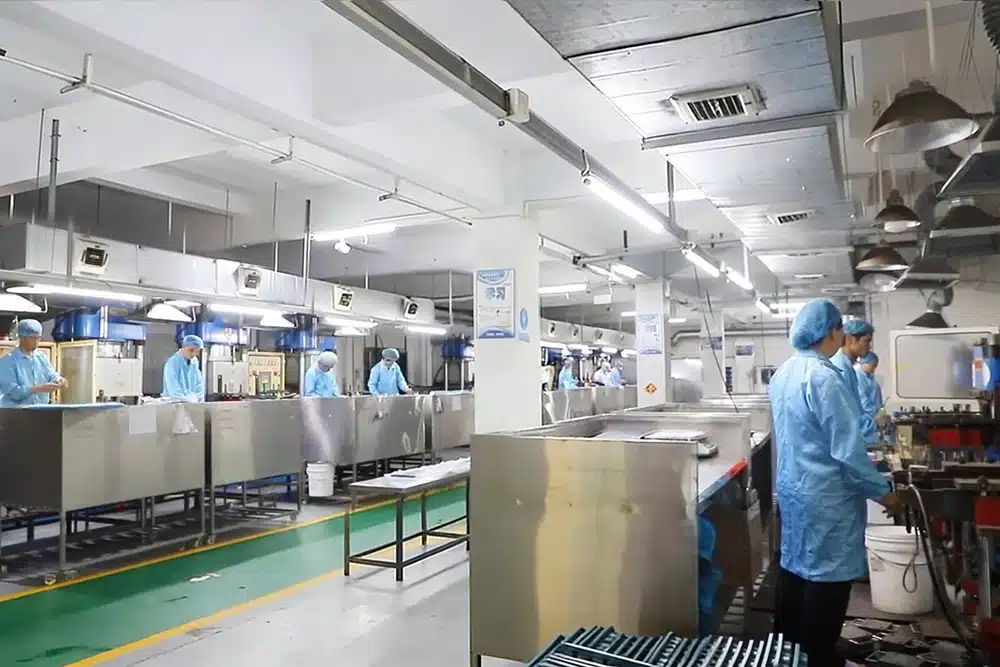
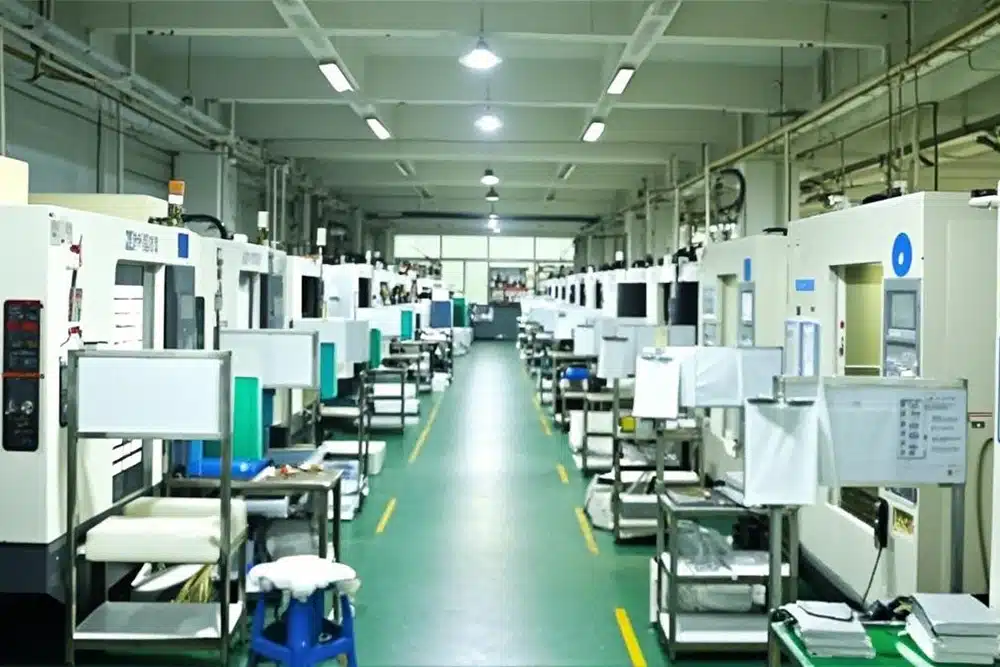
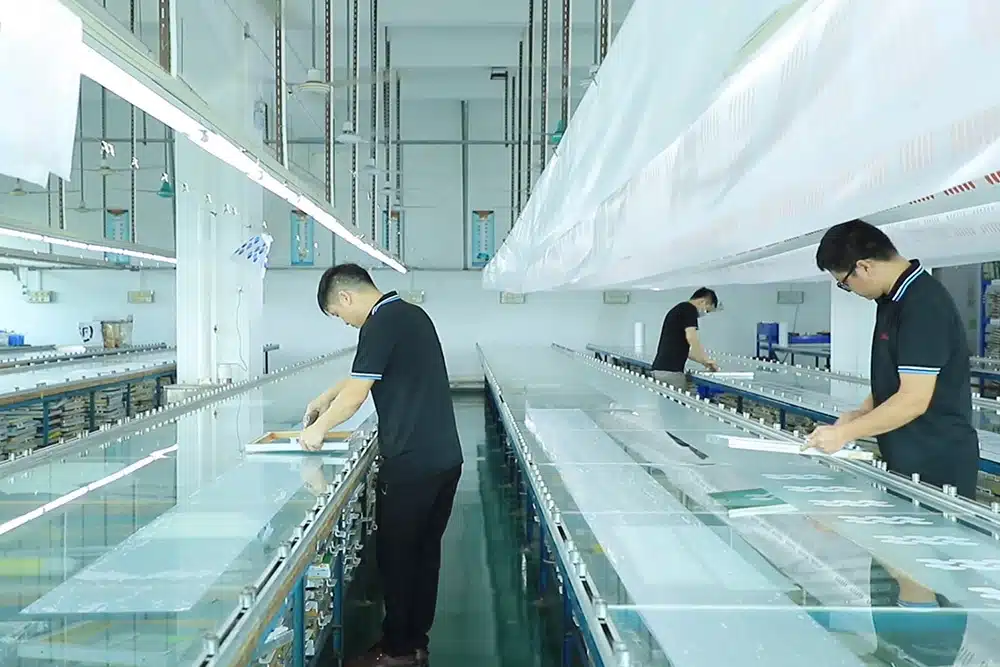
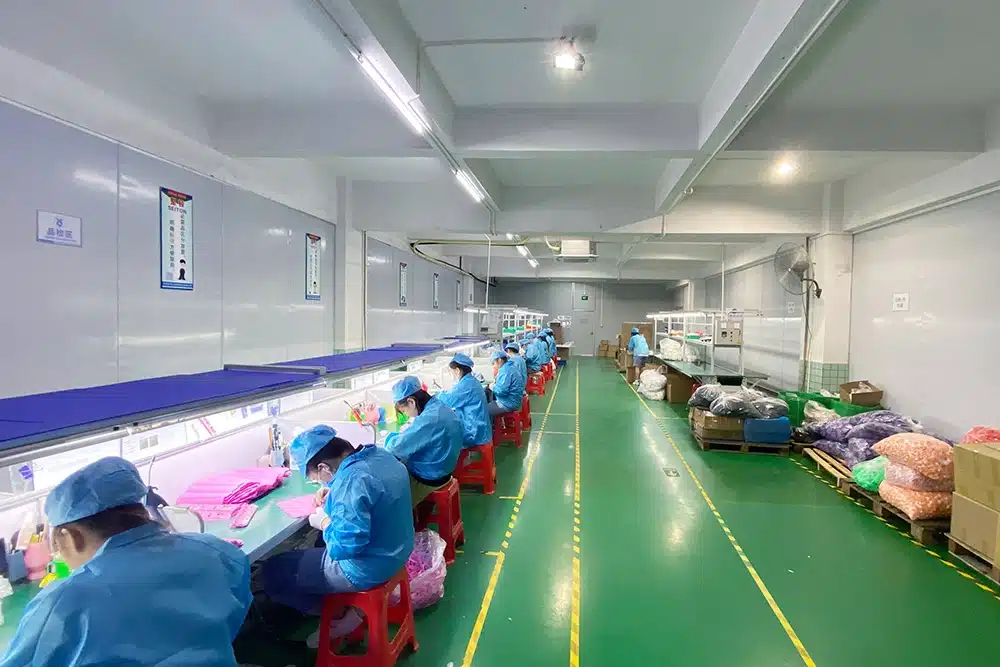
Selecting the right partner could make all the difference with regard to developing silicone sleeves that resist heat. Seek out a manufacturer who has a proven track record in custom silicone product manufacturing, OEM/ODM sleeve development, material selection assistance, in-house mold design, compression molding, surface texture development and full process quality control from the raw material to the finished product.
| Manufacturer Capability | Why It Matters for Heat-Resistant Silicone Sleeves |
| Material selection support | Helps match silicone grade with temperature and application needs |
| Heat-use design review | Evaluates wall thickness, grip zones, contact areas, and user handling |
| Hardness guidance | Balances flexibility, structure, grip, and installation |
| In-house mold capability | Supports accurate fit, texture, logo, and wall thickness control |
| Silicone molding experience | Helps maintain stable material and dimensional quality |
| Surface finishing options | Allows logo, texture, and finish compatibility to be reviewed |
| Sample development | Lets buyers test heat-use performance before mass production |
| Quality control system | Confirms material, hardness, dimensions, appearance, and finish consistency |
| Packaging support | Helps prepare sleeves for retail, wholesale, or ecommerce delivery |
Conclusion — Choose High-Temperature Silicone Based on Real Use Conditions
Silicone sleeves that can withstand heat may be recommended for use with hot drinks, kitchen applications, warm electronics, industrial applications, outdoor heat, and multiple temperature changes. High Temperature Silicone should be chosen according to the following factors:actual temperature range, direct or indirect heat exposure, product material, wall thickness, user handling, etc. Not all heat resistant materials are burn proof, fire proof, or thermally insulated. Prior to mass production buyers should ensure that the material grade, design details, surface finish compatibility, and real sample testing have been confirmed. The selection of materials, mold development, finishing, QC and documentation requirements should be evaluated with the assistance of a qualified manufacturer.
A heat resistant silicone sleeve is best suited when material and design are suitable for the actual application. Having the limits of temperature, exposure length, product structure, grip requirements and test expectations established in advance allows the buyer to choose materials for the projects that they are planning and to minimize the risk of making unsupported claims or having poor product performance.