
Custom Silicone Protective Covers are silicone molded parts that serve a variety of purposes to protect, grip, cushion, cover or improve the handling of a specific product. They are used in electronics, in bottles and cups, in beauty products, in pet products, in household products, tools, outdoor products, and industrial products. Generally, silicone is used because of its flexibility, soft touch, grip, long-lasting performance when used repeatedly, and ability to be formed into protective shapes. The right cover design depends on the dimension, function, material contact, openings, wall thickness, Shore A hardness, texture, logo method and target use environment of the product.
In the true sense of the word, any silicone cover cannot offer the same level of protection; in actual OEM production, a silicone cover needs to be created around the product’s shape, impact points, grip areas, openings, installation method and environment. A custom silicone protective cover should be designed as a functional product component, rather than a meek outer layer. The quality of the material, fit, thickness, hardness, texture, mold design and quality control can determine the final performance of the product, depending on the actual use conditions.
What Are Custom Silicone Protective Covers?
Custom Silicone Protective Covers are silicone components that are customized to fit a specific product or product family. They provide surface protection, provide traction, absorb impact, cover sharp edges, minimize scratches and increase user comfort. These can be detachable, temporary or built in to a product assembly. They are customizable as per requirements in shape, size, thickness, hardness, color, texture, logo and packaging. They are not ready-made covers as they are created based on the product dimension and performance requirement. When standard silicone protective covers are unable to achieve the fit, function or branding desired, custom silicone protective covers are typically the solution.
If brands are looking to create product specific custom silicone sleeves and protective covers, our team can help establish material selection, mold development, texture design, customization of logos, quality control, etc., before the production of large volumes or millions of units.
| Item | Explanation | Product Type |
| Main Function | Grip, cushioning, scratch resistance, surface protection, and user comfort | Molded silicone cover, sleeve, grip, cap, or protective layer |
| Custom Options | Shape, size, thickness, hardness, texture, color, logo, and packaging | – |
| Best For | Products needing a specific fit, protective structure, or brand identity | – |
| Common Materials | Flexible silicone rubber in different Shore A hardness levels | – |
| Manufacturing Method | Usually silicone molding with custom tooling and sample approval | – |
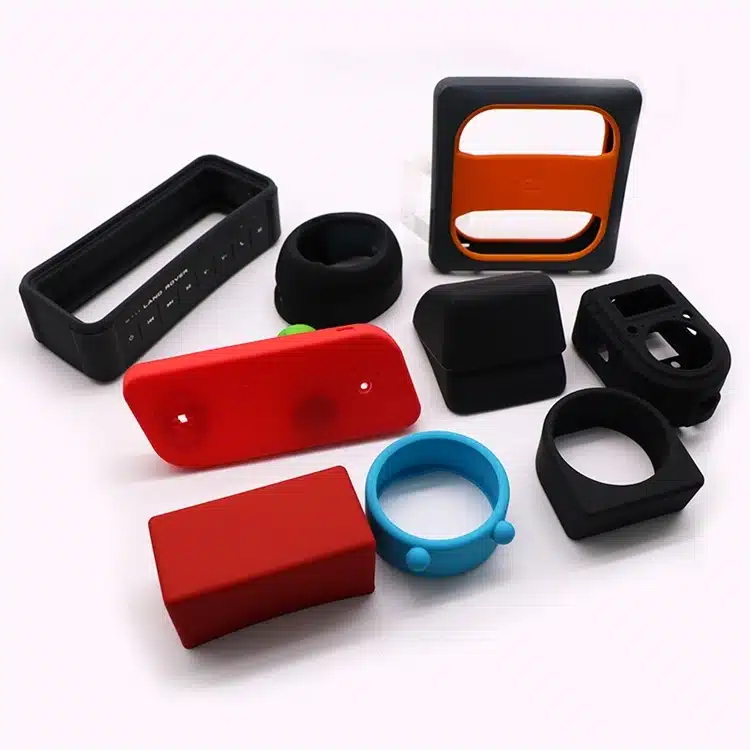
Common Applications of Custom Silicone Protective Covers
While custom silicone protective covers are used in many product classes, their design requirements vary by application. For instance, a sleeve that fits a drink can perfectly may not be suitable for a sleeve to fit an electronics device, so it is important to know what you want the sleeve to be used for from the beginning.
| Application Area | Common Silicone Protective Cover Examples | Main Design Priority |
| Drinkware | Bottle sleeves, cup sleeves, tumbler grips | Grip, surface protection, heat/cold handling, branding |
| Electronics | Device covers, remote covers, controller sleeves | Fit, button access, port openings, edge protection |
| Beauty Devices | Grooming tool grips, beauty device sleeves | Soft touch, appearance, grip, skin-contact feel |
| Pet Products | Bowl grips, grooming tool sleeves, toy covers | Durability, easy cleaning, safe handling |
| Home Goods | Handle covers, jar grips, appliance covers | Grip, comfort, heat resistance, cleaning |
| Outdoor Products | Sports bottle sleeves, tool covers, protective grips | Wet grip, UV/weather resistance, durability |
| Industrial Tools | Tool grips, protective caps, equipment covers | Wear resistance, fit stability, functional protection |
| Promotional Products | Branded silicone covers or sleeves | Logo visibility, color, cost control, packaging |
Material Options for Custom Silicone Protective Covers
Careful consideration of the application, environment, safety factors and performance expectations should be taken into account when selecting materials. It is important to select the correct grade to avoid early wear, safety concerns or compliance failure, so it is always worth matching the compound to the real world.
| Material Option | Suitable Applications | Buyer Consideration |
| General-purpose silicone | Electronics covers, grips, household covers | Suitable when special compliance is not required |
| Food-grade silicone | Bottle sleeves, cup sleeves, kitchenware covers | Documentation may be needed for food-contact claims |
| Heat-resistant silicone | Hot cup sleeves, kitchen handles, appliance covers | Confirm temperature exposure and use conditions |
| UV/weather-resistant silicone | Outdoor products, sports accessories, tool covers | Useful for sunlight, moisture, and outdoor exposure |
| Soft-touch silicone | Beauty devices, personal care products, premium consumer goods | Surface feel and durability should be tested |
| Medium-hardness silicone | Many protective sleeves and covers | Balances flexibility, fit, and structure |
| Firmer silicone | Covers needing better shape retention | Installation and comfort must be reviewed |
Shore A Hardness: Choosing the Right Softness or Firmness
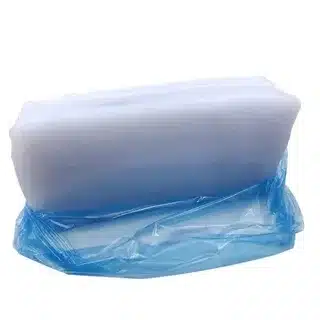
The Shore A hardness is used to measure the feel, stretch, fit and protective properties of a silicone protective cover. The softer compound offers excellent grip and flexibility, while a harder compound offers better shape retention, but it’s all about the product and wall thickness and how it is handled on a daily basis.
| Hardness Direction | Practical Effect | Buyer Notes |
| Softer silicone | Better flexibility and hand grip | May deform if walls are too thin |
| Medium hardness | Balanced fit, grip, and structure | Often practical for many consumer covers |
| Firmer silicone | Better shape retention | May be harder to install or less comfortable |
| Soft + thick wall | Comfortable grip with more cushioning | Higher material use |
| Firm + thin wall | More structured but still flexible | Must be tested for fit and comfort |
| Hardness sample testing | Confirms real feel and performance | Essential before mass production |
Design Factors That Affect Protection Performance
Design structure not silicone is what creates protection. It is possible to achieve a consistent performance effect through strategic use of thicker zones, reinforced corners and anti-slip textures, while preventing over-engineering the entire cover.
| Design Factor | Protection Impact | Buyer Consideration |
| Wall thickness | Affects cushioning and durability | Balance protection with cost and flexibility |
| Reinforced corners | Helps protect common impact points | Useful for electronics and handheld devices |
| Raised edge lip | Adds edge protection | Must not interfere with function |
| Anti-slip texture | Improves handling and reduces slipping | Texture should be comfortable and cleanable |
| Secure inner fit | Keeps the cover in place | Fit must be tested on real product samples |
| Openings and cutouts | Maintain product function | Must align with buttons, ports, or working areas |
| Flexible side walls | Support installation | Should not become too loose after use |
| Coverage area | Determines how much surface is protected | More coverage means more material and cost |
Fit, Tolerance and Installation Considerations
A protective cover should be secure but not cumbersome or make use of the product more difficult to use. Just a slight mismatch between the cover and the actual product can lead to sliding edges, rolling edges, or end users’ frustration when installing.
| Fit Issue | Possible Cause | Better Design Approach |
| Cover slides or rotates | Inner fit too loose or texture insufficient | Adjust inner size, texture, or hardness |
| Cover is hard to install | Opening too tight, material too firm, or wall too thick | Review stretch path and installation direction |
| Edges roll up | Edge too thin, material too soft, or weak geometry | Reinforce edges or adjust hardness |
| Cover blocks function | Openings or cutouts poorly positioned | Use accurate drawings and functional testing |
| Fit varies between batches | Tolerance not defined clearly | Use approved samples and dimensional inspection |
Logo, Color and Surface Finishing Options
Custom silicone protective covers can be designed to serve and promote the brand. Combining Pantone matched colors, embossed logos and the right texture creates a simple protective piece that provides quality reinforcement each time it is touched.
| Custom Option | Best For | Buyer Notes |
| Pantone color matching | Brand color consistency | Physical sample approval is recommended |
| Embossed logo | Durable molded branding | Must be planned during mold design |
| Debossed logo | Subtle premium appearance | Depth and cleaning should be reviewed |
| Silk screen printing | Simple text or graphic logos | Adhesion and wear testing may be needed |
| Laser engraving | Precise markings or technical text | Contrast depends on material and color |
| Molded texture | Anti-slip grip and visual identity | Texture depth affects comfort and cleaning |
| Matte finish | Premium and practical appearance | Common for consumer products |
| Soft-touch coating | Enhanced hand feel | For a complete overview of available techniques, see our surface finishing options including embossing, printing, laser engraving and soft-touch coatings. |
Manufacturing Options for Custom Silicone Protective Covers
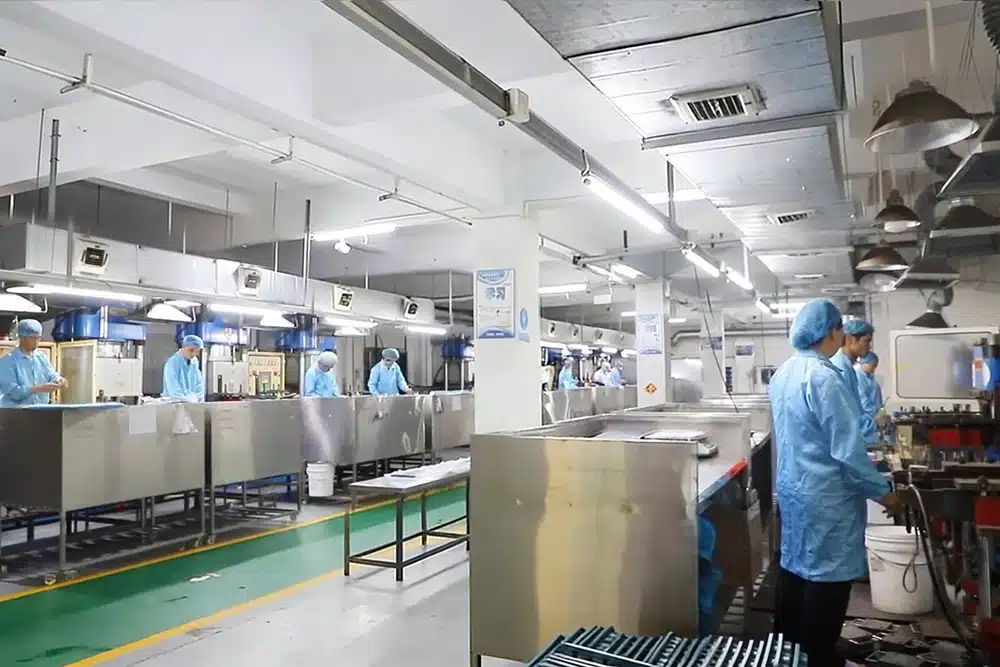
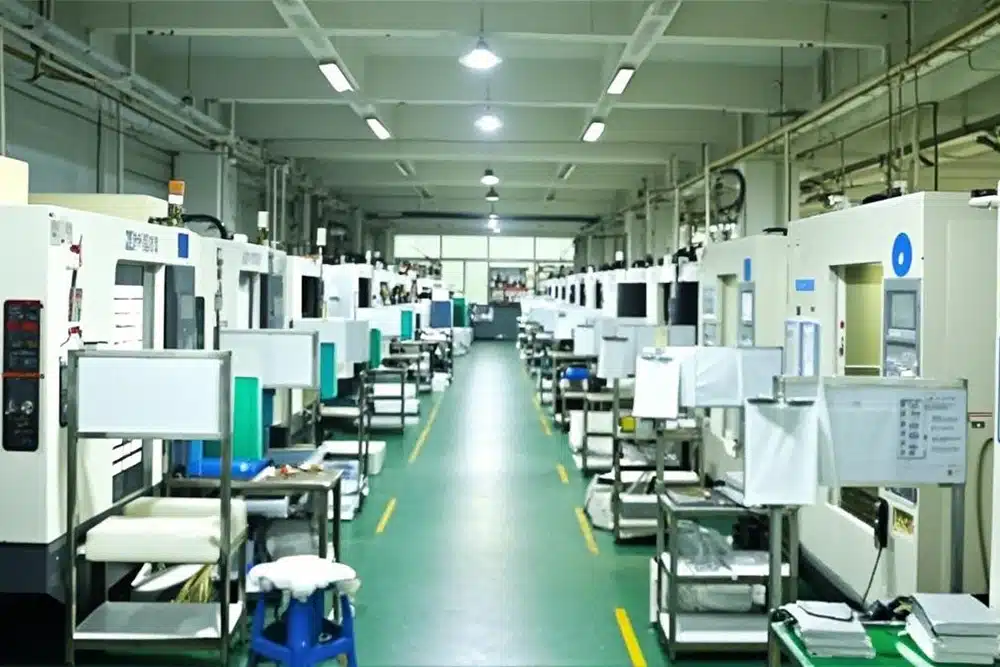
Manufacturing method varies according to the product structure, production quantity, material and the product design. We make both solid and liquid silicone protective covers at our Dongguan facility and can do anything from simple sleeves to multi-color, complex geometries, as we have the flexibility to handle it all.
| Manufacturing Option | Suitable For | Buyer Consideration |
| Compression molding | Many custom silicone sleeves and covers | Practical for molded silicone parts with custom shapes |
| Custom mold development and in-house tooling | Product-specific protective covers | Required for accurate fit and unique design |
| Existing mold adaptation | Simple or standard cover shapes | May reduce development time if suitable |
| Prototype sampling | New product development | Confirms fit, material, and surface before production |
| Multi-color molding | Branded or decorative covers | More complex and may affect cost and MOQ |
| Post-processing | Printing, engraving, coating, or trimming | Adds process steps and inspection needs |
| Assembly and packaging | Retail, ecommerce, or OEM supply | Should be planned during quotation |

Quality Control for Silicone Protective Covers
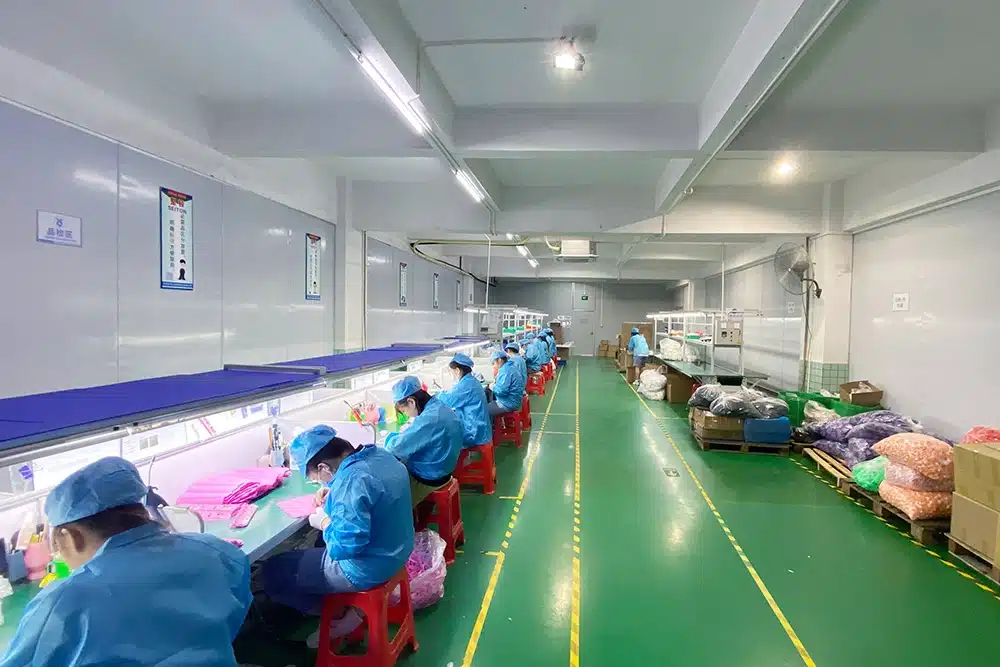
Appearance and functional fit should be considered in quality control for custom silicone products. Each batch is material verified, dimensionally checked, fit-tested with products and surface defect checked to guarantee consistent performance from the first sample test to the last shipment.
| Quality Check | Why It Matters |
| Material verification | Confirms correct silicone grade, color, and hardness |
| Dimensional inspection | Ensures the cover fits the target product |
| Fit testing | Confirms secure installation and retention |
| Hardness testing | Maintains approved feel, flexibility, and structure |
| Surface inspection | Checks bubbles, stains, marks, or texture defects |
| Edge trimming check | Prevents rough edges and improves user experience |
| Logo inspection | Confirms branding clarity and placement |
| Texture consistency | Maintains grip and appearance |
| Opening alignment | Ensures buttons, ports, or functional areas remain usable |
| Packaging inspection | Helps ensure products are ready for shipment or retail |
Common Mistakes When Developing Custom Silicone Protective Covers
Many times, even the most sophisticated sourcing teams miss important information that causes issues later in the sourcing process. The following are the common pitfalls and how to avoid them.
| Mistake | Better Approach |
| Designing from photos only | Provide drawings, CAD files, or physical samples |
| Ignoring tolerance | Define fit requirements and test real samples |
| Choosing material by price only | Match material to product use and environment |
| Over-thinning the cover | Balance cost with protection and durability |
| Over-thickening the cover | Protect key areas instead of adding thickness everywhere |
| Blocking functional areas | Confirm openings, buttons, ports, and sensors early |
| Guessing hardness | Test real samples for fit, grip, and installation |
| Adding logo too late | Plan logo and texture before mold development |
| Skipping sample approval | Test fit, feel, function, and appearance before production |
What Buyers Should Prepare Before Requesting a Quote
Buyers can get better quotations and manufacturers can determine feasibility when they give a manufacturer complete project information. Getting the information right before you start helps to speed up the development process, and minimizes the risk of costly changes after development.
| Information to Prepare | Why It Helps |
| Product sample or CAD file | Supports accurate fit and mold review |
| Product dimensions | Helps define cover size and tolerance |
| Use environment | Guides material, hardness, and texture selection |
| Protection goal | Helps define wall thickness and reinforced areas |
| Coverage area | Determines material use and product function |
| Material requirement | Supports food-grade, heat-resistant, UV-resistant, or general-use needs |
| Hardness preference | Helps balance flexibility, grip, and structure |
| Logo file | Allows review of embossing, printing, or engraving |
| Surface finish | Affects grip, appearance, and post-processing |
| Quantity estimate | Helps evaluate MOQ, tooling, and unit price |
| Packaging requirement | Affects cost, labor, and delivery readiness |
| Target market | Helps identify documentation or testing expectations |
How to Choose a Custom Silicone Protective Covers Manufacturer
Buyers need to consider if the manufacturer can take them through the entire development process or just give them a unit price. Search for partners experienced in OEM & ODM silicone manufacturing that have manufactured custom silicone products, developed silicone sleeves and protective covers, have provided support for silicone material selection, guided with Shore A hardness, have in-house mold design and tooling, have compression molding, have developed logo by silk screen printing, laser engraving, embossing, debossing and surface finishing, have developed surface texture and touch-feel, have in-house assembly and packaging lines, and have a strict quality inspection system from raw materials inspection to the finished product test.
| Manufacturer Capability | Why It Matters for Protective Covers |
| Engineering review | Helps evaluate fit, protection zones, openings, and tooling risks |
| Material selection support | Matches silicone performance with application and environment |
| Hardness guidance | Balances grip, flexibility, protection, and installation |
| In-house mold capability | Improves control over cover fit, texture, logo, and production stability |
| Silicone molding experience | Supports consistent quality for custom molded covers |
| Surface finishing options | Enables logo, texture, coating, and appearance customization |
| Sample development | Confirms real fit, protection, and usability before mass production |
| Quality control system | Reduces risks related to size variation, defects, and poor fit |
| Packaging support | Helps prepare products for retail, wholesale, or ecommerce channels |
Conclusion — Custom Silicone Protective Covers Should Be Designed Around Real Use
While a silicone protective cover may seem straightforward, the key to its performance relies on numerous decisions made prior to manufacturing. If the buyer specifies the product use, protection level, material, fit, texture and manufacturing specifications clearly, the resulting cover will ultimately be more suitable, secure and reliable to use in the day-to-day environment.
Protective silicone customised covers can enhance grip, cushioning, surface protection, usability and brand appearance. The right design is determined by the shape of the product, its use environment, intent to protect, wall thickness, hardness, fit, texture, openings and manufacturing process. Protection does not automatically follow from silicone materials, but depends on the engineering of the cover for the product in question. Mold growth, sample analysis, quality checks and packaging all have an impact on the final product. Our team of experts at Dongguan HT Silicone & Rubber Co., Ltd., a custom silicone molds manufacturer, is available to help you from the initial concept stage to mass production, ensuring you receive a reliable and quality product.duct.