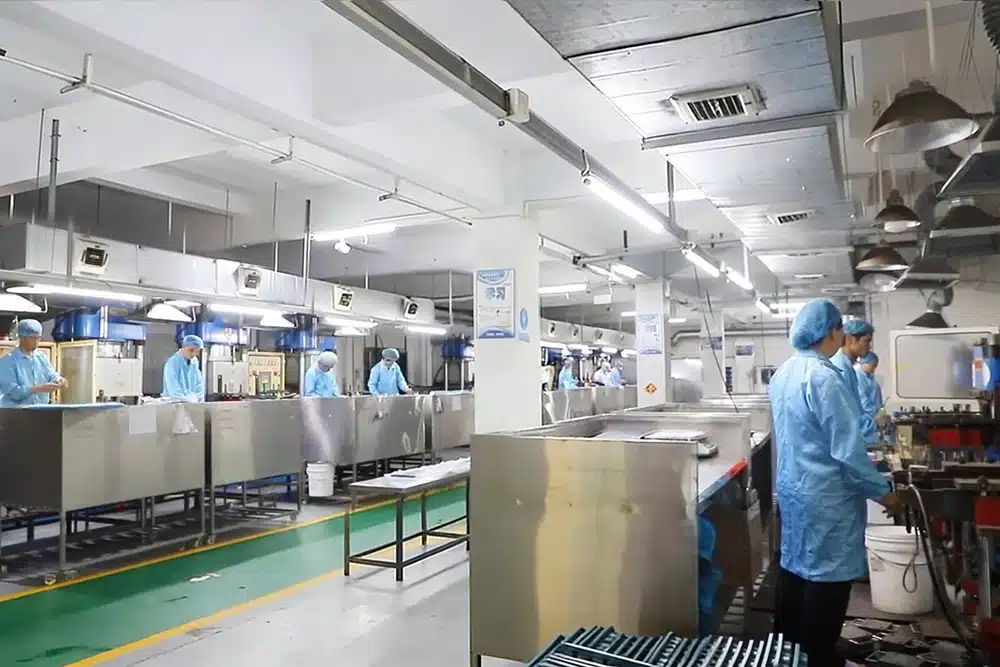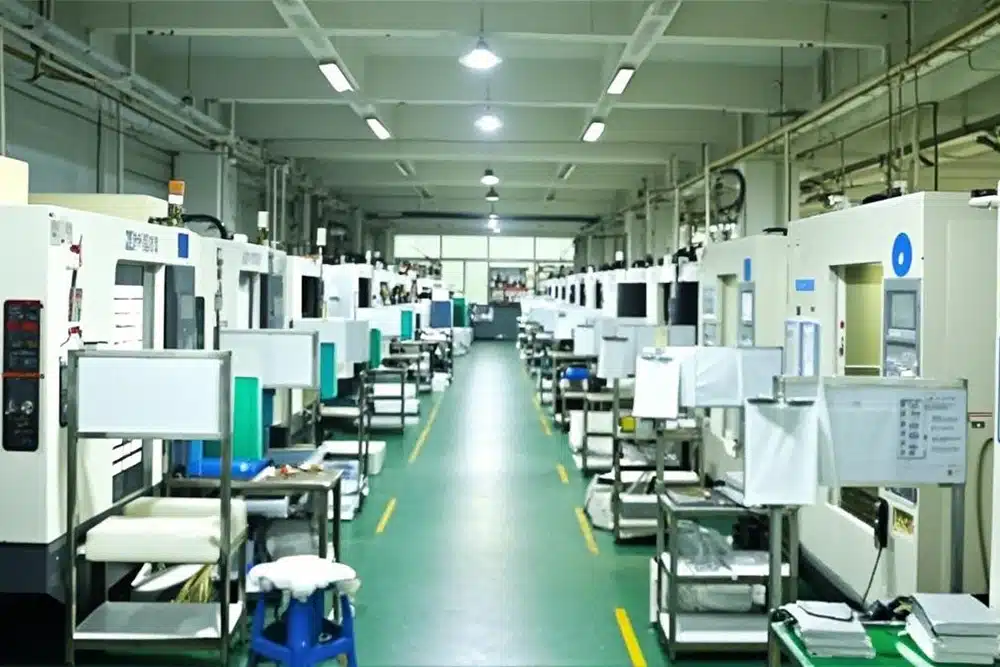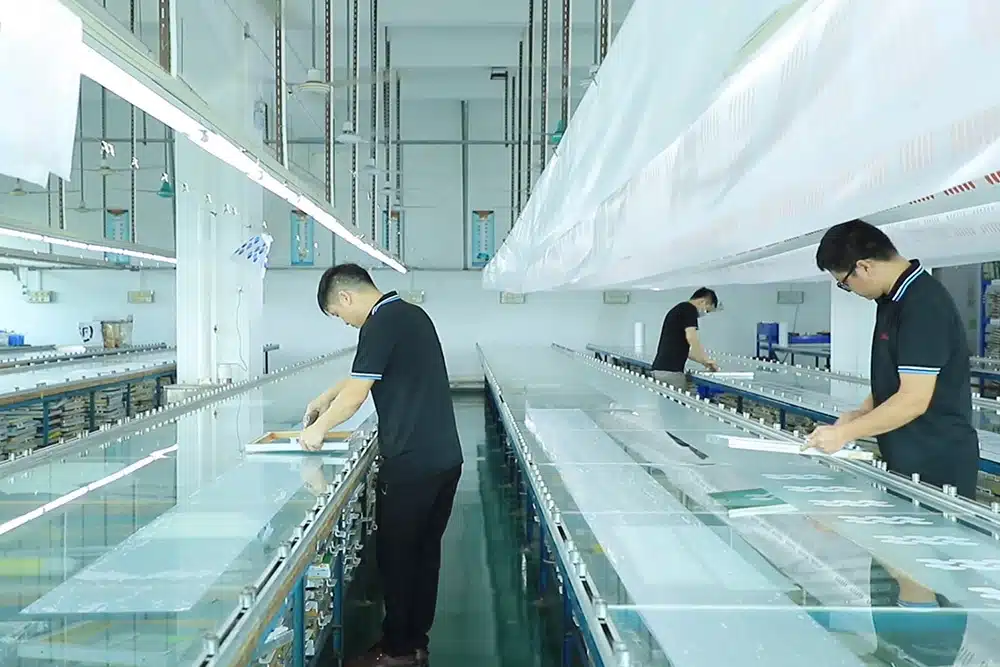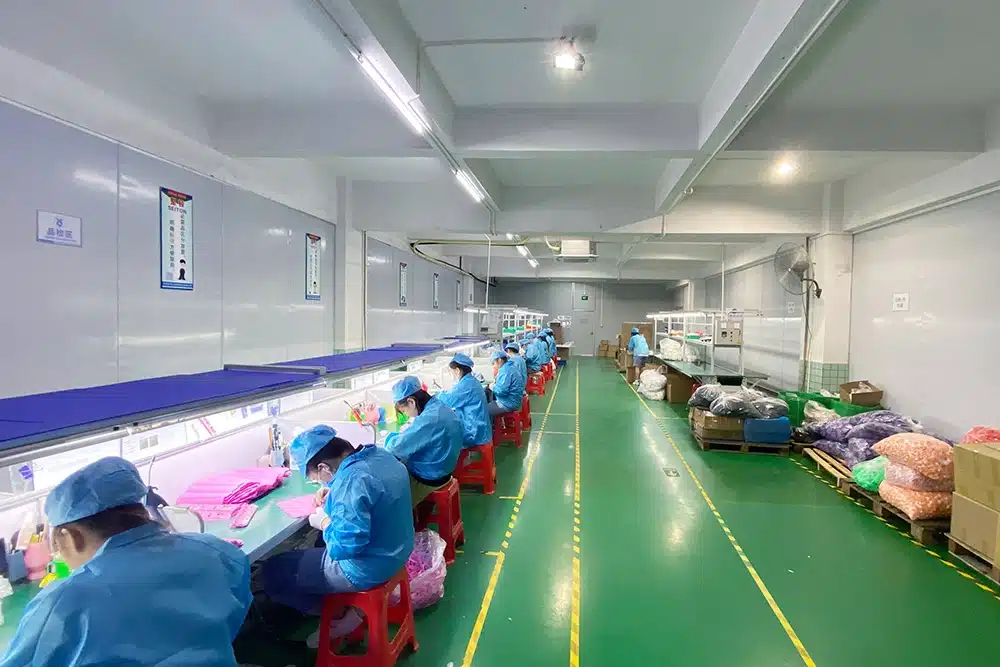
Environmental conditions affect the quality of silicone products by impacting material stability, curing stability, cleanliness, dimensinal stability, surface finish, packaging and final inspection, which means that environmental control should be integrated into a holistic silicone quality control solution. Environmental control in silicone manufacturing is not an isolated process but impacts accurately and consistently molded, inspected, assembled, packaged and shipped products.
Buyers often believe that quality of silicone products only depends on material quality, mold design or machine settings. But the manufacturing environment can cause problems like dust, color, curing, dimension, surface, and packaging. Temperature can influence the material, curing stability, mold, and dimensional accuracy. Moisture can affect the raw material storage, packaging, cleanliness, and surface quality. Dust, fibers, oil and floating particles can cause contamination of final silicone products. Visual inspection conditions can affect visual defect detection and colour judgement. Packaging and storage environment can affect product deformity, contamination, and delivery quality.
These environmental factors affecting silicone product quality are particularly important for food safety silicone kitchenware, baby, personal care, pet food-related products, silicone mat, seal, sleeve, electronics accessories and branded consumer products. Customers should look beyond the equipment and raw samples when choosing a supplier, and check the environmental control of the factory in the silicone QC process.
Why Environmental Factors Matter in Silicone Manufacturing
Silicone products are soft, require precise molding temperatures, cure properties, surface finish and contamination prevention, so environmental factors may impact both manufacturing and inspection.
Understanding the environmental impact on silicone QC allows manufacturers to manage temperature, moisture, dust, storage, handling and packaging risks as potential sources of product defects. From material receipt to preparing for shipment, they impact material stability, curing, dimensional control, surface contamination, colour, inspection, packaging, batch-to-batch uniformity and shipment integrity.
| Environmental Factor | Possible Impact on Silicone Product Quality |
| Temperature | Affects curing behavior, material handling, mold stability, and dimensions |
| Humidity | May affect storage condition, packaging materials, and surface cleanliness |
| Dust and particles | Cause surface contamination, black spots, fibers, or customer complaints |
| Lighting | Influences visual inspection and color judgment |
| Air cleanliness | Affects food-grade, baby, personal care, and retail product cleanliness |
| Storage condition | Affects raw material stability and finished product shape |
| Handling environment | May introduce fingerprints, oil marks, scratches, or mixed batches |
| Packaging environment | Affects cleanliness, labeling accuracy, deformation, and shipment protection |
| Transportation condition | Can cause compression marks, deformation, heat exposure, or carton damage |

In real terms, these factors augment throughout the quality control process in silicone manufacturing. A minor variation in one process, like the workshop temperature, can cause visible quality issues that are only evident in the customer’s hands. That’s why skilled manufacturing teams consider environmental control as part of the process. .
Temperature: Its Impact on Curing, Dimensions, and Material Behavior
Temperature is a significant environmental factor in silicone production that can impact consistency, curing, part stability and more.
The storage temperature of raw silicone, stability of the mold temperature, curing temperature, workshop temperature, demolding condition, and cooling are all involved. And even post-curing or heat treatment during storage and transportation may also contribute to problems. For example, unstable mold temperature may cause under-curing or shrinkage, and wrong curing temperature may cause a sticky surface or poor elasticity.
| Temperature-Related Risk | Possible Product Issue | Mitigation Method |
| Unstable mold temperature | Under-curing, surface defects, or dimensional variation | Monitor mold temperature and maintain stable process settings |
| Incorrect curing temperature | Sticky surface, weak elasticity, or poor durability | Validate curing parameters before mass production |
| High workshop temperature | Material handling difficulty or faster process variation | Control storage and production conditions where necessary |
| Low temperature storage | Material may become harder to process temporarily | Allow material conditioning before production if needed |
| Heat exposure after packing | Deformation, odor concern, or packaging damage | Use suitable storage and shipment protection |
| Uneven cooling | Warping or inconsistent shape recovery | Control demolding and cooling procedures |
The effects of temperature on silicone molding can be seen as a batch is processed. Temperature variations can affect shrinkage and cause parts to be misaligned in assemblies, or appearance problems in matte or textured parts. Proper silicone material selection combined with stable environmental conditions helps minimize these risks across different applications.
Humidity and Moisture: How They Affect Storage, Packaging, and Cleanliness
Humidity and moisture may not seem important issues for generally stable silicone, but can still impact packaging materials, storage rooms, dust, labels, cartons and some of the manufacturing or assembly processes.
Wet cartons weaken in long sea transport and labels can peel off or not scan due to moisture. Wet storage increases the risk of odors or package degradation.
| Humidity-Related Risk | Possible Quality or Shipment Problem | Mitigation Method |
| Damp packaging cartons | Weakened carton strength or deformation during shipment | Store cartons in dry, controlled areas |
| Moisture-exposed labels | Peeling labels or poor barcode scanning | Verify label quality before packing |
| Humid storage area | Higher risk of odor, packaging damage, or poor appearance | Maintain organized storage and ventilation |
| Dust adhesion | Particles may stick more easily to silicone surfaces | Use clean handling and protected storage |
| Mixed wet/dry storage conditions | Inconsistent packaging appearance | Standardize storage practices |
| Long storage before shipment | Higher risk of carton damage or contamination | Use FIFO and final packing inspection |
Humidity’s impact on silicone product packaging is most visible when preparing products for export, as continued dry conditions ensure appearance and protection.
Dust, Particles, and Air Cleanliness
Dust and particulate matter are significant environmental hazards for silicone products, with many silicone surfaces able to collect visible contamination, particularly light-coloured, matte, textured or contact-use products.
Dust spots, fibers, hair, black dots, oil and grease, dirty transfer trays, and uncovered products risk the environment. Dust is one of the more common issues with silicone products.
| Contamination Source | Product Quality Risk | Prevention Method |
| Dust in assembly area | Visible particles on product surface | Use clean workbenches and covered storage |
| Hair or fibers | Hygiene concerns and appearance defects | Apply gloves, hair control, and clean clothing rules |
| Dirty trays or containers | Repeated contamination across batches | Clean trays and separate product status clearly |
| Bare-hand handling | Fingerprints, oil marks, and stains | Use gloves and handling procedures |
| Long open exposure | Dust accumulation before packaging | Reduce exposure time and pack promptly |
| Mixed rejected and accepted parts | Shipment of contaminated or defective goods | Separate accepted, pending, and rejected products |
| Poor final visual inspection | Contaminated parts may reach customers | Use lighting and inspection standards before packing |
Clean handling for silicone products begins with little things and adds up to success. Implementing proper dust-free assembly and packaging practices is one of the most effective ways to protect surface quality and meet customer expectations.
Lighting and Inspection Environment
The inspection environment for appearance, color, surface and contamination is critical for inspection accuracy.
Uniform lighting, color matching environment, no shadow and no glare, clean inspection table are all important. The inspection of light or white silicone, or printed logo or surface finishing are more accurate when done under controlled conditions.
| Inspection Environment Factor | Why It Matters |
| Consistent lighting | Helps inspectors identify color variation and surface defects more reliably |
| Approved sample comparison | Reduces subjective judgment during appearance inspection |
| Clean inspection table | Prevents contamination during final checks |
| Reduced glare | Helps inspectors see matte surfaces, textures, and printed areas clearly |
| Defined defect standard | Reduces inconsistent pass/fail decisions |
| Inspector training | Improves judgment for color, stains, flash, and cosmetic defects |
| Product rotation during inspection | Helps identify defects on edges, corners, and hidden surfaces |
Silicone product inspection with proper lighting ensures defects don’t get past you.
Material and Finished Product Storage Conditions
Materials and finished silicone products may be damaged by storage conditions.
Silicone material storage, pigment or additive storage, expiration dates and status labels are all part of the process. Finished product storage needs to prevent compression, batch mixing, and contamination.
| Storage Item | Quality Control Focus |
| Raw silicone material | Store according to supplier requirements and batch status |
| Pigments and colorants | Keep sealed, labeled, and separated by batch or color code |
| Inserts or accessories | Prevent dust, deformation, rust, or mixing before assembly |
| Packaging materials | Keep cartons, bags, labels, and trays clean and dry |
| Finished silicone products | Avoid excessive stacking, dust exposure, and deformation |
| Accepted products | Clearly separate from pending or rejected goods |
| Retained samples | Store properly for future comparison or investigation |
| Shipment-ready cartons | Protect from moisture, compression, and label damage |

Proper storage of silicone material prevents contamination and keeps it fresh until the time it’s packed.
Handling, Assembly, and Packaging Environment
Post-molding, trimming, assembly, printing, packaging and shipping preparation are all sources of environmental quality controls.
Clean workbenches, gloves and hair covers, trays and protective packaging, product status labels, batch segregation and packaging to prevent dust all reduce risks.
| Handling or Packaging Control | Quality Risk Reduced |
| Gloves and clean tools | Fingerprints, oil marks, and surface stains |
| Clean workbenches | Dust and particle contamination |
| Covered trays | Long exposure and accidental contamination |
| Batch separation | Mixed batch and traceability problems |
| SKU/color separation | Wrong shipment or mixed product models |
| Label verification | Barcode, color, model, or customer order errors |
| Proper inner packing | Scratches, sticking, deformation, or compression marks |
| Carton strength check | Transport damage or crushed packaging |
| Final packing inspection | Shipment of dirty, mislabeled, or damaged products |

Silicone is dust-free and handled with care to make good products ready for shipping. Our professional assembly and packaging services ensure these environmental controls are maintained from post-molding through final shipment.
Environmental Risks for Different Silicone Product Applications
Environmental control requirements vary for different applications of silicone products.
For example, the strictest cleanliness requirements are required for food-grade products whereas silicone auto parts may require heat resistance.
| Product Application | Environmental QC Priority |
| Food-grade silicone kitchenware | Cleanliness, odor control, dust-free packaging, carton protection |
| Baby silicone products | Clean handling, material storage, contamination prevention |
| Personal care products | Skin-contact cleanliness, surface feel, packaging hygiene |
| Beauty tools | Appearance, dust control, clean packaging, color consistency |
| Pet products | Durability, contamination control, packaging strength |
| Silicone mats | Flatness, dust control, compression prevention during packing |
| Silicone sleeves/covers | Fit, elasticity, dust-free handling, deformation prevention |
| Silicone seals/gaskets | Clean sealing surfaces, dimensional stability, storage condition |
| Electronics accessories | Clean fit surfaces, packaging accuracy, dust control |
| Automotive silicone parts | Heat exposure, dimensional stability, batch traceability |
| Branded retail products | Visual appearance, label accuracy, carton condition, presentation quality |
So custom silicone product manufacturers need to consider environmental controls for specific applications. This is especially critical for food-grade silicone kitchenware, baby products, and personal care items where cleanliness standards are highest.
How Manufacturers Can Mitigate Environmental Quality Risks
Specify storage conditions, and track and control temperature where needed, seal and label materials, keep the work environment clean, use dust-free assembly techniques, train operators in good handling practices, limit product exposure time, and record batch and packaging information.
| Mitigation Method | How It Helps Silicone QC |
| Controlled material storage | Reduces material mix-up, contamination, and shelf-life problems |
| Stable molding conditions | Helps maintain curing, dimensions, and surface consistency |
| Clean work areas | Reduces dust, particles, fibers, and handling marks |
| Gloves and handling rules | Prevents oil marks, fingerprints, and contamination |
| Covered trays and containers | Protects parts before inspection or packing |
| Prompt packaging after inspection | Limits open exposure time |
| Batch and status labeling | Prevents mixing accepted, pending, and rejected products |
| Packaging validation | Reduces deformation, compression, and carton damage |
| Environmental issue logging | Helps identify recurring quality risks |
| Staff training | Ensures daily procedures are followed consistently |
These procedures make what could be risks manageable aspects of silicone QC.
How OEM Buyers Can Evaluate Environmental Control at a Silicone Factory
Buyers need to see more than equipment and samples; they should ask about the control of storage, cleanliness, inspection and packaging.
| Buyer Question | What a Qualified Supplier Should Demonstrate |
| How are raw materials stored? | Clean, organized, labeled storage with batch and status control |
| Are materials protected from contamination? | Sealed materials, clean containers, and controlled storage practices |
| Is the assembly area clean? | Dust-controlled handling area for finished silicone products |
| Are operators trained in clean handling? | Gloves, hair control, tool cleanliness, and exposure reduction |
| Are products separated by status? | Accepted, pending, rework, and rejected products clearly separated |
| Is final inspection environment controlled? | Suitable lighting, clean tables, approved samples, and defect standards |
| Is packaging condition checked? | Clean bags, labels, cartons, quantity, and batch verification |
| Are environmental risks recorded? | Quality records and corrective actions when environmental issues occur |
Asking partners these questions in their factory audit helps us understand their commitment to the impact of the factory environment on silicone QC.
Common Misunderstandings About Environmental Control in Silicone QC
There are some misconceptions among buyers, and sometimes even manufacturing teams.
| Misunderstanding | More Accurate View |
| Environmental control is only for medical products | Many consumer silicone products also need clean handling and packaging |
| Silicone is durable, so environment does not matter | Silicone can still be affected by dust, deformation, handling, and storage conditions |
| Final inspection can catch everything | Poor handling may contaminate products after inspection if packaging is uncontrolled |
| Temperature only affects comfort | Temperature can affect curing, molding stability, dimensions, and storage |
| Humidity does not matter for silicone | It can affect cartons, labels, storage cleanliness, and shipment protection |
| Packaging is not QC | Packaging affects cleanliness, deformation, label accuracy, and customer experience |
| Lighting is not important | Inspection lighting affects color judgment and visible defect detection |
Understanding these issues helps OEM purchasers to manage their expectations and find suppliers who control their environment.
Conclusion — Environmental Control Strengthens Silicone Quality Control
The quality of silicone products depends on more than materials, molds and equipment. Environmental factors such as temperature, humidity, dust, storage, handling, lighting, and packaging conditions can affect the outcome. Manufacturers control these environmental variables through practical QC steps, to control contaminants, consistency, protect final products and enable more efficient OEM silicone production.
Environmental control is part of incoming inspection, in-process QC, final inspection, assembly, packaging, and traceability. When OEM buyers assess a silicone supplier’s environmental control as part of a supplier’s quality capability, they can rest assured they will receive delivered product exactly as ordered. Our quality certifications and strict environmental management practices demonstrate this commitment to consistent excellence. Procedural actions like cleanrooms, controlled production environments, storage and packaging, and employee training and skill development provide consistent quality to build trust in custom silicone product manufacturing over time.