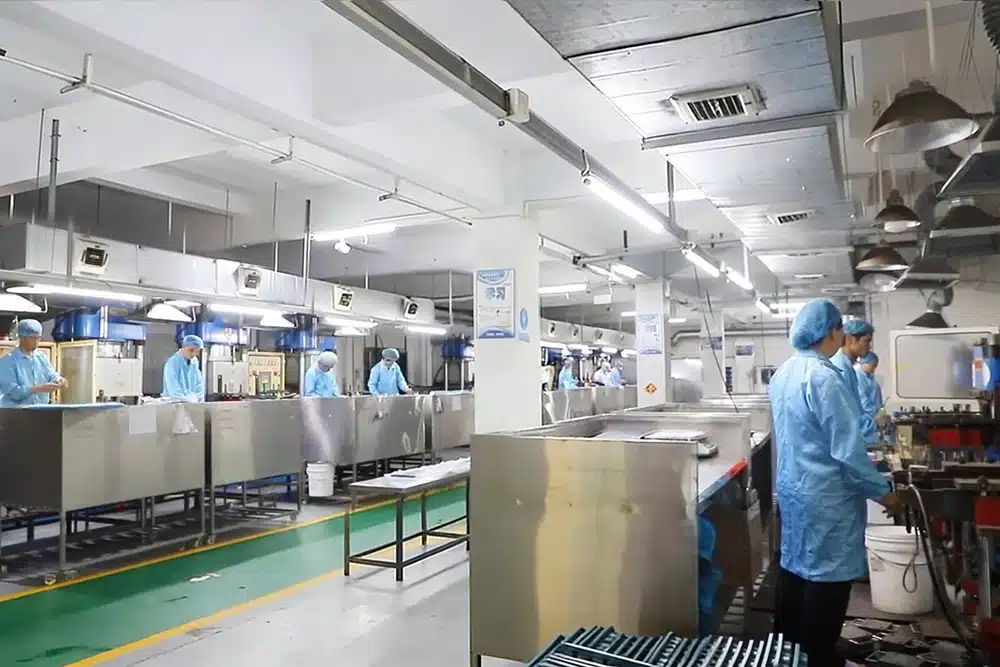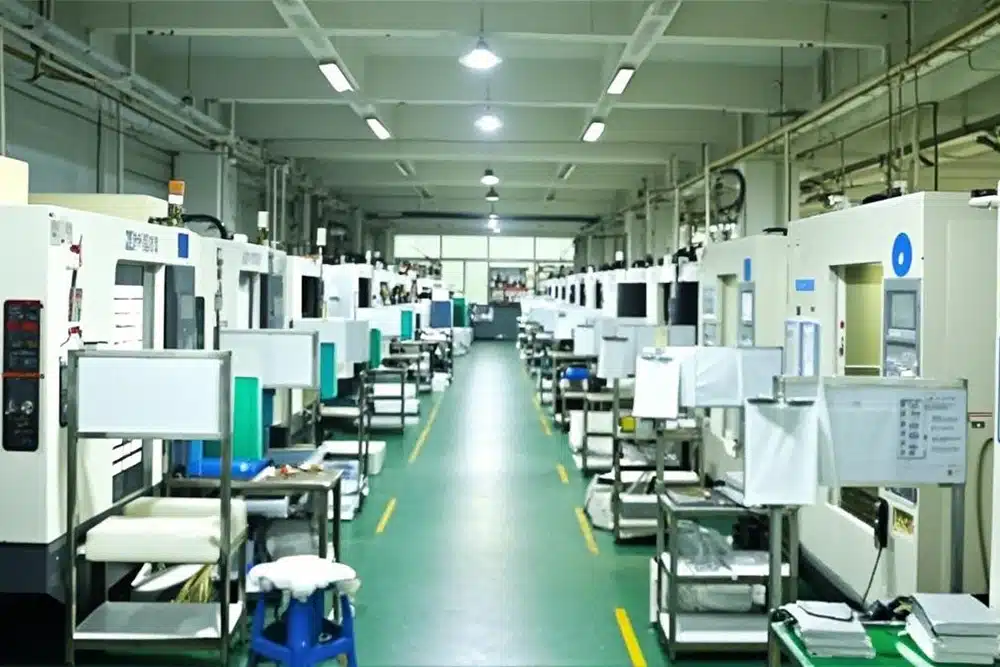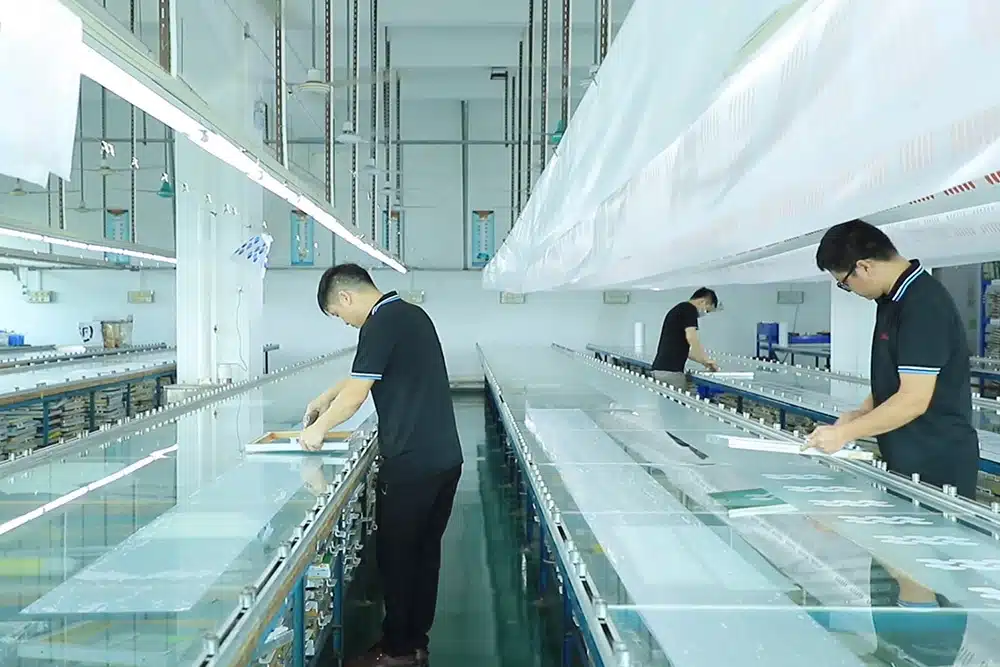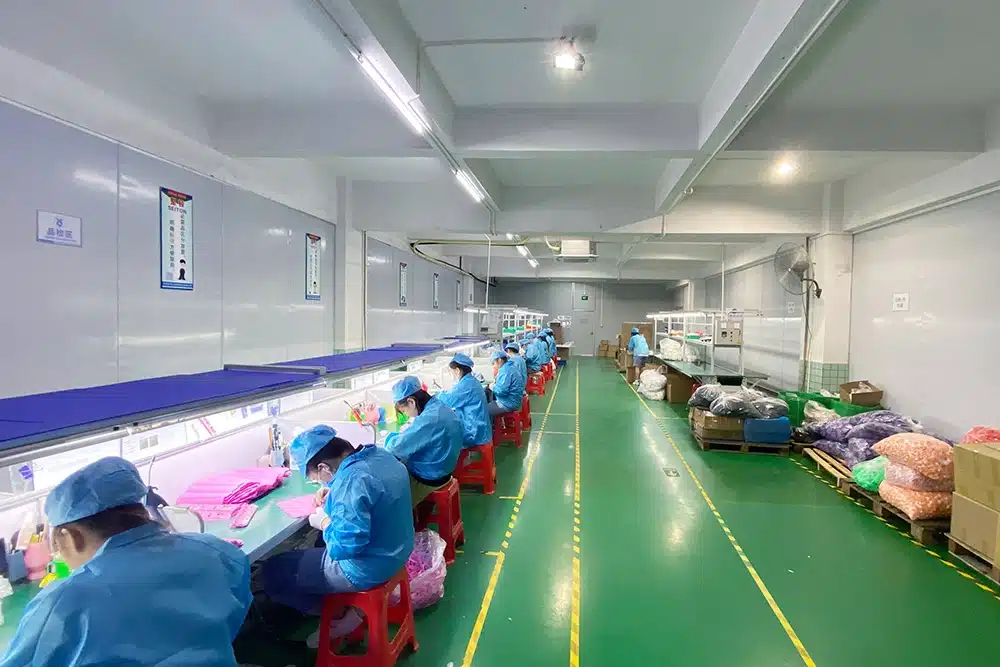

Silicone QC is not just a department; it is a series of processes involving trained personnel, from receiving materials to molding, inspection and packaging. Training for silicone QC staff helps operators, inspectors and production teams catch defects at an early stage, follow the standard process, record quality information, and avoid turning process issues into batch problems.
Customers often pay more attention to equipment, molds or certificates, but state-of-the-art equipment will not help to produce consistent quality products if the operators and inspectors are not well trained in following the process, identifying defects, and recording quality data. A structured program for training for silicone QC staff helps operators and inspectors recognize defects, follow approved standards, record batch information, and escalate abnormal issues during production.
Silicone quality control training is one of the best ways to enhance quality of silicone production because operators, inspectors, packers and supervisors are the first to detect many product issues. Silicone quality control staff should be knowledgeable about materials, molding, defects, inspection standards, cleanliness, packaging, and traceability. Operators should know when to halt production, alert management of problems, reject non-conforming products, and escalate concerns. Inspectors must accurately assess defects against approved samples and drawings. So training helps prevent rework, cross batch mixing, contamination, packaging issues and poor documentation for custom silicone products.
Why Staff Training Matters in Silicone Quality Control
Silicone products are flexible, have appearance-sensitive surfaces, are made under variable molding conditions, and often have custom product requirements. As a result, skilled staff is crucial for achieving consistent quality in OEM silicone manufacturing.
Here are some of the ways silicone quality control training helps:
| Training Benefit | How It Improves Silicone Product Quality |
| Early defect recognition | Operators can identify bubbles, flash, stains, deformation, or curing problems sooner |
| Consistent inspection judgment | QC staff evaluate products against the same approved standards |
| Better process discipline | Teams follow molding, curing, trimming, and packaging procedures more reliably |
| Reduced handling mistakes | Clean handling reduces contamination, scratches, and oil marks |
| Accurate records | Batch, inspection, and corrective action records become more useful |
| Faster escalation | Abnormal issues are reported before they affect the full batch |
| Stronger repeatability | Production teams can reproduce approved sample quality more consistently |

Skilled teams identify problems early, reducing customer complaints and increasing the likelihood of repeat orders in silicone molding quality control.
Which Staff Members Need Quality Control Training?
The training needed for quality control involves more than final inspectors. Each staff member who comes in contact with the material or product has a role in the quality of the silicone product.
| Staff Role | Key QC Training Focus |
| Incoming material inspector | Material grade, batch number, hardness, color, documents, storage condition |
| Molding operator | Material loading, mold setup, curing time, temperature, pressure, defect recognition |
| Mold technician | Mold cleanliness, venting, parting line, wear, maintenance, repair records |
| In-process QC inspector | First-piece inspection, sampling, dimensional checks, defect logging |
| Final inspector | Appearance, function, dimensions, hardness, packaging, approved sample comparison |
| Assembly worker | Clean handling, component fit, missing-part prevention, status separation |
| Packaging worker | Label accuracy, carton quantity, batch separation, deformation prevention |
| Warehouse staff | Material status, batch control, storage conditions, FIFO where applicable |
| Production supervisor | Abnormal issue escalation, corrective action, team coordination |
| Quality manager | Training system, audit records, inspection standards, continuous improvement |
This approach guarantees quality control of silicone manufacturing from raw materials to products.
Core Training Topics for Silicone QC Staff
Silicon QC training should be focused on actual product risks and inspection activities, rather than just the classroom. Training that is connected to silicone defects and processes is best.
| Training Topic | What Staff Should Learn | Why It Matters |
| Silicone material basics | Material grade, hardness, color, curing behavior | Helps staff understand material-related quality risks |
| Common defects | Bubbles, flash, burrs, stains, deformation, under-curing, color variation | Improves early defect detection |
| Molding process control | Temperature, pressure, curing time, material amount, demolding | Reduces repeated process defects |
| Visual inspection | Approved sample comparison, cosmetic defect limits, surface standards | Improves inspection consistency |
| Dimensional inspection | Critical dimensions, tolerance, flexible part measurement methods | Supports fit, sealing, and assembly performance |
| Functional testing | Stretching, sealing, grip, elasticity, bonding, assembly fit | Confirms real product performance |
| Clean handling | Gloves, trays, dust control, product exposure reduction | Prevents contamination and handling marks |
| Packaging inspection | Labels, carton quantity, batch separation, packing method | Reduces shipment errors and deformation |
| Traceability records | Material batch, production batch, inspection result, packaging record | Supports root-cause analysis |
| Nonconformance handling | Quarantine, reporting, rework, rejection, corrective action | Prevents defective parts from reaching shipment |
These are the key topics covered when inspecting silicone products. Effective training also prepares staff to work alongside automation in silicone quality control, using digital records and process monitoring tools more effectively.
Training Staff to Recognize Common Silicone Defects
Defect recognition is a critical practical skill in silicone QC because many problems need to be detected during the manufacturing process so they don’t affect whole batches.
| Defect | What Staff Should Notice | Possible Cause to Report |
| Bubbles or voids | Air pockets on surface or inside visible areas | Poor venting, trapped air, unstable pressure |
| Flash or burrs | Thin excess silicone along parting lines or edges | Mold wear, high pressure, excess material |
| Color variation | Difference from approved sample or batch-to-batch change | Pigment mixing, material batch variation |
| Under-curing | Sticky surface, odor, weak recovery, soft feel | Low temperature, short curing time, material issue |
| Deformation | Warping, poor flatness, poor shape recovery | Demolding, cooling, wall thickness, packaging pressure |
| Surface stains | Black spots, oil marks, dust, scratches | Mold contamination, handling, dirty trays |
| Tearing | Cracks or tears during demolding or stretching | Wrong material, thin area, sharp geometry, poor curing |
| Dimensional drift | Part too large, too small, loose, or tight | Shrinkage, mold wear, curing variation |
| Contamination | Hair, fibers, particles, dust | Poor clean handling or packaging control |
| Packaging damage | Compression marks, mixed colors, wrong labels | Poor packing method or weak label verification |

Practicing with defect samples trains the team to identify silicone defects.
Training Staff to Follow Inspection Standards and Approved Samples
Consistency in inspection requires standards. Staff should know what’s acceptable, what’s not, and when to check with the supervisor.
| Inspection Reference | How Staff Should Use It |
| Approved sample | Compare mass production parts for appearance, color, feel, and function |
| Limit sample | Judge the boundary between acceptable and unacceptable defects |
| 2D drawing | Check dimensions, tolerances, and critical features |
| Color reference | Compare color consistency against approved target |
| Functional requirement | Verify sealing, fit, stretching, grip, elasticity, or assembly |
| Packaging standard | Confirm inner bags, labels, cartons, quantity, and batch separation |
| Defect classification | Decide whether a defect is critical, major, or minor |
| Customer requirement | Apply buyer-specific standards before shipment release |
This training produces impartial silicone QC decisions.
Training for In-Process QC During Silicone Molding
In-process QC training helps in identifying the changes in the process before the whole batch is wasted. Silicone molding QC training is about in-process monitoring.
| In-Process Training Area | Practical Training Requirement |
| First-piece inspection | Staff confirm the first parts match approved samples before continuing |
| Sampling frequency | Inspectors know when and how many parts to check during production |
| Parameter awareness | Operators understand why temperature, pressure, and curing time matter |
| Mold condition | Staff check cleanliness, wear, venting, and parting line problems |
| Defect logging | Inspectors record defect type, time, batch, and possible cause |
| Stop-and-report rule | Operators know when to pause production and call QC or supervisors |
| Corrective action follow-up | Staff confirm whether adjustments actually reduce the defect |

First pieces and patrols are vital for silicone molding quality.
Training for Final Inspection, Packaging, and Shipment Release
Final inspectors and packagers should be trained as many issues with products occur after molding because of improper inspection, handling, packaging, or labeling.
| Final Stage Training Area | Quality Risk Reduced |
| Final visual inspection | Reduces shipment of parts with stains, bubbles, flash, or deformation |
| Functional testing | Confirms product fit, flexibility, sealing, grip, or assembly function |
| Clean handling | Prevents dust, fibers, fingerprints, and oil marks |
| Label verification | Reduces wrong SKU, barcode, color, or customer order errors |
| Quantity confirmation | Prevents short shipment or overpacking |
| Batch separation | Avoids mixed batches and traceability problems |
| Packing method | Reduces compression marks, deformation, and shipment damage |
| Final release checklist | Ensures products are approved before leaving the factory |
This is where training in clean handling of silicone products is important to ensure cleanliness and aesthetics. Proper staff training reinforces environmental control in silicone manufacturing, particularly in dust-free assembly and packaging areas.
Training Staff to Handle Nonconforming Silicone Products
Employees need training on how to respond to defects. It is not sufficient to find the defect; it must be handled to avoid mixing with good product.
| Nonconformance Step | Staff Training Requirement |
| Identify defect | Staff recognize abnormal appearance, dimensions, function, or packaging |
| Separate product | Defective parts are placed in a marked area or container |
| Label status | Products are labeled as accepted, pending, rework, or rejected |
| Report issue | Operators notify QC or supervisors promptly |
| Record details | Defect type, batch number, time, machine, mold, and operator are documented |
| Investigate cause | Team checks material, mold, parameters, handling, or packaging |
| Correct and verify | Adjustments are followed by re-inspection |
| Prevent recurrence | Lessons are added to training, SOPs, or inspection standards |
This discipline protects overall product quality. Training in proper assembly and packaging procedures ensures nonconforming products are correctly separated and handled before shipment.
How to Build a Practical Silicone QC Training Program
Training employees should be systematic, reliable and related to actual production cases, not ad hoc.
| Training Program Element | Practical Implementation |
| New staff onboarding | Teach basic silicone materials, defects, clean handling, and safety procedures |
| SOP training | Explain each production and inspection step clearly |
| Defect sample library | Use real or retained samples to train defect recognition |
| Approved sample training | Teach staff to compare products against customer-approved standards |
| Hands-on practice | Let staff inspect real parts under supervisor guidance |
| Product-specific briefing | Review special requirements before each custom order |
| Refresher training | Repeat training when defects occur or standards change |
| Training records | Document who was trained, on what topic, and when |
| Skill evaluation | Confirm staff can apply standards consistently |
| Corrective action feedback loop | Turn past defects into future training examples |
The best staff QC training for silicone manufacturers includes both theory and practice.
How Staff Training Supports Batch Traceability and QC Records
Only well-trained staff will know how and why to fill in the forms, ensuring that quality records are maintained.
| Record Type | Why Staff Training Matters |
| Material batch number | Staff must record correct material lots for traceability |
| Production batch | Operators must label batches consistently |
| Machine and mold number | Helps trace process or tooling-related defects |
| Inspection result | QC staff must record pass/fail and defect details accurately |
| Defect quantity | Supports defect-rate analysis and improvement |
| Corrective action | Shows what was done to solve the problem |
| Packaging record | Links cartons, labels, quantity, and batch information |
| Shipment release record | Confirms finished goods were approved before delivery |
Good records help in root cause analysis for future silicone quality control training.
How OEM Buyers Can Evaluate a Supplier’s Staff Training System
Buyers can not audit every training record, but they should be looking for evidence of staff quality training and how it is employed in production.
| Buyer Question | What a Qualified Supplier Should Demonstrate |
| Are operators trained in defect recognition? | Staff can identify bubbles, flash, color variation, under-curing, and deformation |
| Are approved samples used? | Production and inspection teams compare products with confirmed standards |
| Are QC standards documented? | SOPs, inspection checklists, drawings, and defect criteria are available |
| Are final inspectors trained? | Staff understand visual, dimensional, functional, and packaging checks |
| Are packaging workers trained? | Clean handling, label verification, batch separation, and packing control |
| Are nonconforming products controlled? | Clear separation, labeling, reporting, and re-inspection process |
| Are training records kept? | Documentation of training topics, dates, and staff participation |
| Is retraining performed after defects? | Corrective actions are converted into training improvements |
These questions can help assess the effectiveness of a supplier’s silicone QC staff training in manufacturing. Our quality certifications reflect the strength of both our processes and our investment in ongoing staff development.
Common Mistakes in Silicone QC Staff Training
Poor training can be indicated by recurring defects, varying inspection decisions, ambiguous documentation, or packaging errors.
| Training Mistake | Better Practice |
| Training only QC inspectors | Train operators, packers, supervisors, and warehouse staff too |
| No approved sample reference | Use approved samples and limit samples for inspection consistency |
| Only verbal instructions | Use SOPs, checklists, photos, and practical examples |
| No defect sample library | Use real defect samples or images for training |
| No project-specific briefing | Review special requirements before each custom order |
| No stop-and-report rule | Define when staff must pause production and escalate |
| No retraining after defects | Use quality issues as training cases |
| No training records | Document training topics, dates, and participants |
| No skill verification | Check whether staff can apply standards correctly |
Overcoming these challenges enhances silicone QC.
Conclusion — Trained Staff Make Silicone Quality Control More Consistent
Silicone quality control is both process and people. When operators, inspectors, packers, supervisors and the quality control team know about product specifications, typical defects, proper handling, inspection techniques, traceability, and corrective actions, a supplier can identify issues sooner and more consistently in OEM production runs.
Certified equipment and certificates are important, but staff training creates a production culture.For OEMs, partnering with a supplier who prioritises silicone quality control training is a good indication of a supplier’s ability to deliver consistent custom silicone products. This people-focused approach is a cornerstone of reliable custom silicone parts manufacturing.