
Industrial, and HVAC silicone seals High-temperature industrial and HVAC silicone seals have to be developed in consideration of real service temperatures, thermal cycling, sealing load and long-term aging conditions. Most design teams believe that using a material with high temperature rating will resolve the issue of heat in sealing. The fact of the matter however is that the performance of the material in the long run is affected by the interaction between material behavior, compression, groove geometry, exposure to the environment, and the consistency of manufacturing.
High-temperature silicone seals: Reliable high-temperature performance in high-temperature silicone seals is not due to temperature rating, but rather due to balancing all the rest high-temperature silicone seals: heat resistance, compression design, aging stability, groove geometry, and manufacturing repeatability.
It is not merely a matter of choosing a material that is resistant to heat, but rather the design of high-temperature silicone seals used in industrial and HVAC applications is a matter of balancing thermal stability, compression control, resistance to aging, grover design, and manufacturing consistency at realistic operating temperatures.
Why Heat-Exposed Industrial and HVAC Applications Require More Than Basic Seal Design
Industrial and HVAC environments subject seals to constant heat flux, repeated temperature variations, the stress of airflow flows and long-service intervals much more severe than the standard condition. When a seal must withstand in ambient conditions a seal with sufficient capacity at ambient conditions may lose its sealing force or develop leakages under extended thermal conditions.
Thermal cycling, pressure differences on enclosure, hot air and even low maintenance tendencies all move design priorities to stability and durability. The common thought is that by sealing the case as a mere component choice and not a system level engineering decision; one is therefore doomed to failure as quick as possible. Design margins are also critical in cases where seals need to have the ability to survive thousands of operating hours.
| Application Condition | Why It Increases Seal Design Complexity |
| Continuous elevated temperature | Accelerates aging and recovery loss |
| Thermal cycling | Changes compression behavior over time |
| Airflow and pressure variation | Challenges sealing consistency |
| Long service intervals | Increases importance of durability |
| Assembly tolerance variation | Affects real compression in use |
| Exposure to dust, moisture, or chemicals | Adds environmental stress beyond heat |
Start with the Real Operating Temperature Profile, Not a Single Heat Rating
Starting with the real profile of operating temperature instead of an individual maximum temperature on a materials data sheet must be the stepping stone of engineers at all times. The stresses, continuously acting on the seal, and dissimilar peaks on the seal are caused by continuous service, short-period peaks, and thermal cycling in turn.
HVAC and industrial installations frequently have localized hot spots and the cooler surrounding zones. Start, stop and intermittent operation also make the situation even worse. Material and geometry choices directly depend on the service life expectations, as 5,000 and 50,000 hours. Early definition of operating conditions avoids the expensive changes during implementation of the project.
| Temperature Condition | Design Implication |
| Continuous elevated temperature | Requires strong aging resistance and recovery stability |
| Short-term peak heat | May affect material choice differently from continuous service |
| Thermal cycling | Requires resilience under repeated expansion and contraction |
| Localized hot spots | Can create uneven seal stress |
| Intermittent high-temperature use | Changes fatigue and recovery priorities |
| Long service duration | Increases need for long-term material stability |
Material Selection Must Balance Heat Resistance with Long-Term Recovery
The choice of a compound to be used in high-temperature silicone seals is much more than merely picking a compound with the highest reported heat resistance. Hardness, compression set resistance, retention of elasticity after aging and compatibility to the surrounding environment all are critical aspects.
A seal can withstand exposure to heat at the start but overtime it will degrade, losing its sealing force. Adaptability of the material to the particular compression conditions and service environment is beneficial to make sure that long-term recovery is still effective. Sustained sealing performance is important in most industrial and HVAC applications as much as initial temperature performance.
| Material Consideration | Why It Matters in High-Temperature Seal Design |
| Hardness | Affects fit, sealing force, and deformation behavior |
| Heat resistance | Supports use in elevated-temperature environments |
| Compression set resistance | Helps maintain sealing force over time |
| Aging stability | Influences durability under prolonged heat exposure |
| Elastic recovery | Supports long-term functional performance |
| Environmental compatibility | Helps account for dust, moisture, oils, or chemicals |
In considering alternatives to silicone seals to industrial products or silicone seals to heating ventilation air conditioning, trained teams consider the performance of the compound in combined heat and compression, not in isolation of pressure.
Compression Design Becomes More Critical as Temperature Exposure Increases
The compressive behavior of silicone is altered by heat. What seems to offer sufficient squeeze at room temperature may cause undue permanent deformation once the seal attains a temperature of operation.
Excessively low compression may also cause leak or excessively low compressibility appears due to variations in tolerance or flattening of small irregularities on the surface. Excessive compression pushes compression set faster, reducing service life and may lead to loss of contact pressure by the seal. When operating in hot conditions, the effects of overloading are increased since the material softens and recovers more gradually.
Long-term outcomes of stable, controlled contact pressure tend to be superior to aggressive squeeze. It should not be oriented towards maximum compression but predictable deformation.
| Design Parameter | Risk If Too Low | Risk If Too High |
| Compression / squeeze | Weak sealing contact and leakage risk | Faster compression loss and shorter life |
| Contact pressure | Unstable sealing | Higher stress and accelerated aging |
| Recovery margin | Reduced resealing ability | Overstressed material behavior |
| Cross-section stability | Inconsistent fit | Overpacked or difficult assembly |
Groove Design and Gland Fill Must Support Stability Under Heat
Groove geometry is a component design of heat-resistant silicone seals. With depth and width being determinants of actual compression during the assembly time, the gland fill percentage is the determinant of the amount of room that the seal can expand then contract without being overstrained.
Minor dimensional mismatches may escalate into functionality issues due to thermal expansion, tolerance add-up across mating components, and repeated heating processes. Even a small corner radius or variation in surface finish is enhanced with thermal stress. The groove and the seal are treated as a matched system which sets out to ensure the same performance.
| Groove Design Element | High-Temperature Performance Effect |
| Groove depth | Controls real compression under assembly |
| Groove width | Allows seal expansion and stability |
| Gland fill ratio | Influences deformation and long-term stress |
| Tolerance stack-up | Affects consistency across production assemblies |
| Corner transitions | Helps reduce local stress buildup |
Aging Resistance Is Just as Important as Initial Heat Resistance
New-part performance is a mere stepping-stone. Long periods of exposure to heat, particularly when used in compressed form, may cause silicone to harden on the surface, become rigid or increase permanent set.
Silicone seals can be prone to thermal aging that resembles slow deterioration of recovery as opposed to abrupt deterioration. Technologies used in industry and in HVAC, where central long-term behavior frequently occurs, require long-term stability in performance. Even a seal to perform short-term heat testing can underperform when its recovery characteristics decays too rapidly in the field.
| Aging Factor | Why It Matters |
| Prolonged heat exposure | Can reduce elasticity and increase permanent set |
| Thermal cycling | Can weaken long-term recovery consistency |
| Continuous compression under heat | Accelerates sealing force loss |
| Surface hardening over time | Can reduce contact reliability |
| Long service life expectation | Increases importance of aging stability |
Manufacturing Consistency Directly Influences Seal Performance in Hot Applications
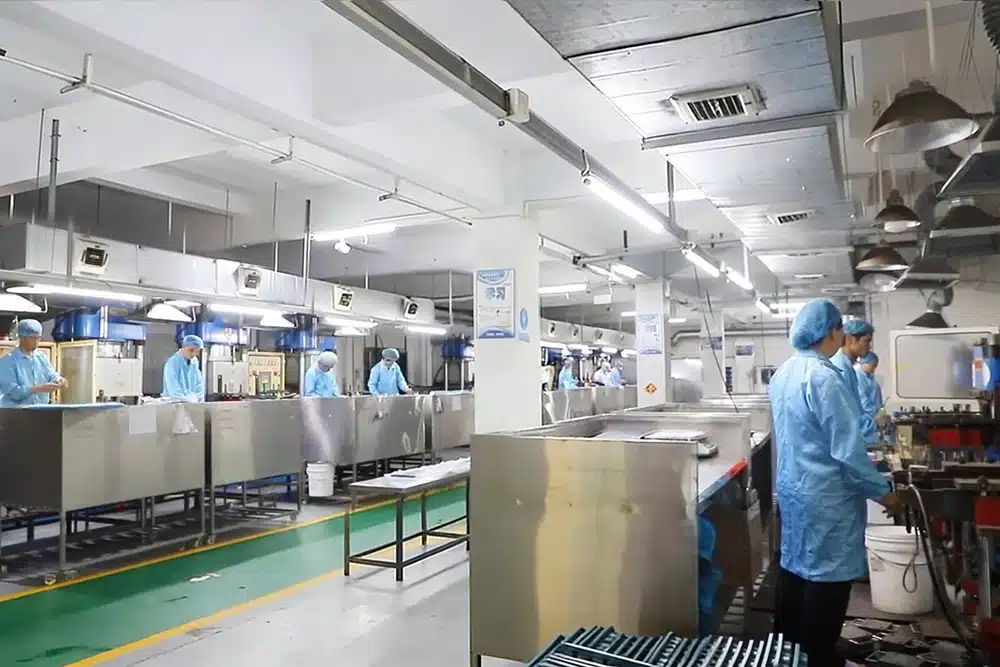
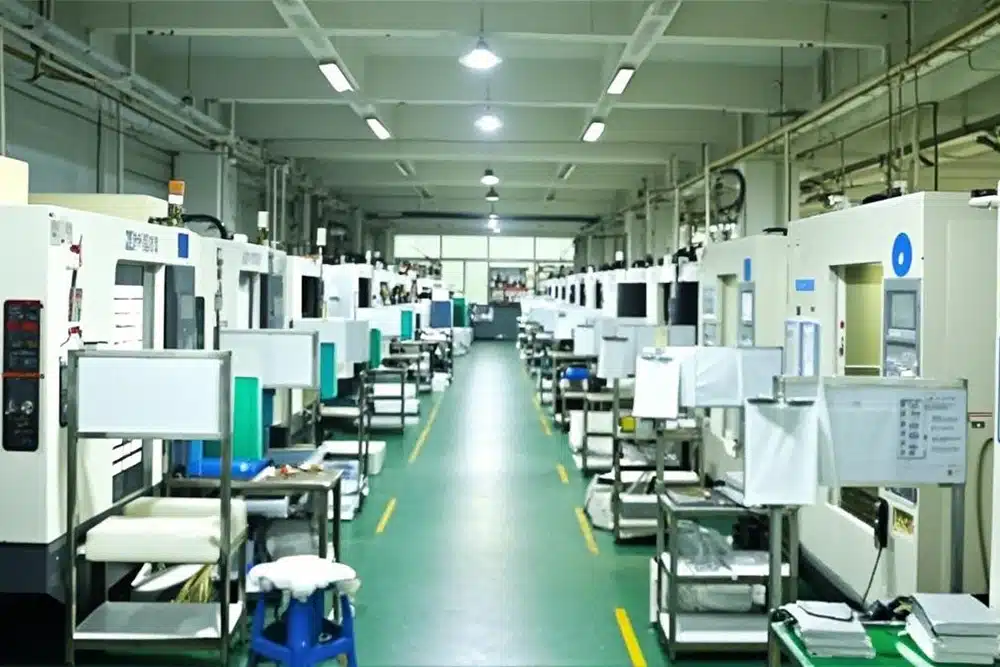
The most ingenious design may have uneven outcomes even when there is a high level of production variation. The dimensional tolerances and curing uniformity, as well as surface finish, and flash control determine the way the seal will behave as a part of heated assembly once installed there.
Precision of the mold and thermal consistency in the process is of particular concern to the design of grooves on heat-exposed silicone seals. Prototyped parts having sealing properties might not be reflective of the performance of volumes of production in case batch-to-batch variation might occur in hardness, shrinkage, or cross-section. Both OEM supply chain and field maintenance reap the benefits of repeat-order consistency.
| Manufacturing Factor | Potential Effect on High-Temperature Seal Performance |
| Dimensional inconsistency | Uneven compression and unstable sealing |
| Cure variation | Changes elasticity and recovery under heat |
| Surface defects | Creates leakage path risk |
| Mold precision | Affects fit and part shape consistency |
| Batch variation | Causes inconsistent long-term performance |
Common Mistakes in High-Temperature Seal Projects
There are some common myths common in high temperature silicone seal applications. The most common method is one that just made the selection of the material based on a temperature rating and weighing nothing on long-term compression set and aging. Other ones are the use of excessive squeeze as a safety margin, secondary consideration given to groove design, or neglecting in-depth tolerance analysis.
Another pitfall is assuming that a short-term heat testing is successful and would ensure the production performance. There are environmental factors other than temperature (including dust, moisture or some exposure to chemicals) that should be considered. Lastly, numerous teams valuelessly undervalue how the slightest variation in the production can impact the field reliability.
| Common Mistake | Likely Result |
| Temperature-only material selection | Poor long-term application fit |
| Overcompression | Faster compression set and reduced service life |
| Weak groove review | Distortion and unstable performance |
| No aging focus | Premature functional decline |
| No production consistency review | Variable field performance |
A Practical Design Review Checklist for Industrial and HVAC Seal Projects
Front-end validation is advantageous to heat-sleep applications. Having engineering, sourcing, tooling, and production groups all aligned prior to the release of molds helps cut down redesign cycles and enhance performance.
The checklist is systematic, and it allows the reflection of the actual operational environment and avoids the possibility of assumptions being balanced into the production.
| Checklist Item | Why It Should Be Confirmed |
| Actual operating temperature range | Guides material and aging decisions |
| Continuous vs intermittent heat exposure | Changes durability priorities |
| Thermal cycling profile | Affects compression and recovery behavior |
| Target compression range | Supports long-term sealing reliability |
| Groove dimensions and tolerance stack-up | Determines real assembled condition |
| Expected service life | Sets durability expectations |
| Dust, moisture, or media exposure | Defines added environmental stress |
| Prototype-to-production consistency | Reduces scale-up risk |
Conclusion — Long-Term Heat Performance Depends on Balanced Seal Design
Shear-victory High heat claim alone does not make silicone seals successful in forming successful high-temperature silicone seals when used in industrial and HVAC applications. Consistent long-term operating performance is achieved through the match of material behavior, compression design, groove control, thermal resistance of aging and manufacturing repeatability with the actual system operating conditions.
Engineers and sourcing teams can achieve substantial leakage-reduction, premature hardening, and field failures by paying attention to temperature profiles, compression strategy, groove geometry, aging characteristics and consistency during the production process in the early design stage. This even-handed strategy enables more dependable acts of performance throughout the entire life of the industrial equipment and HVAC assemblies.