
Silicone has been most appropriate in seal applications where the application requires thermal stability, and environmental resilience as well as long-term use where again material selection should not be based on what is thought or what has been used before to work — especially when developing custom silicone seals.
Silicone is still considered as a default high quality alternative or unnecessary high cost product by many engineering departments. In a sense the two perspectives are both true. Silicone performs only possible in some sealing environments and does not work in others. The distinction lies in the way the seal actually has to work – to material rankings that are generic and to previous habits.
Silicone vs other elastomers in seals is not a discussion of which one is better in all situations. It is a question of aligning material behavior with the special conglomeration of temperature, environment, mechanical requirements, and production realities.
Why Comparing Elastomers by Application Matters More Than Comparing Them by Name
The seals comparison should always commence with the true requirements of the application and not the familiarity or the lowest bid.
Various elastomers were created to address various issues. What works well in one sealing scenario may breakdown in a short time in another. The most desirable elastomer will be that that matches the actual operating conditions, anticipated service life, and manufacturing limitations. Proper silicone material selection is key to making the right decision.
The issue with teams lies in the fact they tend to get in trouble when they compare materials in too broad a manner or when they make generalizations with suppliers. Seal performance is the manifestation of material behavior within a particular system – under the load, time-wise and within actual environment.
| Comparison Factor | Why It Matters in Seal Material Selection |
| Temperature range | Determines whether the material can remain functional in service |
| Environmental exposure | Affects aging, weathering, and long-term stability |
| Compression behavior | Influences sealing force over time |
| Flexibility and recovery | Supports repeated or long-duration sealing performance |
| Chemical contact | Can limit otherwise suitable material choices |
| Manufacturability | Affects production consistency and scalability |
Start with the Real Sealing Requirements Before Comparing Materials
To kick off any silicone vs other elastomers debate, the obvious thing to do is to state the actual sealing problem.
Is the seal dynamic or is it static? Will it be placed outside in the UV and ozone or be kept in a special system? Is it subject to extensive thermal cycling or is it subjected to unvarying high heat, or does it experience extreme low temperatures? Will it get in touch with water, dust, oils, solvents or aggressive chemicals? What will be the service life, and how shall the seal be put together and squeezed up?
Two seals which still resemble almost the same on paper may have very different materials as soon as these conditions are plotted out.
| Sealing Requirement | Why It Changes Material Choice |
| High-temperature exposure | Requires stable thermal performance |
| Outdoor weather exposure | Requires strong UV and ozone resistance |
| Long-term static compression | Increases the importance of recovery behavior |
| Chemical or oil contact | Requires compatibility review |
| Repeated movement or cycling | Changes durability and flexibility priorities |
| Tight dimensional consistency | Increases importance of predictable molding behavior |

When Silicone Has a Clear Advantage in Seal Applications
Where temperature stability, weather resistance, and consistent long term flexibility are more important than other individual properties Silicone usually becomes the material of choice.
Silicone has a significant advantage in applications with large temperature variations or when exposed to the weather due to its elastic characteristics, in comparison to many others. The strong potential to seal effectively under both low temperatures and high temperatures gives it a high degree of flexibility in low temperature and stability in high temperatures so as to keep up the sealing properties in both cases that would harden or work-planed other materials. This consistent behavior in electronics enclosures and in consumer products in many industrial components also translates to dependability of performance over the years. Our detailed comparison of Silicone vs EPDM for Seals highlights these differences.
Silicone often has a useful benefit when appearance, cleanliness, or reliability of retaining its softness is also a key consideration. It is only useful in the measure of its conformity to the application, and nothing more.
In engines that require teams to come up with tailored molded seals, engineered silicone sealing solutions present specific advantages in case of design focus on stability in the environment and extended service coverage.
| Silicone Advantage | Why It Matters |
| Wide temperature stability | Supports use in hot and cold environments |
| Strong weather resistance | Helps maintain performance outdoors |
| Good long-term flexibility | Supports reliable sealing over time |
| Stable elastic behavior | Helps maintain contact in many static applications |
| Clean and adaptable material platform | Useful for many engineered sealing applications |
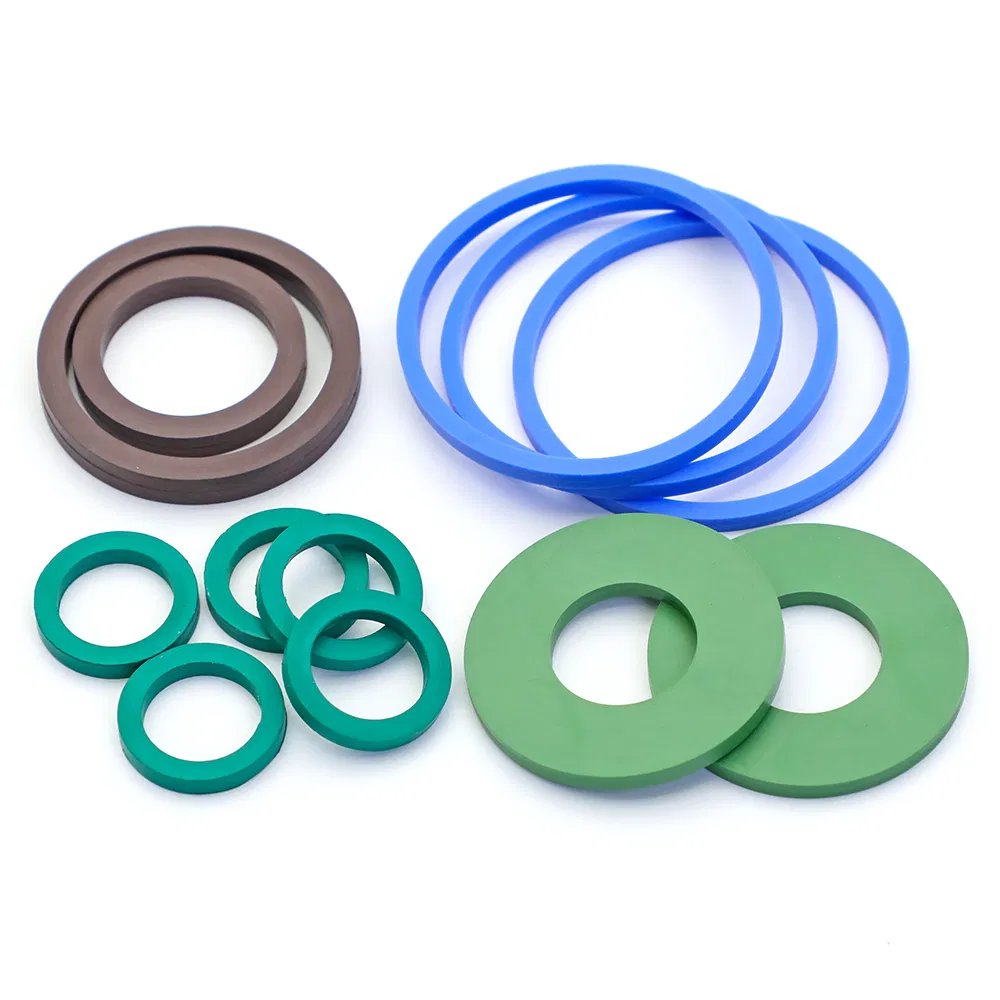
Where Other Elastomers May Be the Better Choice
Silicone must not be chosen by default in case the prevailing requirements trend goes in a different direction.
There are some elastomers that can be more compatible with certain applications in spite of their inability to provide the same wide temperature range as silicone does due to factors such as preferential exposure to certain chemicals or oil. See our comparison of Silicone vs Viton (FKM) for heat and chemical resistance scenarios. When cost is a key consideration in a project, it may be more logical to use a cheap material that is capable of achieving the same sort of performance. With a non-weather-sensitive or unresponsive environment, like where a silicone product is not required, specifying silicone can be merely an unnecessary cost increase without any wider benefits.
The correct question is never Is silicone better? The question is always What material is the best fit to this special sealing problem?
| Material Selection Scenario | Why Another Elastomer May Make More Sense |
| Application dominated by specific chemical exposure | Compatibility may outweigh silicone’s general advantages |
| Highly cost-sensitive projects | Lower-cost materials may meet the requirement adequately |
| Application prioritizes a different mechanical profile | Another elastomer may align better with the design condition |
| Environment does not require silicone’s weather or temperature strengths | Silicone may add cost without adding value |
| Legacy design standardization | Existing validated material may remain more practical |
Temperature, Weathering, and Long-Term Flexibility Are Often the Deciding Factors
One of the most popular reasons why engineers resort to silicone to seals is the temperature range.
Silicone has desirable elasticity at extremely low temperature up to a high continuous high temperature in which many other elastomers tend to harden or become too soft. Its properties of resistance to UV and ozone have been important in outdoor sealing, as the phenomenon of cracking the surface and elasticity loss in most other materials with time does not occur.
Flexibility at low temperatures in conjunction with stability at high temperatures must be considered collectively. The other factor of paramount importance is the ability of the material to maintain its softness and recovery characteristics once months or years in the service. The combination of these attributes often causes silicone to be the longer-term best performer despite other competing materials being reasonably satisfactory in the initial tests.
| Performance Factor | Why Silicone Often Stands Out |
| Heat stability | Helps retain function at elevated temperatures |
| Low-temperature flexibility | Supports contact stability in colder conditions |
| UV and ozone resistance | Improves outdoor durability |
| Long-term softness retention | Helps reduce stiffening over time |
| Stable recovery behavior | Supports longer sealing life in many applications |
Compression Set and Recovery Behavior Should Not Be Ignored in Material Comparisons
Proper comparison of a silicone seal material should not focus on the first hardness and feel. Compression set – the tendency of a material to cease to spring after a long period of compression directly influences the amount of sealing force that will be left after weeks and months or years.
As it is initially soft during assembly it is not a sure sign of how it will perform later. A seal that works so well in testing on the prototype, may leak later under the influence of recovery behavior, once the seal is subjected to heat, cold, or original continuous load. Silicone is often selected where long-term say at a constant level of flexibility and constant contacts are essential but it will still require confirmation within the real groove design and application conditions.
| Material Behavior Factor | Why It Matters for Seal Comparison |
| Compression set tendency | Influences long-term force retention |
| Recovery after load | Affects service life and repeat sealing performance |
| Deformation behavior | Changes how the seal responds to compression |
| Aging under temperature | Influences durability over time |
| Interaction with groove design | Determines real-world assembled performance |

Manufacturability and Production Consistency Also Influence the Right Choice
Laboratory measurements of material properties do not necessarily translate into consistent parts in production.
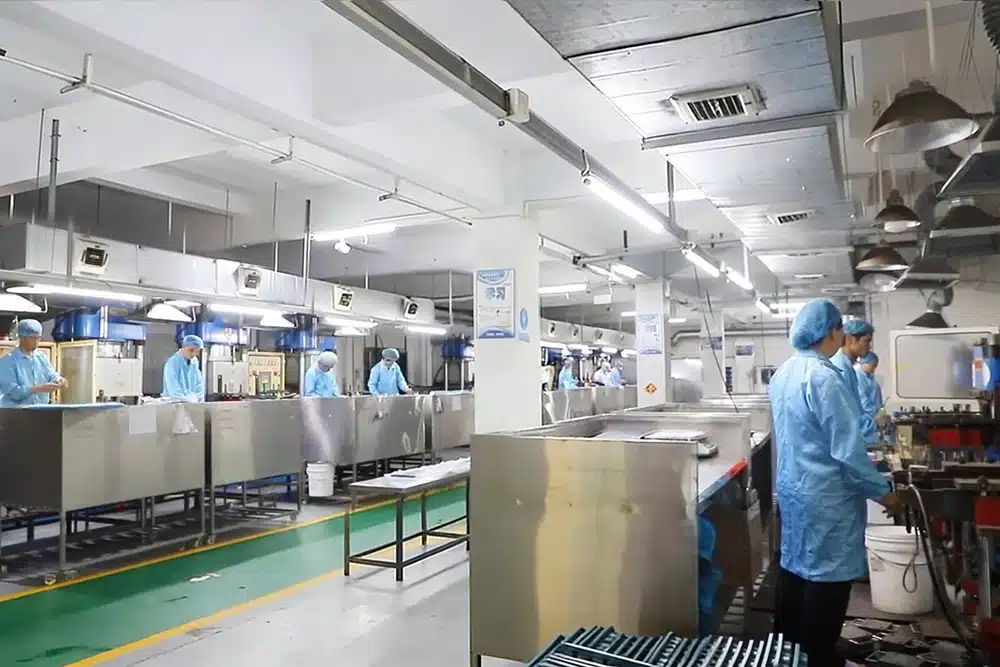
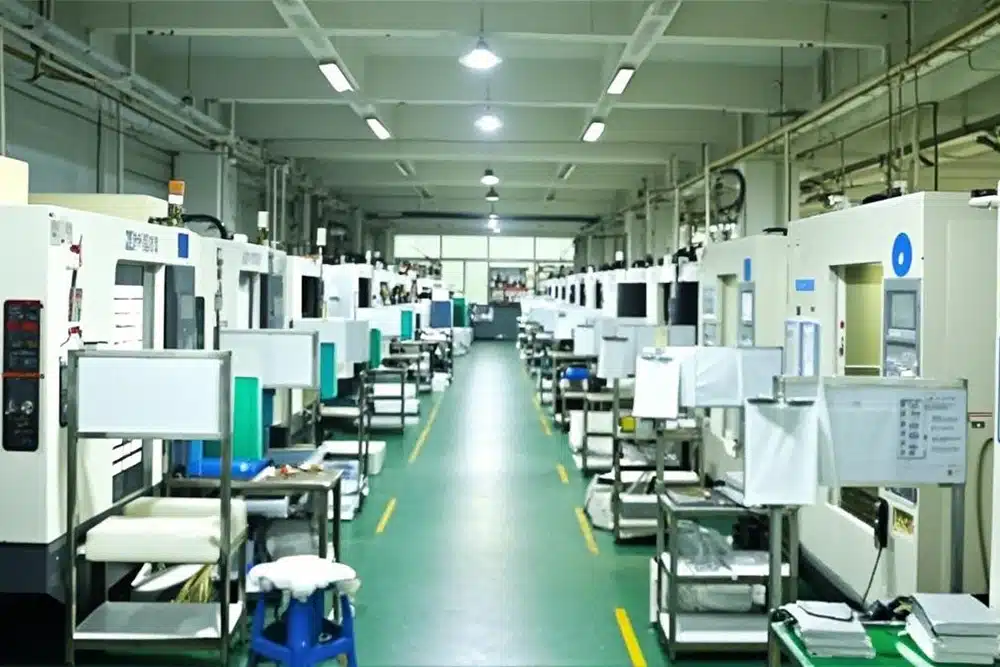
The aspects of curing behavior, shrinkage behavior and dimensional repeatability influence the extent of the reliability of a seal with tolerances in volume production. A prototyping material will result in quality problems and assembly problems down the line as there is high variation between batch-to-batch. The sourcing teams and engineers must thus consider not only the performance of materials when used but also the predictability of the molding at scale — especially with silicone compression molding.
| Manufacturing Consideration | Why It Matters in Material Comparison |
| Processing stability | Supports repeatable molding quality |
| Cure consistency | Affects final elasticity and performance |
| Dimensional repeatability | Influences compression and fit |
| Surface finish quality | Affects contact and sealing consistency |
| Batch-to-batch stability | Supports OEM repeat order reliability |
Common Mistakes When Comparing Silicone with Other Elastomers for Seals
A few common pitfalls still exist in silicone vs other elastomers decisions:
- Using silicone would be the automatic high-end solution of all seals.
- Comparison of costs only without calculating the long-term performance value.
- Testing materials on a single property, like heat resistance.
- Ignoring the impacts of outdoor exposure and aging in the short and long term.
- Disregarding compression set and recovery data.
- Accepting materials relying on a sample feel, or generic data sheets.
- Not to think about how the material will react towards the real groove design and compression conditions.
| Common Mistake | Likely Result |
| One-property comparison | Incomplete material decision |
| Cost-only comparison | Missed long-term performance value |
| Assuming all seal environments are similar | Material mismatch in service |
| Ignoring aging and weathering | Premature field issues |
| No manufacturing review | Inconsistent production results |
| No system-level design review | Weak real-world seal performance |
A Practical Checklist for Deciding Whether Silicone Makes Sense
An organized checklist can assist the teams in abandoning decisions made based on habit and migrating to evidence-based decisions. Our Material Selection Guide: Choosing the Right Silicone for Custom Seals offers additional structured guidance.
These points should be collectively discussed between engineering, design and sourcing groups before deciding on any silicone seal material.
| Checklist Item | Why It Should Be Confirmed |
| Actual operating temperature range | Determines whether silicone’s thermal stability adds value |
| Outdoor UV or ozone exposure | Confirms whether weather resistance is a priority |
| Long-term flexibility requirement | Helps assess silicone’s performance fit |
| Compression set expectations | Supports long-term reliability review |
| Chemical or oil exposure | May shift the decision toward or away from silicone |
| Static or dynamic seal condition | Changes the material comparison logic |
| Production consistency requirement | Supports repeat-order decision quality |
| Total cost vs performance value | Helps evaluate whether silicone is justified |
Conclusion — Silicone Makes Sense When the Application Truly Needs What Silicone Does Well
When the performance advantages of silicone gel are in line with actual sealing requirements, particularly in the area of temperature stability, weather resistance and long-term flexibility, it is the best choice. The correct choice is one that is made by contrasting materials with the actual usage, rather than relying on the notion that a particular elastomer is uniformly superior to the other one.
Silicone is often the best option when the range of temperatures, environmental exposure, and stable elastic behaviour with time are key factors. In other applications, alternative elastomers can provide a more balanced solution. What is important is to have application determine what is to be used as opposed to material preference determining what should be used.