One of the most frequently asked questions we receive from drinkware brands, product developers and sourcing teams is silicone bottle sleeve or neoprene sleeve. Silicone bottle sleeves and neoprene sleeves both help protect bottles and enhance grip, but these sleeves have different product applications. Molded, durable, washable and highly customized protective sleeves are typically made from silicone, while simple covers and lower-structure promotional products are typically created from neoprene.
If the sleeve you are using needs to be durable, washable, molded, and brandable, silicone is typically the better material to go with most custom drinkware brands, while if it is just a simple insulated sleeve or soft fabric style sleeve, then neoprene might still be a viable option. Despite price being a significant factor for many buyers, silicone and neoprene should be evaluated based on the product function, user experience, branding method, cleaning needs, expected product life and manufacturing feasibility.
What Is a Silicone Bottle Sleeve?
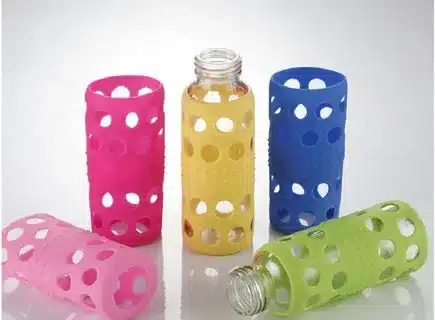
A Silicone Bottle Sleeve is a molded flexible Silicone rubber Sleeve that fits tightly around bottles, cups, tumblers, glass containers, Stainless Steel Bottles, baby bottles, shaker bottles, and other beverage holders.
It offers consistent traction, shock absorption, abrasion resistance, thermal insulation and identity branding via custom shapes, colors, textures and logos. Silicone bottle sleeves are usually selected when the user requires waterproof properties, repeat washability, long life and an exact molded fit that remains even after washings.
Brands who are creating their own sleeves for glass bottles, tumblers or stainless steel bottles may find it easier to work with a manufacturer who offers custom silicone bottle sleeve solutions, custom silicone bottle sleeve solutions can help simplify material selection, mold development, logo customization, and mass production.
Here’s a quick reference:
| Item | Explanation |
| Material | Flexible silicone rubber |
| Manufacturing Method | Usually compression molding or related silicone molding process |
| Best For | Molded bottle sleeves, drinkware grips, glass bottle protection, branded reusable products |
| Common Features | Anti-slip grip, waterproof surface, flexible fit, custom color, molded logo |
| Typical Applications | Glass bottles, stainless steel bottles, tumblers, shaker bottles, baby bottles, cup sleeves |
What Is a Neoprene Bottle Sleeve?
Neoprene bottle sleeves typically consist of a neoprene foam which may be coated on the outside with fabric.
It is soft, lightweight, flexible and is mainly used for promotional sleeves, fabric style drinkware accessories, insulated bottle covers and can coolers. Neoprene sleeves are also typically not molded into a three-dimensional form, but are sewn or stitched into the shape instead. These may be able to be used to support printing patterns and colorful designs, but may not have the same molded grip, waterproof surface or exact structure as silicone.
When the insulation and soft tissue qualities outweigh the molded shape and long lasting surface qualities, neoprene can be useful.
Here’s a quick reference:
| Item | Explanation |
| Material | Neoprene foam, often with fabric lamination |
| Manufacturing Method | Cutting, sewing, stitching, printing, and lamination |
| Best For | Insulated covers, can coolers, soft bottle pouches, promotional sleeves |
| Common Features | Soft feel, lightweight body, fabric-like surface, printable exterior |
| Typical Applications | Sports bottles, beer can coolers, promotional drink sleeves, simple insulated covers |
Silicone Bottle Sleeve vs. Neoprene Sleeve: Quick Comparison
However, it is important to compare silicone and neoprene based on their function in the product rather than the names of the materials. A quick side-by-side comparison makes it easier to determine if a material meets your needs before delving into the details.
| Comparison Factor | Silicone Bottle Sleeve | Neoprene Sleeve |
| Material Structure | Solid flexible silicone rubber | Foamed synthetic rubber with fabric surface |
| Fit & Shape | Molded fit, suitable for custom shapes | Soft sewn fit, usually less structured |
| Durability | Strong resistance to repeated use, washing, and daily handling | Good flexibility, but fabric surface may wear over time |
| Water Resistance | Waterproof and easy to wipe clean | Foam core resists moisture, but fabric surface may absorb water |
| Grip Performance | Strong anti-slip grip, especially with texture design | Soft grip, but usually less tacky than silicone |
| Insulation | Moderate heat/cold protection depending on thickness | Often better for soft insulation |
| Branding Options | Embossed, debossed, molded logo, printing, laser engraving | Full-color fabric printing and stitched labels |
| Cleaning | Easy to rinse, wipe, or wash | May require drying time after washing |
| Appearance | Clean, molded, modern, premium | Soft, fabric-like, casual |
| Best Use Case | Durable branded sleeves, glass bottle protection, premium drinkware | Insulated promotional sleeves and simple soft covers |
Which Material Is Better for Bottle Protection?
Neoprene provides primarily soft cushioning and insulation, versus silicone providing primarily structural protection.
A silicone wrap that is used to secure around the bottle and can help to minimize impact damage. May be configured with thicker areas, ribs, raised patterns and reinforced edges. Silicone is particularly useful in the case of glass bottles, as it is able to minimize surface impact and slipping. Neoprene offers cushioning, and can move more easily depending on sleeve design. Neoprene may be effective for the entire bottle but is not the best choice for exact molded protection. Silicone may offer a more reliable protection for high-end glass bottle sleeves and reusable drinking solutions.
| Protection Need | Better Choice | Reason |
| Glass bottle impact protection | Silicone | Molded fit and flexible cushioning help reduce direct impact |
| Anti-slip grip | Silicone | Textured silicone provides strong surface friction |
| Full soft bottle covering | Neoprene | Fabric-style structure can cover larger surface areas |
| Edge or base protection | Silicone | Molded thickness can be added where protection is needed |
| Lightweight travel sleeve | Neoprene | Soft and foldable structure is easy to carry |
| Long-term reusable protection | Silicone | Better resistance to washing, stretching, and daily handling |
Which Material Is Better for Branding and Customization?
Silicone and neoprene provide different branding options, which is why branding is important and will depend on how you want your logo or design to look and last.
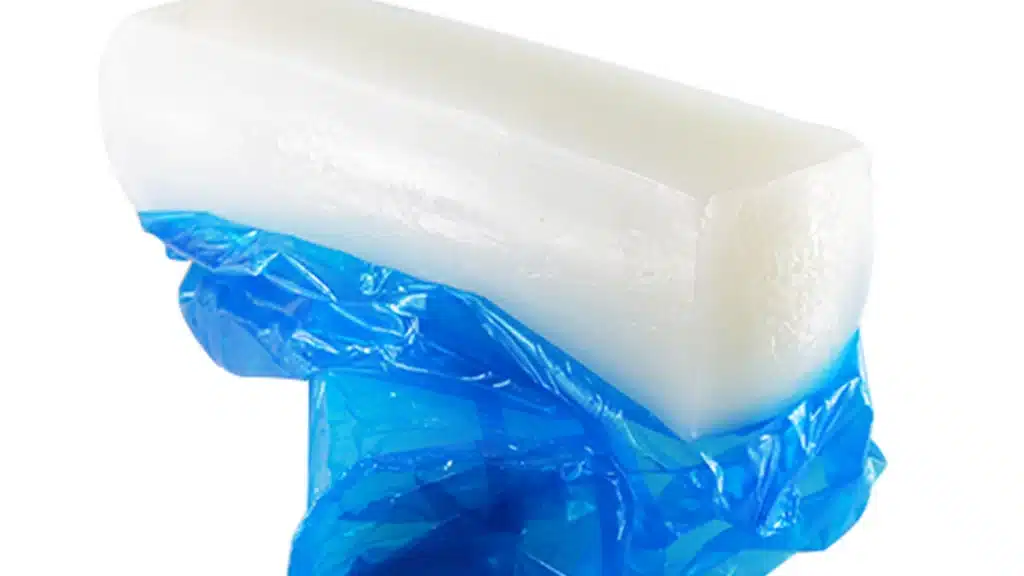
Customization choices range from custom molded shape to Pantone colour matching, embossed or debossed logo, silk screen printing, laser engraving, textured grip patterns, matte/glossy/soft touch surface and multi-colour silicone moulding. The full-color fabric printing, sublimation printing, sewn labels, zipper/strap/stitched accessories and pattern-based visual designs are available as options for customization of neoprene.
Silicone is generally tougher if the brand desires a professional, high-end, long-lasting logo design built into the product. In cases of full surface colourful graphics, fabric patterns or event giveaways, neoprene can be useful for the brand.
| Branding Requirement | Silicone Sleeve | Neoprene Sleeve |
| Molded logo | Excellent | Not suitable |
| Embossed/debossed branding | Excellent | Not suitable |
| Full-color graphic printing | Limited depending on process | Strong |
| Pantone color matching | Strong | Depends on fabric and printing |
| Premium molded appearance | Strong | Moderate |
| Promotional graphics | Moderate | Strong |
| Long-term logo durability | Strong | Depends on print and fabric wear |
Durability, Cleaning and Daily Use: Silicone vs. Neoprene
Cleaning and durability are also key factors for reusable drinkware products as sleeves are used on a regular basis.
Silicone is waterproof and is typically easy to rinse, wipe or wash. Do not absorb water as do surface materials of fabric. When appropriately designed, silicone can withstand repeated bending and stretching. Fabric surfaces may bleed, take up stains or odors or take time to dry, while neoprene offers soft comfort. Depending on usage, Neoprene can wear at seamed edges or printed areas. Cleaning and durability are significant factors that can influence user satisfaction with children’s bottles, gym bottles, outdoor drinkware, and reusable glass bottles.
| Daily Use Factor | Silicone Bottle Sleeve | Neoprene Sleeve |
| Water exposure | Easy to rinse and wipe | Fabric surface may stay wet |
| Stain resistance | Generally easier to clean | Fabric may stain more easily |
| Odor retention | Lower risk when cleaned properly | May retain odor if not dried |
| Edge wear | Molded edges are seamless | Sewn edges may wear over time |
| Stretch recovery | Good when material and thickness are selected correctly | Good flexibility but may loosen with use |
| User feel | Smooth, grippy, solid | Soft, padded, fabric-like |
Insulation Performance: Is Neoprene Always Better?
While neoprene is a good choice for soft insulation, it is not the only thing customers should consider when purchasing insulation.
Neoprene foam structure can be used to reduce the transfer of heat. It is frequently employed in making can coolers and soft insulated bottle covers. Depending upon product design, sleeve coverage, and thickness, silicone can provide some heat or cold insulation. If there are other attributes besides insulation that are more important such as anti-slip grip, water proof cleaning or molded protection then silicone is frequently the better choice. Even though neoprene offers more padded insulation, silicone might still be a better option for hot drink cups, baby bottles, and reusable bottle grips. This selection depends on the preference of the person purchasing the item, so it is up to the buyer to choose between insulation, grip, cleaning, protection or brand.
| Buyer Priority | Recommended Material | Explanation |
| Maximum soft insulation | Neoprene | Foam structure helps slow heat transfer |
| Easy cleaning after daily use | Silicone | Waterproof surface is easier to rinse and wipe |
| Hot cup grip | Silicone | Offers stable grip and heat buffer depending on thickness |
| Cold bottle condensation grip | Silicone | Helps reduce slipping from moisture |
| Event giveaway can cooler | Neoprene | Lightweight and printable |
| Premium reusable drinkware sleeve | Silicone | Better molded structure and long-term appearance |
Cost and MOQ Considerations for Buyers
The unit price is not the only criterion for cost.Consider project type rather than unit price when evaluating cost.
Typically, silicone bottle sleeves need mold development, resulting in an initial tooling cost. Silicone may be more economical for reorder, brand, and consistent OEM. For simple shapes, neoprene sleeves might have smaller tooling barriers. The neoprene is useful for motivational items that are more basic. Silicone is a better solution where a long term value of the product, durability, molded fit, and brand identity are all factors that will justify the tooling expense. Comprehend and compare the value of the purchase rather than just the first order cost.
| Cost Factor | Silicone Bottle Sleeve | Neoprene Sleeve |
| Tooling cost | Usually required for custom molded designs | Lower for simple cut-and-sew designs |
| Unit cost | Depends on material, weight, mold cavities, and quantity | Depends on fabric, printing, sewing, and quantity |
| MOQ | Often influenced by material color, mold setup, and production efficiency | Often influenced by fabric, printing, and sewing setup |
| Best for repeat orders | Strong | Moderate to strong |
| Best for simple promotional runs | Moderate | Strong |
| Long-term brand value | Strong for premium molded products | Strong for colorful promotional graphics |
Which Sleeve Material Fits Different Product Types?
The best sleeve material depends heavily on the final product category.
| Product Type | Recommended Material | Reason |
| Glass water bottles | Silicone | Better grip, impact protection, and molded fit |
| Stainless steel bottles | Silicone | Adds grip, color, and brand identity |
| Tumblers | Silicone | Suitable for base sleeves, grip bands, and molded designs |
| Baby bottles | Silicone | Easy to clean and soft to hold when suitable material is selected |
| Sports shaker bottles | Silicone | Anti-slip grip and durable daily use |
| Coffee cups | Silicone | Heat buffer and reusable grip |
| Beer can coolers | Neoprene | Soft insulation and full-color printing |
| Event giveaways | Neoprene or silicone | Depends on budget and branding style |
| Premium retail drinkware | Silicone | Stronger molded appearance and long-term use value |
When Should You Choose a Silicone Bottle Sleeve?
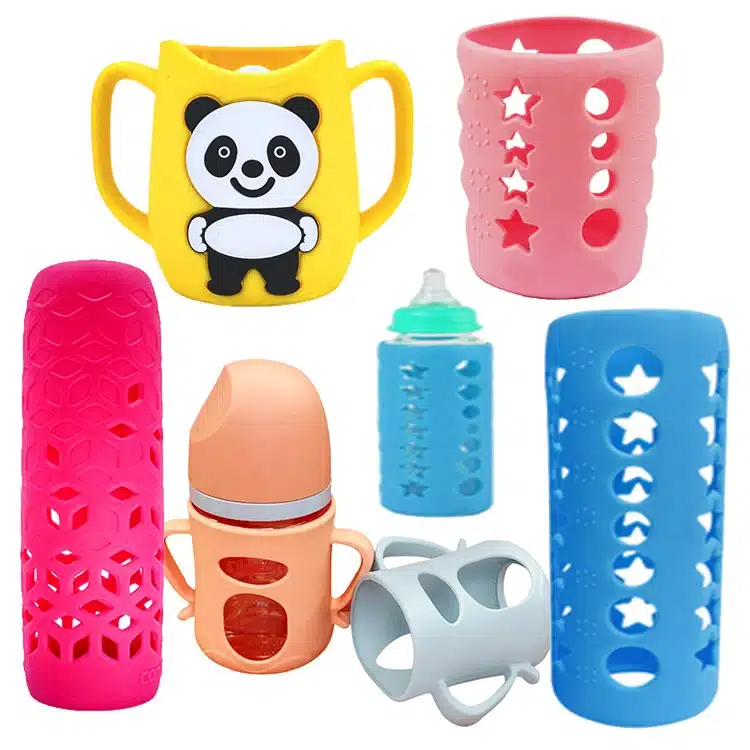
When the structure, durability, cleaning requirements and branding of the product is important silicone is generally the preferred choice.
| Choose Silicone When You Need | Why It Matters |
| Molded fit | Helps the sleeve stay secure around the bottle |
| Anti-slip grip | Improves user handling and product safety |
| Easy cleaning | Supports daily reusable drinkware |
| Molded branding | Creates durable, integrated logo effects |
| Premium product feel | Supports retail and brand positioning |
| Long-term production | Works well for repeat OEM orders |
When Should You Choose a Neoprene Sleeve?
Neoprene continues to be a viable product application in certain situations.
| Choose Neoprene When You Need | Why It Matters |
| Soft insulation | Foam structure helps slow temperature transfer |
| Full-color graphics | Fabric surface supports printed patterns |
| Lightweight sleeve | Useful for simple promotional use |
| Can cooler design | Common material for beverage can holders |
| Foldable cover | Easier to pack or carry |
| Event giveaway product | Works well for short-term promotional campaigns |
Common Mistakes Buyers Make When Comparing Silicone and Neoprene
Sometimes, even seasoned sourcing managers miss out on something that makes their life difficult after the fact.
| Mistake | Better Approach |
| Choosing based only on price | Compare durability, cleaning, branding, and product positioning |
| Ignoring bottle shape | Confirm sleeve fit with drawings or actual samples |
| Assuming all sleeves protect the same way | Evaluate material, thickness, coverage, and grip design |
| Forgetting cleaning requirements | Consider how users will wash and dry the sleeve |
| Treating logo method as an afterthought | Choose branding process during product design |
| Skipping sample testing | Approve fit, feel, logo, and color before mass production |
How to Decide Between Silicone and Neoprene for Your Project
Investigating the decision in terms of product goals and expectations of the target market.
Use this practical checklist:
| Question to Ask | Why It Matters |
| What bottle material is used? | Glass, stainless steel, and plastic bottles may need different protection |
| Is protection or insulation more important? | Silicone is stronger for molded protection; neoprene is stronger for soft insulation |
| Does the sleeve need a precise molded fit? | Custom silicone molding is better for complex fit requirements |
| How often will users clean it? | Silicone is easier to rinse and wipe |
| What branding style is needed? | Silicone supports molded logos; neoprene supports full-color fabric graphics |
| Is the product for retail or promotion? | Retail products may require higher durability and finish quality |
| What order volume is expected? | Volume affects tooling decisions and unit cost |
| Is a sample available? | A real bottle sample helps confirm fit before mass production |
How to Choose a Manufacturer for Custom Bottle Sleeves
The selection of the right manufacturer should rely on the material expertise, product development assistance, mold ability, customization capability, quality control, and exporting experiences.
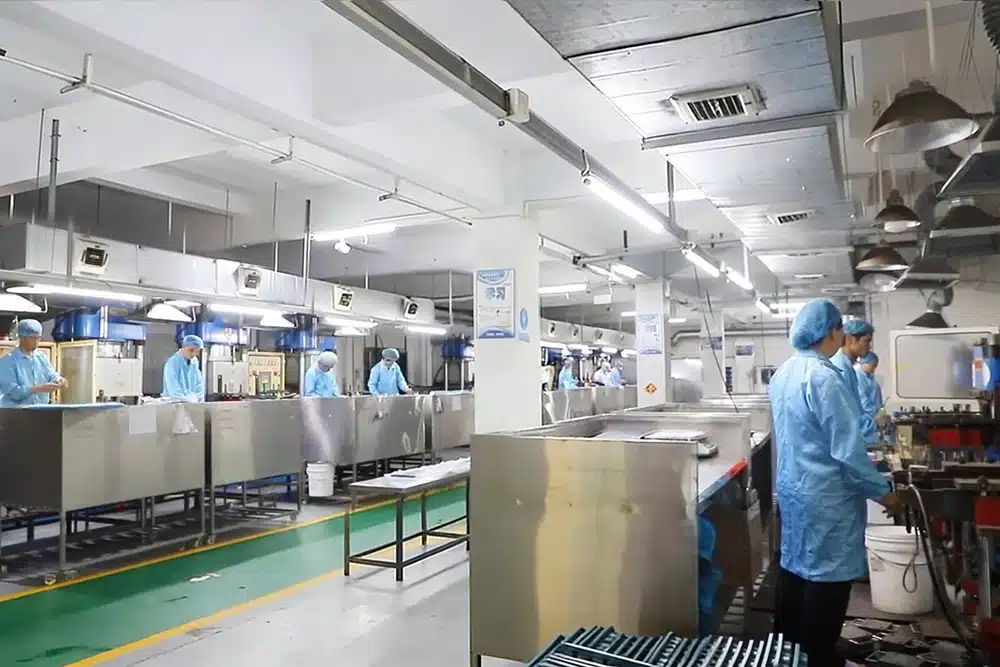
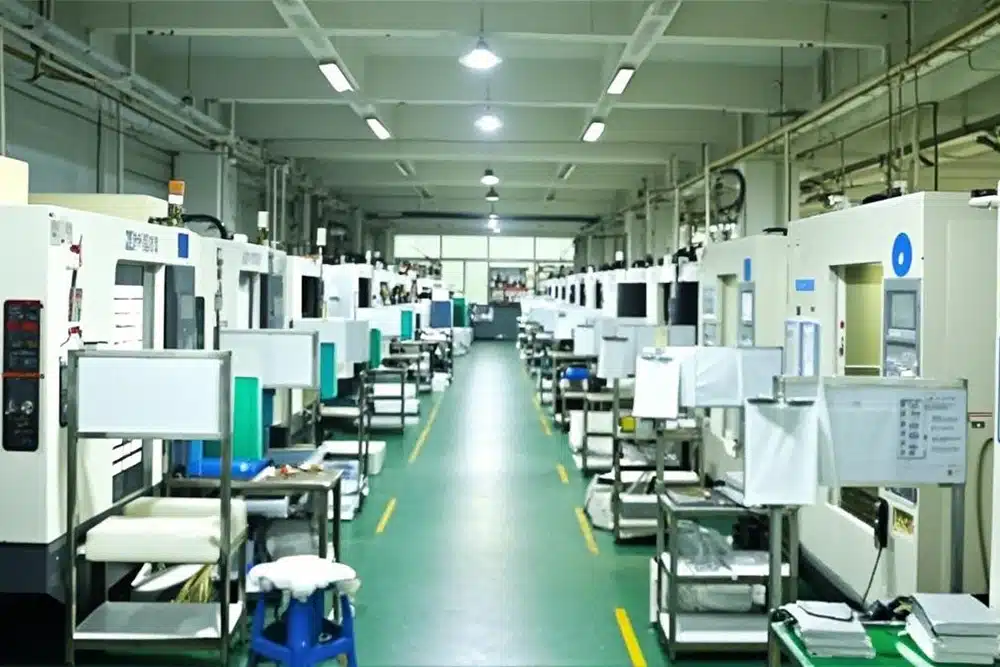
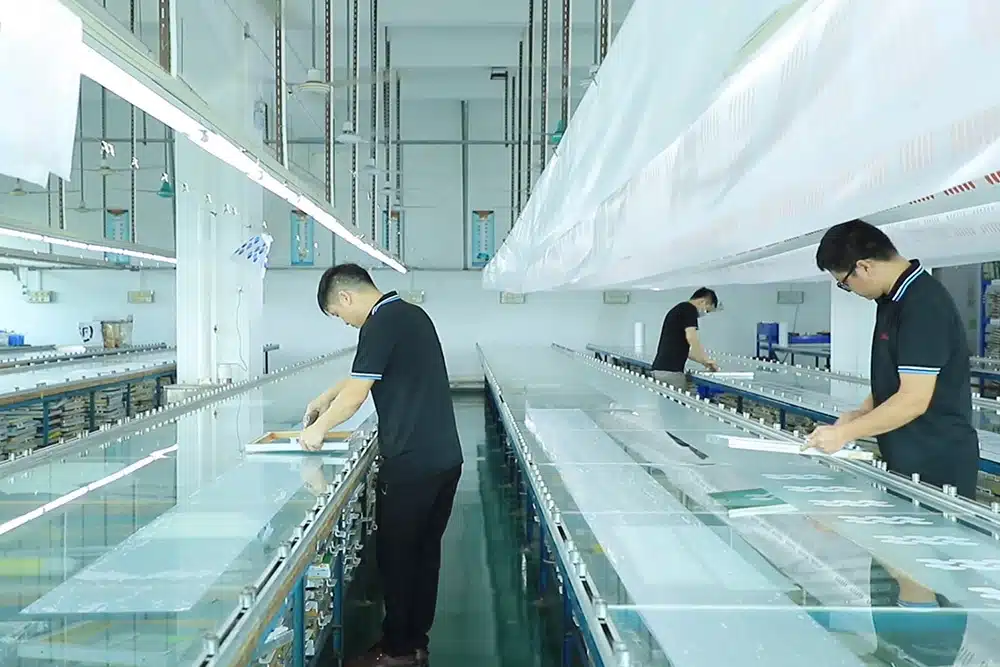
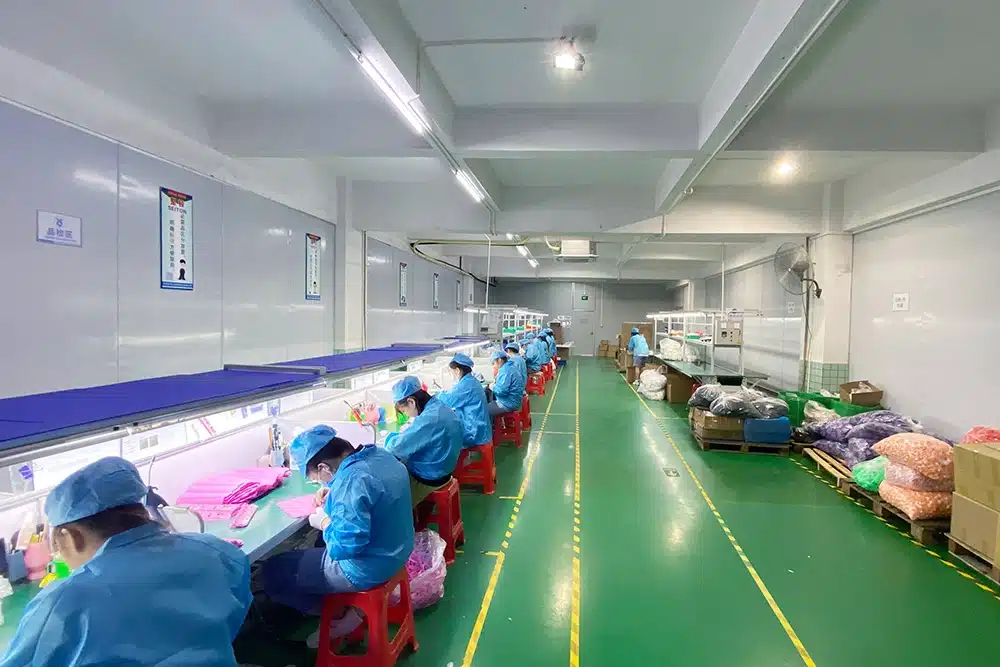
They should provide the custom silicone product manufacturing experience, OEM/ODM silicone sleeve development, silicone material selection support, provide in-house mold design and tooling, compression molding capability, OEM/ODM logo customization (silk screen, laser engraving, embossing, debossing, surface finishing), silicone assembly and packaging support, and strict quality control from material inspection to finished product testing. These features guarantee the quality, accelerate development and delivery for global brands.
| Manufacturer Capability | Why It Matters |
| Material selection support | Helps match silicone hardness, feel, safety, and performance to the application |
| Mold design and tooling | Determines sleeve fit, shape, thickness, logo effect, and production stability |
| Silicone molding capability | Supports repeatable production for custom sleeve designs |
| Surface finishing options | Improves grip, appearance, branding, and user experience |
| Sample development | Allows buyers to approve fit, color, texture, and logo before mass production |
| Quality inspection | Reduces risks related to size variation, poor finish, or weak logo durability |
| Packaging support | Helps prepare products for retail, wholesale, or ecommerce channels |
| Export experience | Supports smoother communication, documentation, and delivery planning |
Conclusion — Choose the Sleeve Material Based on Product Goals
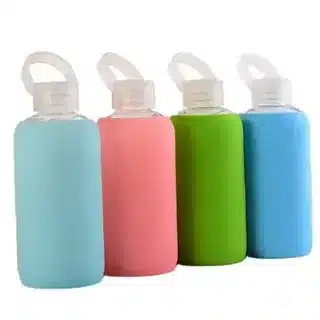
Silicone bottle sleeves and neoprene sleeves are both highly helpful, but cannot be substituted for each other. Silicone is typically a preferred material for molded protection, anti-slip grip, easy cleaning, high-quality drinkware, glass bottle sleeves, stainless steel bottle sleeves, and durable branding. Neoprene can be applied to soft insulation applications, fabric graphics, can coolers and basic promotional sleeves.
The unit price should not be the only factor for the buyer to take into account with the complete product goal. The first decision point is the actual application of the product, and whether it is silicone or neoprene must be determined by that. When a sleeve must guard a glass bottle, provide a better grip, allow for a molded brand, and be easily cleaned after use, silicone is often the more durable option. Neoprene may be better for the primary purpose of soft padding, graphics or a light commercial or promotional cover. Spending the time to select material that fits your needs, fits your requirements, can help you achieve better performance, happier end users and a better brand value.