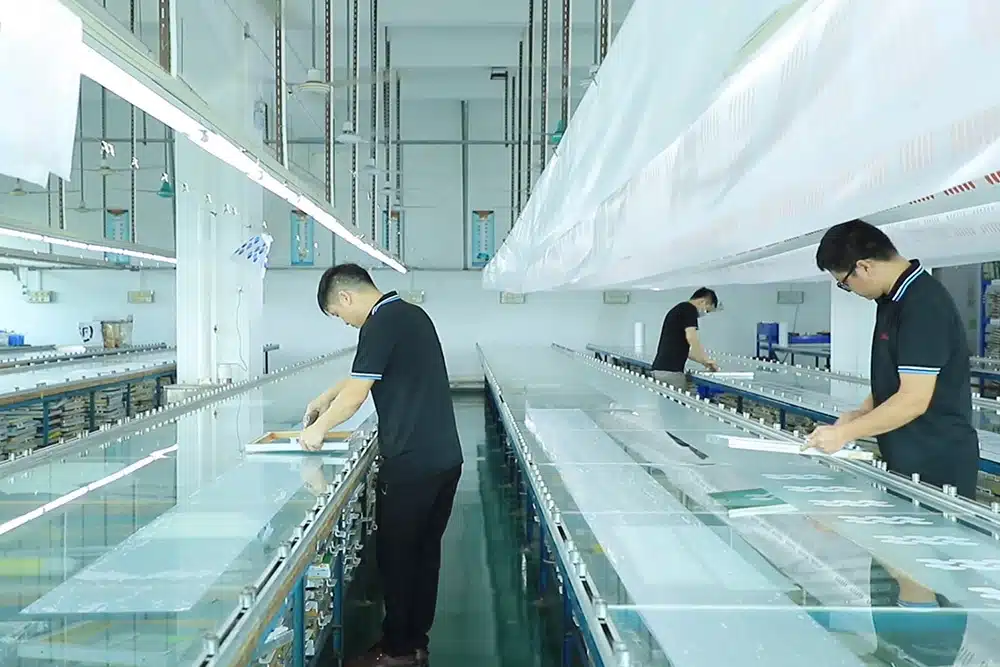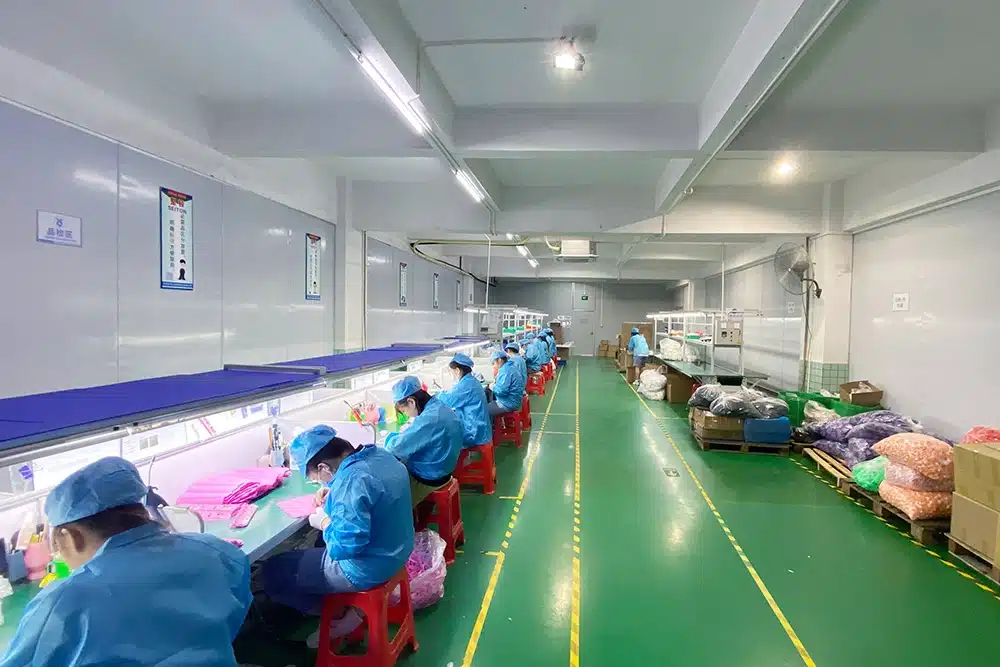

Silicone products do not simply have surface finish: the surface texture of a mold is designed to create durability, user experience and production consistency that has a direct impact on durability, user experience and consistency of production in the end.
The primary surfaces finishes of silicone parts can be matte (low reflectivity), gloss (high shine), soft-touch (velvety haptic feel), and other secondary finishes (e.g. a protective coating or an anti-dust coating). In most instances, these are prepared in mold cavity by position liken means of polishing, texturing or etching as opposed to post-molding. Secondary finishes provide specific characteristics but add parameters such as adhesion and abrasion.
The effects of a surface finish include aesthetics (light reflection, appearance) and durability (abrasion resistance, dirt adhesion, cleanability). To understand the broader commercial and functional importance, read our article on why surface finishing matters in custom silicone parts.There is a widespread myth stating that finish is applied on top of moulding, as a paint; however, in the majority of cases surface finish in silicone is produced by the texture of the mold itself. The ultimate surface appearance of silicone parts is much decided even before production, at the mold texture and finishing step. Our expert silicone surface finishing services cover mold texturing, polishing, and secondary coatings to achieve consistent, high-quality results.
How Silicone Surface Finish Is Created
Silicone surface texture is mainly specified in mold making where the preparation of cavity surface is the determinant of the replication of microscopic features in the cured silicone.
The degree of polishing of a mold cavity may go down to mirror-polishing (to produce gloss) to moderate roughness (to create a matte or textured appearance). Techniques include:
- Mirror polishing – This is done with diamond polishing or polishing in high grit stones, producing a smooth, glass surface.
- Chemical etching -Creates smooth fine textures on delicate silicone finish that is matte.
- Sandblasting / bead blasting – Removes a random micro-roughness, typical of matte or grip-enhancing finishes.
- Texture machining / EDM – – The texture finishes can have very fine patterns, but due to cost is not used on large surfaces.
- Secondary coatings – Coatings applied after the process of molding through spray plate or through the use of a dip to give the silicone surface a soft feel or a protective layer.
| Method | Surface Result | Durability Impact | Cost Impact |
| Mirror polishing | Glossy | High | Medium |
| Sandblasting | Matte | High (integrated) | Low |
| Chemical etching | Fine texture | High | Medium |
| Spray coating | Soft-touch or specialty | Medium | Higher |
Mold-based finishes (matte or gloss) are better and more consistent in mass production than coatings, which may differ depending on the thickness of application and the process of drying.
Surface texture in case of secondary processes such as silicone printing methods has to be compatible so that the ink adheres to the base finish without damaging it.
Matte Finish for Silicone Parts

One of the most commonly used finishes that is the most stable is a matte silicone finish which is a direct replica of the texture of the mould and causes minimum variation across production cycles. Explore more silicone surface finishing options including printing, coatings, and engraving.
It is produced mostly through sandblasting, bead blasting, or chemical etching of the mold cavity, which builds micro-roughness which scatters light and makes the mold less reflective. Such a style conceals small flaws in the process of molding such as subtle flow lines more successfully than gloss.
Matte surfaces have been used successfully in consumer products, such as handles, grips, or baby objects, where it is important to have less fingerprint visibility and a better perceived grip — making them ideal for custom silicone sleeves and similar applications.
| Feature | Evaluation |
| Appearance | Low reflectivity |
| Grip | Improved |
| Dirt visibility | Reduced |
| Durability | High (integrated finish) |
Due to the fact that the texture is molded-in, matte silicone finish looks uniform after many years of use, and there is low risk of the texture losing its gloss due to wear.
Gloss Finish for Silicone Parts
Glossy silicone molding is based on a highly polished mold cavity, which is most typically accomplished by progressive diamond buffing or polishing with fines stones in order to produce a reflective surface that uniformly reflects light.
This finish is appropriate on decorative or high appearance items, including some consumer electronics accents or clear silicone bottles, where clarity is an important factor to perceived quality.
But the gloss shows the scratches and prints of fingers more easily, so glosses have to be handled with a lot of care during assembly and end-use.
| Feature | Evaluation |
| Appearance | High gloss |
| Scratch visibility | Higher |
| Cleaning ease | Easy |
| Cost | Slightly higher mold prep |
The gloss is very cleanable, though will require stricter control of the process to prevent uneven Shine caused by wear of the moulds or the lack of even polishing.
Soft-Touch Finish and Specialty Coatings

Soft silicone surface is a material applied to achieve a low friction/velvety tactile sensation that improves the user feel in long contact points such as grips or handles. For a deeper look at how soft-touch finish impacts user experience and product value, see our dedicated guide.
One of the differences between the soft-touch and mold-textured finishes is that instead of being mold textured, the soft-touch is usually accomplished through secondary spray coating (usually polyurethane or silicone-based) and then allowed to cure. This provides a thin, flexible coating alternating surface properties of the base silicone.
Other types of specialty coating involve UV-protective, anti-dust or low-friction; these are applied in the same manner.
Although the coating is effective with haptics, they carry risks: there becomes a risk of wear overtime, lower abrasion properties than integrated textures, and difficulty with adhesion in case surface preparation is improper.
| Finish Type | How Achieved | Risk |
| Soft-touch coating | Spray + curing | Wear over time |
| UV coating | Protective layer | Adhesion control |
| Anti-dust coating | Surface treatment | Maintenance |
The structure of substrates (cleanliness, uniformity of thickness) and exposure to the environment is crucial in coating durability, and this cannot be matched with the mold-based finishes.
How Surface Finish Affects Durability and Cleanliness
The finish of the surface has direct impact on long-term performance under real world condition.
Abrasion resistance is usually better with textures of a mat differing type; this is because the abrasion force is distributed by the micro-roughness out of contact; gloss may demonstrate an earlier appearance of wear due to scratches breaking up the reflection pattern. Soft coatings can be used at the expense of feel, and oil/dust adhesion differs – a matte finish will capture the fingerprints better, a glossy one will need to be washed off.
The inherent properties of silicone make aging resistance good in all finishes, yet the coating may wear out more easily when exposed to the UV or chemicals.
| Finish | Abrasion Resistance | Fingerprint Resistance | Cleaning Ease |
| Matte | High | Good | Moderate |
| Gloss | High | Lower | High |
| Soft-touch | Medium | Good | Moderate |
The engineers are expected to do testing of finishes in the cycle they are supposed to operate under to achieve balance between aesthetics and functional life.
DFM Considerations for Silicone Surface Finish

DFM on surface finishes begins at the early stage: to achieve repeatability, the mold texture decisions should be made with reference to the part geometry.
The depth of the texture should be adjustable to provide- excessively deep texture causes problems demoulding off or will not fill in enough; excessively thin texture will achieve nothing positive. The draft angles should also allow the textured surfaces to avoid the drag marks. The shrinkage of the material (2-3% is common with silicone) can modify the perceived depth of texture to the extent that it does not change the final appearance, prototypes confirm this.
The abrasive media wear caused by abrasive media moulding or high cycle production modifies the texture slowly and influences uniformity.
| DFM Factor | Why It Matters |
| Draft angle | Protect texture integrity |
| Uniform thickness | Avoid distortion |
| Mold polishing consistency | Surface uniformity |
| Venting | Prevent texture defects |
Early design-tooling interaction eliminates expensive redesign of molds. This is especially important when developing custom silicone parts where surface finish directly affects performance and perceived quality.
Common Surface Defects and Prevention

Disposed texture variation or shine variation is commonly caused by inconsistency in preparing the mould or variations in the process used.
Flow marks are wavy lines that are formed by uneven cooling or filling of material- more distinct on gloss. The causes of coating peeling have been attributed to poor adhesion through contamination or poor priming.
Prevention is concerned with means of maintenance of moulds, the consistency of processes and material preparation.
| Defect | Root Cause | Prevention |
| Texture inconsistency | Mold wear | Regular inspection |
| Flow marks | Improper filling | Process control |
| Coating peel | Poor adhesion | Surface prep |
| Shine difference | Uneven mold polish | Consistent tooling |
These problems are reduced in the production through regular inspection of molds and maintenance of controlled curing parameters. Our rigorous quality control processes ensure consistent surface finishes across every batch.
Conclusion — Surface Finish Is Mold Engineering in Disguise
Finally, it stands to reason that the most stable and reliable surface finishes of silicone are delivered through accurate mold engineering and not so much based on post-process finishes.
The appearance, grip, and durability are predetermined by the texture of the molds, whereas the application of coating is to be considered against a possible risk of wear or adhesion. DFM focuses on logic planning early: geometry, shrinkage, long-term use: in this way, rework is prevented and production stability ensured.
Engaging surface finish as a component of tooling design, the engineers obtain predictable outcomes which fulfill the aesthetic goals as well as the functional requirements.