
Materials & Silicone Selection for Custom Silicone Products
Choosing the right silicone material is one of the most important steps in developing a reliable custom product. The right formulation depends on your application, required hardness, operating environment, compliance needs, surface finish, and production method.
Choose Silicone with Confidence
At Dongguan HT Silicone & Rubber Co., Ltd., we help customers select silicone materials based on real product requirements, not guesswork. Whether you are developing a soft-touch consumer product, a sealing component, a food-contact item, or a custom molded industrial part, material selection affects product performance, durability, appearance, and manufacturing efficiency.
Our engineering team evaluates each project based on application conditions, hardness range, temperature exposure, compliance expectations, and molding process. This allows us to recommend a material solution that supports both functional performance and production feasibility.
Common Silicone Material Options
Different custom silicone products require different material systems. In general, silicone selection starts with the product's use case, then narrows by required performance, compliance level, and suitable processing method.
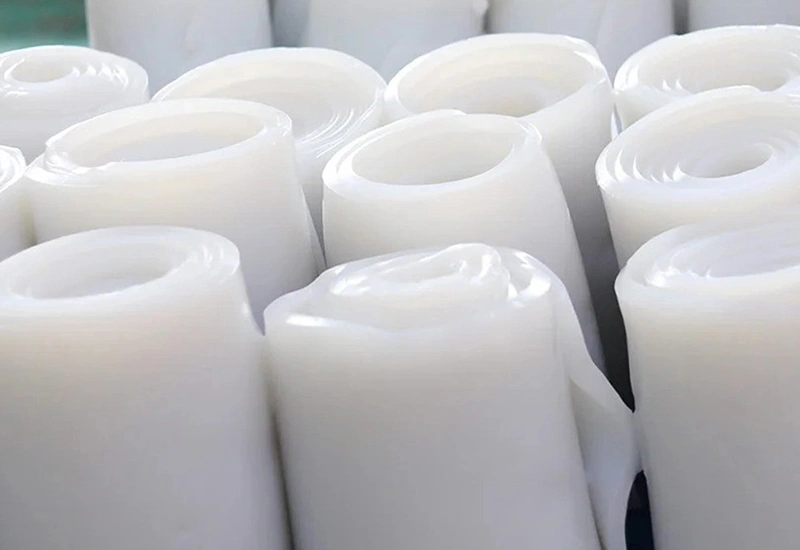
Solid Silicone Rubber
Solid silicone rubber is commonly used for compression molded parts, seals, gaskets, and many custom industrial or consumer products. It is often selected when a project requires reliable mechanical performance, design flexibility, and cost-effective molding for medium to high-volume production.
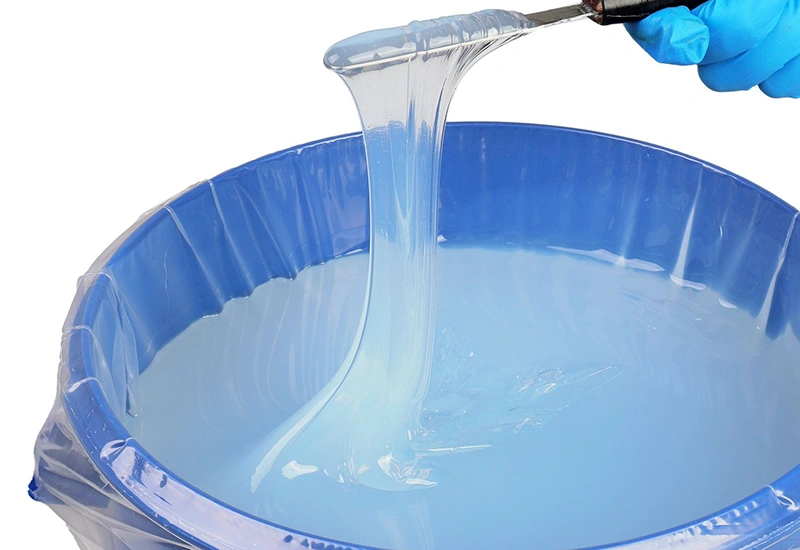
Liquid Silicone Rubber (LSR)
Liquid silicone rubber is well suited for precision molded parts, complex geometries, and applications that demand consistent part quality. It is often preferred for products that require automated production, tight tolerances, and high repeatability.
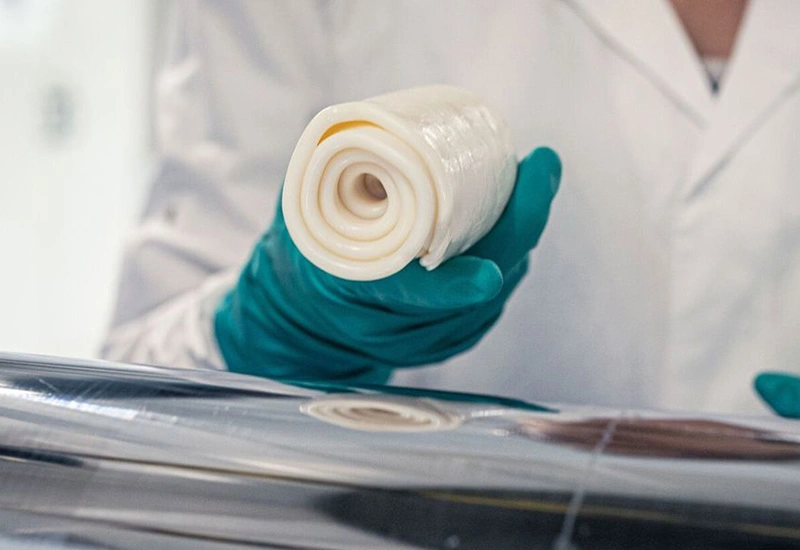
Special Application Silicone
Depending on the product, silicone materials may also be selected for food-contact, personal care, high-temperature, or other specialized applications. Material selection should always match actual performance requirements and product use conditions.
How to Select the Right Silicone Material
Choosing the right silicone material should follow a structured process. Application environment, target properties, process compatibility, and cost all influence which material is the best fit for a custom product.
Define the Product Application
Start with the actual use of the product. A silicone part designed for sealing, skin contact, food contact, insulation, cushioning, or decorative use will have very different material priorities.
Evaluate the Operating Environment
Temperature range is one of the most important selection factors because it directly affects material performance and long-term durability. UV exposure, ozone, moisture, oils, chemicals, and repeated mechanical stress should also be considered early in product development.
Determine Required Material Properties
The next step is to match the product with the material properties that matter most. These may include hardness, flexibility, tear strength, compression set resistance, dimensional stability, and surface feel.
Confirm Compliance Requirements
Material selection should also reflect the compliance expectations of the target market and end use. Food-contact and medical-related products often require stricter consideration of purity, safety, and relevant testing standards.
Match the Material with the Manufacturing Process
A suitable silicone material should also fit the planned manufacturing method. Production process and material choice are closely connected, especially when the project involves compression molding, liquid silicone molding, fine details, or post-processing requirements.
Hardness and Performance Considerations
Hardness is one of the most frequently discussed factors in silicone selection because it affects flexibility, sealing behavior, user feel, deformation resistance, and processability. The right hardness depends on the balance between comfort, function, and durability in the final application.
| Factor | Why It Matters | Selection Guidance |
|---|---|---|
| Hardness | Affects flexibility, touch, and sealing response | Softer grades are often used for comfort and compression; harder grades are more suitable for structural stability |
| Temperature Resistance | Influences durability in hot or cold environments | Match the material to the expected operating and peak temperature range |
| Tear Strength | Important for repeated use and thin-wall parts | Consider higher tear resistance where parts may be stretched, bent, or handled frequently |
| Compression Set | Critical for sealing performance over time | Lower compression set is usually preferred for gaskets and sealing parts |
| Chemical and Environmental Resistance | Affects stability in real-world use | Check exposure to oils, UV, ozone, moisture, and cleaning agents early in selection |
| Surface Feel and Appearance | Influences user experience and product finish | Select materials that also support your texture, finish, and branding goals |
Material Selection by Industry
Different industries prioritize different material characteristics. A silicone formulation that works well for a kitchen product may not be the best option for an automotive seal or a personal care component.
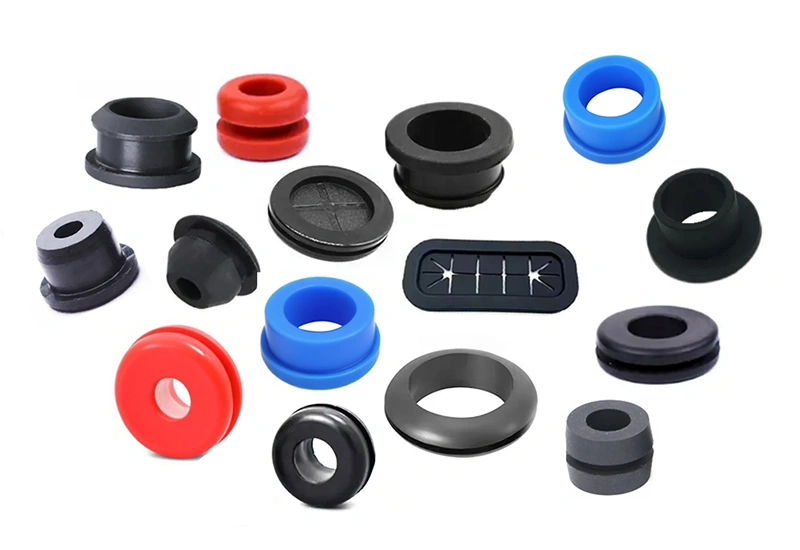
Automotive Applications
Automotive silicone components often need resistance to temperature variation, environmental exposure, and long-term durability.
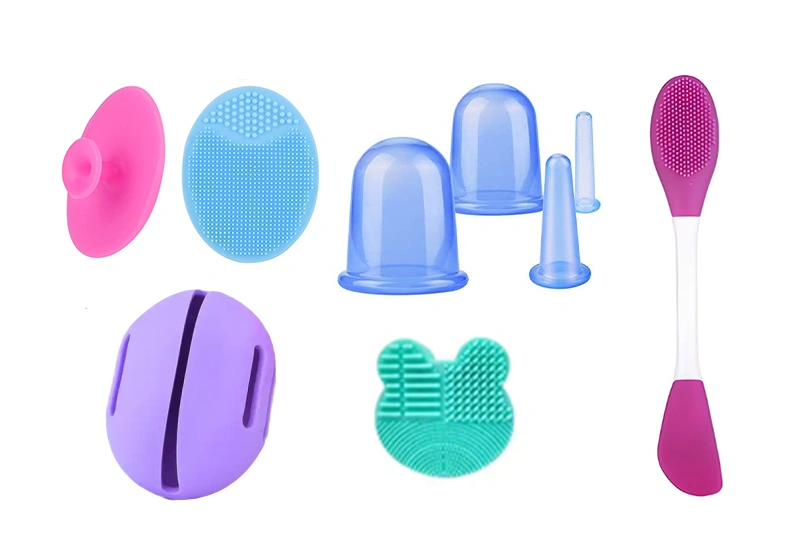
Personal Care Products
Personal care products usually require a balance of softness, skin contact comfort, durability, and visual quality.
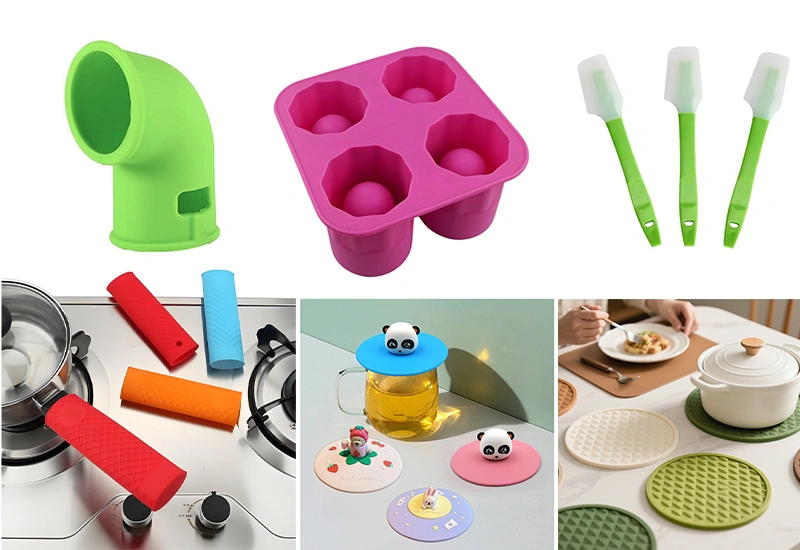
Home and Kitchen Products
Kitchen and home-use silicone products often emphasize food-contact suitability, heat resistance, ease of cleaning, and user-friendly touch.
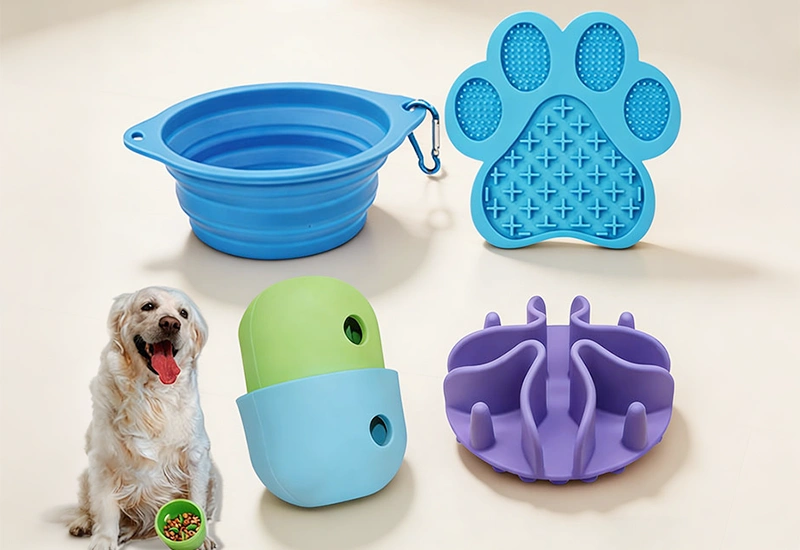
Pet Products
Pet silicone products may require softness, flexibility, tear resistance, and good long-term performance under repeated handling.
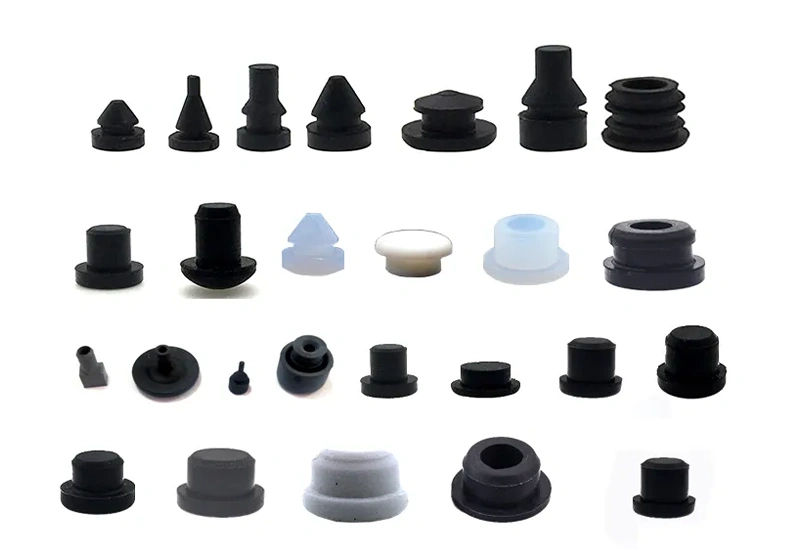
Industrial Components
Industrial silicone parts are often selected for sealing, insulation, protection, or cushioning roles.
Compliance and Safety Considerations
For regulated or safety-sensitive products, compliance should be discussed at the beginning of the project rather than after tooling starts. This helps avoid delays and supports better material planning from the development stage.
Depending on the application, customers may need support for food-contact materials, skin-contact considerations, or documentation related to RoHS, REACH, or other customer-specified requirements. Material recommendations should always reflect the actual market, product use, and compliance scope involved in the project.
Material Selection and Surface Finish Compatibility
Silicone material selection should not be separated from appearance and finishing requirements. Surface finish, printed graphics, spray coating, and laser marking can all be influenced by the chosen material, hardness, and part design.
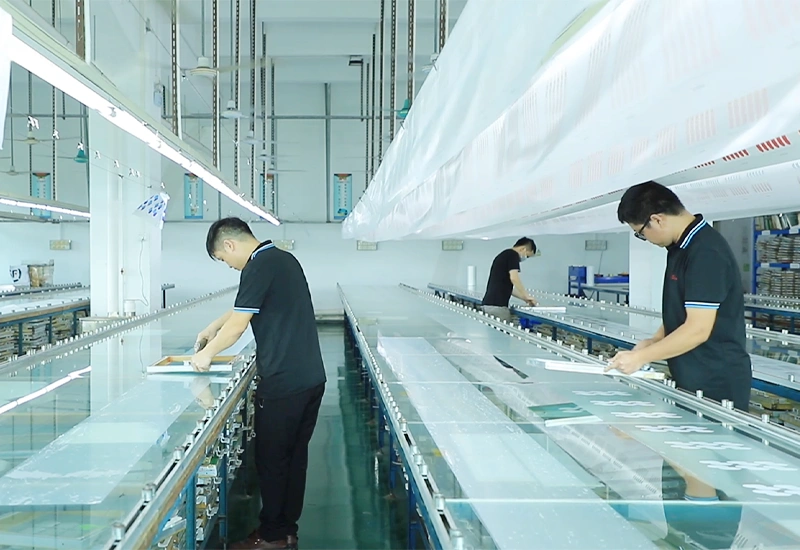
Silk Screen Printing
Suitable for adding logos, patterns, and text to silicone surfaces with precise color matching and durable adhesion.
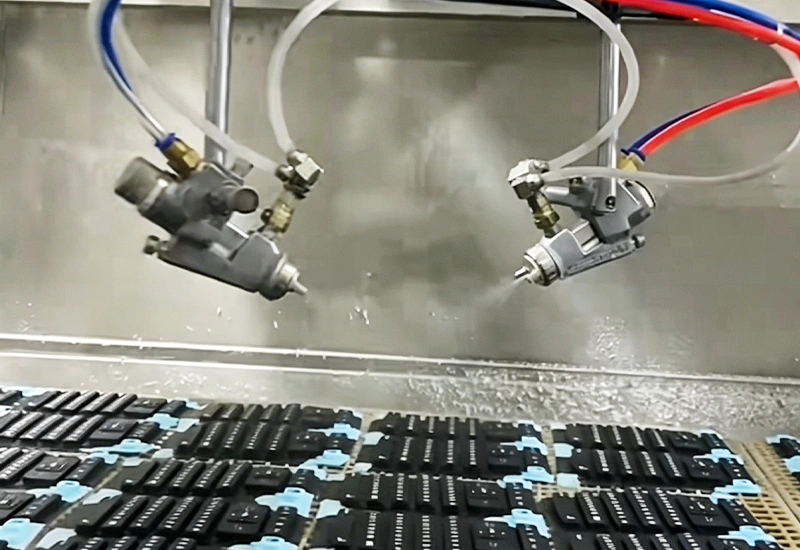
Spray Coating / Oil Finish
Enhances surface texture, provides a smooth or matte feel, and improves dust resistance for consumer-facing products.
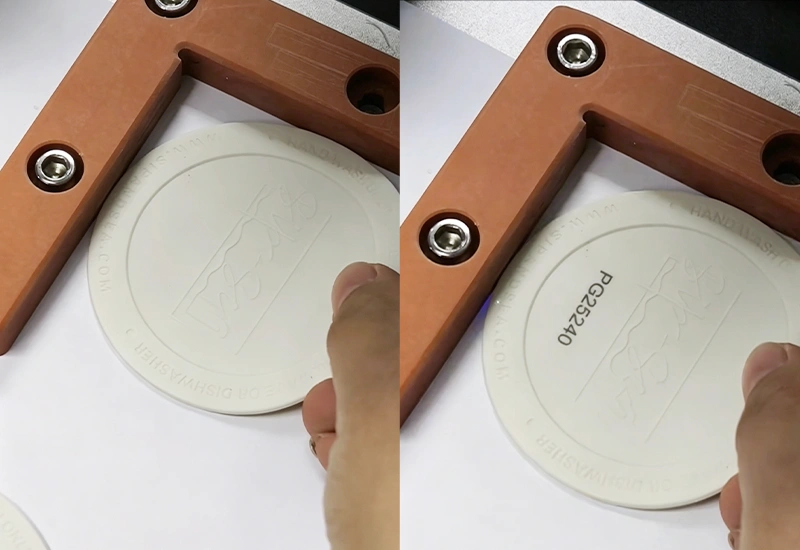
Laser Engraving
Creates permanent markings and fine details on silicone parts, ideal for branding, serial numbers, and functional indicators.
Engineering Support from Concept to Production
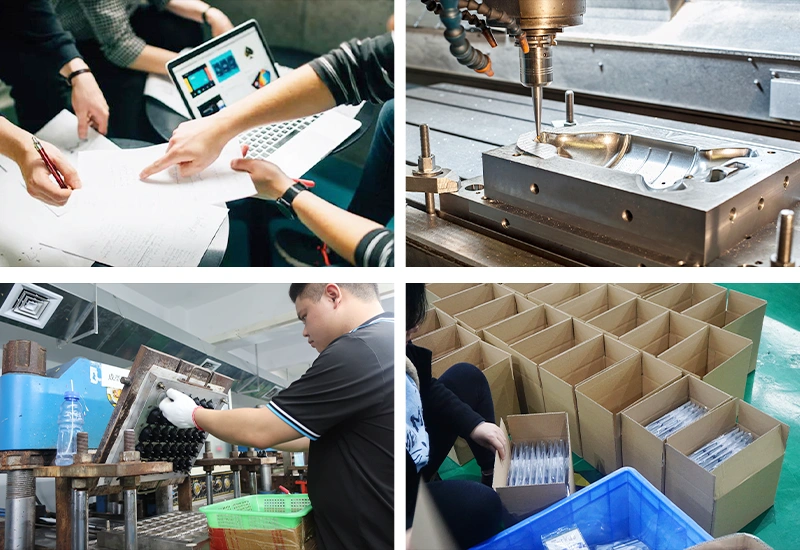
We support customers through the full development process, from early design discussion and material selection to tooling, sampling, production, and finishing. This integrated approach helps reduce trial-and-error during development and improves the efficiency of custom silicone product manufacturing.
Our team works with OEM and ODM customers across a range of industries and helps align material selection with real manufacturing conditions. Instead of recommending a one-size-fits-all solution, we focus on choosing silicone materials that fit the part design, application target, and production plan.
Frequently Asked Questions
Need Help Choosing the Right Silicone Material?
Tell us about your product idea, target use, hardness preference, compliance needs, or manufacturing goals. Our team can help you evaluate suitable silicone materials and recommend a practical path from development to production.
Talk to Our Engineers