
Specialized pet products that are made to withstand the heat of food, hot water, dish washing, sunlight, outdoor use and multiple cleanings are also made from silicone. Unlike the traditional silicone product, they are specifically designed to resist thermal stress, considering material stability, formulations, and design. When it comes to choosing a brand, importer, and retailer, the right one can help limit returns, bolster marketing claims and ensure a consistent experience for pet and owners every day.
There are a number of concerns regarding the performance of silicone pet products when they are heated and not all of these are equal from product to product, including grade of silicone, curing, wall thickness, geometry and testing. The silicone itself is not the only factor that makes a pet product heat resistant; the right material, the right geometry, stable molding, curing and testing for the intended use environment are also essential. If you are aware of these factors at an early stage, you’ll save a lot of costs while producing your software and also in its development.
What Are Heat-Resistant Silicone Pet Products?
Silicone pet products that are heat resistant are specially designed items that can withstand temperature changes that are typical in pet feeding, cleaning, traveling, outdoor activities and more without compromising the safety or durability of the product.
Heat resistant silicone should first be considered in terms of actual use, cleaning procedures, the choice of heat resistant silicone material, and product geometry when designing heat resistant silicone pet products like bowls, lick mats, feeding mats, travel accessories, and grooming tools.
| Item | Explanation | Product Type |
| Silicone pet accessory designed for temperature-related use conditions | Accessories built to withstand warm food, hot water, dishwashing, sunlight, outdoor travel, and repeated cleaning | Pet bowls, feeding mats, lick mats, bottle covers, grooming tools, treat toys |
| Heat Exposure Sources | Warm food, hot water, dishwashing, sunlight, outdoor travel, repeated cleaning | Varies by product application |
| Key Performance Factors | Material grade, curing quality, wall thickness, geometry, colorants, testing | Affects long-term shape stability and safety |
| Buyer Focus | Temperature range, safety, durability, deformation resistance, and documentation | Critical for private label and OEM projects |
Why Heat Resistance Matters for Pet Products
In the pet industry, the ability to resist the heat is very important, as daily usage can often mean exposure to fluctuating temperatures which can impact performance, safety and customer satisfaction.
| Use Scenario | Why Heat Resistance Matters |
| Warm Food Contact | Helps maintain shape and surface stability during feeding |
| Hot Water Rinsing | Reduces risk of deformation or odor release during cleaning |
| Dishwasher Use | Requires material and design review before making dishwasher-safe claims |
| Outdoor Travel | Products may face sun exposure and elevated surface temperatures |
| Car Storage | Enclosed spaces may expose products to higher heat |
| Repeated Cleaning | Heat cycles can affect shape, color, and long-term durability |
| Retail Claims | Temperature claims must match actual testing and use conditions |
Which Silicone Pet Products May Need Heat Resistance?
When it comes to silicone pet products and heat performance there are no single definitive answers as it relies on the intended use, cleaning and storage requirements of the silicone product.
| Product Type | Heat-Related Consideration |
| Silicone Pet Bowls | May contact warm food or hot water during cleaning |
| Silicone Lick Mats | May be washed frequently or used with warm wet food |
| Feeding Mats | May be cleaned with hot water or placed in warm environments |
| Treat-Dispensing Toys | May contact food and require repeated washing |
| Bottle Covers | May be used outdoors or stored in bags or cars |
| Travel Bowls | May experience folding, outdoor use, and cleaning cycles |
| Grooming Accessories | May contact warm water, shampoo, or bath environments |
| Cleaning Tools | May be exposed to hot water and detergents |
| Outdoor Pet Accessories | May face sunlight, heat, and temperature cycling |
How Silicone Material Selection Affects Heat Resistance
The correct choice of silicone materials is required, but also formulation, processing and additives have an impact on heat resistance.
| Material Factor | Why It Matters for Heat Resistance |
| Silicone Grade | Different formulations can have different temperature performance |
| Curing System | Proper curing helps improve stability and reduce odor |
| Food-Contact Material | Important for bowls, lick mats, and treat toys |
| Pigments / Colorants | Must remain stable under intended use conditions |
| Fillers / Additives | Can affect flexibility, color, odor, and heat behavior |
| Shore A Hardness | Influences flexibility, deformation, and structural stability |
| Material Documentation | Helps buyers verify technical and safety expectations |
| Testing Scope | Confirms whether the material meets the intended use scenario |
Product Design Factors That Influence Heat Performance
The geometry and structure of a product have an effect on heat resistance, apart from being a property of the material.
| Design Factor | Heat-Related Risk If Ignored |
| Wall Thickness | Thin or uneven areas may deform more easily |
| Large Flat Areas | May warp if material and design are not stable |
| Collapsible Structure | Folding zones need flexibility and heat-cycle durability |
| Raised Edges | Poorly designed edges may curl or deform |
| Texture Depth | Deep textures may trap residue and affect cleaning |
| Stress Points | Heat and repeated use may increase tearing risk |
| Fit Tolerance | Covers or sleeves may loosen or become difficult to install |
| Logo Area | Deep logos may collect residue or create weak points |
| Surface Finish | Must remain stable after washing or heat exposure |
Understanding Temperature Claims: What Buyers Should Verify
Never assume temperature claims, but only make these claims based on material data and product-specific testing and based on actual use conditions.
| Claim / Requirement | What Buyers Should Verify |
| Heat-Resistant | Temperature range, exposure time, and test method |
| Dishwasher-Safe | Material, design, deformation, color, and odor after cycles |
| Hot Water Safe | Shape stability and odor under repeated rinsing |
| Outdoor Use | UV, heat, color stability, and aging conditions |
| Food-Contact Use | Relevant material and product testing for target market |
| Microwave / Oven Use | Only claim if the product design and testing support it |
| Long-Term Durability | Heat cycling, aging, flexibility, and deformation checks |
Quality Control Checklist for Heat-Resistant Silicone Pet Products
Good QC ensures uniformity of all batches of production, especially those which may need to withstand heat and cleaning.
| QC Item | What to Check | Why It Matters |
| Material Documentation | TDS, MSDS, test reports, or supplier certificates | Supports technical and compliance review |
| Shore Hardness | Consistency between sample and mass production | Affects flexibility and deformation resistance |
| Odor | Unusual smell before or after heat exposure | Important for feeding and pet care products |
| Dimensions | Size, thickness, fit, and critical functional areas | Ensures consistency after molding |
| Wall Thickness | Uniformity in flat, folded, or stressed areas | Reduces warping or tearing risk |
| Heat Exposure Test | Shape, color, odor, and flexibility after heat exposure | Helps verify performance for intended use |
| Dishwasher / Hot Water Test | Deformation, odor, residue, and color stability | Important if such claims are made |
| Flash / Edges | Excess material or rough trimming marks | Affects comfort and retail quality |
| Color Consistency | Shade variation between sample and mass production | Supports brand presentation |
| Packaging | Cleanliness, labeling, quantity, and protection | Reduces shipment and retail issues |
Manufacturing Process for Heat-Resistant Silicone Pet Products
Making quality silicone pet products that are heat-resistant requires attention to detail, from needs to final inspection.
| Process Step | What Happens | Why It Matters |
| Requirement Review | Product use, cleaning method, and target market are discussed | Helps define temperature and material requirements |
| Temperature Requirement Confirmation | Buyer confirms heat exposure conditions and claims | Prevents unsupported performance assumptions |
| Material Selection | Silicone grade, hardness, and colorant system are selected | Affects heat resistance, odor, and durability |
| Design Review | Wall thickness, flat areas, folds, and stress points are evaluated | Reduces deformation and tearing risks |
| Mold Fabrication | Tooling is made based on approved design | Determines shape accuracy and production stability |
| Molding | Silicone is formed into the final product shape | Controls dimensions, thickness, and appearance |
| Curing Control | Production conditions are managed for material stability | Helps improve odor and performance consistency |
| Sample Testing | Samples are checked under intended use conditions | Reduces risk before mass production |
| Final Inspection | Appearance, dimensions, hardness, odor, and function are checked | Helps ensure batch consistency |
| Packaging | Products are packed for retail, ecommerce, or wholesale channels | Protects products and supports brand presentation |
Heat-Resistant Silicone vs Plastic and Rubber Pet Products
When creating pet products that might come in contact with heat, buyers will compare silicone to other materials.
| Factor | Silicone Pet Products | Plastic Pet Products | Rubber Pet Products |
| Heat Resistance | Often better than many common plastics when properly selected | Varies greatly by plastic type | Depends heavily on rubber formulation |
| Flexibility | Good flexibility and rebound | Usually rigid or semi-rigid | Flexible depending on compound |
| Cleaning | Smooth silicone can be easy to rinse | Easy to wipe but may deform under heat depending on material | May retain odor depending on material |
| Odor | Can be low-odor with proper curing | Usually low but varies | Some rubber materials may have stronger smell |
| Food-Contact Use | Suitable grades can be selected | Depends on plastic type and additives | Depends on compound and certification |
| Design Flexibility | Supports textures, folds, sleeves, bowls, mats, and toys | Good for rigid shapes | Good for flexible products but formulation-dependent |
| Cost | Usually higher than basic plastic | Often lower for simple products | Varies by material and process |
What Buyers Should Prepare Before Requesting a Quote
A full description of the project will help manufacturers to recommend materials, tooling, costs and testing.
| Information to Prepare | Why It Helps |
| Product Type | Defines whether it is a bowl, mat, toy, cover, or grooming tool |
| Use Scenario | Helps determine actual heat exposure risk |
| Temperature Range | Supports material and testing selection |
| Exposure Time | Short-term and long-term exposure may require different evaluation |
| Cleaning Method | Helps determine hot water or dishwasher requirements |
| Food-Contact Requirement | Important for bowls, lick mats, and treat toys |
| 3D File or Sample | Allows accurate engineering and mold review |
| Material Requirement | Helps select suitable silicone grade |
| Hardness Requirement | Affects flexibility, stability, and deformation resistance |
| Color Requirement | Supports Pantone matching and heat-related color review |
| Logo Artwork | Helps evaluate embossing, debossing, printing, or marking |
| Testing Requirement | Helps plan sample validation and documentation |
| Order Quantity | Affects MOQ, unit cost, and production scheduling |
| Target Market | Helps confirm documentation and compliance expectations |
Common Mistakes When Sourcing Heat-Resistant Silicone Pet Products
Even the most experienced buyers can run into difficulties when searching for these niche products.
| Common Mistake | Better Approach |
| Assuming all silicone is equally heat-resistant | Confirm material grade, formulation, and intended use |
| Using unsupported temperature claims | Match claims with test conditions and documentation |
| Ignoring product geometry | Review wall thickness, flat areas, folds, and stress points |
| Claiming dishwasher-safe too early | Test samples through relevant cleaning cycles |
| Choosing only by low cost | Evaluate material, molding control, curing, and QC |
| Ignoring odor after heat exposure | Include odor checks before and after heat-related tests |
| Approving samples visually | Test shape, flexibility, color, odor, and cleaning behavior |
| Use conditions are unclear | Define temperature, exposure time, and cleaning method early |
How to Choose a Heat-Resistant Silicone Pet Product Manufacturer
Choosing the right partner is more than just about the cost! Trained producers exhibit good material selection, design support and production control.
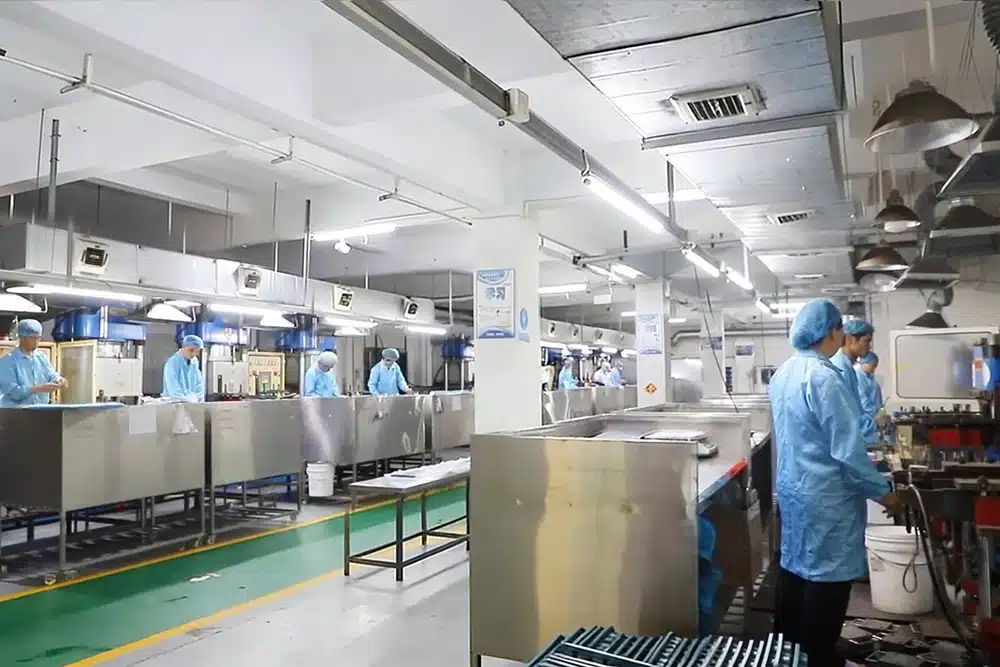
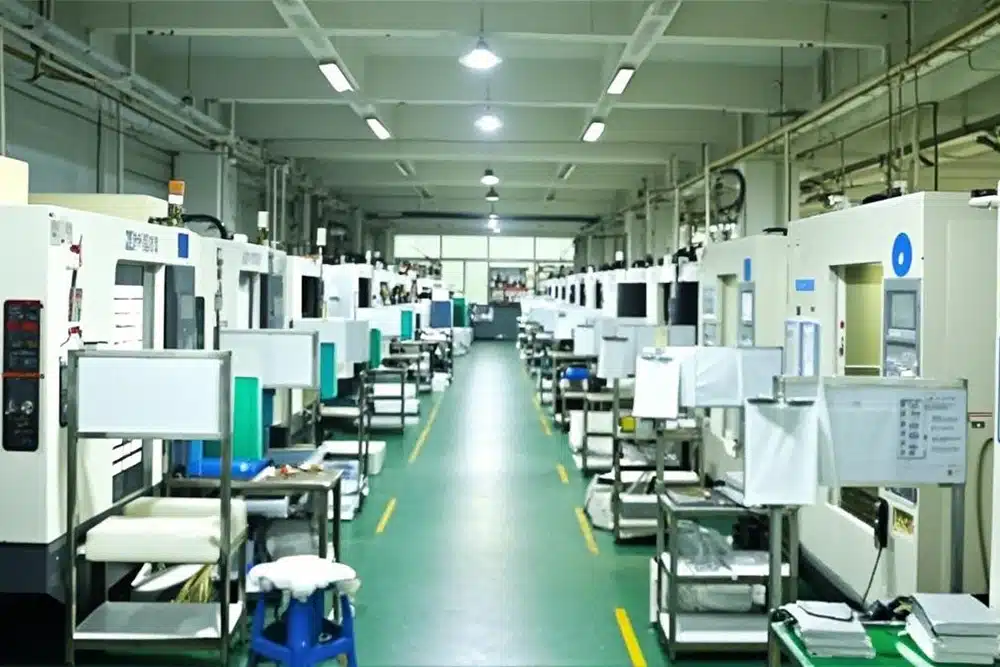
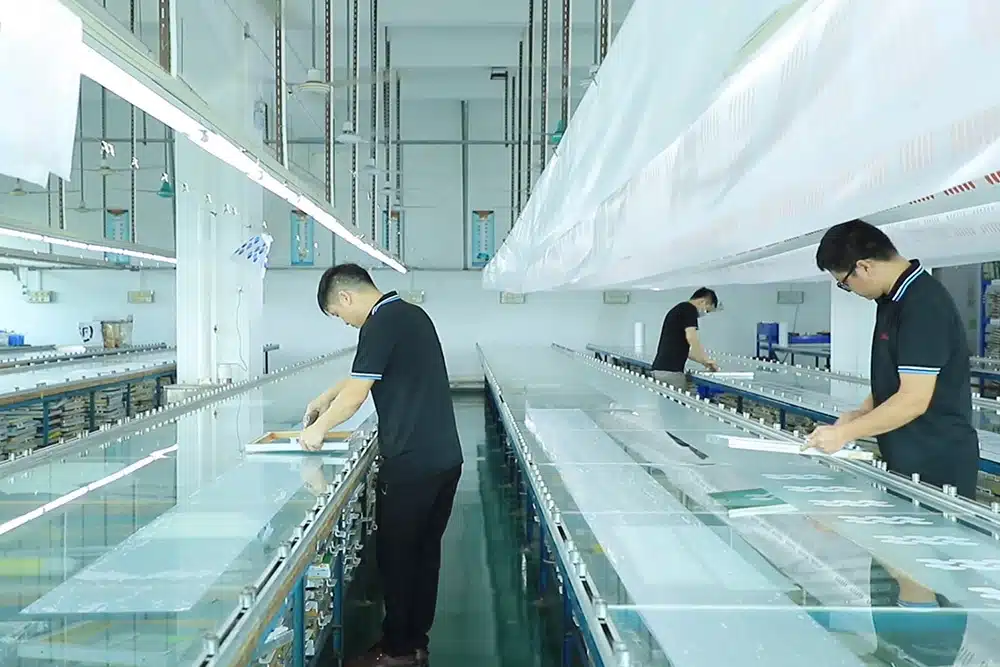
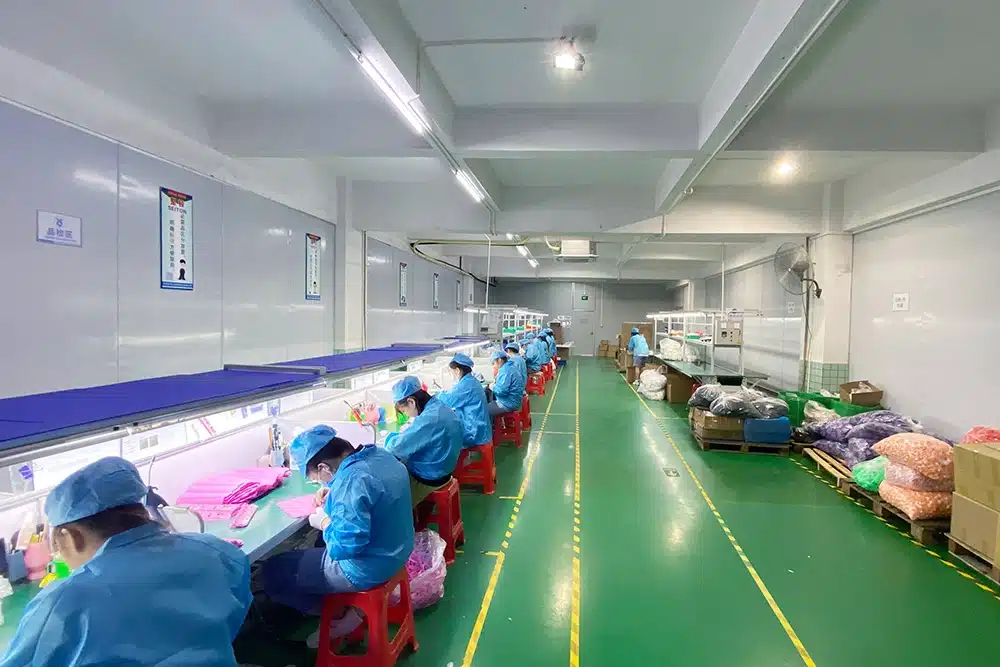
A silicone pet product manufacturer with this qualification should provide custom molded silicone product manufacturing, OEM/ODM development support, in-house mold making, prototype, compression molding, surface finishing options, dust-free packaging and strict quality systems.
| Supplier Capability | Why It Matters |
| Silicone Material Experience | Helps select suitable grades for heat-related use conditions |
| Design Review Support | Identifies thickness, geometry, and deformation risks |
| In-House Mold Design | Improves tooling accuracy and development efficiency |
| Prototype Support | Allows buyers to test heat exposure before production |
| Silicone Molding Capability | Supports stable production for bowls, mats, toys, covers, and accessories |
| Curing and QC Control | Helps improve odor, stability, and batch consistency |
| Surface / Logo Options | Supports branded private label pet products |
| Clean Packaging Environment | Important for feeding and care products |
| Export Experience | Supports communication, documentation, and international delivery |
Conclusion — Heat Resistance Must Match Real Use Conditions
Silicone pet products can help to create safer and more durable product lines for feeding, travel, grooming, cleaning and outdoor use due to their high temperature resistance. But, never use heat resistance as a universal term. The buyer shall determine the actual operating environment, confirm the suitability of the materials, check on product geometry, inspect product sample in the intended cleaning and/or heat conditions, and ensure the manufacturer has control over the molding, curing, and inspection.
The selection of material, design characteristics and testing, are matched to actual use, resulting in improved product quality, fewer product issues, and increased product confidence in the sometimes competitive pet product industry.