
Anti-slip silicone feeding mats are flexible silicone mats under pet bowls, water bowls, slow feeders or feeding stations. They are used for stability at meal times, to reduce rolling of the bowls and to absorb small amounts of spills. There are several reasons why texture is important for design: Grip: Texture is important for grip, especially when it comes to food and eating.Grip: For food, eating, and other uses, texture is important for grip. Silicone is the most popular material for these mats, since it can be molded into a soft, flexible, washable and textured design, and can be custom branded.
An anti-slip silicone feeding mat is more than a flat mat under a bowl, it’s a functional feeding aid that needs to have a strong grip, be flexible, be easy to clean, prevent messes, be safe for the pet’s materials, and of course, be aesthetically pleasing to the brand. The majority of buyers think that any textured silicone will be non-slip, but the actual performance of the silicone depends on a combination of silicone hardness, surface pattern, mat thickness, bottom contact area, edge design and the floor or bowl it’s combined with.
What Are Anti-Slip Silicone Feeding Mats?
Special designed accessories for use under the pet food and water bowls, anti-slip silicone feeding bowls and water bowls, to keep your pet’s feeding area stable and reduce spills and accidents when feeding time arrives. Anti-slip silicone feeding mats can also be created to have custom textures, anti-slip silicone feeding mats can be developed with custom textures, raised edges, bowl zones, colors, logo details, and packaging for different retail channels.
| Item | Explanation |
| Product Type | Silicone mat placed under pet food or water bowls |
| Common Uses | Dog feeding, cat feeding, slow feeders, water bowls, feeding stations |
| Main Function | Helps improve bowl stability, reduce floor mess, and support easier cleaning |
| Material | Silicone material selected for flexibility, grip, durability, and cleaning needs |
| Key Features | Anti-slip texture, raised edge, washable surface, flexible body, custom branding |
| Buyer Focus | Grip performance, safety, cleanability, thickness, durability, and packaging |
Unlike normal silicone mats, these feeding mats are designed for the feeding environment because pets will be coming in contact with food, water and saliva on a daily basis.
How Texture Improves Mealtime Stability
Texture is an important part of the mechanism of anti-slip silicone feeding mats, and knowing the importance of texture on friction and bowl position during active feeding is important.
| Texture Feature | How It Helps | Buyer Consideration |
| Raised Dots | Increase surface contact and light grip | Usually easier to clean than deep grooves |
| Ribbed Texture | Helps reduce bowl sliding in one direction | Rib height should not trap too much residue |
| Grooved Surface | Can guide spills or improve bowl seating | Needs careful cleaning-friendly design |
| Matte Finish | May improve surface feel and visual quality | Should be tested for stain resistance |
| Bottom Texture | Helps improve floor contact | Must be matched with silicone hardness and mat thickness |
| Raised Edge | Helps contain small spills and food crumbs | Edge height should match bowl size and use scenario |
| Bowl Placement Area | Keeps bowls positioned more consistently | Should fit common dog or cat bowl sizes |
The right texture works to provide stability but doesn’t complicate or make cleaning hard.
Why Silicone Is Used for Pet Feeding Mats
Silicone is a great material for pet feeding mats as it is flexible, grips and can be used for everyday tasks.
| Silicone Property | Practical Benefit for Feeding Mats |
| Flexibility | Allows the mat to lie flat and be handled easily |
| Grip Potential | Helps improve stability when the bottom design is properly engineered |
| Moldability | Supports raised edges, textures, bowl zones, and brand elements |
| Washable Surface | Makes daily cleaning more convenient |
| Food-Contact Options | Important for products near pet food and water |
| Soft Touch | Creates a comfortable and household-friendly user experience |
| Color Customization | Supports private label and retail product collections |
| Durability | Helps the mat withstand repeated cleaning and handling |
Custom silicone feeding mats are ideal for pet product lines that are functional or decorative, as they can be used in a variety of ways.
Key Design Factors for Custom Silicone Feeding Mats
The impact on feeding mat performance depends on the combination of texture, thickness, edge shape and location of mats.
| Design Factor | Why It Matters |
| Mat Size | Should match cat bowls, dog bowls, double bowls, or feeding stations |
| Shape | Affects usability, packaging, and brand identity |
| Thickness | Influences grip, flexibility, durability, and material cost |
| Shore A Hardness | Affects softness, floor contact, rebound, and stability |
| Raised Edge Height | Helps contain food crumbs and small spills |
| Surface Texture | Improves grip and appearance but must remain easy to clean |
| Bottom Texture | Helps improve contact with floors or countertops |
| Bowl Zones | Keeps bowls better positioned during feeding |
| Logo Placement | Should not interfere with cleaning or bowl stability |
| Packaging Format | Should be planned early for ecommerce, retail, or wholesale channels |
The target pet size and feeding habits should be taken into account from the beginning to avoid costly adjustments further down the road.
Texture Types for Anti-Slip Silicone Feeding Mats
Each texture pattern offers a different user experience and this choice depends upon the mat’s function, what is expected to be done to the mat when cleaning, and the technical ability of the manufacturing process.
| Texture Type | Best Use Case | Design Note |
| Dotted Texture | General anti-slip support and simple cleaning | Good for everyday feeding mats |
| Ribbed Texture | Directional grip and visual structure | Rib height should be controlled |
| Grid Texture | Bowl placement and spill control | Avoid overly narrow channels |
| Wave Texture | Soft visual style and moderate grip | Works well for branded designs |
| Honeycomb Texture | Stronger visual identity and food control | Can be harder to clean if too deep |
| Bowl-Seat Texture | Designed to hold bowls in a fixed area | Must match common bowl sizes |
| Textured Bottom | Improves floor contact | Needs testing on different surface types |
| Mixed Texture Layout | Combines grip, branding, and spill control | Requires careful mold detail planning |
Material Safety Considerations for Pet Feeding Mats
As feeding mats are close to the pet food, water and saliva, suitability of materials, odor control and cleaning are all important considerations.
| Safety Factor | Buyer Consideration |
| Food-Contact Silicone | Important for mats used near pet food and water |
| Safe Colorants | Colorants should match product application and target market needs |
| Odor Control | Strong smell can reduce customer confidence |
| Proper Curing | Helps improve material stability and surface performance |
| Cleaning Surface | Texture should not trap excessive food residue |
| Testing Requirement | FDA, LFGB, or other tests may be requested depending on market |
| Documentation | TDS, MSDS, and test reports help buyers review material suitability |
| Durability | Repeated washing and bending should not easily deform the mat |
Manufacturing Process for Custom Silicone Feeding Mats
Texture and thickness, raised edges and bottom grip are directly related to product function, so the design of the mold for anti-slip feeding mat is the key to manufacturing.
| Process Step | What Happens | Why It Matters |
| Requirement Review | Product size, bowl type, target pet, and use scenario are discussed | Helps define mat structure and material requirements |
| Design Confirmation | 2D drawings, 3D files, or samples are reviewed | Supports accurate tooling and quotation |
| Texture Review | Surface and bottom patterns are evaluated | Affects grip, cleanability, and manufacturability |
| Material Selection | Silicone grade and Shore A hardness are selected | Impacts flexibility, safety, and anti-slip performance |
| Color Matching | Custom colors or Pantone references are prepared | Supports brand consistency |
| Mold Fabrication | Tooling is made with raised edges, textures, and logo details | Determines mat accuracy and production stability |
| Molding | Silicone is molded into the final mat shape | Controls thickness, texture, edge height, and appearance |
| Trimming | Flash or excess material is removed | Improves edge quality and retail appearance |
| Functional Inspection | Flatness, texture, dimensions, odor, and grip are checked | Helps verify product usability |
| Packaging | Products are packed for ecommerce, retail, or wholesale channels | Protects the mat and supports brand presentation |
Quality Control Checklist for Anti-Slip Feeding Mats
Appearance is not the only area which QC can look at, they should also make sure the functional performance, consistency and cleaning friendly design of the product.
| QC Item | What to Check | Why It Matters |
| Material Documentation | TDS, MSDS, food-contact reports, or supplier certificates if required | Supports buyer compliance review |
| Shore Hardness | Hardness consistency between sample and mass production | Affects grip, flexibility, and mat stability |
| Flatness | Whether the mat lies evenly on a surface | Important for bowl stability and user experience |
| Thickness | Consistent wall and base thickness | Reduces warping and quality variation |
| Texture Detail | Clear dots, ribs, grooves, or bowl zones | Ensures anti-slip function and appearance |
| Raised Edge | Edge height and shape consistency | Helps contain crumbs and small spills |
| Flash / Edges | Excess material or rough trimming marks | Affects appearance and safety feel |
| Odor | Unusual smell after production | Important for products used near food and water |
| Color Consistency | Shade variation between batches | Supports private label brand consistency |
| Logo Quality | Embossing, debossing, printing, or marking clarity | Supports retail presentation |
| Packaging | Labeling, cleanliness, quantity, and protection | Reduces shipment and retail issues |
Custom Branding Options for Silicone Feeding Mats
Silicone feeding mats can be branded and they can be molded, textured, colored and packaged to feature different brands.
| Branding Option | Best Use Case | Buyer Note |
| Custom Shape | Differentiated pet product collections | Shape should remain easy to pack and use |
| Pantone Color Matching | Brand consistency across product lines | Sample approval is important |
| Embossed Logo | Durable molded branding | Place where it does not affect bowl stability |
| Debossed Logo | Subtle premium appearance | Avoid deep areas that trap food residue |
| Printed Logo | Clear visual branding | Wear resistance should be tested |
| Custom Texture | Functional grip and visual identity | Texture must balance grip and cleaning |
| Bowl Zones | Better feeding station organization | Should match target bowl sizes |
| Retail Packaging | Shelf-ready or ecommerce products | Packaging should match mat size and shipping needs |
Silicone Feeding Mats vs Plastic and Fabric Feeding Mats
In comparison, silicone feeding mats are often used instead of plastic trays or fabric mats, each of which has its own advantages and disadvantages.
| Factor | Silicone Feeding Mats | Plastic Feeding Trays | Fabric Feeding Mats |
| Grip | Can be designed with anti-slip texture and soft floor contact | May slide unless rubber feet are added | Depends on backing material |
| Flexibility | Flexible and easy to handle | Usually rigid | Flexible but may absorb moisture |
| Cleaning | Can be rinsed or wiped when properly designed | Easy to wipe but may scratch | Usually needs washing and drying |
| Spill Control | Raised edges can help contain small spills | Trays can hold spills but may be bulky | Limited spill containment |
| Durability | Good for repeated handling and cleaning | May crack depending on plastic type | May stain or wear over time |
| Branding | Supports molded logos, colors, textures, and packaging | Supports molding or printing | Supports printing or labels |
| Cost | Usually higher than simple fabric mats | Varies by material and structure | Often lower for simple designs |
What Buyers Should Prepare Before Requesting a Quote
Project information is accurate, it can help the manufacturer evaluate the difficulty of the mold, the MOQ (min order quantity), the price of each piece, the lead time, and the risk of production.
| Information to Prepare | Why It Helps |
| Mat Size | Helps calculate material usage and mold size |
| Shape | Affects tooling, packaging, and product identity |
| Thickness | Impacts flexibility, grip, durability, and cost |
| Texture Requirement | Determines mold detail and anti-slip function |
| Raised Edge Design | Helps evaluate spill control and tooling structure |
| Bowl Size / Layout | Supports better bowl zone design |
| Material Requirement | Helps select suitable silicone grade |
| Hardness Requirement | Affects flexibility and floor contact |
| Color Requirement | Supports Pantone matching and sample approval |
| Logo Artwork | Helps evaluate embossing, debossing, or printing |
| Packaging Requirement | Impacts total project cost and retail readiness |
| Estimated Quantity | Helps evaluate MOQ, unit cost, and scheduling |
| Target Market | Helps confirm documentation and testing needs |
Common Mistakes When Designing Anti-Slip Silicone Feeding Mats
Not paying attention to the details that can impact performance can happen even to experienced teams.
| Common Mistake | Better Approach |
| Assuming texture alone prevents slipping | Evaluate hardness, thickness, bottom grip, and floor compatibility |
| Mat is too thin | Review thickness for grip, durability, and flatness |
| Raised edge is poorly designed | Match edge height with bowl size and spill-control needs |
| Texture is too deep | Balance grip with cleaning convenience |
| Bottom grip is ignored | Add suitable bottom texture or contact structure |
| Logo affects bowl stability | Place branding away from bowl contact areas |
| Sample is approved only by appearance | Test flatness, grip, cleaning, odor, and bowl movement |
| Supplier is chosen only by price | Evaluate mold capability, material control, and QC process |
How to Choose a Silicone Feeding Mat Manufacturer
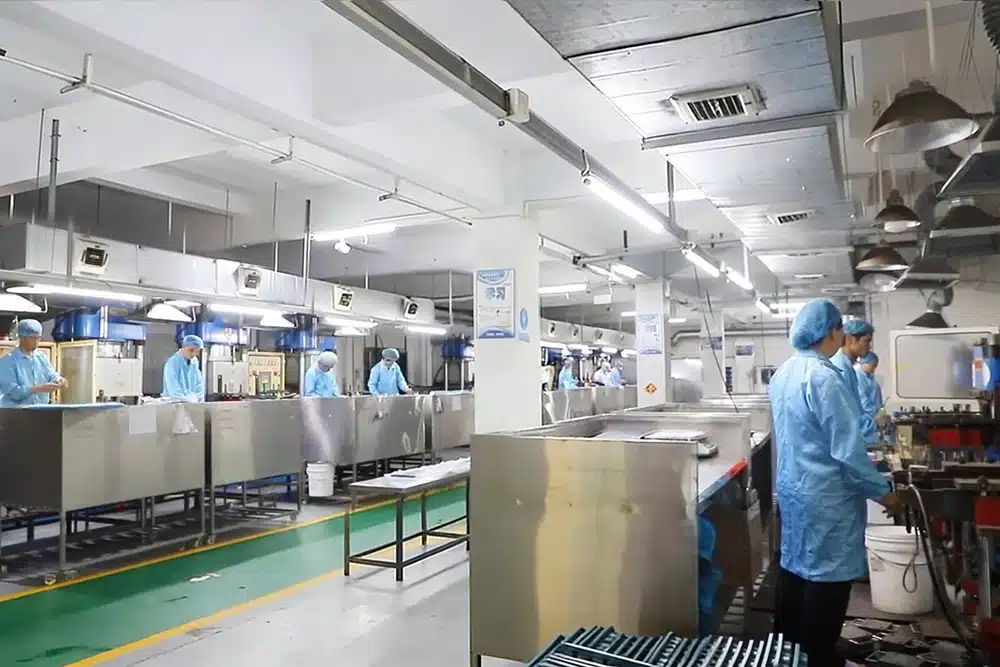
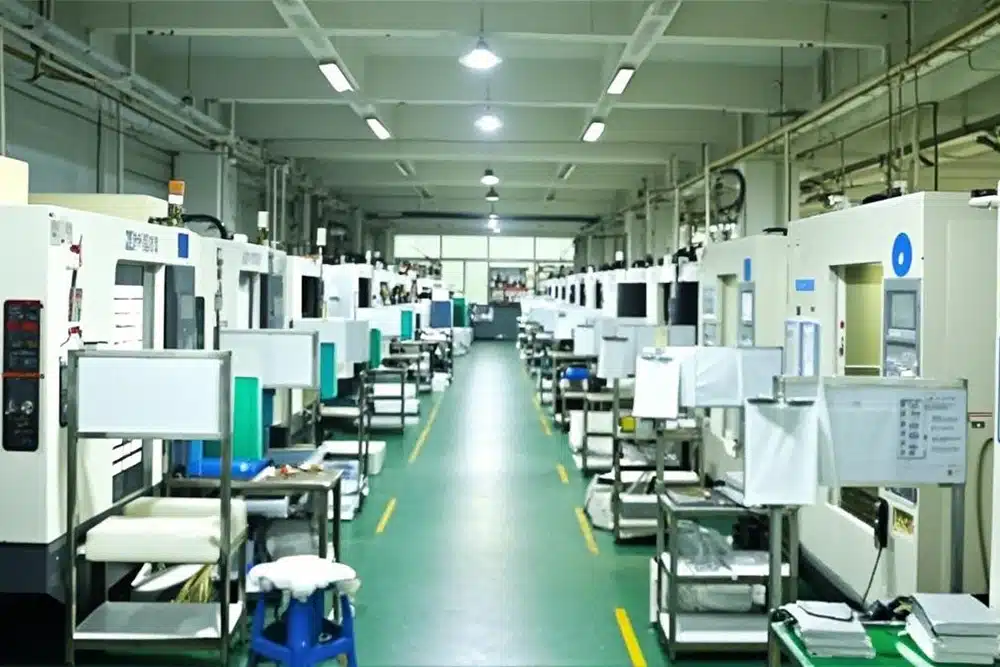
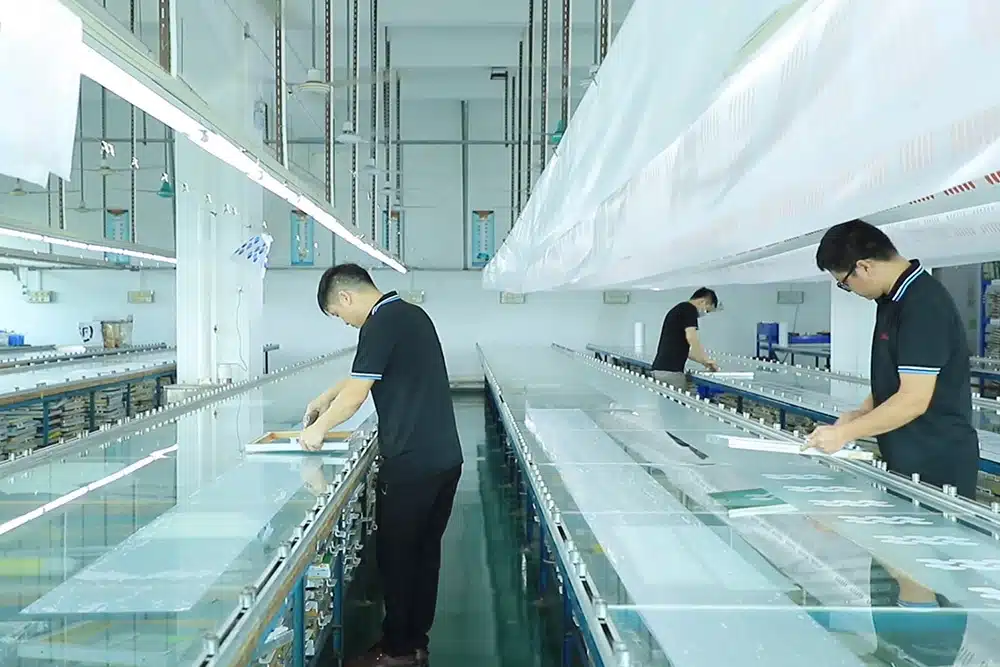
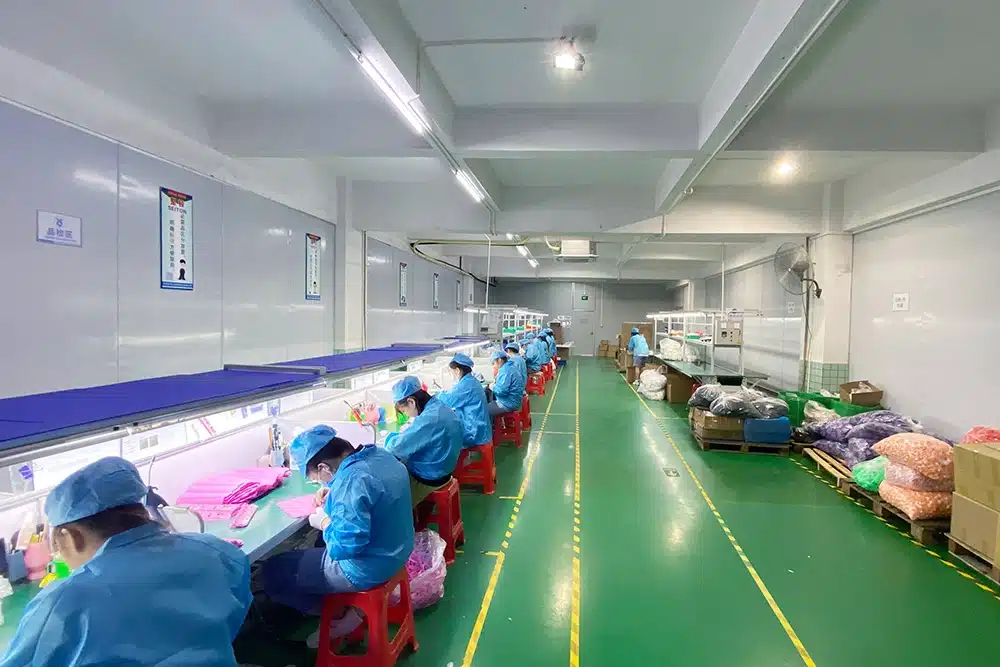
The selection of a manufacturer should be based on his ability and not price. They have a wide range of experience in the silicone product manufacturing, comprehensive OEM/ODM silicone product development service, silicone material selection and optimization, mold design, mold manufacturing, silicone prototype and sample production, compression molding, surface finishing, dust free assembly environment, and have strict quality control system starting from the inspection of raw materials, all the way to end testing.
| Supplier Capability | Why It Matters |
| Silicone Pet Product Experience | Helps avoid design issues related to feeding, cleaning, and daily use |
| Material Selection Support | Ensures suitable silicone hardness, safety, and grip performance |
| In-House Mold Design | Improves texture accuracy and development efficiency |
| Prototype Support | Allows buyers to test grip, flatness, and cleaning before mass production |
| Silicone Molding Capability | Supports stable production for textured feeding mats |
| Surface / Logo Options | Helps create branded private label pet products |
| Quality Control Process | Verifies hardness, appearance, odor, flatness, dimensions, and consistency |
| Clean Packaging Environment | Important for products used near pet food and water |
| Export Experience | Supports communication, documentation, and international delivery |
Conclusion — Texture Matters, But Anti-Slip Performance Needs Full Design Control
There are load of convenience products out there on the market that make it easier to feed your pet daily, like silicone feeding mats, but there’s more to a good performance than just the texture. To achieve a successful mat, silicone material, texture depth, uniformity of thickness, raised edges control, floor contact design, easy cleaning and quality control from sample to mass production are important.
The testing of actual usage conditions prior to mass production is important. An excellent supplier should have the ability to offer design review, material selection, develop moulds, mould samples, production, inspection and packaging. With these things in mind a silicone feeding mat can be offered that will consistently meet the expectations of the dog and cat owner, the brand and retail expectations.