
Molded silicone treats are toys specifically designed for chewing, licking, treat dispenser, grooming, training and interactive play with dogs and cats. Because silicone is highly flexible but also extremely durable, and easily cleaned, it has a number of applications, and is popular for use in pet products as well as commercial product lines. However, the silicone pet toy is not just manufactured for appearance; the material, Shore A hardness, wall thickness, design, tear strength, surface texture and quality control during the manufacturing process have to be taken into account.
A silicone pet toy doesn’t merely need to be soft molded, it also needs to be safe, bite-proof, flexible, easy to clean, structurally sound and marketable. This is not always true about silicone pet toys – thickness and hardness only add to the strength of the toy if it is the entire design and how it is used by pets.
What Are Silicone Pet Toys?
Silicone pet toys are items created out of silicone rubber, and they can be applied to various purposes in pet grooming. They are also more flexible and have a soft touch (as compared to ordinary plastic or rubber toys) and are more resistant to repeated washings if properly formulated, and will not absorb odours.
| Item | Explanation |
| Product Type | Molded silicone toy or accessory for dogs and cats |
| Common Uses | Chewing, treat dispensing, enrichment, grooming, training, interactive play |
| Material | Silicone material selected based on safety, flexibility, hardness, and durability needs |
| Key Features | Flexible, washable, soft-touch, moldable, customizable |
| Custom Options | Shape, size, texture, hardness, logo, color, packaging |
| Buyer Focus | Safety, durability, bite resistance, cleaning, branding, and QC consistency |
For brands developing chew toys, treat toys, lick mats, feeding accessories, and grooming tools, OEM silicone pet products for toys and accessories should be designed around real use conditions, safe material selection, and reliable molding control.
Why Silicone Is Used for Pet Toys and Accessories
Perhaps the most recognizable example of the versatility of silicone as a pet toy is the fact that it has many properties which are not found in pets’ normal environment.
| Silicone Property | Practical Benefit for Pet Toys |
| Flexibility | Helps toys bend and rebound during use |
| Moldability | Supports complex shapes, textures, grooves, and treat cavities |
| Soft-Touch Feel | Creates a pet-friendly surface for chewing, licking, or handling |
| Washable Surface | Supports repeated cleaning after food or saliva contact |
| Color Customization | Helps brands build attractive product lines |
| Heat Resistance | Can support cleaning methods depending on material and design |
| Food-Contact Options | Important for treat-dispensing or licking toy designs |
| Surface Texture | Improves grip, engagement, or treat-holding function |
That is why silicone is great for silicone dog toys, silicone cat toys and lots of silicone pet accessories.
Durability Factors That Affect Silicone Pet Toy Performance
The durability of silicone pet toys depends on a variety of factors, including material selection, structural design, and manufacturing precision.In addition to the material, the durability of silicone pet toys relies on structural engineering and manufacturing precision.
| Durability Factor | Why It Matters |
| Silicone Grade | Affects strength, flexibility, odor, and long-term performance |
| Shore A Hardness | Influences softness, bite feel, rebound, and deformation |
| Tear Resistance | Important for toys exposed to pulling, chewing, or biting |
| Wall Thickness | Thin areas may tear; overly thick areas may affect flexibility and cost |
| Stress Point Design | Sharp corners or narrow joints may fail earlier |
| Hollow Structure | Can reduce weight but needs careful strength review |
| Texture Depth | Deep grooves may improve function but can create weak points |
| Edge Radius | Rounded edges help reduce tearing and improve user experience |
| Curing Quality | Poor curing may affect odor, strength, and surface stability |
To ensure that silicone pet toys will last for regular use, experienced manufacturers will first evaluate these elements during the design process.
Safety Considerations for Silicone Pet Toys
The secret behind silicone pet toys’ longevity is the design and production process as well.
| Safety Factor | Buyer Consideration |
| Material Grade | Choose silicone suitable for the toy’s intended use and target market |
| Food-Contact Requirement | Important for toys used with treats, wet food, or licking surfaces |
| Pigments and Colorants | Should match the application and buyer compliance needs |
| Odor Control | Strong smell may create customer complaints or reduce trust |
| Tear Resistance | Helps reduce failure risk during repeated chewing or pulling |
| Edge Design | Smooth edges reduce discomfort and improve product finish |
| Small-Part Risk | Avoid detachable details that may break off during use |
| Cleaning Surface | Avoid designs that trap residue and become difficult to clean |
| Testing Reports | Help buyers verify material and product safety expectations |
In the design phase, these are verified by the expert manufacturers to create durable silicone pet toys that will last and endure usage.
Common Types of Custom Silicone Pet Toys
A pet toy will be exposed to saliva, food, water and cleaning materials on a frequent basis, and safety evaluation must include both material and design considerations.
| Toy Type | Common Function | Design Focus |
| Chew Toys | Daily chewing and engagement | Tear resistance, thickness, rounded edges |
| Treat-Dispensing Toys | Holding dry treats or soft food | Cavity design, cleaning, food-contact material |
| Lick Toys | Spreading soft treats or wet food | Texture depth, surface finish, easy cleaning |
| Grooming Toys | Distraction or gentle brushing support | Soft texture, grip, safe surface feel |
| Tug-Style Toys | Interactive play | Strength at stress points and handle design |
| Puzzle Toys | Enrichment and slower feeding | Function, safety, and cleanability |
| Cat Toys | Lighter play or treat interaction | Smaller size, softer touch, easy handling |
Custom Branding Options for Silicone Pet Toys
There are many different forms of silicone pet toys, and each one should have a different material and structure, according to its use.
| Branding Option | Best Use Case | Buyer Note |
| Custom Shape | Creating a unique product identity | Shape should remain safe, durable, and manufacturable |
| Pantone Color Matching | Building consistent brand collections | Sample approval is important before mass production |
| Embossed Logo | Durable molded branding | Works well on suitable flat or low-contact areas |
| Debossed Logo | Subtle premium branding | Avoid deep areas that trap dirt or food residue |
| Silk Screen Printing | Clear visual logo or product information | Wear resistance should be evaluated based on use |
| Laser Marking | Permanent marking on suitable designs | Must be tested for appearance and readability |
| Custom Texture | Adds grip, function, or visual identity | Texture should not weaken the toy structure |
| Retail Packaging | Ecommerce or shelf-ready products | Packaging should match product size and target channel |
How Silicone Pet Toys Are Manufactured
Retailers can use their brand name to have a unique branding of the silicone pet toy, establish a brand line and enhance the brand visibility on the shelves or on their websites.
| Process Step | What Happens | Why It Matters |
| Requirement Review | Use scenario, pet type, toy function, and target market are discussed | Helps define material, structure, and testing needs |
| Design Confirmation | 2D drawings, 3D files, or samples are reviewed | Supports accurate tooling and quotation |
| Material Selection | Silicone grade and Shore A hardness are selected | Affects safety, flexibility, and durability |
| Color Matching | Brand colors or Pantone references are prepared | Supports private label consistency |
| Mold Fabrication | Custom tooling is made according to toy design | Determines shape accuracy and production stability |
| Molding | Silicone is molded into the final toy shape | Controls thickness, structure, and appearance |
| Trimming | Flash or excess material is removed | Improves appearance and safety feel |
| Surface / Logo Processing | Embossing, debossing, printing, or marking may be applied | Supports branding requirements |
| Functional Inspection | Flexibility, bite-prone areas, odor, and dimensions are checked | Helps reduce failure risks |
| Packaging | Products are packed for retail, ecommerce, or wholesale channels | Protects the product and supports brand presentation |
Quality Control Checklist for Silicone Pet Toys
The silicone pet toy production process is systematic, starting from requirements, and producing uniformity and quality products.
| QC Item | What to Check | Why It Matters |
| Material Documentation | TDS, MSDS, food-contact reports, or supplier certificates if required | Supports buyer compliance review |
| Shore Hardness | Consistency between sample and mass production | Affects bite feel, flexibility, and durability |
| Odor | Strong or unusual smell after production | Important for pet products and customer acceptance |
| Surface Finish | Bubbles, stains, rough spots, or uneven texture | Affects appearance and usability |
| Flash / Edges | Excess material or sharp-feeling trimming marks | Affects safety feel and retail quality |
| Dimensions | Size, wall thickness, and functional areas | Ensures consistency across batches |
| Flexibility | Bending, rebound, and deformation behavior | Helps verify product performance |
| Color Consistency | Color difference between batches | Supports brand presentation |
| Logo Quality | Embossed, debossed, printed, or marked logo clarity | Supports private label quality |
| Packaging | Quantity, cleanliness, labeling, and protection | Reduces shipment and retail problems |
Silicone Pet Toys vs Plastic and Rubber Pet Toys
To achieve the quality control of custom silicone pet toys, the quality control process is carried out in a professional manner to ensure that the quality of every batch of produced custom silicone pet toys is also handled in a professional way.
| Factor | Silicone Pet Toys | Plastic Pet Toys | Rubber Pet Toys |
| Flexibility | Flexible and soft-touch | Usually rigid or semi-rigid | Flexible depending on rubber type |
| Moldability | Good for detailed textures and shapes | Good for rigid structures | Good but may vary by compound |
| Cleaning | Smooth silicone can be easy to clean | Depends on texture and plastic type | May retain odor depending on material |
| Odor | Can be low-odor with proper material and curing | Usually low but varies | Some rubber materials may have stronger smell |
| Durability | Good when hardness and design are suitable | May crack under stress | Can be strong but formulation-dependent |
| Branding | Supports molded logos, colors, and packaging | Supports molded or printed branding | Supports molded branding and some colors |
| Cost | Often higher than basic plastic | Often lower for simple products | Varies by material and design |
What Buyers Should Prepare Before Requesting a Quote
When new materials are being considered for new products, buyers compare materials. All of them are good for particular uses.
| Information to Prepare | Why It Helps |
| Toy Type | Defines whether it is a chew toy, treat toy, lick toy, or grooming toy |
| Target Pet | Helps evaluate size, hardness, and durability needs |
| Product Size | Affects material usage, mold size, and packaging |
| Use Scenario | Helps determine structural and safety requirements |
| 3D File or Sample | Allows accurate engineering and mold review |
| Material Requirement | Helps select suitable silicone grade |
| Hardness Requirement | Affects flexibility, bite feel, and stability |
| Color Requirement | Supports Pantone matching and sample approval |
| Logo Artwork | Helps evaluate embossing, debossing, printing, or marking |
| Surface Texture | Supports functional and aesthetic requirements |
| Testing Requirement | Helps plan FDA, LFGB, or other documentation if needed |
| Order Quantity | Affects MOQ, unit cost, and production planning |
| Packaging Requirement | Impacts total project cost and retail readiness |
Common Mistakes When Developing Silicone Pet Toys
Comprehensive data enables manufacturers to give accurate quotations and minimise the risks of development for OEM silicone pet toys.
| Common Mistake | Better Approach |
| Assuming all silicone is suitable for pet toys | Confirm material grade, application, and documentation |
| Claiming the toy is indestructible | Use realistic durability language and test the product |
| Choosing hardness only by hand feel | Evaluate flexibility, rebound, tear resistance, and actual use |
| Making bite areas too thin | Review wall thickness and stress points before tooling |
| Adding deep textures everywhere | Balance engagement, strength, and cleaning convenience |
| Placing logos in chew zones | Place branding where it will not weaken or trap residue |
| Ignoring odor | Review material, curing, and post-production handling |
| Approving only appearance | Test flexibility, durability, dimensions, odor, and packaging |
How to Choose a Silicone Pet Toy Manufacturer
The selection of partner is not just about the unit cost. Look for experience in pet applications, technical systems and quality systems.
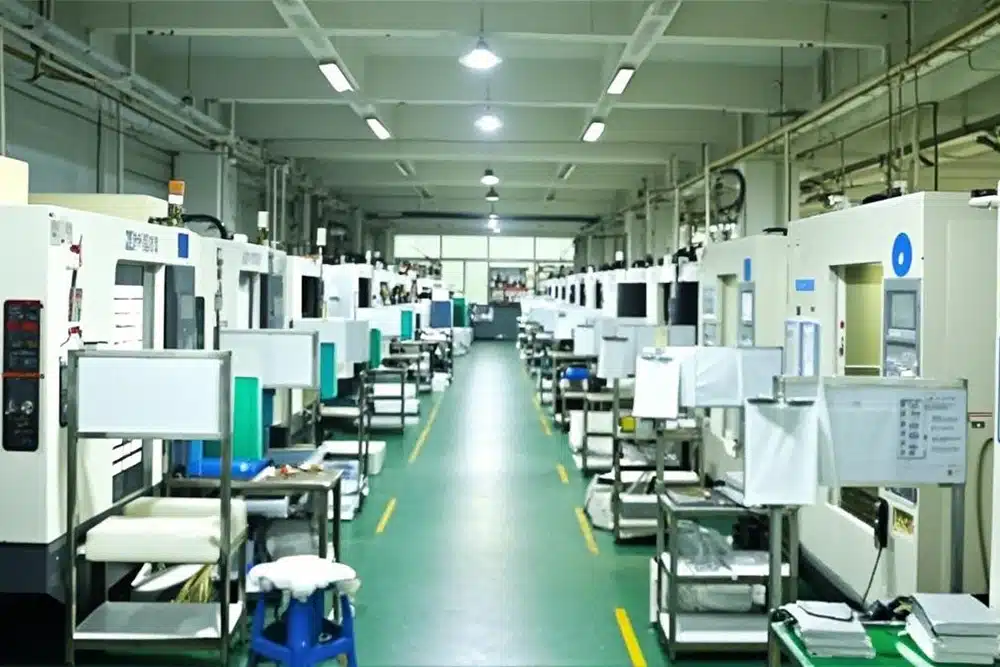
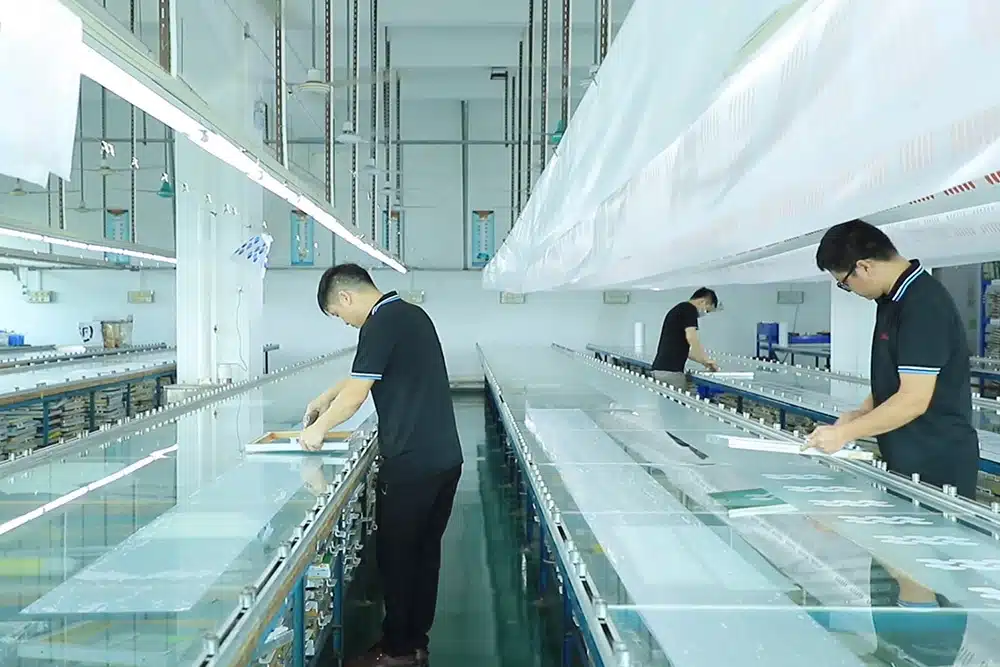
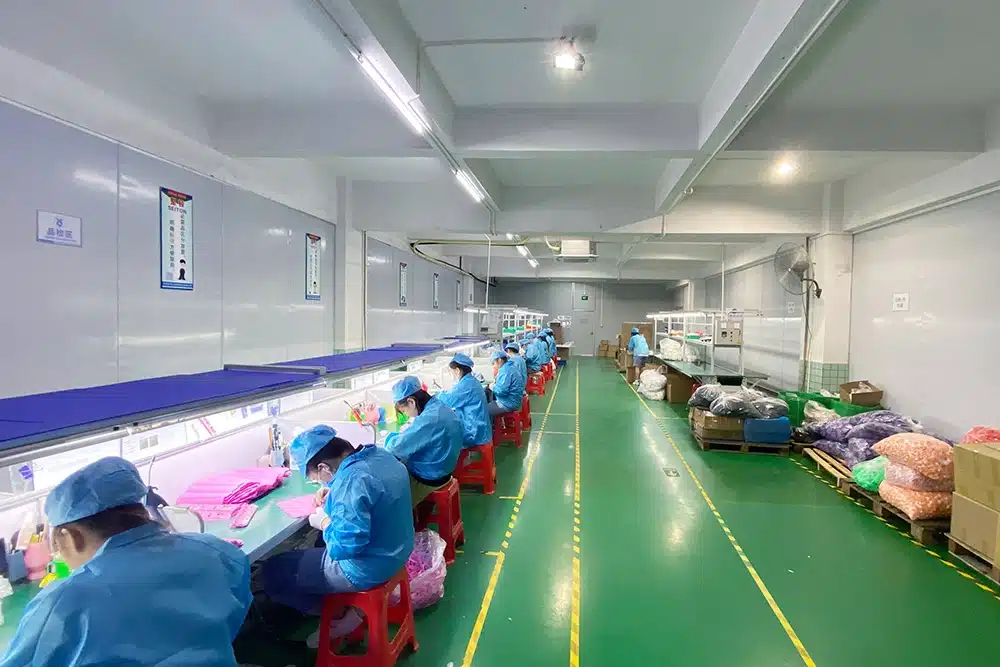
China’s silicone pet toy manufacturers need to be able to produce customized silicone products, select materials, design mold and produce silicone molds, provide prototypes, squeeze molding, surface finishing, and dust-free packaging. For uniformity, it is essential to have a solid quality control system in house to inspect the raw material and final product.
| Supplier Capability | Why It Matters |
| Silicone Pet Product Experience | Helps avoid design issues related to chewing, cleaning, and daily use |
| Material Selection Support | Ensures suitable silicone hardness, safety, and durability |
| In-House Mold Design | Improves structure, texture accuracy, and development efficiency |
| Prototype Support | Allows buyers to test performance before mass production |
| Silicone Molding Capability | Supports stable production for complex toy designs |
| Surface / Logo Options | Helps create branded private label pet products |
| Quality Control Process | Verifies hardness, appearance, odor, dimensions, and consistency |
| Clean Packaging Environment | Important for pet products that contact saliva, treats, or food |
| Export Experience | Supports communication, documentation, and international delivery |
Conclusion — Durable Silicone Pet Toys Depend on Design and Production Control
Although silicone pet toys can help add an impressive boost to a pet product line, the successful toy will be created based on usage and not just appearance. The final product’s ability to perform reliably in daily use is dependent on material grade, hardness, wall thickness, stress points, texture, odor control and inspection.
A brand can benefit from a manufacturer who has experience in manufacturing silicone pet toys by evaluating various design aspects, conducting tests with sample toys under realistic conditions, and designing personalized silicone pet toys or private label silicone pet toys that meet safety requirements and align with business goals. A good start is often a good finish; revision is often lessened, uniformity and success are greater for the pet and its owner.