
Dogs and Cat Silk Mat Custom Silicone Lick Mats are textured silicone lick mats that are used to spread soft food, wet food, peanut butter-style pet treats or grooming distraction pastes. They are used as realistic enrichment items, slow feeders, grooming devices, and everyday pet care items for both cats and dogs. A custom silicone lick mat is more than just a flat pet accessory with raised patterns, it’s a silicone pet product that needs to be a safe silicone material that provides the right texture, be easy to clean, offer a good grip, be flexible, and look great.
The mats have great potential in the private label lines for pet product brands and retailers that can be fully customized in size, shape, texture, color and logo. But a lot of purchasers select only those patterns that are appealing or have a low unit cost. In practice, the silicone lick mat must have the right hardness, must be suitable for the wall thickness, must have clean mold details, must not contain harmful colours and must be subjected to rigorous quality control in terms of odor, flash, suction, surface finish and more.
What Are Custom Silicone Lick Mats?
Custom silicone lick mats are designed with a pattern, flexible, and textured to help pets lick treats or food off of the surface to extend feeding time and stimulate their brains. They are common and popular to feed dogs and cats throughout the day and as part of grooming.
These are the properties that make silicone stand out from other materials for such applications: strength, flexibility, and the ability to form a complicated shape that will securely trap food but won’t harm pets. Custom mats give brands the freedom to design all aspects of the mat to the needs of their pets, their environment and their stores.
For companies building a broader pet accessory line, custom silicone lick mats for pet brands can be developed together with bowls, feeding mats, grooming accessories, and travel-friendly silicone products.
| Item | Explanation |
| Product Type | Textured silicone mat used for dogs and cats |
| Common Uses | Slow feeding, treat spreading, grooming distraction, enrichment, bath time |
| Material | Food-contact silicone material suitable for pet product applications |
| Key Features | Flexible, textured, washable, non-slip, customizable |
| Custom Options | Size, shape, texture, suction cups, logo, color, packaging |
| Buyer Focus | Safety, texture function, cleaning, durability, and branding |
Main Benefits of Silicone Lick Mats for Dogs and Cats
Engaging, controlling feeding habits, and offering customization options in a single reusable product lick mat are favored by pet product developers.
They are also ideally used when they can be configured to give pets a way to work for their food so they will feed at a more relaxed pace, potentially helping control gulping habits. They also prolong engagement time when performing routines, eliminate boredom with mental stimulation and are a helpful distraction when grooming, bathing, or trimming nails. They’re reusable, so they’re great for end users and retailers.
| Benefit | Practical Meaning for Pet Product Buyers |
| Slow Feeding Support | Textured surfaces can help pets take more time with soft food or treats |
| Enrichment | Keeps pets engaged during feeding or care routines |
| Grooming Distraction | Often used during bathing, brushing, nail trimming, or vet-style handling |
| Reusable Product Format | Can be washed and used repeatedly when properly designed |
| Custom Branding | Supports private label colors, logos, patterns, and packaging |
| Product Line Expansion | Fits well with bowls, feeding mats, toys, grooming tools, and travel accessories |
Why Silicone Is Commonly Used for Lick Mats
Because of its safety and flexibility properties combined with its manufacturability, silicone has emerged over the years as the most popular material for lick mats over plastic or other rubber licks.
It can be extremely soft for pets, provide good slip resistance with the proper grade, and used with non-slip properties such as suction cups. It is moldable to create fine details which can help it hold treats, and can withstand cold and heat for simple dishwasher cleaning.
| Silicone Property | Buyer Benefit |
| Flexibility | Allows mats to bend without cracking easily |
| Moldability | Supports detailed texture patterns and custom shapes |
| Soft Touch | Creates a pet-friendly surface feel |
| Non-Slip Potential | Can be designed with suction cups or anti-slip backing |
| Food-Contact Options | Suitable material grades can be selected for pet feeding use |
| Color Customization | Supports brand colors and visual differentiation |
| Cleaning Convenience | Smooth silicone areas can be easier to rinse and maintain |
| Durability | Helps support repeated use when material and design are properly selected |
Key Texture Design Options for Silicone Lick Mats
Texture is a fundamental characteristic of any lick mat, directly affecting their food holding capacity and ease of cleaning.
There is a need for designers to be mindful of both food retention and usability. Shallow raised dots are good for light ‘treats’ and less difficult to clean, whereas deeper grooves or maze patterns will extend the licking times but need careful mold engineering to avoid the trapping of residue.
| Texture Type | Best Use Case | Design Consideration |
| Raised Dots | General treat spreading and light enrichment | Easy to mold and usually easier to clean |
| Grooves | Holding thicker soft food or wet treats | Groove depth must balance function and cleaning |
| Wave Patterns | Slower licking and visual appeal | Requires consistent mold detail |
| Honeycomb Texture | Stronger food retention | Can be harder to clean if too deep |
| Maze Pattern | Longer engagement and slow feeding | Avoid overly narrow channels |
| Mixed Texture Zones | Multi-function products for different treat types | Needs careful design to avoid molding defects |
Design Factors Buyers Should Consider Before Tooling
Smart design decisions made in the early stages of development have a significant effect on its end-user experience, manufacturing expenses, and defect rates when it comes to custom silicone lick mats.
The overall dimensions, thickness and edge profiles need to be consistent with the intended pet size and application – small cats, large dogs, travelling or grooming stations.
| Design Factor | Why It Matters |
| Mat Size | Should match dog, cat, travel, grooming, or retail use scenarios |
| Shape | Influences visual identity, packaging, and usability |
| Thickness | Affects flexibility, durability, material usage, and cost |
| Shore A Hardness | Impacts softness, grip, folding behavior, and stability |
| Texture Depth | Controls food retention and cleaning difficulty |
| Edge Design | Helps prevent warping, sharp-feeling edges, or poor appearance |
| Suction Cups | Improve wall, floor, or bathtub attachment when properly designed |
| Logo Placement | Should support branding without interfering with cleaning |
| Hanging Hole | Useful for storage and retail display |
| Packaging | Should be planned early for retail, ecommerce, or wholesale channels |
Safety and Material Considerations for Silicone Lick Mats
Since lick mats will be in direct contact with food, treats, pet saliva, water and cleaning solutions, material selection is crucial from the beginning.
Food grade silicone should be chosen carefully with the necessary certifications, and pigments and additives should be safe for intended applications.
| Material / Safety Factor | Buyer Consideration |
| Food-Contact Silicone | Important for mats used with treats, wet food, or pet-safe spreads |
| Colorants | Should be suitable for the product application and target market |
| Odor Control | Strong odor can lead to customer complaints |
| Proper Curing | Helps improve material stability and reduce unwanted smell |
| Tear Resistance | Important for pets that may pull or bite at the mat |
| Hardness Selection | Too soft may deform; too hard may reduce flexibility |
| Testing Requirement | FDA, LFGB, or other tests may be requested based on market |
| Documentation | TDS, MSDS, and test reports help buyers evaluate material suitability |
Manufacturing Process for Custom Silicone Lick Mats
Creating high-quality custom silicone lick mats demands a precise detailing of the mold as well as a controlled production process, especially when it involves ensuring uniform texture performance from batch to batch.
It starts with detailed requirement reviews, progresses to design confirmation, material selection, mold making, molding, trimming, inspection, packaging and ends with product delivery.
| Process Step | What Happens | Why It Matters |
| Requirement Review | Product size, texture, application, and target market are discussed | Helps avoid design changes after tooling |
| Design Confirmation | 2D drawings or 3D files are reviewed | Ensures manufacturability and accurate quotation |
| Texture Review | Pattern depth, spacing, and cleaning needs are evaluated | Affects food retention and usability |
| Material Selection | Suitable silicone hardness and grade are selected | Impacts safety, flexibility, and durability |
| Color Matching | Custom colors or Pantone references are prepared | Supports brand consistency |
| Mold Fabrication | Tooling is made with detailed texture cavities | Determines pattern accuracy and production stability |
| Molding | Silicone is formed into the final mat shape | Controls thickness, texture, and appearance |
| Trimming | Flash or excess material is removed | Improves edge quality and retail appearance |
| Inspection | Texture, dimensions, hardness, odor, and suction performance are checked | Helps reduce defective products |
| Packaging | Products are packed for ecommerce, retail, or wholesale channels | Protects the mat and supports brand presentation |
Quality Control Checklist for Silicone Lick Mats
A comprehensive quality check of both the product’s appearance and its functional performance is required, to ensure that the same results are achieved in each production run.
Documentation of material, clarity of texture, edge quality and suction are key checks.
| QC Item | What to Check | Why It Matters |
| Material Documentation | Food-contact reports, TDS, MSDS, or supplier certificates | Supports compliance review |
| Shore Hardness | Hardness consistency across production batches | Affects flexibility and grip |
| Texture Detail | Clear dots, grooves, waves, or maze patterns | Ensures lick mat function |
| Thickness | Consistent wall and base thickness | Reduces deformation and quality variation |
| Flash / Edges | Excess material, rough edges, or trimming marks | Affects appearance and user experience |
| Odor | Unusual smell after molding | Important for pet feeding products |
| Color Consistency | Shade variation between samples and mass production | Supports retail brand consistency |
| Suction Performance | Attachment strength on suitable surfaces | Important for bath or wall-mounted use |
| Logo Quality | Embossing, debossing, or printing clarity | Supports branding |
| Packaging | Labeling, cleanliness, quantity, and protection | Reduces shipment and retail issues |
Custom Branding Options for Silicone Lick Mats
Apart from functional design, lick mats can be differentiated by using logos, colours and packaging of the products that matches with private label/retail requirements.
| Branding Option | Best Use Case | Buyer Note |
| Embossed Logo | Long-lasting molded branding | Works well on non-food-contact or low-contact areas |
| Debossed Logo | Subtle premium appearance | Should not create hard-to-clean food traps |
| Silk Screen Printing | Clear logo or text display | Must consider wear resistance and product use |
| Custom Color | Brand identity and product line differentiation | Pantone matching should be confirmed by sample |
| Custom Texture | Unique product function and visual appeal | Requires careful mold design |
| Retail Packaging | Ecommerce, retail shelf, or gift set products | Packaging should match product size and target market |
What Buyers Should Prepare Before Requesting a Quote
By laying out the complete specifications before you, manufacturers can offer you a realistic timetable, a precise price, and engineering tips to help you create custom silicone lick mats that you can actually use.
| Information to Prepare | Why It Helps |
| Product Size | Helps calculate material usage and mold size |
| Shape and Layout | Affects mold design and packaging |
| Texture Pattern | Determines tooling detail and product function |
| Thickness Requirement | Impacts flexibility, durability, and cost |
| Hardness Requirement | Helps select suitable silicone material |
| Suction Cup Design | Affects mold complexity and use scenario |
| Material Standard | Helps plan FDA, LFGB, or other testing needs |
| Color Requirement | Supports Pantone matching and sample approval |
| Logo Artwork | Helps evaluate embossing, debossing, or printing options |
| Packaging Requirement | Impacts total project cost and retail readiness |
| Estimated Quantity | Helps evaluate MOQ, unit cost, and production planning |
| Target Market | Helps confirm documentation and compliance needs |
Common Mistakes When Designing Silicone Lick Mats
No matter how experienced a buyer is, there are problems that can crop up affecting product performance or adding to the cost. Avoiding the common mistakes leads to better results.
| Common Mistake | Better Approach |
| Texture is too deep | Balance food retention with cleaning convenience |
| Mat is too thin | Review thickness for flexibility, durability, and stability |
| Suction cups are poorly designed | Test attachment performance on intended surfaces |
| Hardness is chosen only by hand feel | Evaluate flexibility, stability, and production consistency |
| Logo is placed in food-contact grooves | Place branding where it does not affect cleaning |
| Color is approved without batch review | Confirm color matching through sample and production checks |
| Sample is approved too quickly | Test cleaning, bending, suction, odor, and appearance before production |
How to Choose a Silicone Lick Mat Manufacturer
Choosing the right manufacturing partner isn’t solely a price comparison game. Established suppliers have a strong ability to select materials, design molds, control textures and quality control.
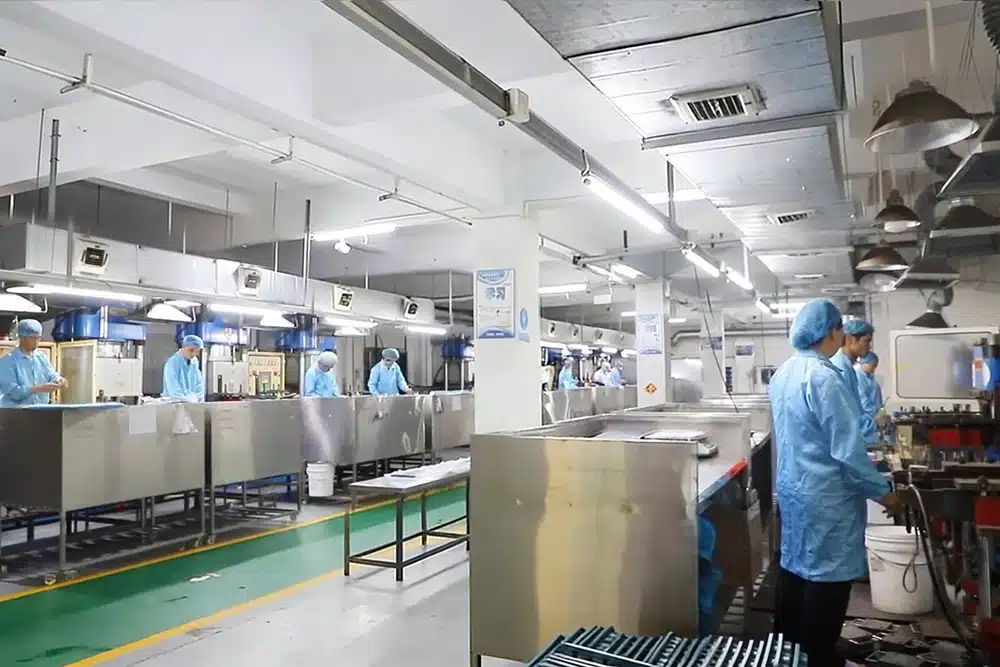
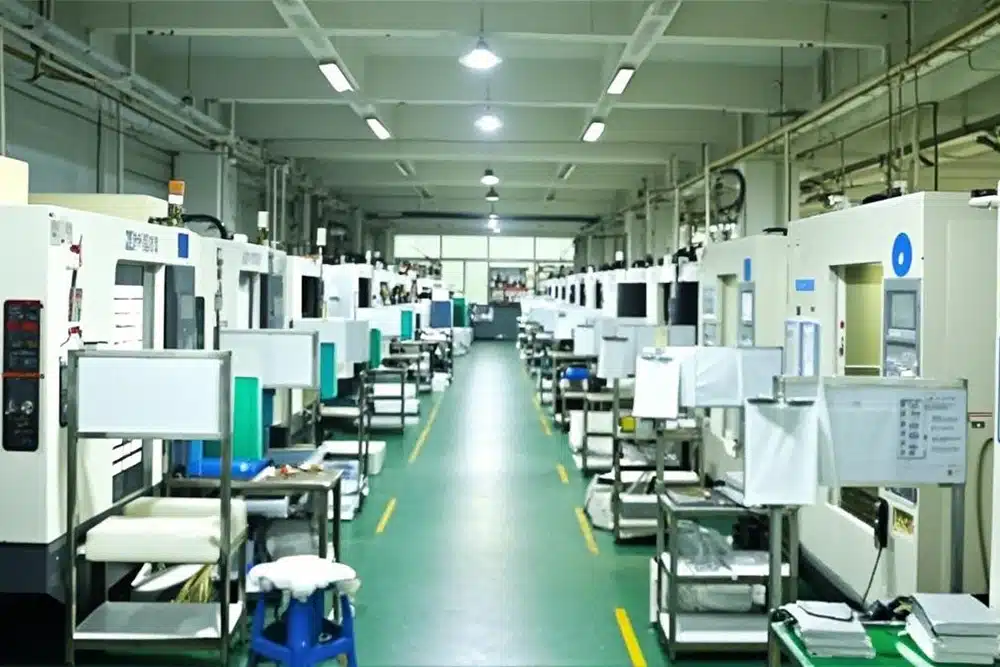
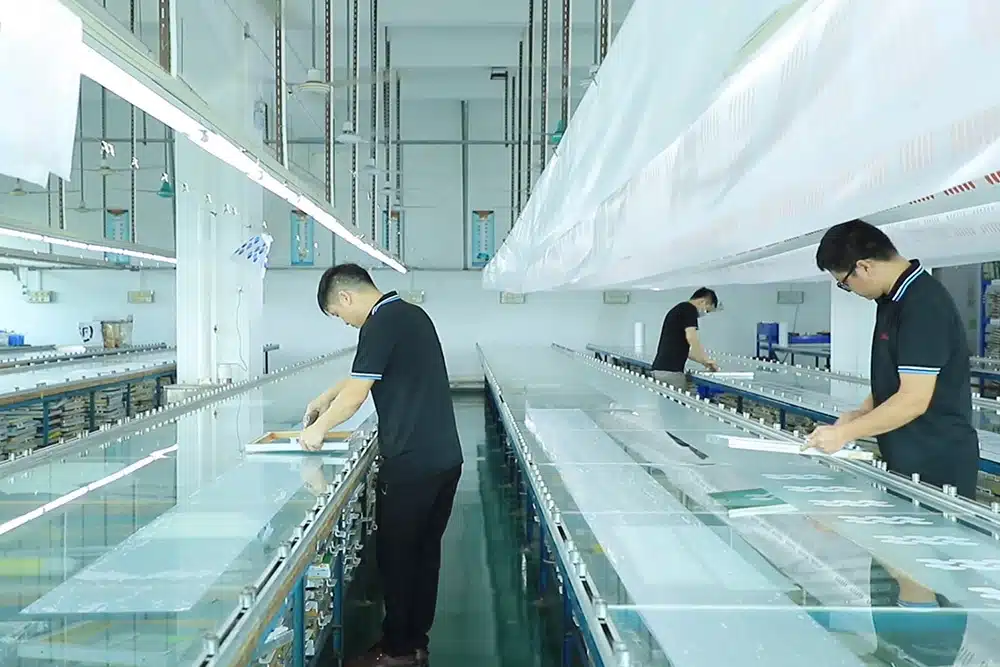
Seek out partners who have successfully worked with custom molded silicone products, support for OEM/ODM development, in-house tooling, compression molding, surface finishing options such as silk screen printing and laser engraving, and dust-free assembly facilities. These factors contribute to consistent texture details, curing and clean finished products which can be used by pets.
| Supplier Capability | Why It Matters |
| Silicone Pet Product Experience | Helps avoid design issues specific to pet use and cleaning |
| Material Selection Support | Ensures the right hardness, safety level, and performance |
| In-House Mold Design | Improves texture accuracy and development efficiency |
| Prototype Support | Allows buyers to test function before mass production |
| Molding Capability | Supports stable production of textured silicone mats |
| Surface / Logo Options | Helps create branded private label products |
| Quality Control Process | Verifies texture, thickness, odor, appearance, and suction |
| Packaging Support | Supports ecommerce, retail, wholesale, or gift set sales |
| Export Experience | Helps international buyers manage communication and documentation |
Conclusion — Good Lick Mats Depend on Material, Texture, and Manufacturing Control
While silicone lick mats can be an excellent addition to a pet product line, the end result should be made based on practical use and not appearance. The ideal lick mat should be made of safe silicone material, have a texture depth that works well for licking, be thick enough to not fall apart, be easy to clean, provide a secure grip, and have a consistent manufacturing control from tooling to inspection.
If brands and retailers carefully consider design, materials, and manufacturing processes, they can produce a lick mat that works for pets and is successful commercially. Collaborating with a manufacturer who has the experience and knowledge of these factors can make a significant difference in realizing a concept into a dependable and market-ready product with reduced revisions and improved long-term performance.