
Eco friendly silicone pet accessories are pet items which are made with sustainable and durable silicone material, designed to last a long time, manufactured responsibly and packaged efficiently. They not only use keywords such as “durable” or “easy to clean”, but are also designed in a way that makes them easier to clean, less frequently replaced, have a longer product life and controlled production processes to minimize waste. It’s a way to support pet brands, importers and private label sellers in helping to create silicone pet bowls, feeding mats, lick mats, toys, grooming products and travel products that are designed to be created for value and to meet environmental needs.
While many buyers believe silicone must be green by design, there are numerous factors that determine the sustainability of a product – its design, manufacturing, and use. Eco-friendly silicone pet accessories should not be judged based on generalities of sustainability, but should be considered based on the product lifespan, product safety towards humans, manufacturing efficiency, waste control, packaging and actual durability of the product. This guide is packed with practical information gleaned from many years of custom silicone manufacturing that can help you make the right decisions.
What Are Eco-Friendly Silicone Pet Accessories?
Eco-friendly silicone pet accessories are eco friendly reusable pet products that are safe and long-lasting, as well as responsibly made. Their products range from silicone pet bowls and feeding mats, lick mats, toys, grooming tools, and bottle covers to travel accessories. The emphasis is placed on the development of products that have a longer life, lower replacement rates and include controlled manufacturing processes.
| Item | Explanation | Product Type |
| Reusable silicone pet accessory designed with durability and responsible production in mind | Common Products | Pet bowls, feeding mats, lick mats, toys, grooming tools, bottle covers, travel accessories |
| Sustainability Focus | Longer product life, safer material selection, waste reduction, practical packaging | Key Advantage |
| Silicone can support reusable and washable pet product designs | Important Limitation | Silicone should not be marketed as biodegradable unless supported by valid evidence |
| Buyer Focus | Material safety, durability, quality control, packaging, and responsible claims |
For brands developing bowls, lick mats, feeding mats, travel covers, toys, and grooming tools, eco-friendly silicone pet accessories should be designed around durability, safe material selection, cleaner production planning, and practical packaging choices.
Why Silicone Can Support More Sustainable Pet Product Design
Sustainability is a silicone specialty, and it may be manifested most often in its durability and reusability instead of its biodegradability. Some one-use or long-term use pet products may be harmful, whereas silicone pet products can be beneficial with proper formulation and construction, as they can withstand pressures of repeated washing, exposure to various temperatures, and everyday use.
| Silicone Feature | Sustainability-Related Benefit |
| Reusable Design | Helps reduce frequent replacement when the product is well made |
| Washable Surface | Supports daily cleaning and repeated use |
| Durability | Longer product life can reduce waste over time |
| Flexibility | Helps products bend without cracking easily |
| Heat Resistance | Supports cleaning and broader use conditions depending on material |
| Moldability | Allows multifunctional designs that combine grip, texture, and branding |
| Quality Consistency | Reduces defective products and avoidable production waste |
| Custom Design | Helps create products that better fit real user needs and last longer |
Sustainability Claims Buyers Should Use Carefully
Brands need to be mindful of the use of the term “environmental” to avoid “greenwashing” consumers. Sustainability claims for silicone pet accessories must be backed by material data, testing and manufacturing practices and not with a general claim.
| Claim Type | Risk If Used Carelessly | Better Approach |
| 100% Eco-Friendly | Too broad and difficult to prove | Explain specific improvements such as durability or reduced packaging |
| Biodegradable Silicone | Often unsupported for standard silicone | Avoid unless verified by reliable evidence |
| Zero-Waste Production | Usually unrealistic | Describe waste reduction or scrap control practices |
| Recyclable Product | Depends on local recycling systems and material handling | Confirm actual recycling pathway before claiming |
| Sustainable Packaging | Can be valid if packaging materials are specified | State paper-based, reduced-plastic, or recyclable packaging where accurate |
| Non-Toxic | Too vague without testing context | Use material safety or compliance documentation where relevant |
Material Selection for Eco-Friendly Silicone Pet Accessories
As far as pet products are concerned, responsible material selection involves balancing the safety, performance, durability, and function. Grooming tools are best suited to formulations that are non-irritating to the skin, while formulations used in food applications are best suited to foods and mouths.
| Material Factor | Why It Matters |
| Food-Contact Silicone | Important for bowls, lick mats, feeding mats, and treat toys |
| Safe Pigments | Supports product safety and color stability |
| Proper Curing | Helps reduce odor and improve material stability |
| Shore A Hardness | Affects durability, flexibility, and product lifespan |
| Tear Resistance | Important for toys, mats, bottle covers, and flexible accessories |
| Odor Control | Improves customer acceptance and product quality |
| Documentation | Helps buyers verify material suitability for target markets |
| Additive Control | Reduces unnecessary formulation risks |
Product Design Practices That Reduce Waste and Improve Lifespan
The impact of good design will be directly related to the product’s life span, its production yield and its overall environmental impact. With careful design, there will be no unnecessary waste and premature failure.
| Design Practice | Sustainability Benefit |
| Stable Wall Thickness | Reduces deformation, tearing, and production defects |
| Rounded Edges | Improves durability and user experience |
| Easy-to-Clean Texture | Supports repeated use and better hygiene |
| Proper Hardness Selection | Helps balance flexibility and long-term performance |
| Durable Logo Design | Reduces wear and keeps products usable longer |
| Multifunctional Design | May reduce the need for separate accessories |
| Sample Testing | Prevents waste caused by failed mass production |
| Packaging Planning | Reduces overpackaging and improves shipping efficiency |
Manufacturing Practices That Support More Responsible Production
One of the easiest ways to increase sustainability is through packaging. Purchasers have the ability to choose an alternative that will reduce the amount of plastic or paper in use while still offering product protection during shipping and on store shelves.
| Manufacturing Practice | Why It Supports Sustainability |
| Design Review Before Tooling | Reduces mold changes and failed samples |
| Accurate Mold Making | Improves production consistency and reduces defects |
| Raw Material Control | Helps avoid material mismatch and batch waste |
| Color Matching Control | Reduces rejected products due to color variation |
| Stable Molding Process | Improves yield and reduces scrap |
| In-Process Inspection | Catches issues before large batches are affected |
| Final Quality Control | Reduces returns, complaints, and avoidable waste |
| Practical Packaging Planning | Reduces overpacking and shipping inefficiency |
Packaging Choices for Sustainable Silicone Pet Products
Quality control is intrinsically related to sustainability as defective products result in waste, return and re-shipment. Stirring and thorough testing of every batch assures that only high quality products are delivered to customers.
| Packaging Option | Best Use Case | Buyer Note |
| Kraft Box | Retail or gift-style pet products | Stronger presentation with paper-based material |
| Paper Sleeve | Bowls, mats, or simple accessories | Reduces full-box packaging where protection is not critical |
| Hang Tag | Grooming tools, toys, and accessories | Lightweight and retail-friendly |
| Recyclable Carton | Wholesale and bulk shipping | Supports practical transport protection |
| Minimalist Packaging | Ecommerce or low-waste product positioning | Must still protect product during shipping |
| Reduced Plastic Bag Use | Sustainability-focused brands | Confirm cleanliness and shipping protection needs |
Quality Control as a Sustainability Practice
Each silicone and plastic pet accessories have their own merits, depending on the situation. Silicone can be even more durable and reusable than other materials for flexible and maintenance items.
| QC Item | Sustainability Connection |
| Raw Material Inspection | Prevents incorrect material from entering production |
| Hardness Testing | Ensures product performance and reduces failure risk |
| Odor Check | Reduces customer complaints and returns |
| Dimensional Inspection | Prevents fit or function problems |
| Color Consistency | Reduces rejected batches for visual mismatch |
| Surface Inspection | Identifies bubbles, stains, flash, and defects early |
| Functional Testing | Confirms product performs as intended |
| Packaging Inspection | Reduces shipping damage and repacking waste |
| Batch Traceability | Helps investigate problems without rejecting all stock |
Eco-Friendly Silicone vs Plastic Pet Accessories
Each silicone and plastic pet accessories have their own merits, depending on the situation. For items requiring flexibility and maintenance, silicone can outperform other materials in terms of durability and reusability.
| Factor | Silicone Pet Accessories | Plastic Pet Accessories |
| Durability | Often supports flexible, reusable product designs | Varies widely by plastic type and product thickness |
| Flexibility | Good flexibility and rebound when properly selected | Usually rigid or semi-rigid |
| Cleaning | Smooth silicone can be easy to rinse and reuse | Easy to wipe but may scratch or stain depending on material |
| Heat Resistance | Generally better than many common plastics when properly selected | Depends strongly on plastic type |
| Replacement Frequency | Can be lower when design and quality are strong | May be higher for low-cost or thin products |
| Cost | Usually higher than basic plastic | Often lower for simple mass products |
| Sustainability Value | Based mainly on long service life and reusability | Depends on material, lifespan, and recycling pathway |
| Claim Risk | Avoid broad “eco-friendly” claims | Avoid broad “recyclable” or “green” claims without support |
What Buyers Should Prepare Before Requesting an Eco-Conscious Silicone Pet Product Quote
Comprehensive project data will assist manufacturers to make the best material and process recommendations, ensure no revisions, and minimize waste materials.
| Information to Prepare | Why It Helps |
| Product Type | Defines whether it is a bowl, mat, toy, cover, or grooming tool |
| Use Scenario | Helps match material and design to real product use |
| Sustainability Goal | Clarifies whether the focus is durability, packaging, waste reduction, or material documentation |
| Material Requirement | Helps select suitable silicone grade |
| Testing Requirement | Supports food-contact, skin-contact, or market-specific documentation |
| Hardness Requirement | Affects durability, flexibility, and user experience |
| Color Requirement | Helps plan color matching and reduce rejected samples |
| Logo Requirement | Helps choose durable branding methods |
| Packaging Preference | Supports reduced-plastic or paper-based packaging planning |
| Quantity Estimate | Helps evaluate MOQ, unit cost, and production efficiency |
| Target Market | Helps confirm compliance and labeling expectations |
| 3D File or Sample | Allows accurate engineering and tooling review |
Common Mistakes When Sourcing Eco-Friendly Silicone Pet Accessories
Avoiding these pitfalls can help you avoid running your project out of time and budget and ensure that your project delivers value.
| Common Mistake | Better Approach |
| Using vague eco-friendly claims | Explain specific benefits such as durability or reduced packaging |
| Assuming silicone is biodegradable | Avoid biodegradable claims unless properly verified |
| Choosing only the lowest-cost material | Balance cost with safety, durability, and product lifespan |
| Ignoring product lifespan | Design for repeated use and cleaning |
| Overcomplicating the design | Avoid unnecessary features that increase defects and waste |
| Using excessive packaging | Select practical packaging that protects the product without overpacking |
| Skipping durability tests | Test flexibility, washing, odor, color, and function |
| Ignoring QC | Use inspection to reduce rejects, returns, and avoidable waste |
How to Choose a Manufacturer for Eco-Friendly Silicone Pet Accessories
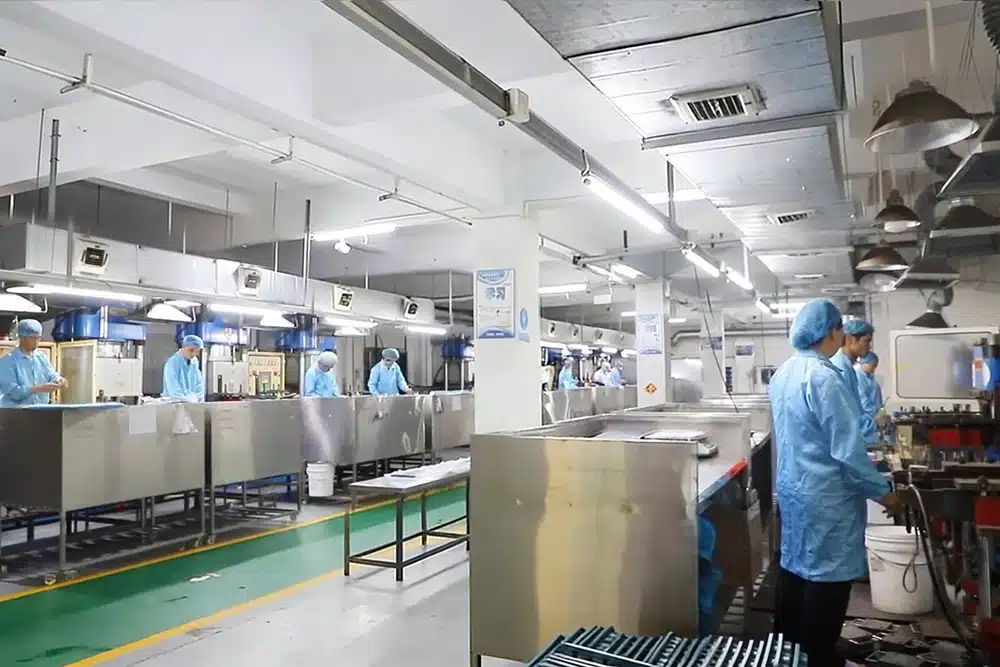
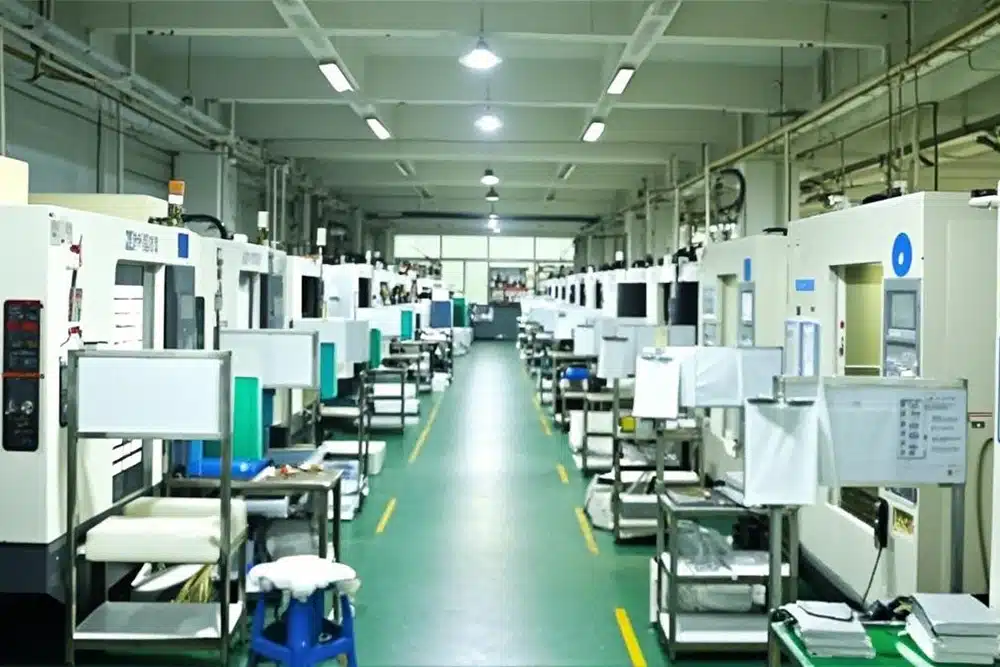
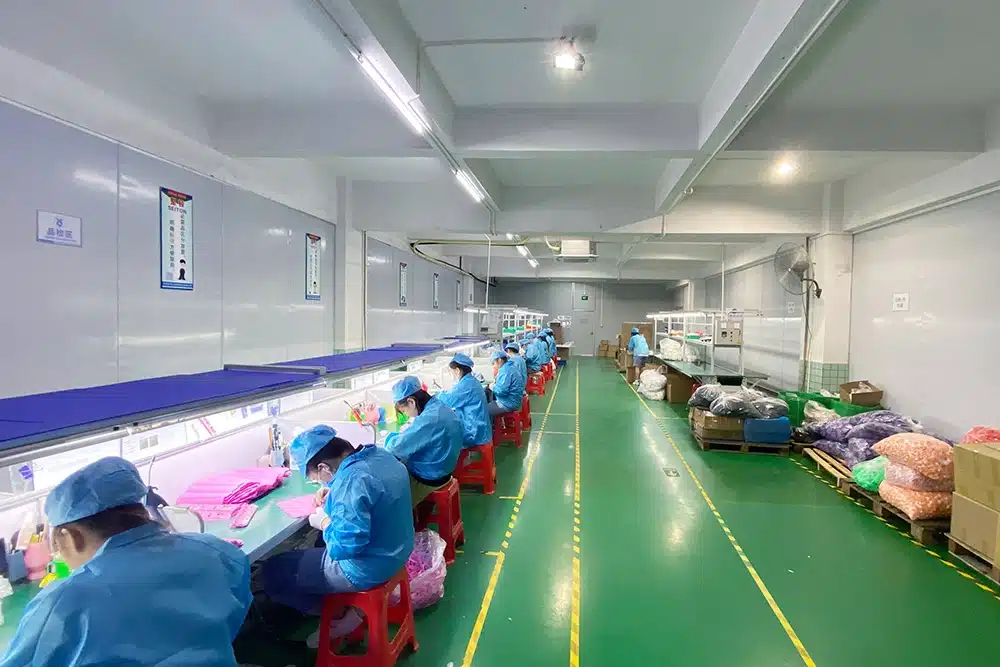
Choosing the right silicone pet product manufacturer requires a consideration of technical capabilities, quality systems and commitment to sustainable design practices. It is necessary to seek the cooperation of the partners who have material knowledge, their own mold and prototype support, stable production process, clean assembly sites, etc.
| Supplier Capability | Why It Matters |
| Material Selection Knowledge | Helps balance safety, durability, cost, and sustainability goals |
| Design Review Support | Reduces tooling mistakes, failed samples, and unnecessary waste |
| In-House Mold Design | Improves production consistency and reduces communication errors |
| Prototype Support | Allows buyers to test durability before mass production |
| Stable Molding Capability | Helps reduce defects and scrap during production |
| Quality Control Process | Reduces returns, rejects, and avoidable waste |
| Packaging Support | Helps plan reduced-plastic or retail-ready packaging |
| Clean Handling Environment | Supports better product cleanliness and final presentation |
| Export Experience | Supports documentation, communication, and international shipping needs |
Conclusion — Sustainability Starts With Honest Design and Better Production Decisions
The best silicone pet items are developed genuinely and practically by their choice of materials, design for durability, simplicity at all times, minimisation of packaging waste where possible, and sampling and control during mass production ensuring the product quality. Brands do not have to make general green claims, but need to develop pet products that are safe, useful, durable, and made reliably.
Buyers can focus on the actual and material features, such as the material safety, product durability, efficiency of production and packaging design, and thereby tailor silicone pet products which will not only satisfy the end-users’ requirements but also help to achieve more responsible product production methods.