
Custom silicone pet items aren’t just about choosing a shape, color and supplier price. But many buyers find themselves stuck with problems that result in extended lead times, increased costs, product quality issues, and even product failures, due to decisions being made too late in the process – regarding material, design, tooling, sampling, and quality control. For a custom silicone pet product, whether it’s a pet bowl or lick mat, feeding mat, pet toy, grooming product or travel product, it needs to adhere to strict safety, durability and usability requirements for use in real world pets.
Typical ordering errors tend to be in the requirements, material selection, not designing for manufacturability, not testing, or making brand and packaging decisions late in the process. Early control of material, design, tooling, sampling, testing, quality inspection, branding and packaging—rather than simply selecting the lowest unit price—is the key to successful order for custom silicone pet products. Many customers think that a mould supplier can solve all their problems once tooling has started, but silicone product quality is very much a function of decisions made prior to the moulding operation. To minimize these risks, buyers should consult with an established, experienced custom silicone pet product manufacturer who will review material, hardness, wall thickness, texture, tooling, sampling and inspection needs prior to mass production.
Mistake 1: Choosing Silicone Material Without Defining Product Use
The selection of materials should start with actual use of the product and not be based on a general request to supply “food-grade” or “soft” silicone. Various applications require different formulations and overlooking this may result in odor problems, poor durability, cleaning problems or compliance failures.
For instance, pet bowls and feeding mats must be food-contact safe, resist heat and dishwasher. Lick mats need to be easy to clean and not be easily torn. Pet toys need to be able to withstand biting and pulling, and grooming products focus on the softness of the skin.
| Product Use Scenario | Material Consideration |
| Pet Bowls and Feeding Mats | Food-contact silicone, odor control, heat and cleaning resistance |
| Lick Mats and Treat Toys | Food-contact material, texture cleanability, tear resistance |
| Pet Toys | Durability, bite behavior, hardness, and tear resistance |
| Grooming Accessories | Skin-contact comfort, softness, bristle flexibility, cleaning |
| Bottle Covers and Travel Accessories | Grip, stretch, tear resistance, outdoor handling |
| Outdoor Pet Products | UV, heat, aging, color stability, and durability |
| Branded Retail Products | Safe pigments, color consistency, and documentation |
This is where close collaboration with a manufacturer can be extremely beneficial to optimize silicone grade, hardness (Shore A) and additive selection for performance and safety.
Mistake 2: Approving Product Design Before Manufacturability Review
Even a good-looking design on paper can lead to serious production problems if it’s not been reviewed by Design for Manufacturability (DFM). Problems such as uneven wall thickness, deep textures or undercuts can increase tooling expenses, product faults or weaknesses.
| Design Issue | Possible Risk |
| Uneven Wall Thickness | Deformation, weak areas, or inconsistent feel |
| Texture Too Deep | Difficult cleaning and possible residue buildup |
| Sharp Corners | Higher tearing risk and poor user experience |
| Thin Stress Points | Breakage or tearing during use |
| Complex Undercuts | More difficult mold design and higher tooling risk |
| Logo in Food-Contact Area | Cleaning problems or poor user perception |
| Poor Suction Cup Design | Weak grip or difficult demolding |
| No DFM Review | Tooling changes, delays, and extra development cost |
Design feedback during the early engineering phase avoids costly changes later on regarding wall thickness, placement of logos, suction and cleaning friendly structures.
Mistake 3: Skipping Real Sample Testing Before Mass Production
Taking the pictures and getting the basic samples approved is not sufficient. Problems only emerge when the product is actually used by a pet, in a dishwasher or when it is subjected to repeated stress, as is demonstrated in real sample testing.
| Sample Test | Why It Matters |
| Hardness Check | Confirms product feel and functional performance |
| Fit Test | Important for bottle covers, bowls, inserts, and assembled products |
| Cleaning Test | Shows whether textures, grooves, and logos are practical |
| Odor Check | Helps avoid customer complaints after production |
| Heat / Dishwasher Test | Needed before making cleaning or temperature claims |
| Grip Test | Important for feeding mats, covers, and grooming tools |
| Texture Function Test | Confirms lick mats, slow feeders, or grooming textures work as intended |
| Logo Durability Test | Verifies printed or molded branding quality |
| Packaging Test | Ensures product fits retail or ecommerce packaging properly |
Correct testing prior to approval for mass production will save considerable time and money.
Mistake 4: Treating Quality Control as a Final-Step Inspection Only
Quality should be ingrained from the outset. Final inspection alone can lead to rejections or customer returns due to material or process problems being identified too late.
| QC Stage | What Should Be Checked | Why It Matters |
| Raw Material Check | Material grade, color, documentation | Prevents wrong material use |
| Mold Trial | Shape, texture, thickness, flash, demolding | Finds tooling problems early |
| Sample Approval | Fit, function, hardness, odor, cleaning | Confirms product before mass production |
| In-Process Inspection | Appearance, flash, color, thickness | Reduces large-scale defects |
| Final Inspection | Dimensions, surface, logo, packaging, quantity | Ensures shipment consistency |
| Batch Review | Sample vs production comparison | Prevents quality drift between batches |
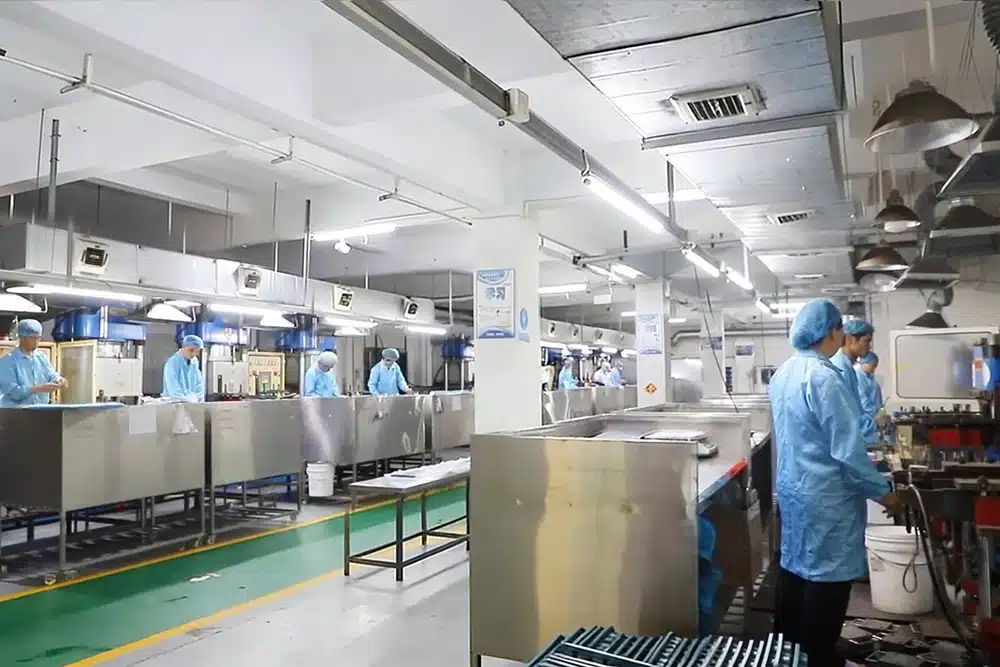
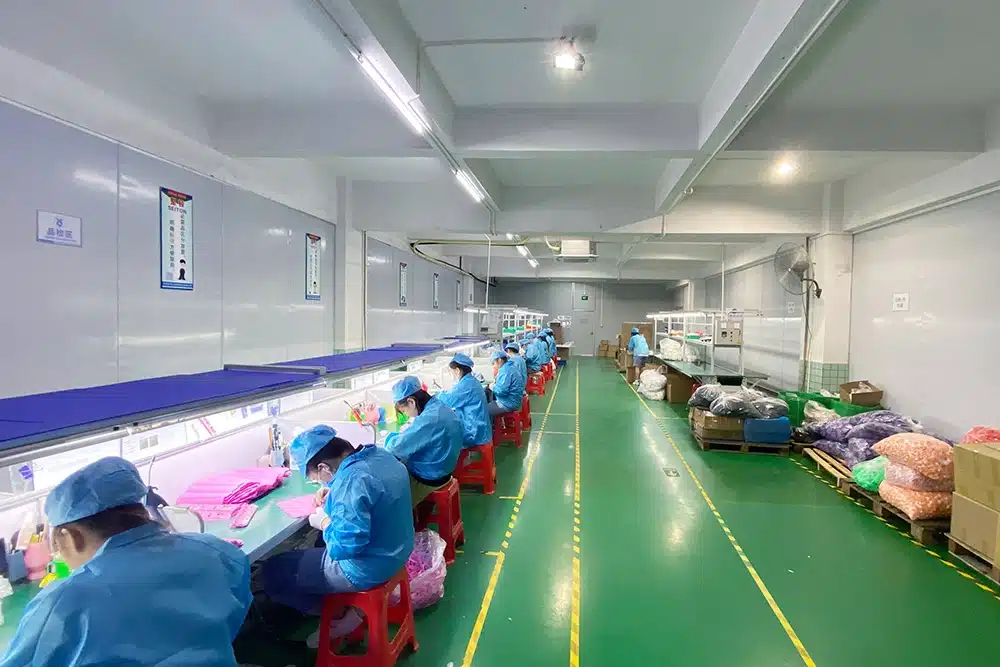
A trusted manufacturer has the necessary precautions in place throughout the production process, even in a dust-free area for pet feeding and grooming products.
Mistake 5: Leaving Branding and Packaging Decisions Too Late
Tooling, material compatibility, lead times and retail success will all be influenced by the branding and packaging options you select. Once samples are approved, it can be expensive and time consuming to make decisions on these elements.
| Branding / Packaging Decision | Why It Should Be Planned Early |
| Embossed or Debossed Logo | Must be included in mold design before tooling |
| Printed Logo | Requires surface compatibility and adhesion testing |
| Pantone Color | Requires sample confirmation and batch control |
| Logo Placement | Can affect cleaning, grip, food contact, or wear |
| Retail Packaging | Affects product dimensions, display, and cost |
| Ecommerce Packaging | Must protect product during shipping |
| Care Instructions | Helps reduce misuse and customer complaints |
| Barcode / Labeling | Important for retail and marketplace readiness |
Planning at the start means that the branding doesn’t add to the production process.
Bonus Mistake: Comparing Suppliers Only by Unit Price
In addition to cost, considerations of the lowest quote can result in hidden costs, such as revisions, quality problems, or delayed delivery.
| Low-Price Risk | Better Evaluation Question |
| Lower-grade material | What silicone grade and documentation are included? |
| Weak mold quality | Does the supplier provide mold design and trial support? |
| Limited sample support | How many sample rounds are included or expected? |
| Minimal QC | What inspection points are checked before shipment? |
| Packaging not included | Does the quote include retail or ecommerce packaging? |
| Unclear lead time | What is the tooling and production schedule? |
| Poor communication | Can the supplier understand drawings, samples, and requirements clearly? |
A balanced evaluation takes into account engineering support, quality systems and long-term reliability.
What Buyers Should Prepare Before Ordering Custom Silicone Pet Products
By doing so, the manufacturer can offer a more accurate quotation, more realistic turnaround, and more effective recommendations from the beginning.
| Information to Prepare | Why It Helps |
| Product Type | Defines whether it is a bowl, mat, toy, cover, grooming tool, or accessory |
| Target Pet | Helps determine size, hardness, texture, and durability |
| Use Scenario | Clarifies food contact, outdoor use, cleaning, heat, or bite behavior |
| 3D File or Drawing | Supports accurate engineering and tooling review |
| Existing Sample | Helps compare size, hand feel, and function |
| Material Requirement | Helps select suitable silicone grade |
| Hardness Requirement | Affects flexibility, grip, stability, and durability |
| Testing Requirement | Helps plan FDA, LFGB, REACH, or other documentation |
| Color Requirement | Supports Pantone matching and sample approval |
| Logo Artwork | Helps evaluate embossing, debossing, printing, or marking |
| Packaging Requirement | Impacts cost, lead time, and retail readiness |
| Order Quantity | Helps evaluate MOQ, unit cost, and production scheduling |
| Target Market | Helps confirm compliance and labeling expectations |
| Quality Criteria | Defines acceptable dimensions, appearance, odor, function, and packaging |
How to Choose the Right Custom Silicone Pet Product Manufacturer
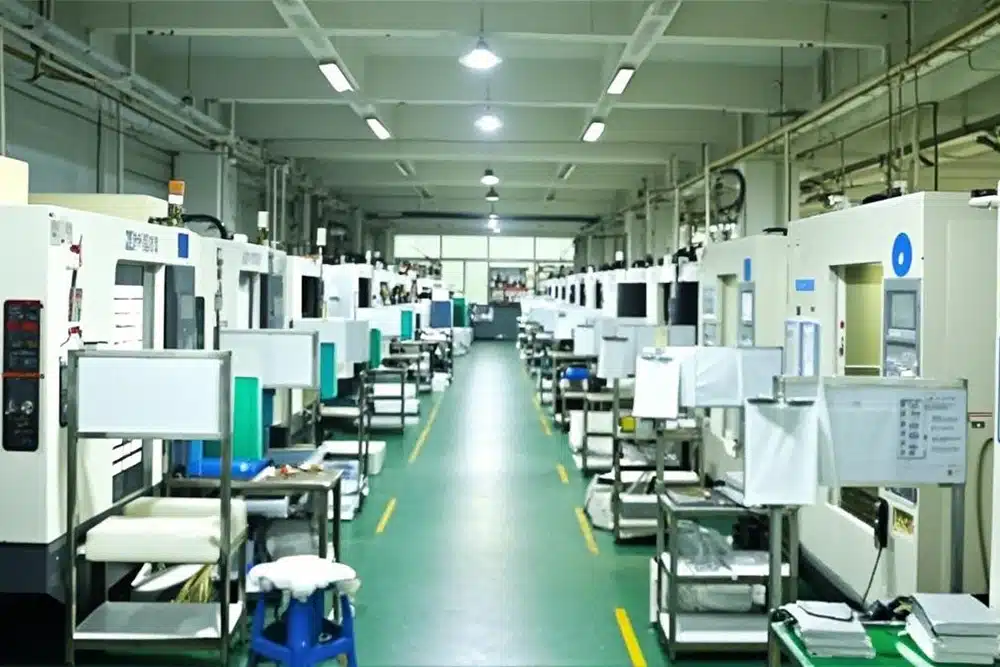
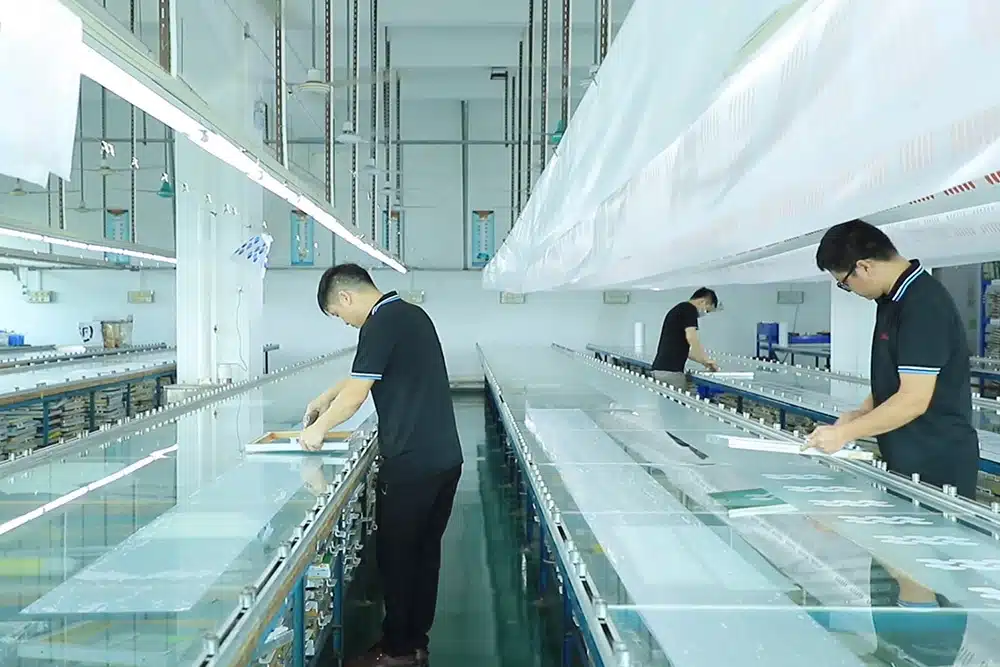
Selecting the right partner goes beyond price or catalog items. Find a manufacturer that has a good facility for custom molded silicone product development, material optimization, in-house mold making, prototype production, compression molding, surface finishing (silk screen printing, spray coating, laser engraving), and is able to maintain a strict quality control process in a clean environment.
| Supplier Capability | Why It Matters |
| Material Selection Support | Helps choose silicone based on safety, function, hardness, and use conditions |
| Design Review Capability | Identifies wall thickness, texture, cleaning, and tooling risks early |
| In-House Mold Design | Improves tooling accuracy and project communication |
| Prototype Support | Allows functional testing before mass production |
| Silicone Molding Capability | Supports stable production for bowls, mats, toys, covers, and accessories |
| Surface / Logo Options | Supports branded private label pet products |
| Quality Control Process | Verifies hardness, appearance, odor, dimensions, function, and packaging |
| Clean Packaging Environment | Important for feeding, grooming, and pet care products |
| Export Experience | Supports communication, documentation, and international delivery |
Practical Ordering Workflow for Buyers
By following a structured process, any misunderstandings are avoided and the project stays on track.
| Ordering Step | Buyer Action | Manufacturer Action |
| Requirement Definition | Share product use, target pet, market, and function | Review feasibility and recommend material |
| Design Review | Provide drawing, 3D file, sketch, or sample | Evaluate wall thickness, texture, and tooling risks |
| Quote Review | Confirm material, MOQ, tooling, packaging, and testing scope | Provide cost, lead time, and process plan |
| Sample Development | Approve design and material for sampling | Produce prototype or pre-production sample |
| Sample Testing | Test fit, hardness, odor, cleaning, function, and packaging | Adjust design or process if needed |
| Mass Production Approval | Confirm final sample and QC criteria | Start controlled production |
| Final Inspection | Review inspection report or shipment samples | Check appearance, dimensions, function, and packaging |
| Shipment | Confirm packaging and logistics details | Arrange packing and delivery |
Conclusion — Better Preparation Prevents Most Ordering Problems
When the buyer considers the project as a full product development process, rather than just a purchase of custom silicone pet products, it becomes much easier to order pet products. Clear specifications, appropriate material selection, proper DFM review, real sample testing, reliable quality control, and early planning of packaging can avoid most problems.
Whether brands, importers or retailers, by writing out the requirements and assessing the suppliers on engineering skills and quality systems, rather than just the unit price, they can produce high quality silicone pet bowls, lick mats, feeding mats, toys and accessories which will delight customers and work as intended. By taking these measures, defects will be reduced, lead times will be shortened and costs will be controlled, resulting in successful private label and OEM/ODM projects in the competitive pet products market.