
Silicone is the material of choice for industrial equipment designers where other materials would fail, in harsh environments. Silicone is flexible and retains sealing and functionality through years of extreme temperature, harsh chemicals, constant vibration, UV exposure and electrical stress. This reliability minimizes downtime, maximizes equipment life and decreases total ownership cost in industries where the absence or failure of parts is not acceptable.
When it comes to applications like heavy machinery products, renewable energy, aerospace parts, and manufacturing equipment, engineers regularly rely on silicone products when they need solutions beyond what can be achieved with plastics or rubbers or metals. Here we’ll review the tough environment issues that silicone has to overcome as well as why silicone is the preferred material. When you understand silicone’s properties for harsh environments, you can design better industrial silicone applications that withstand extreme conditions and deliver long-term reliability.
Why Harsh Environments Demand Specialized Materials Like Silicone
In an industrial environment, components are subjected to several stresses at the same time, which rapidly deteriorates the conventional materials. Equipment is subjected to extreme low temperatures of below -40°C and high temperatures of over 300°C. Outdoor installations are subjected to years of UV radiation, moisture, ozone and thermal cycling. Vibration and structural movement introduce mechanical fatigue, and electrical systems demand high voltage insulation.
The special molecular structure of silicone, a flexible silicon-oxygen backbone, makes it thermally stable, chemically inert and elastic enough to withstand these multiple attacks. Properly formulated silicone remains stable for decades of service in industrial environments, unlike many elastomers which crack, become hard or swell.
How Temperature Extremes and Chemical Stress Define Harsh Industrial Conditions
Few situations in industry are harsh enough to have only one stressor. A compressor seal in a chemical plant could be subjected to 250°C heat, petroleum oils and vibration all at once. Heavy equipment in desert or arctic conditions is subjected to rapid temperature cycling and dust, moisture and UV exposure. The reason why designers have to use materials that are engineered to meet all of the demands and not just one is that there are materials that perform well under certain conditions, and not so well under other conditions.
Challenge #1 – Temperature Resistance from -40°C to 300°C+
Industrial equipment designers select silicone for harsh environments for many reasons, but most notably for its temperature resistance. Most organic rubbers degrade or embrittle at high temperatures, but high-temperature silicone compounds have mechanical properties and sealing force in these cases.
High‑Temperature Silicone Sealants for Joints Exposed to Heat Up to 300°C
High temperature silicone sealants are unharmed by continuous service temperatures of 230-300°C and will still maintain flexibility and adhesion. They have no tendency to harden, crack and lose elasticity even after multiple thermal cycles. These will make ideal engine gaskets, valve covers, thermostat housings, forced induction systems and exhaust parts for heavy equipment and power generation equipment. The material provides reliable and durable seals, resisting leaks of hot gases, oils, or coolants in high-temperature environments.
Low‑Temperature Performance for Cold Industrial Environments
Silicone remains flexible to below 40°C in cold temperatures and is not susceptible to the brittleness and cracking that is seen in many other elastomers. For outdoor heavy equipment, refrigeration systems, aerospace parts and renewable energy applications in cold climates, this low-temperature flexibility is essential. Silicone seals and gaskets can be used by the designers to provide the performance they are expected in the severe winter cycles without failure.
Challenge #2 – Chemical Resistance to Oils, Solvents, Acids, and Cleaning Agents
Its superb chemical stability gives silicone high resistance to oils, solvents, acids and aggressive industrial cleaning solutions. Does not soften, swell or break down in contact with petroleum based fluids, many acids or strong detergents that will rapidly break down other rubber compounds.
Heavy‑Duty Equipment Sealants That Resist Chemicals, Oils, and Constant Vibration
In a chemical plant or manufacturing operation, where compressor, pumping and processing equipment is constantly exposed to oils and solvents and subjected to continuous vibration, it is important that sealants are capable of doing the job. These silicone formulations provide a reliable gasket-like seal that keeps them intact and leak free under these stresses, thereby minimizing maintenance and leakage.
Chemical‑Stable Silicone for Industrial Cleaning and Processing Equipment
Silicone parts are not affected by cleaning agents or solvents, which is ideal for facilities that wash down or process with chemicals regularly. The stability is beneficial for long-lasting sealing performance and surface integrity, which is why silicone is the preferred material for processing machinery and chemical handling equipment.
Challenge #3 – UV and Weather Resistance for Outdoor Industrial Equipment
Silicone is better suited for outdoor and exposed applications because it is much more resistant to UV radiation, ozone, moisture and thermal weathering than most organic materials. It stays flexible and protective over the years when exposed to direct sun and extreme weather conditions.
Structural Silicone for Skyscrapers and Glass Façades Tested Under ASTM C1184
Structural silicone sealants, which are tested to ASTM C1184 and other industry standards, are used to bond and provide weatherproofing for glass curtain walls and high-rise facades. They transfer winds, and can cope with the motion of buildings while effectively blocking UV, rain and temperatures — very important for modern architecture and industry.
Silicone Coatings for Roofs, Walls, and Facades with UV and Chemical Protection
Silicone coated surface protects industrial roofs, walls and exterior surfaces from UV degradation, moisture infiltration and chemical exposure. They remain flexible and adhere to the surfaces over many years of service in marine, renewable energy, and heavy industrial applications, prolonging the life of buildings and equipment.
Challenge #4 – Flexibility Under Vibration and Structural Movement
The elasticity of silicone makes it able to absorb vibrations and flex as the structure moves, without ripping or losing sealing power. The dynamic performance is a crucial factor for machinery that is subject to continuous mechanical loads.
Silicone Expansion Joints That Withstand Movements and Vibrations Without Tearing
Silicone expansion joints have excellent flexibility in a wide temperature range and accommodate thermal expansion, contraction and vibration in bridges, industrial buildings, highways and marine vessels. They stop cracking and leaking that occurs with repeated motion in less elastic materials.
Gasket‑Like Sealing for Compressors, Pumps, and Machinery Under Continuous Vibration
Silicone gaskets and seals are used in compressors, pumps and heavy machinery to keep contact pressure even in the presence of vibration. They offer long-lasting leak-free performance and less maintenance in challenging manufacturing environments because they do not lose their ability to flex over time.
Challenge #5 – Electrical Insulation for Wire Coating and Component Protection
Silicone offers excellent electrical insulation and heat resistance characteristics, making it the preferred material for electrical insulation in harsh environments within the industrial marketplace. Interposes against current leakage, arc and degradation under high voltage and temperature changes.
Silicones for Electrical Industry to Coat and Protect Wires
In industrial electrical systems, silicone rubber coatings ensure long-term durability of wires and cables by providing insulation and maintaining their performance in harsh environments with high and low temperatures and chemical exposure. The reliability allows the safe, long-term use in manufacturing, energy, and heavy equipment.
Aviation Industry Silicone for Electrical Wires, Black Boxes, and Landing Gear Devices
In the aerospace and other high-reliability industries, silicone seals and coatings preserve the integrity of electrical wires, black boxes, landing gear elements, and engine gaskets. The material is also able to resist temperature extremes, vibrations and environmental stresses and provide consistent electric insulation.
Key Design Considerations for Industrial Silicone Parts in Harsh Environments
These are the factors of success to be taken into consideration:
- Temperature range — Match Material Grade with minimum and maximum expected service temperature.
- Chemical exposure – Choose compounds that are known to withstand particular oils, solvents, or acids found.
- UV/weather exposure – For outdoor use make sure they are UV/weather stabilized.
- Vibration/movement — Ensure adequate Elasticity and Fatigue resistance
- Electrical stress – Check dielectric strength for high voltage.
- Durability requirements – Consider the service life and maintenance schedule.
Material Grade, Thickness, and Form for Each Harsh Environment Application
Just as with other grades, for high-temperature gaskets, a special grade is selected that will have the required thickness to meet compression set requirements at high temperature. The medium-thick silicone is very flexible and is used for expansion joints. Thinner, extruder-grade high-dielectric wire coatings are used to make wire coatings. An experienced manufacturer can ensure that the exact grade, thickness and process is matched to your industrial needs.
Manufacturing Process Selection for Industrial Silicone Parts
The production method must vary with different applications to meet the desired precision, performance and economics.
RTV vs Compression vs LSR vs Extrusion for Industrial Applications
RTV silicones are appropriate for on-site sealing, gasketing and coatings. Simple geometry seals are suitable for compression molding. Liquid Silicone Rubber (LSR) molding is used for achieving high precision in making complex parts with tight tolerances. Extrusion makes a continuous product like tubing, wire insulation and seals. Selecting the appropriate process will provide optimum performance and cost effectiveness of your harsh environment application.
Summary – Temperature, Chemicals, UV, Vibration, and Electrical Stress as Core Challenges
Silicone is the material of choice for industrial equipment designers in harsh environments because it meets the five key requirements: high temperature resistance from -40°C to 300°C+, excellent resistance to chemicals in oil & solvents, superior UV and weather resistance, high vibration and movement resistance and excellent electrical insulation.
Silicone is essential in many applications from the construction industry to aerospace, heavy equipment, manufacturing, electronics, marine, and renewable energy. Engineers use this knowledge of the performance benefits to carefully select appropriate materials under specific operating conditions to develop more reliable and durable industrial equipment.
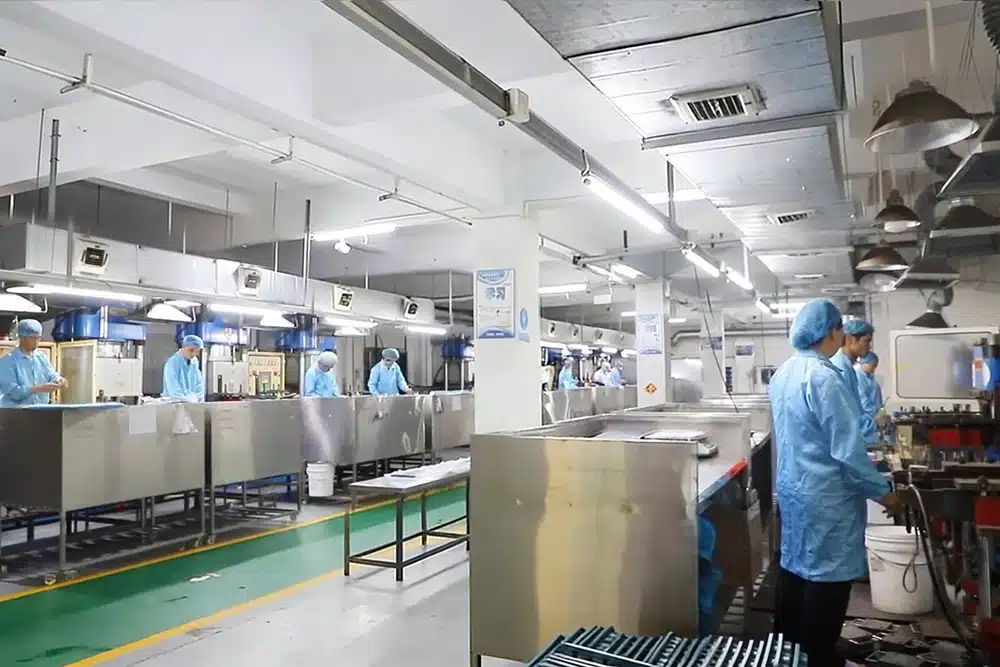
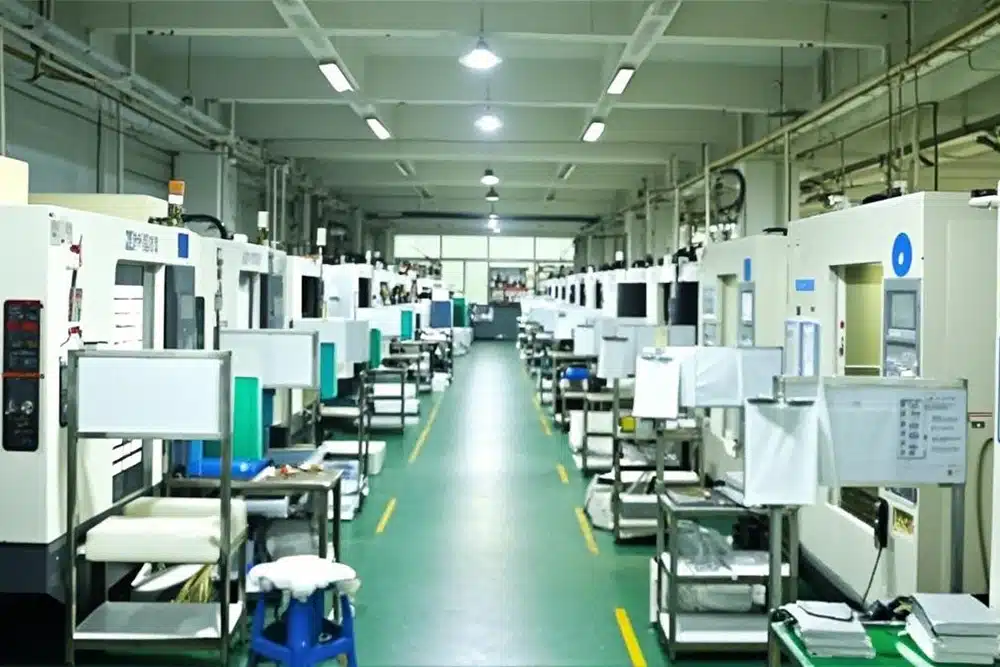
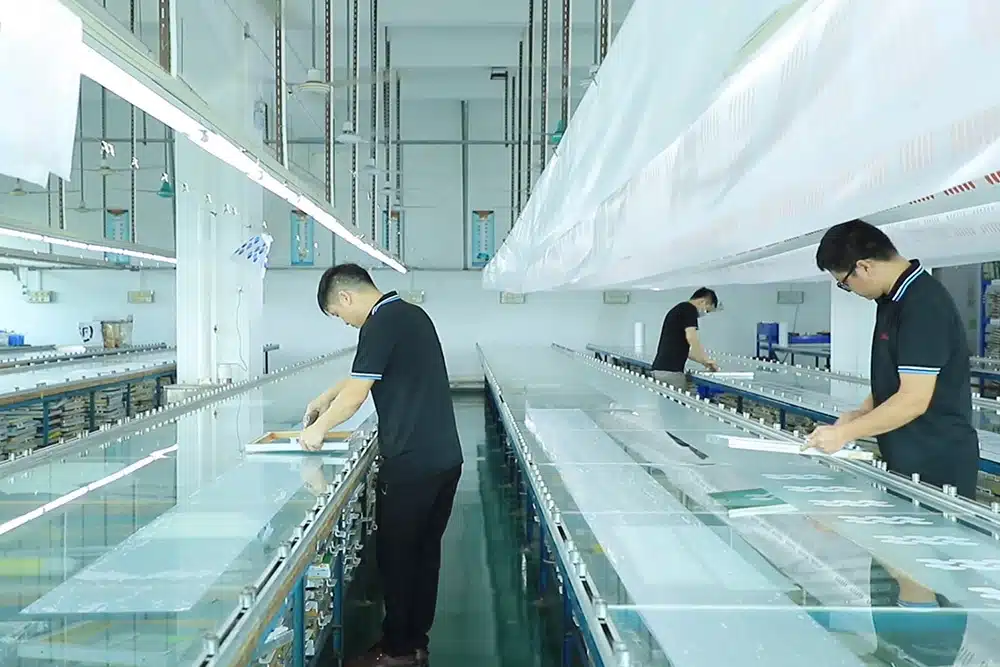
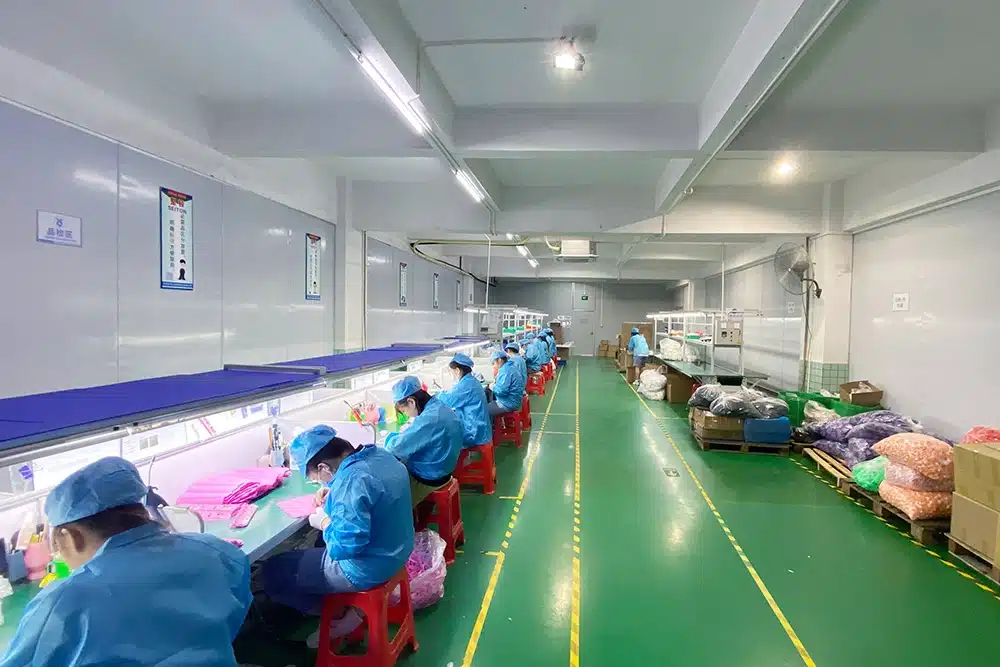
From decades of experience, at Dongguan HT Silicone & Rubber Co., Ltd., we have worked with industrial clients to create custom silicone solutions for the most challenging applications. We have in-house expertise in material formulation, mold making and precision manufacturing that enable us to provide parts that will reliably operate in the harsh reality of the field. For your next industrial project, contact our team of experts with your requirements – we are at your service to get you the right silicone material & process for the best performance and longevity.