
Medical device manufacturers have very demanding requirements: components must be held to close tolerances, be absolutely clean and comply with close regulatory standards for patient safety. While silicone molding continues to be an important process for manufacturing high quality and reliable products such as respiratory masks, valves, seals, etc., there are a number of challenges to overcome concerning contamination control, precision and documentation.
This guide covers critical silicone molding requirements for medical devices, such as ISO cleanroom standards, controlling flash (cold-runner) and batch traceability. All of these help to guarantee quality, compliance with regulations, and reliable performance in vital healthcare applications. These are all considerations for the engineer choosing the processes or the sourcing person choosing their partner, to ensure safe and high performance medical silicone components.
Why Medical Devices Require Environmentally-Controlled, Flashless, and Traceable Molding
Medical silicone components come into contact with skin, liquids or sensitive tissue, where there is no margin for error in regard to safety or operation. These three must be considered in relation to one another and production should seek to control the environment, be dimensionally precise and need to have full traceability for quality assurance and audits.
It is standard to have clean and hands free manufacturing, biocompatible medical grade materials, and sometimes post-curing or sterilizing. . When you understand cleanroom standards, flash control, and traceability requirements, you can successfully implement silicone molding for medical devices that ensure quality, safety, and regulatory compliance.
How Environmentally-Controlled Manufacturing Prevents Contamination in Medical Silicone Parts
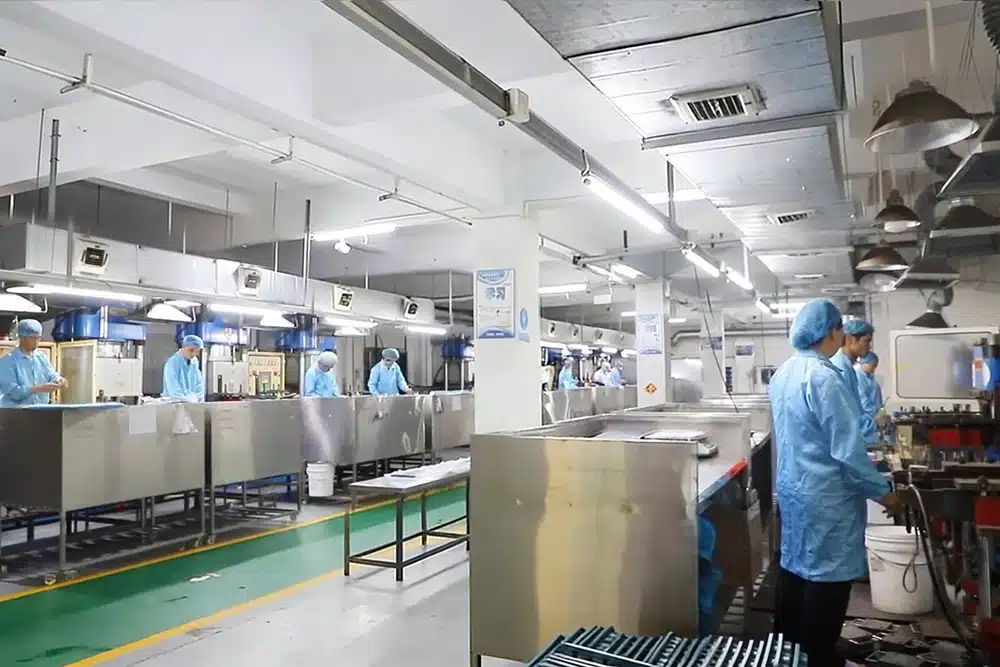
Medical and healthcare products cannot be compromised in their hygiene. Production in an ISO classified cleanroom generates an environment controlled production area which reduces airborne particles, dust and microbes. This directly safeguards the integrity of silicone parts used for patients.
The injection molding process in a cleanroom is an important process for medical silicone molding, in which strict requirements are set for entering the cleanroom, handling materials, and maintenance of equipment. The outcome is parts that are uncontaminated by secondary hazards, but at the highest possible part cleanliness.
Why Tight Tolerances and Cleanliness Requirements Are Critical for High‑Precision Medical Silicone Components
Medical corporations require parts which will operate reliably in the repeated use. Because of the low viscosity and stable flow characteristics of the material, high-precision LSR (Liquid Silicone Rubber) injection molding can produce parts with a high degree of uniformity directly from the mold without any special processing requirements.
The precision allows for close tolerances that are necessary in making seals, connectors and diaphragms and the cleanliness requirements help to prevent rejection in final assembly and/or regulatory review due to biocompatibility.
How Fully Automated Hands‑Free Injection Molding Protects Critical Components from Dust, Particles, and Contaminants
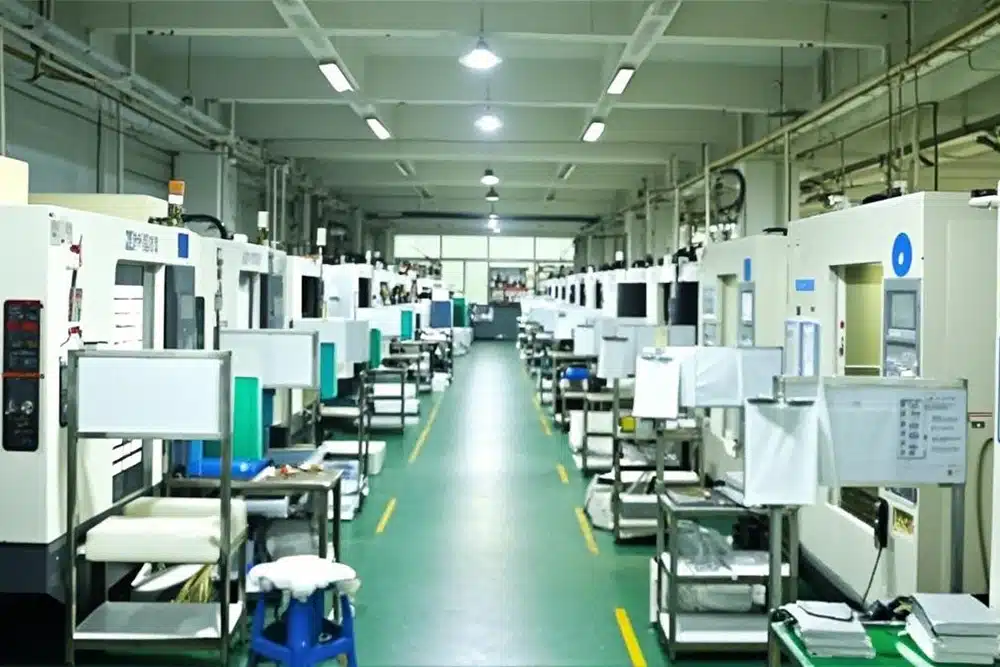
Human contact, which could introduce contaminants, is eliminated by automated, hands-free processes. The high-cavitation molding, using our ISO Class 8 cleanroom, provides repeatable quality and protects sensitive components during the molding process.
This method is particularly useful when mass manufacturing respiratory masks or other parts for drug delivery systems, because even microscopic particles have the potential to impact performance or patient safety.
Molding Consideration #1 – ISO Cleanroom Standards (Class 7/8) for Contamination Prevention
The ISO cleanroom standards are the base of medical silicone molding. Class 7 or 8 certified facilities operate under positive pressure, HEPA filtration and tight monitoring to ensure particulate levels are kept well below the standards found in a typical manufacturing facility.
These conditions ensure precision accuracy and high quality, while keeping foreign matter out of biocompatible materials.
How ISO Class 8 Clean Room Ensures Precision Accuracy, High Quality, and Protection from Dust, Particles, and Contaminants
A controlled atmosphere is required for LSR and multi-shot molding and an ISO Class 8 cleanroom offers this. In this environment, the fully automated lines safeguard the critical parts from dust, particles and contaminants, and ensure parts are consistently within medical specification.
Why ISO Class 7 Cleanrooms Minimize Contamination During Medical Silicone Molding Production
The ISO Class 7 cleanrooms provide a still higher barrier for the most sensitive applications. These environments also reduce the risk of contamination at each of the medical silicone molding steps and allow compliance with the strictest regulations.
How Clean Room Injection Molding Adheres to Stringent Cleanliness and Sterility Standards Ensuring Safe, Reliable Medical Devices
Clean room injection molding is pivotal to medical silicone molding. They ensure the sterility and cleanliness of both the raw material and the finished part, which makes them safe and reliable processes.
Molding Consideration #2 – Flash Control (Cold‑Runner Systems, Flashless Molding) for Precision
Excess material that is forced out of the mold is known as flash and will be detrimental to any tight tolerances and can cause assembly problems. For medical components, it is therefore very important to have effective flash control by either the cold-runner or flashless systems.
How Flashless, Wasteless Cold‑Runner Systems Ensure Precision and Quality in Medical Silicone Components
Wasteless, flashless cold-runner systems provide accurate material flow without waste, creating clean edges for every part and eliminating waste. This technology is especially suitable for more complex geometries which are often encountered in silicone molding for medical applications.
Why No Flash Is Critical for Medical Silicone Components to Maintain Functionality, Sealing, and Assembly
Even minor flashes can interfere with sealing performance or proper fit in assemblies. No-flash production ensures valves, diaphragms and connectors operate as intended, providing leak-proof performance for drug delivery and respiratory uses.
How High Precision LSR Injection Molding Enables Manufacturing of Consistently Uniform Components Directly Out of Machine
LR medical device injection molding is designed to utilize the excellent flow characteristics of the material to produce components that are uniform and have a minimum variance. Stable, automated processes yield parts ready for use with little to no secondary trimming.
Molding Consideration #3 – Traceability (Batch Numbers, Documentation, Quality Control) for Regulatory Compliance
A full traceability system offers the documentation support used in obtaining regulatory clearance and continuous quality control.
How Batch Numbers Are Recorded for Full Traceability Ensuring Quality Control and Regulatory Compliance
Each production batch is assigned a specific serial number and is associated with raw material certificates, process parameters and test results. This quality control of batch traceability in medical silicone parts allows for speedy investigation and the compliance with standards including ISO 13485 and FDA requirements.
Why Documentation and Reporting Keep Detailed Records Making Audits and Inspections Easy for Regulatory Approval
Detailed records detailing every stage from material incoming inspection right through to the final test make audits and inspection simpler. Good documentation is essential for regulatory approval and to show process control to notified bodies and customers.
How Quality Control Tests Every Batch Including Raw Materials and Finished Products Ensuring “If It’s Not Perfect, It’s Not Leaving the Factory”
It consists of a quality control procedure which encompasses the visual check, dimensions measurement, mechanical testing and biocompatibility testing of each batch. Both raw materials and finished products are subjected to the same stringent tests. The motto is, “If it’s not perfect, it doesn’t go out the door.
Typical Applications – Respiratory Masks, CPAP/BiPAP Masks, Valves, Diaphragms, Connectors, Drug Delivery Devices
These silicone Respiratory Masks CPAP/BiPAP Masks and Ventilators are designed for Hypoallergenic, Bio-Compatible skin contact use.
Respiratory Masks CPAP/BiPAP Masks and Ventilators Using Silicone for Hypoallergenic, Bio‑Compatible Skin‑Contact Applications
Biocompatibility and stability are both inherent properties of Liquid Silicone Rubber, making it ideal for applications in direct skin contact like respiratory masks, CPAP/BiPAP masks and components for ventilators. Even after long use these parts will not become hard or irritating.
Why Valves Diaphragms Connectors and Seals Use LSR for Fluid Management Drug Delivery and High‑Precision Applications
LSR suits are used for valves and diaphragms which require flexibility to open under pressure and close securely when closed. Precision-molded connectors and seals provide leak-free performance and accurate dosing in wearable insulin pumps, syringes and other drug delivery devices.
Summary – Cleanroom Standards, Flash Control, and Traceability as Core Molding Considerations
Three key factors in successful medical silicone production are ISO Class 7/8 cleanroom standards for contamination prevention, flashless cold running systems, for precision, and extensive batch traceability, for regulatory compliance.
Medical and health care corporations are demanding more and more, parts must meet the cleanliness requirements and be within tighter tolerances. You can be sure that when you work with an experienced manufacturer who has clean hands-free manufacturing, medical grade biocompatible materials, and post processing options like curing and sterilization, you will be able to bring safe and reliable devices to market.