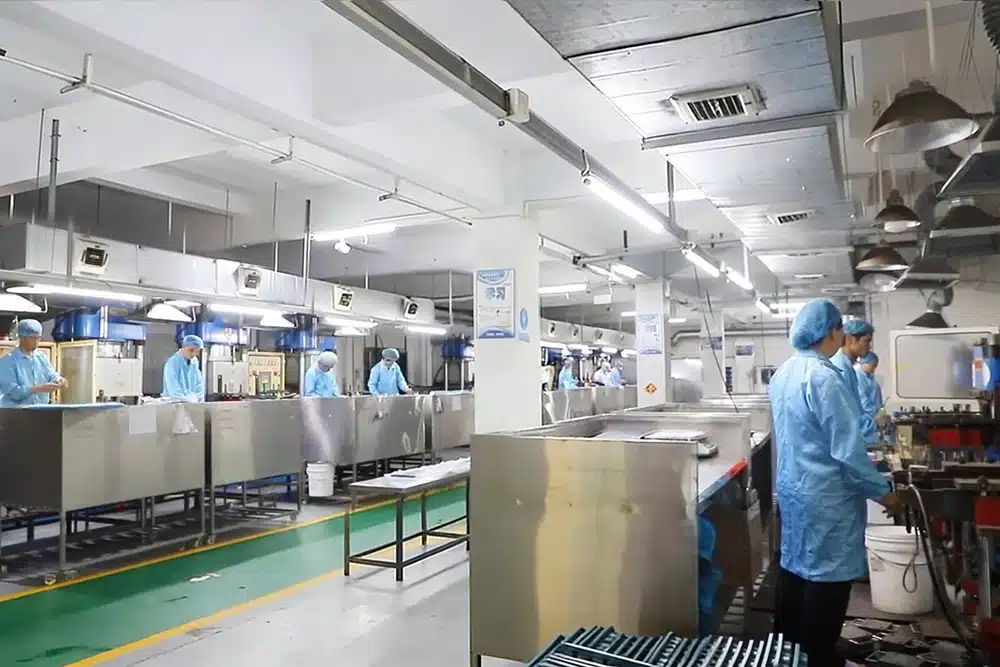

Designing silicone keypads and seals for precision instruments requires careful attention to tactile feedback, environmental sealing, temperature resistance, and long-term durability. In high-stakes fields like avionics, medical devices, laboratory equipment, and industrial automation, these components serve as critical human-machine interfaces where every press must deliver consistent, reliable performance under demanding conditions.
Instrumentation engineers and product developers know that poor keypad or seal design can lead to field failures, safety issues, or costly redesigns. This guide walks through the essential design requirements and practical tips for creating silicone keypads and seals that excel in precision measurement and control applications. Whether you’re specifying materials for a new flight control panel or optimizing seals for patient monitoring equipment, these insights come from years of supporting OEMs with custom silicone solutions.
Why Precision Instruments Demand High-Performance Silicone Keypads and Seals
Precision instruments operate in environments where standard input devices often fall short. Engineers need components that provide consistent tactile response, protect sensitive electronics from contaminants, maintain performance across extreme temperatures, and endure years of repeated use without degradation. Silicone rubber stands out here because of its inherent elasticity, chemical stability, and molding versatility.
How Industrial and Professional Environments Require Durability, Precision, and Environmental Resistance
In industrial automation, medical equipment, avionics, and laboratory instruments, silicone keypads must withstand vibration, moisture, chemicals, and temperature swings while delivering precise operator input. These high-performance HMI solutions keep critical systems running reliably where failure is not an option.
Design Requirement #1 – Precise Tactile Feedback with Adjustable Actuation Force
Precise tactile feedback forms the foundation of effective silicone keypads in precision instruments. Silicone rubber keypads are characterized by precise tactile feedback where actuation force and key travel are adjustable over a wide range. This allows designers to fine-tune the feel for specific applications, improving operator accuracy and reducing fatigue during extended use.
How Conductive Pads Establish Contact with PCB Electrodes When Keys Are Pressed
Most silicone keypads feature conductive carbon or metal-impregnated pads on the underside of each key. When pressed, these pads make reliable electrical contact with PCB electrodes. The natural elasticity of silicone returns the key to its original position, ensuring consistent performance over millions of cycles in precision measurement devices and control panels.
Why Adjustable Actuation Force and Key Travel Are Critical for Precision Input
Customization of actuation force (typically 50–200 grams) and key travel (0.5–2 mm) lets engineers match the keypad to the device’s requirements. Softer setups suit medical devices needing gentle input, while firmer configurations work better in avionics or industrial settings where deliberate presses prevent accidental activation.
When you understand tactile feedback, sealing, and temperature design principles, you can design better silicone keypads and seals for precision instruments that deliver precise input, environmental protection, and long-term reliability in measurement devices.
Design Requirement #2 – Environmental Sealing Against Dust, Water, and Fluids
Environmental sealing protects internal electronics from dust, water, and aggressive fluids. Silicone keypads can form an effective barrier, making them ideal for instruments exposed to harsh conditions.
How Mechanical Compression Seals Around Keypad Perimeter Stop Water Ingress
A simple yet effective approach uses a perimeter bead (around 0.5 mm radius) that compresses against the housing or fascia to create a watertight seal. Alternatively, a raised bead on the underside of the keypad or bonding with double-sided adhesive can achieve similar results when no fascia is present. This mechanical compression reliably prevents ingress in medical devices, outdoor instruments, and laboratory equipment.
Why Sealing Is Critical for Medical, Laboratory, and Industrial Precision Instruments
In patient monitoring devices, imaging systems, and sterilization equipment, chemical-resistant silicone keypads withstand regular disinfection. Laboratory instruments benefit from dust-free operation, while industrial automation panels resist oils and solvents. Proper sealing maintains accuracy and extends service life.
Design Requirement #3 – Temperature Resistance from -60°C to +180°C
Silicone retains its elasticity between -60°C and +180°C, resisting extreme temperatures without becoming brittle or losing shape.
How Silicone Retains Elasticity Between -60°C and +180°C Without Degradation
This wide operating range comes from silicone’s stable polymer structure. It maintains flexibility and sealing properties through repeated thermal cycling, which is essential for instruments moving between controlled indoor environments and outdoor or high-heat conditions.
Why Avionics and Outdoor Instruments Require Wide Temperature Range Keypads
Avionics systems rely on precision silicone keypads for flight control systems, navigation tools, and communications equipment. Outdoor measurement devices face rapid temperature swings from cold starts to direct sunlight. Silicone’s thermal stability ensures reliable operation where other materials would fail.
Design Requirement #4 – Durability for Repeated Bending and Constant Use
Durability ensures keypads survive millions of actuations and exposure to mechanical stress or chemicals.
How Silicone Keyboards Withstand Repeated Bending in Humid Atmospheres
Silicone offers excellent resistance to repeated bending, even in humid conditions. Its shock-absorbing properties protect against drops and vibration common in portable or vehicle-mounted instruments.
Why Abrasion and Chemical Resistance Are Critical for Harsh Industrial Environments
In factories and processing plants, silicone keypads on control panel interfaces, machine operation consoles, and safety systems resist oils, grease, and cleaning agents. This robustness reduces maintenance and downtime.
Design Tip #1 – Material Grade and Durometer Selection for Tactile Feel
Choosing the right durometer (hardness) balances tactile feedback with sealing and durability. Lower durometer (softer, e.g., 30–50 Shore A) provides a cushioned feel ideal for medical devices. Higher durometer (60–70 Shore A) delivers firmer response suitable for avionics or industrial controls. Medical-grade or high-purity formulations ensure compliance in sensitive applications.
How Durometer Affects Tactile Feel, Actuation Force, and Sealing Performance
Softer materials compress more easily for lighter actuation but may require design adjustments for sealing. Harder compounds maintain shape better under load. Testing prototypes with actual operators helps validate the right balance.
Design Tip #2 – Perimeter Bead Design for Water and Dust Sealing
Effective sealing often depends on geometry. A 0.5 mm radius perimeter bead works well against a mating surface. When no fascia exists, adhesive bonding or custom gasket features provide alternatives.
When to Use Perimeter Bead vs Raised Bead vs Double-Sided Adhesive for Sealing
Select perimeter beads for standard housings, raised beads for specific fascia designs, and adhesive for fully sealed assemblies. Prototyping and IP rating testing confirm performance in target environments like medical or outdoor instruments.
Design Tip #3 – Flame Resistance and UL-94 Rating for Hazardous Environments
For applications near flammable materials, specify UL-94 ratings. Most silicones meet HB level; V1 offers better vertical flame resistance for critical systems.
Why UL-94-V1 Rating Is Required for Hazardous or Difficult Situations
V1-rated compounds self-extinguish quickly when ignited vertically, important for military, avionics, or industrial safety equipment.
How Fire Retardants Affect Other Physical Properties and Sealing Performance
Fire retardants can slightly reduce water or UV resistance, so designers must balance requirements through material compounding and protective coatings.
Typical Applications – Avionics, Medical, Laboratory, Industrial Automation
Silicone keypads and seals power reliable interfaces across demanding sectors.
Flight Control Systems, Navigation Tools, and Communications Equipment in Avionics
Avionics demand vibration-resistant, temperature-stable keypads for flight control systems, navigation tools, and communications equipment where precise input under stress is essential.
Patient Monitoring Devices, Imaging Systems, and Sterilization Equipment in Medical
Medical applications use silicone keypads in patient monitoring devices, imaging systems, and sterilization equipment. Their cleanability and biocompatibility support sterile environments and frequent use.
Additional uses include laboratory diagnostic instruments and industrial automation control panels, where reliability directly impacts productivity and safety. Military and emergency service equipment also benefit from these rugged solutions.
Summary – Tactile Feedback, Sealing, Temperature, and Durability as Core Design Requirements
Successful silicone keypads and seals for precision instruments hinge on four pillars: adjustable tactile feedback with customizable actuation force and key travel, robust environmental sealing against dust and fluids, broad temperature resistance from -60°C to +180°C, and proven durability under repeated use and harsh conditions.
By focusing on these requirements early in the design process, engineers create interfaces that enhance device performance and user confidence. At Dongguan HT Silicone & Rubber Co., Ltd., our in-house engineering and manufacturing teams help translate these specifications into production-ready solutions with strict quality control.
If you’re developing or improving precision instrumentation, share your requirements with us. We can support everything from material selection and prototyping to full-scale production of custom silicone keypads and seals tailored to your exact needs.