
Silicone is one of the most flexible materials available in today’s manufacturing industry. A similar group of compounds can seal an automotive engine and can make a soft, grippy grip on a consumer gadget or soft, comfortable band on a wearable device. The flexibility, heat resistance, chemical resistance, and biocompatibility it provides make it possible for product designers and engineering teams to come to terms with vastly different challenges across a range of industries.
This article examines the basic functional uses of silicone—sealing/gasketing, insulation and protection, cushioning and vibration damping, comfort and skin contact, gripping and soft-touch surfaces, and branding opportunities. From a design engineer, product manager, or OEM buyer, understanding these functions can help you select the appropriate silicone solution to meet your requirements. If you want a structured overview of how different industries use silicone, our Applications hub groups use cases by sector so you can explore relevant projects in more detail.
A Function-First View: What Silicone Actually Does in Products
In every industry silicone has been found to be helpful in various ways and plays a few important roles with reliability. Consider not just the end applications, but how your product must serve its purpose: it must seal, control vibrations, be comfortable on the skin, provide a secure grip, or have a unique appearance and feel.
Why a Functional Lens Helps Engineers and Buyers
Engineers start with a tangible problem, such as ‘I need this assembly to be water tight at 150°C’ or ‘this handheld tool needs to feel comfortable and secure for hours on the job. Framing decisions are easier made around functions, and then there is the material options, part geometry and performance requirements to consider before settling on any particular industry template. This helps to minimize redesign loops and speed up development.
Sealing and Gasketing – Keeping Fluids and Contaminants Under Control
Sealing and gasketing is one of the most important uses for silicone. Silicone seals provide reliable liquid, gas, dust and contaminant sealing and retain the effectiveness over a broad range of temperatures and multiple compressions.
This has a number of important benefits, such as high compression set resistance, high-temperature and low-temperature flexibility, and good compatibility with a wide range of media. But further testing with regard to specific chemicals or fuels is still necessary with regards to material selection.
Sealing Use Cases in Automotive, Industrial and Consumer Products
Silicone gaskets are used in automotive parts, such as engine covers, lighting assemblies, and HVAC systems, where they are expected to perform well in challenging environments, including heat, vibration, and weather. Silicone seals are also used in control cabinets, pump housings and valves for industrial equipment to ensure that delicate parts and assemblies are shielded from the effects of moisture and particles.
Silicone door seals and water dispenser gaskets are used in consumer appliances and are capable of withstanding repeated opening/closing and cleaning cycles. Different environments have different requirements – oil-resistant seals are necessary for automotive components, while FDA compliance or LFGB approval is essential for food-contact seals.
Insulation and Protection – Safeguarding Electronics and Sensitive Components
Silicone has a superior ability to insulate and protect the environment. It is also highly insulating and can withstand heat and humidity, making it a perfect material for protecting sensitive electronic components and wiring.
Silicone is applied to connector boots, cable strain reliefs, protective covers and insulating pads. These parts provide protection from dust, water, mechanical damage, and extremes in temperature.
Electronics, Instrumentation and Industrial Controls Examples
Silicon strain reliefs and dust covers are used in consumer electronics, such as chargers, headphones and portable devices. In the factory, protective boots and pads are used around sensors and enclosures to keep them accurate, even in harsh factory conditions. Silicone is also an excellent barrier for outdoor LED lights and outdoor renewable energy products that are prone to UV and weather damage.
Cushioning and Vibration Damping – Controlling Movement and Shock
Silicone has a very high shock absorption and vibration damping qualities due to its viscoelastic properties. Silicone pads, bumper, feet and isolators help to minimise noise, safeguard components against impact and prolong the product life.
Engineers can tune the amount of energy the part absorbs vs. transmits by changing the durometer, thickness, and geometry.
Use Cases in Automotive, Industrial, and Consumer Products
Silicone vibration isolators are installed under electronic components and buffer pads are used between body panels in the design of an automotive vehicle. Silicone pads and feet for industrial machinery reduce vibrations being transmitted to sensitive machinery. Silicone anti-slip feet, corner bumpers and lid dampers enhance the user experience and ensure product protection in consumer goods.
Comfort and Skin Contact – Making Wearable and Handheld Products Pleasant to Use
If products are in contact with skin for longer periods of time, silicone is often used. It is soft and flexible, and has low surface friction and is resistant to body oils and sweat, which results in long lasting comfort.
The biocompatible grades extend its usefulness in medical and personal care products.
Smart Wearables, Medical Devices and Everyday Handles
Silicone used for bands on smartwatches, fitness trackers and interfaces for skin contact wear for all-day comfort and stable position. Soft silicone cushions, tubing grips and patient interface pads that are soft but durable are used in medical devices. The silicone handles of every day devices and hygienic tools provide reduced fatigue and increased control during extended use.
Grip and Soft-Touch – Controlling Slippage and Tactile Experience
Silicone grip surfaces and soft-touch overlays add to the safety and perceived quality of handling. With its natural stickiness and compression, the material provides excellent non-slip protection even when wet or oily.
Outdoor Gear, Sports Equipment and Consumer Devices
Silicone is used for outdoor products to provide secure grip in difficult situations for hiking pole grips, water bottle sleeves and camping gear handles. Silicone overmolds ward off slipping during strenuous exercise such as dumbbells, yoga mats, and gym accessories. Silicone phone grips, gadget sleeves and appliance bases are used in consumer electronics, where they blend utility with high-end feel.
Branding and Visual Differentiation – When Silicone Becomes a Design Element
Apart from its use for functionality, silicone components can also be used as prominent brand elements. Functional components are enhanced through custom colors and textures, embossing and printing to make them an interesting part of any design.
Color, Texture and Logo Options Across Industries
Specific colors are required for silicone sleeves on bottles, soft-touch grips on tools, and colored bands on wearables, in particular, as specified by the brands. There are various surface finishes that can be applied, from matte to glossy, and different methods such as silk screen printing or laser engraving can be used to add logos that will stand the test of time. Function + branding is evident in consumer electronics, Lifestyle products, outdoor items and wellness products.
Environmental and Regulatory Considerations Across Different Use Cases
The selection of the proper silicone grade is very much dependent upon the intended application and operating environment. Applications in food, skin and electrical components require certification for food, biocompatibility testing, or flame-retardant or high-dielectric formulations.
Why “Use Case + Environment” Drives Material Choice
Success in projects always links material selection to actual operating conditions – temperature range, chemical exposure, contact time allowed and available standards. The ideal product for one sector of the industry might require reformulation for another. Experienced manufacturers can guide through these requirements efficiently.
Mapping Your Product to the Right Silicone Function(s)
First, define the main functions that it needs to perform. Does it require sealing, insulating, cushioning, comfort, better grip or a better appearance for the brand? A lot of designs integrate more than one of these functions, such as a wearable that must look high-end, fit the skin, and enclose the sensors.
After making it clear what functions are important, you can engage in more productive discussions with your silicone partner.
Working with a Silicone OEM/ODM Partner to Align Functions and Applications
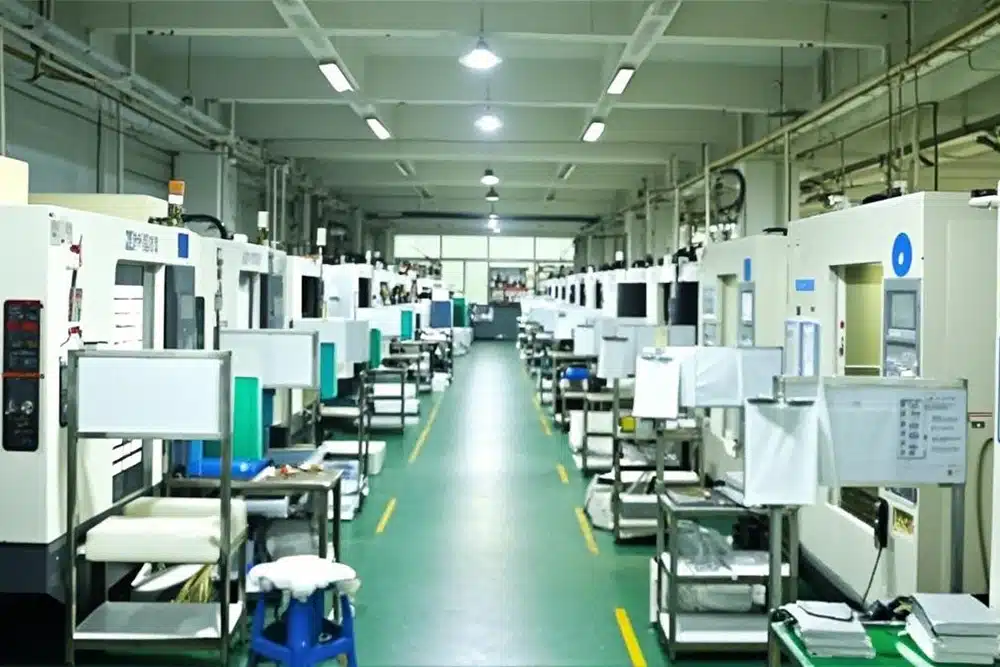
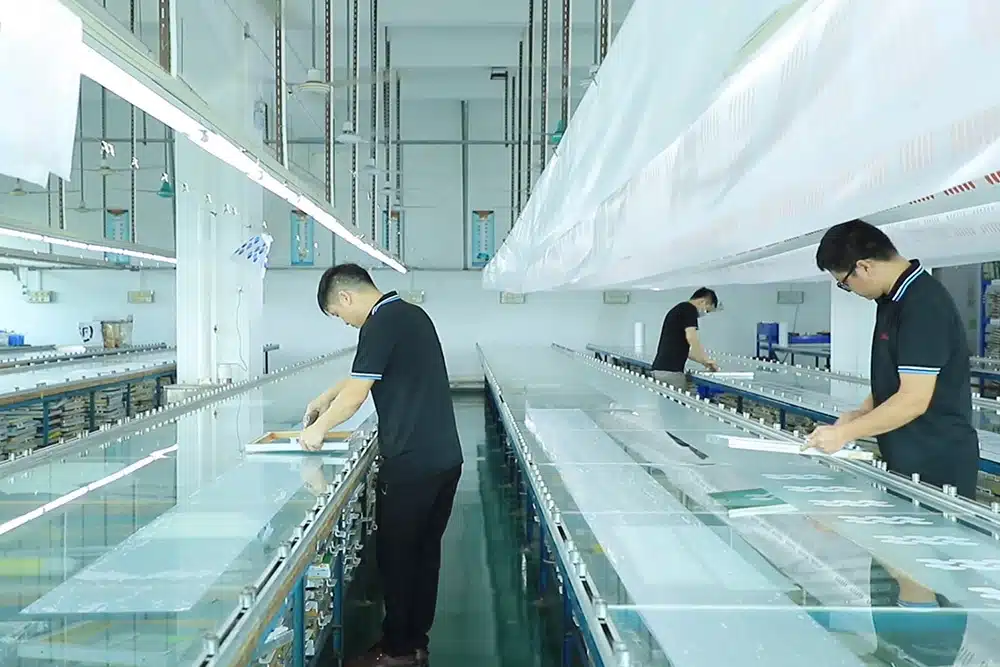
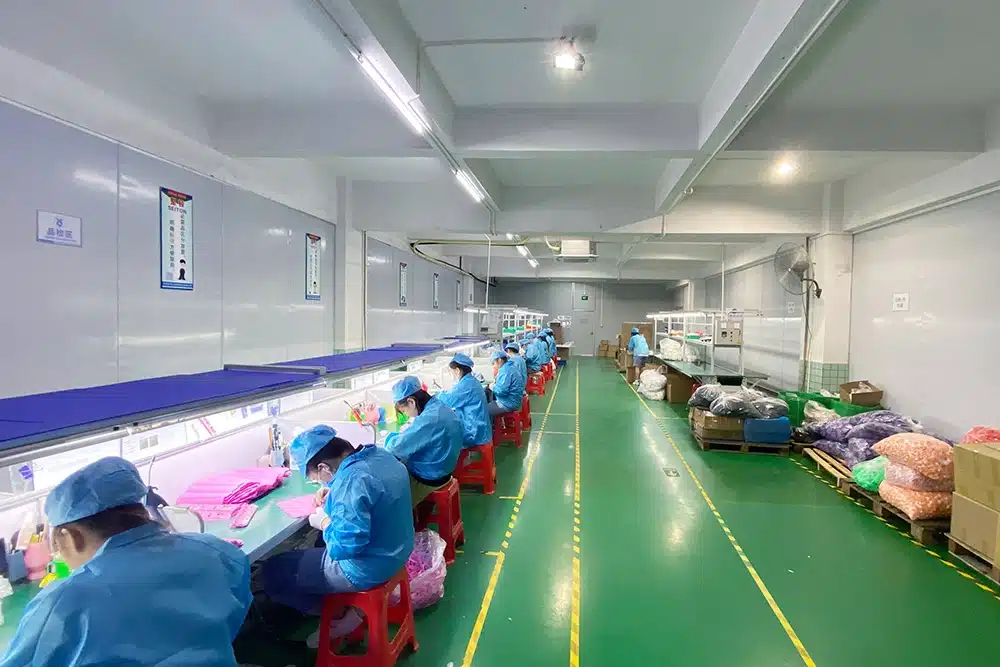
With a strong silicone manufacturer’s background comes practical experience in converting functional requirements into manufacturable parts. This involves analyzing the operating environment, suggesting the correct grade and geometry, creating effective tooling designs, and testing and prototyping performance.
Our Dongguan HT Silicone & Rubber Co., Ltd team can assist customers in a wide range of industries, including those mentioned above, with their mold making, processing, and quality control. Choosing the right silicone function for a product can result in greater performance, lower total life cost and better market differentiation.