
Silicone food storage bags are a great use to have on hand as a reusable, eco-friendly alternative to disposable plastic bags. People often ask themselves, are silicone food storage bags safe to use every day—even with hot items, freezing, or storage? High quality versions perform well but safety will depend on the quality of material, manufacturing quality, and correct use.
This guide explains what food-grade silicone truly is, its safe temperature range, essential certifications and how to prevent risks. As a concerned parent, home cook, or a company sourcing the products from a brand, you can get clarity on the answers here.
What Exactly Is Food-Grade Silicone?
Food Grade Silicone is a specially formulated silicone rubber which is both formulated and tested for direct contact with food. It consists largely of silica from sand, and is chemically inert – that is, it does not react with most foods or give off dangerous chemicals when used properly. Food grade silicone is free of BPA, phthalates, lead and other problematic chemicals.
The formulation and testing is the only distinguishable difference. The curing process and additives are carefully monitored by reputable manufacturers to guarantee that the final product adheres to the strict standards for food contact safety. This means that their well made silicone bags are durable, flexible and are not harmful in normal kitchen conditions.
FDA, LFGB and Other Food-Contact Standards
There are two key sets of standards that serve as the model for safety: the U.S. FDA requirements and the Germany’s LFGB requirements (which are often adopted throughout the EU). Both assess migration of substances from the material to food under different conditions such as temperatures, and food type.
The silicone has been tested for its safety as it passes to the food and has been FDA approved. In some migration limits, LFGB can be considered more stringent. Brands and consumers should seek out products with at least one of these certifications, as well as accompanying lab reports.
Temperature Limits – How Hot and Cold Can Silicone Bags Safely Go?
Silicone food bags that are used for food grade applications usually provide a good oven/microwave range from -40°C (-40°F) in the freezer to +200–230°C (+392-446°F) in the oven/microwave. Inside these ranges, material remains stable and will not leach harmful compounds under normal use.
Be sure to refer to the manufacturer’s range, since there is a slight difference between products.
Freezer, Microwave and Oven Use
Unlike many plastics, silicone bags will not become brittle in the freezer. They do well in the oven and microwave when properly used to reheat. Safe practices include:
- Opening up the bag or a corner of the microwave to release steam pressure.
- Keeping the bags not fully filled in high heat.
- Cooking food in short intervals and checking food temperature.
These guidelines will prevent any deformation and give long service life of the product.
Are There Any Health Risks With Silicone Food Bags?
Food grade silicone is safe for use as intended and approved by FDA or other regulatory agencies. Its inertness makes it safe to use in food storage and cooking.
Further investigation is ongoing and at present, the evidence indicates safety within recommended conditions. Risks are primarily found when the products are used improperly or are of poor quality.
Risks From Low-Quality or Non-Certified Silicone
The typical issues are caused by low-quality products that contain untested fillers, under-cured products or unknown additives. Signs consist of a persistent strong chemical odor after washing, rapid discoloration, stickiness or warping at moderate temperature.
Always ask for material certificates and third party test reports for peace of mind, particularly when purchasing in bulk.
Understanding Compliance Labels and What to Look For
To assess a silicone food storage bag, look for the clear labelling of “food-grade” and compliance with FDA, LFGB or similar standards. Check for assurance of BPA, BPS, phthalates and heavy metal free.
Business buyers should ask for complete migration test reports of the finished product, not raw material.
Why Manufacturer Choice Matters for Safety
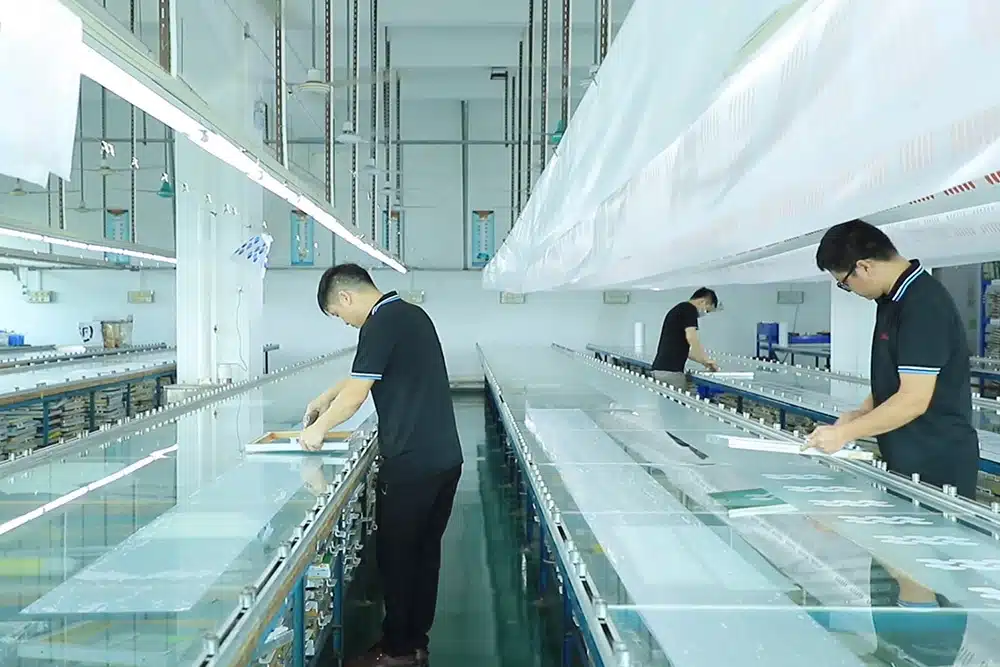
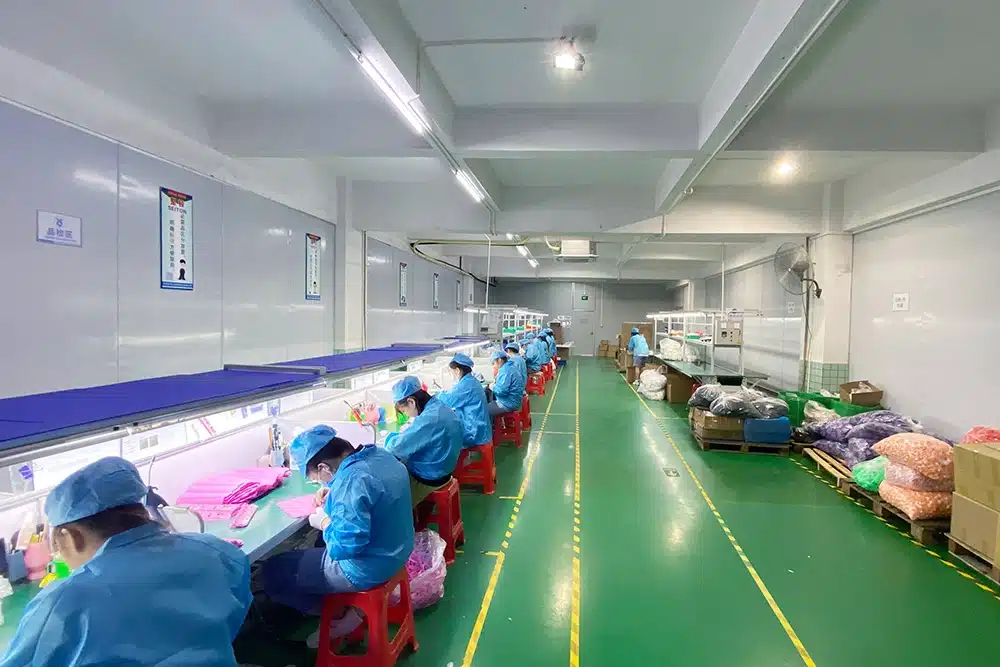
Proper material selection is just the start of consistent safety: controlled production, proper curing and thorough quality inspection at each stage must also be considered. For brands, working with a supplier that specializes in food‑grade custom silicone bags makes it much easier to meet FDA or LFGB requirements and keep proper documentation in order.
We keep our works clean, dust free and strictly test all batch in house to guarantee international food-contact standards at Dongguan HT Silicone & Rubber Co.,LTD.
Safe Everyday Use – How to Use Silicone Bags Without Worry
Simple habits – maximum of safety and lifespan:
- Thoroughly wash new bags before use.
- Don’t fill too full as it expands when freezing or heating.
- Be sure to ensure there are no sharp objects that might pierce the material.
- Keep out of the elements when not in use.
Bacterial growth doesn’t occur with good hygiene practices, no matter the material.
Cleaning, Odor and Staining Considerations
Normally, good silicone bags can be placed on the top rack of the dishwasher. Mild detergent hand washing is effective. Allow bags to hang upside down and dry thoroughly to prevent moisture from being trapped inside.
Silicone can take up any strong food flavors or light stains, such as curry or tomato sauce. This is often cured with a baking soda soak or by allowing the sun to dry it. These are beauty problems and not safety concerns.
How Silicone Compares to Plastic in Terms of Safety
Typically, food-grade silicone has a greater temperature stability than most plastics. Resists degradation over a broader range and is not easily brittle in the freezer or release chemicals upon heating.
Both materials are safe if they are produced and utilized correctly in line with the guidelines, but silicone may last longer, which can lead to fewer replacements and the risk of worn containers.
When Silicone Is the Safer Choice
Silicone is especially suited for high-heat reheating, repeated freezer-to-oven use and for daily use over a period of time. It is also very reusable, which is also in line with sustainability efforts without sacrificing safety.
Practical Checklist for Choosing Safe Silicone Food Bags
When shopping or sourcing use this checklist:
- Verify that “food-grade silicone” is properly labeled.
- Verify FDA and/or LFGB compliance.
- Takes temperature range into account (freezer to 200° centigrade).
- Ask for third party lab test reports.
- Don’t use products that give off strong chemical scents.
- Look for suppliers that offer care advice and transparency of materials.
Safe When You Choose Quality and Use Them Right
The high-quality, certified silicone bags are considered safe by most regulatory agencies. The most important ones are quality of the materials, following the temperature rules and sensible care routines.
When it comes to silicone, you can trust it to provide convenience, durability, and eco-friendly choices while keeping your worries to a minimum by sticking to reputable brands and ensuring correct usage. We offer assistance to brands to create safe, toxic-free silicone reusable food bags that are reliable to use.