
When you pack up leftovers or prepare meals, you have a decision to make: to use a plastic, one-time bag or a silicone reusable one. Many people use plastic by habit as it seems safe and easy. However, silicone reusable food storage bags are becoming popular options due to their durability, safety, and environmental impact.
This article takes two scenarios and a few real numbers and shows how these two options measure up on cost, safety, and the environment. From making informed decisions about product lines as a brand to reducing single-use plastics at home, these clear insights will help you make informed decisions.
What Are Reusable Silicone Food Storage Bags?
Reusable silicone food storage bags are versatile bags that are typically comprised mostly of food grade silicone, sometimes platinum cured silicone. They not only resist tearing and bursting like single-use plastic bags, but they retain their shape and seal over time and have the ability to be used repeatedly (freeze, reheat, repeat).
Good-quality ones are thick, soft, close, and can withstand temperature fluctuations without deteriorating. They are different from low-quality or fillers used by the cheap imitators, which is why it is important to choose suppliers wisely.
Typical Use Cases in the Kitchen and Beyond
These bags are great for any day. Keep leftovers safely in the fridge, freeze soups or smoothies for months, or marinate meats safely. They are a favorite of meal preppers due to their ease of packing up in backpacks as lunches. Families use them as snacks on the road, or travelers as a way to pack goods into the toiletries.
Silicone versions excel in high heat applications such as sous vide or microwave reheating and to prevent spills during use, especially.
Cost Comparison – Cheap Today vs Cheaper Over Time
In the beginning, it is actually more expensive to buy reusable silicone food storage bags. Retail prices for a quality set can be $8–15 per bag (depending on size and features) while boxes of disposable plastic bags can be as low as a few cents per bag.
At first sight, it perhaps appears that plastic is the budget winner. But the true picture is revealed when it comes to lifetime value.
Lifetime Uses and Cost-Per-Use
The silicone bag is designed to endure for hundreds of times, and sometimes, even 500 times, with proper usage. One $10 silicone bag would save between 200-400 disposable bags in 2-3 years. The math changes abruptly – your cost per use isn’t nearly as high as constantly buying plastic.
It does this for brand owners, helping them to build premium positioning. The value that customers derive from the product is greater when it lasts for years, not for weeks, in keeping with sustainability messages that are driving customers today.
Hidden Costs – Food Waste, Breakage and Rebuying
Low-cost plastic bags often rip, leak or don’t close as well properly, causing food to spoil and more visits to the store. These are all obstructions silicone bags eliminate due to its more robust design and airtightness. Real savings is achieved because there is less waste, particularly when prepping meals in bulk or bulk buying.
Safety Comparison – Materials, Temperature and Chemical Concerns
The safety differences are clearly apparent between the two materials. Many disposable plastics include a number of additives which can leach into food, particularly when heated or utilized repeatedly. Silicone, on the other hand, has a very high resistance to chemical reactions over a broad temperature range and it reacts very little with food.
Temperature Performance – Freezer, Microwave and Boiling
Quality silicone bags are designed to withstand freezing temperatures (-40°C) and can go up to 230°C or higher in the oven, or be placed directly in the microwave. This versatility makes working easier: no transferring of food from one container to another.
Warnings are often posted on disposable plastic bags about not putting them in the microwave or high heat. They can melt, warp or emit particles which renders them less useful for today’s kitchen activities.
Food-Contact Safety and Certifications
Search for food grade silicone that meets FDA or even higher LFGB requirements. These certifications guarantee that the material is BPA-free, non-toxic and safe to use for direct food contact. Platinum cured silicone provides greater purity without the byproducts of peroxide found in lower quality silicons.
Not every silicone bag is created to these marks and brands and buyers must ask for proof. This certification assures consumers and promotes trust in your product line.
Environmental Impact – Single-Use Waste vs Long-Life Reusables
The huge amount of plastic bags discarded. Billions are sent to landfills or into the ocean each year, which decompose into microplastics that are detrimental to wildlife and enter food chains. Additionally, the production needs fossil fuels which contribute to the footprint.
While they do need more resources to make in the beginning, if they’re used regularly, the reusable silicone bags add up over the years.
Waste Reduction Over Product Lifetime
A single silicone bag can save hundreds of single-use plastics from being used. Research on reusables indicates that waste is clearly reduced from the break-even point, typically reached after a few dozen uses for kitchen products. The important thing is real-life use, not just now-and-then.
End-of-Life and Recycling Limitations
In many other areas around the world, there is a lack of infrastructure for recycling silicone items, so most silicone bags end up in landfill. The fact that they are so durable, however, results in a much smaller number of products reaching end-of-life, as opposed to disposables. Brands can further add value by developing for lastingness and educating the consumers about how to care for the product.
Everyday Usability – Convenience, Cleaning and User Experience
The advantages of plastic bags are lightness and disposability – use once and throw away. Silicone bags are sturdier and more rigid than plastic bags, which makes them stand upright in Fridges or Freezers, but adds a bit of weight when traveling.
Silicone is preferred for an active lifestyle for leakproof performance and reusability. They are turned inside out and placed in the dishwasher for cleaning, although the strong foods such as tomato sauce have been known to stain some users.
Care and Maintenance Tips to Maximize Lifespan
Rinse bags immediately after use, never use sharp objects and never overfill to ensure seals. Dry in the air completely to avoid odours or mould. Flat or rolled when not using. Avoiding these habits can mean life can be extended for a long time and you’ll see a return on your investment.
Perspective for Brands and Retailers – When to Switch to Silicone
The demand for sustainable kitchen offerings is ongoing. Retailers and private label manufacturers perceive opportunity in providing reusable silicone food storage bags as high-value options eliminating commodity plastics. These items are attractive to buyers who prefer to do their part in the fight for a cleaner environment and are willing to shell out more money for products that last longer and reduce waste.
Choosing a Reliable Manufacturing Partner
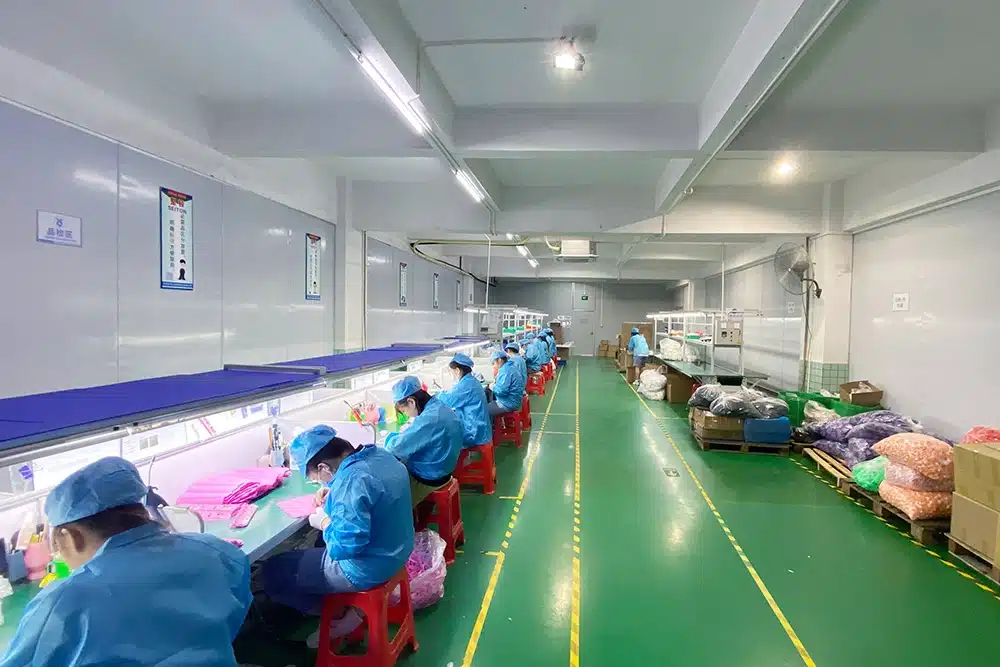
Material quality, leakproof design, and consistent production separate good silicone bags from failures that damage brand reputation. If you are planning your own private-label line, partnering with a seasoned reusable silicone food storage bags manufacturer ensures that your products meet safety standards and deliver the durability customers expect. Experienced partners also help optimize designs for cost, performance, and certifications.
Summary Comparison – Which Option Is Better for You?
Occasional low commitment needs such as convenience and rock bottom price are still met by disposable plastic bags. However, in the kitchen, high quality silicone food storage bags are a better option for storage safety, cost savings over time and waste reduction when added to regular habits.
Final choice is dependent on your priorities: short-term savings or long-term performance and values. Many households and brands have already realized the convenience and benefits of the switch and find that it is well worth the investment. Think about your usage patterns, and select products that match your lifestyle and operation.
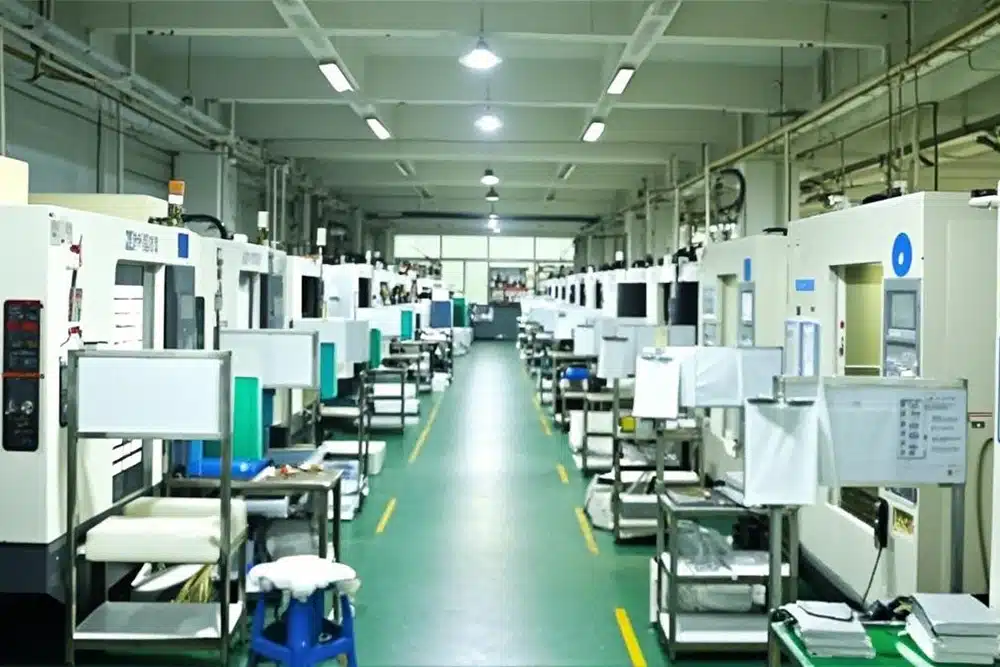
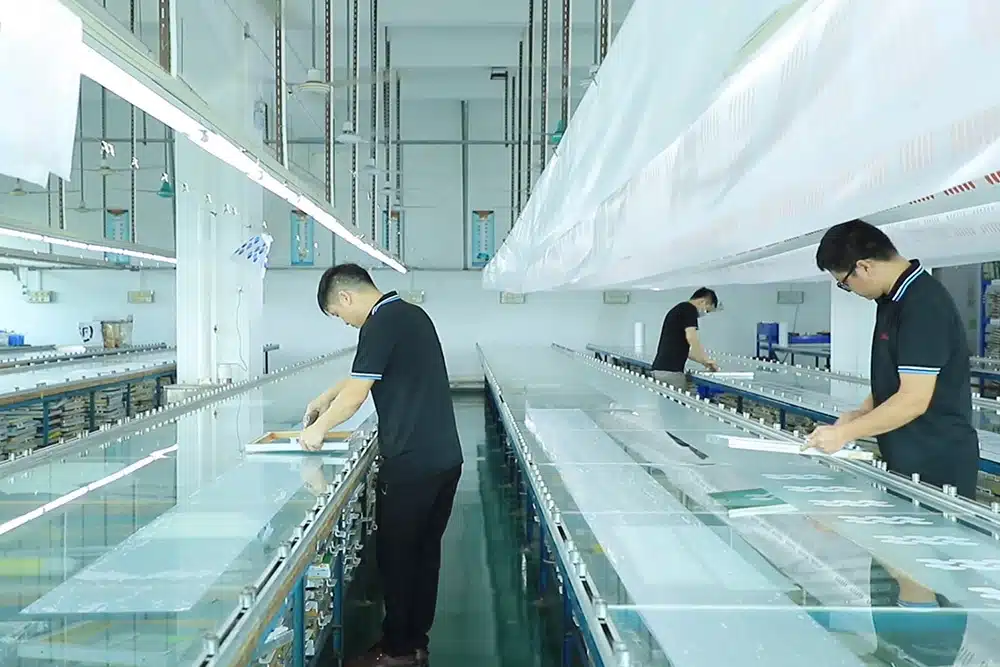
We are at Dongguan HT Silicone & Rubber Co., Ltd., where we can help brands find high-quality silicone products designed to meet the demands of the market. From selecting materials to designing them ourselves to meet the needs of performance and cost, we have the in-house expertise to deliver the goods.