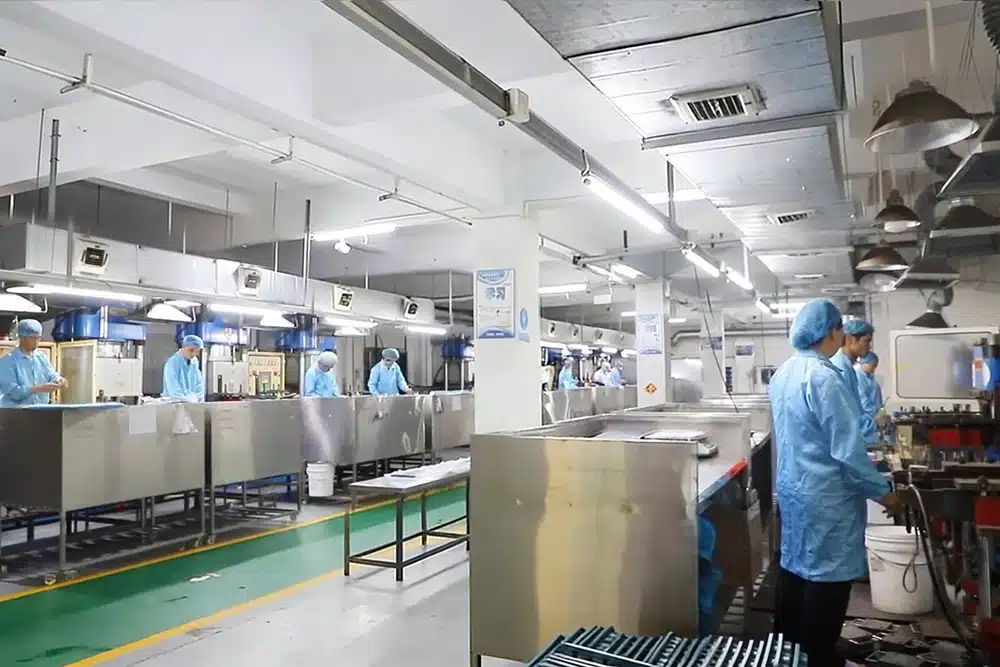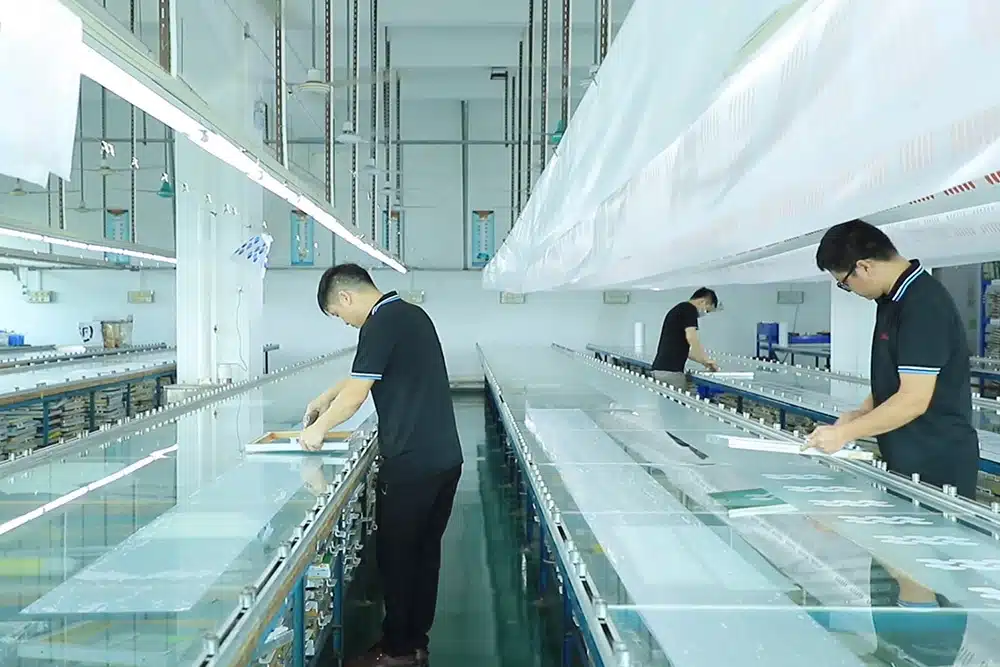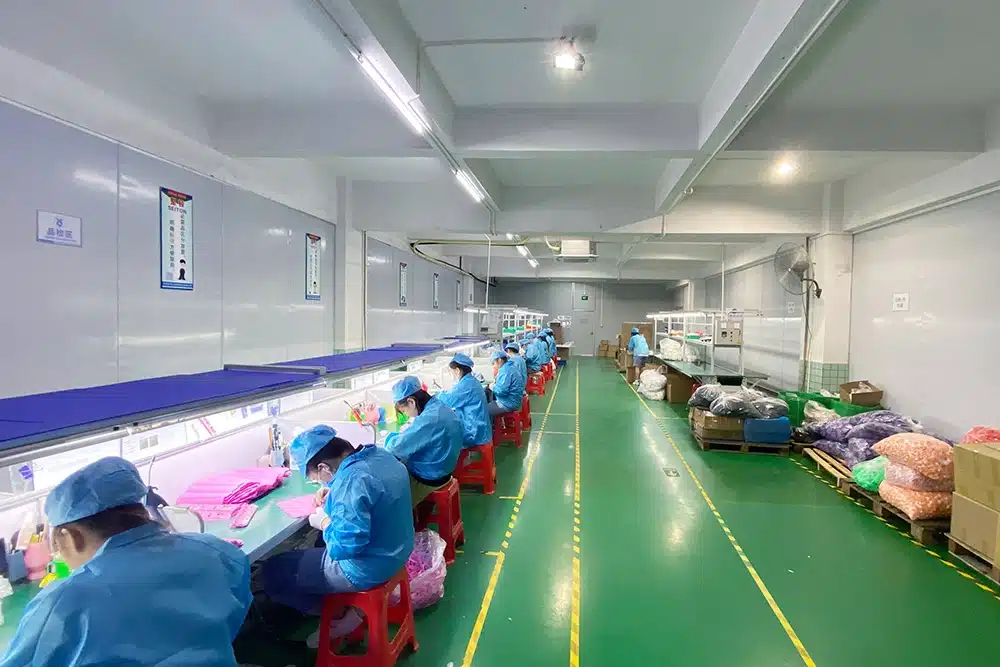

In silicone valves, color and precision of structure not only stand out, but they also lead the user, strengthen brand identity and enhance practical performance of the product in real use. Multi-color silicone valves and co-injected silicone valves take the functional control of flow and add to the visual appeal of the product, creating a better brand recognition for the shelf and an improved user experience in dispensing and packaging.
They are found in everything from bottles for food, to baby sippy cups, to high quality personal care dispensers. Manufacturers can also combine multiple colors or materials into a single valve, which not only ensures reliable control of the liquid flow but also conveys brand messages and usage instructions at a single glance. In companies that create differentiated packaging, careful consideration of the valve design is sometimes a silent competitive advantage.
What Are Multi-Color and Co-Injected Silicone Valves?
Multi-color silicone valves are those that feature multiple colors in a single valve, either by multiple shot molding or by assembly. Co-injected (or two-shot) silicone valves go one step further, by using a combination of silicone molecules in one molding process, which may differ in color, hardness, and/or properties. The result: a seamless, wear-resistant piece that combines colour zones and functional zones without the need for surface treatments that can become worn.
This method is particularly suitable for widely used valves such as duckbill valves, cross-slit dispensing valves, umbrella valves, and one-way check valves. The integrated colors provide natural contrast, drawing attention to the actuation areas or flow paths, and the co-injection process generates strong bonding between the sections for long-term reliability.
Core Design Elements in Multi-Color Valve Projects
There are a number of variables that must be aligned for successful projects to begin. Teams must agree on the colour of the brands to be used (usually the same as specific Pantone references) and also determine what will be visible in the final valve assembly, as well as the consideration of using different durometers for different zones. A softer centre could enhance dispensing feel, whereas a stiffer outer ring would provide improved sealing stability.
These initial decisions directly affect the mold design, material flow and parting line placement. By involving the silicone manufacturer in the concept stage, it saves expensive changes in later stages.
Brands looking to move from basic single-color options to multi-color custom silicone valves should work with a supplier that can manage color matching, co-injection tooling, and tight dimensional control in one place. This integrated capability keeps development timelines shorter and quality more consistent.
Branding Advantages of Multi-Color and Co-Injected Silicone Valves
Multi-color or co-injected silicone valves with proper design make functional components brand assets. Retail shelves are instantly recognised with a signature-brand coloured valve. Colour rings or zones may also be used to help distinguish product variants, such as different colour variants for different formula, flavors or strengths, allowing the consumer to choose a product within a matter of seconds.
For condiment bottles, this is important because the color of the valve can help indicate what flavor the product contains, and for luxury shampoo packaging, the colored valve can help emphasize a luxury positioning. The visual element becomes part of the unboxing journey, plus the day-to-day use experience, reinforcing the emotional bond with the brand.
Improving User Experience and Perceived Quality
Colour coding provides intuitive guidance. A soft center in contrast with the hard outer surfaces makes it easy to identify the press point, thereby lowering user error and product returns. Parents value and like the baby bottle’s vent valve in multi-coloured formats, which provide a clear indication of how they are working and helps to increase their trust in product safety.
Valves are permanent and integrate the colour, unlike any surface adornment, so they retain their colour with repeated use and cleaning. This durability is perceived as indicating higher quality – users feel and remember that products are well thought out.
Engineering and Manufacturing Considerations for Co-Injected Silicone Valves
Material science and process control are essential for developing reliable co-injected valves. For various silicone compounds, they need to cure well together and, in important applications such as slits, lips and diaphragms, hold to the required geometry. The material compatibility and shrinkage, thermal property all must be aligned to prevent defects.
These valves are more complicated to tool than single-shot valves. Two-shot setups and exact gating, controlled injection sequences ensure clean color transitions without bleed and/or flash.
Color Matching, Durometer Choices, and Process Stability
The choice of pigment influences not only the appearance of the material, but also the flow of the material and the dimensions of the final product. To guarantee uniform production, experienced manufacturers test concentrations of color masterbatch. Valve hardness can vary from one area of the valve to another, such as 30 Shore A (flexible dispensing area) to 50 Shore A (mounting flange) to optimize function and sealing performance.
Process controls on temperature, pressure and cure time provide sharp color boundaries and ensure a high cosmetic quality. This is a level of control that distinguishes the high quality co-injected valves from other coloured parts.
Cost, Complexity, and When Multi-Color Valves Are Worth It
Multi-color and co-injected designs are more expensive than standard valves due to tooling and per unit costs. For premium or high volume products, however, where packaging can differentiate the product on the shelf, the investment can lead to better brand awareness and reduced support problems.
Think the whole way through: Misuse complaints will be reduced with improved visual guidance and premium pricing will be possible with unique design. These valves are useful for differentiating products within a competitive product category such as sauces, baby feeding products or personal care without altering the product formulation itself.
Practical Questions to Ask Before Approving Co-Injected Valve Designs
Prior to committing, teams should consider:
- Will the valve be easily accessible in the completed package?
- How many SKUs are needed to have the same basic design to amortize the cost of tooling?
- Are the regulations or cleanliness requirements restricting color or material choices?
By answering these questions, brand goals can be considered in the context of actual manufacturing realities.
Real-World Application Examples Across Industries
Squeeze bottles are commonly used in the food and beverage industry, and frequently have co-injected dispensing valves equipped with a brand-colored ring in a color that matches the packing stripes. These designs not not just eye-catching but also allow users to easily recognize flavors while ensuring a steady flow of water.
Multi-colored valves are used in sippy cups and bottles by baby product manufacturers. The brightly colored vent valve gives parents confidence that it is working well, and simplifies correct use by little hands.
These methods are used in personal care products like lotion dispensers and shampoos. A soft, coloured actuation zone segregates product lines and communicates premium quality, and the integrated construction guarantees the valve looks as good after every day’s use.
How to Collaborate With a Silicone Valve Manufacturer on Multi-Color Projects
The collaboration begins with the exchange of information on the needed requirements: target market, color preferences, valve type, and volumes per year. Discussions regarding color zones, likely durometer range, and assembly interfaces help to define feasible designs early on.
Prototyping is an important aspect. Color samples are first, then teams test fit, appearance, leak and handling before committing to production tooling. The iterative nature reduces risks when scaling up.
Information and Files You Should Prepare Before Requesting a Quote
In order to speed up the process, pre-empt:
- Valve and mating plastic drawings – 2D or 3D files.
- The brand colour standards and reference pictures of current packaging designs.
- Information on the product that is used to fill the mold, the necessary characteristics of the flow and applicable regulations.
Providing such details in advance helps to minimize back-and-forth communication, ensuring the manufacturer can provide solutions that satisfy both technical and branding requirements.
Expert Summary – Balancing Brand Impact and Functional Reliability
When brand aspirations are matched by sound engineering, multi-color and co-injected silicone valves are successful. Best designs are those that balance visual identity and performance, and are the result of a close relationship between product teams and manufacturers with expertise in the field.
When considering options, consider how colours and structure fulfil user requirements and business needs. Careful timing of valve design can be an important element of a company’s product differentiation.