
Custom silicone spray valves are precision elastomeric fluid control parts produced by molding and micro-slitting processes based on high precision. Platinum Cured Silicone valves provide repeatable, non-dripping dispensing in dispensing systems through the use of the natural elastic memory of the material, which creates clean shear cutoffs and consistent atomization.
A custom silicone spray valve can be used as a chemically resistant and flexible replacement for mechanical multi-part assemblies for the OEM buyer and product engineer designing spray packaging or fluid delivery systems. They are highly dependent on the quality of the mould, formulation of the material, control of the wall thickness, precision slitting and clean room manufacturing. Choosing the right custom molded silicone valves ensures reliable silicone valve performance across thousands of cycles while meeting strict regulatory standards.
What Is a Custom Silicone Spray Valve?
A custom silicone spray valve is a single piece elastomeric valve created to control fluid flow through slits cut specifically to open under pressure and release cleanly when pressure is lost. They’re made by compressing high-purity silicone compounds under heat and pressure in precise steel molds to achieve dynamic apertures, which ensure zero-drip sealing and even spray patterns for manufacturers.
Custom silicone spray valves are designed for a particular viscosity of fluid to be sprayed, cracking pressure and application requirement. The process is normally injection molding with platinum-cure liquid silicone rubber (LSR) or compression molding of solid silicone. Platinum cure materials dominate because of their excellent chemical inertness, low volatile content and food and cosmetic grade safety standards.
| Item | Explanation | Process Type |
| Material Used | High-purity, platinum-cure liquid silicone rubber or solid compound | High-precision compression or LSR injection molding |
| Mold Type | Precision hardened steel tool with micro-tolerances | Consistent atomization, zero-drip fluid shearing, repeatable micro-dispensing |
| Best For | Cross-slit spray tips, fine mist valves, high-viscosity dispensing closures | – |
How the Custom Silicone Spray Valve Process Works
Manufacturing of custom silicone spray valves is not a straightforward molding process, but is a complex engineering process with multiple steps. Each stage has a positive impact on the final silicone valve performance, beginning from the initial DFM review through final inspection.
Key steps include:
- Design and DFM Analysis of Products.
- In-house mold fabrication
- Compound curation and filtering using Platinum material.
- Injection or compression molding with the use of a mold for the production of precision parts.
- Controlled temperature and pressure vulcanization
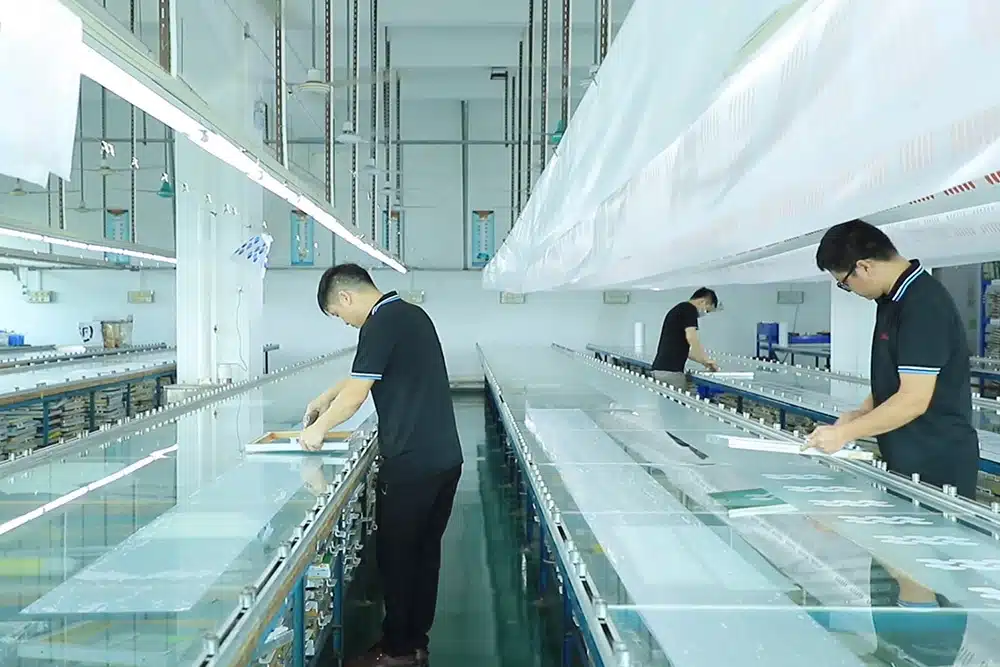
- Automated micro-precision slitting
- The removal of flash and surface finishing.
- After-curing of the secondary to remove volatiles
- Packaging and functional testing in a cleanroom.
| Process Step | What Happens | Why It Matters |
| Design Review | Engineers evaluate geometry, wall thickness uniformity, and slit placement | Reduces defects, tearing, and tooling adjustments |
| Mold Fabrication | Hardened steel tool is built in an in-house workshop | Determines dimensional alignment and prevents parting-line flash |
| Material Compounding | High-purity silicone base is mixed using a platinum-cure catalyst | Prevents chemical leaching, odors, and structural degradation |
| Molding Operations | Raw silicone is cured inside heated mold cavities | Forms uniform physical properties and structural shapes quickly |
| Mechanical Slitting | Specialized automated fixtures make micro-precision cuts | Guarantees sharp, continuous pathways for drip-free cutoff |
| Post-Curing | Parts are baked in forced-air industrial ovens at high temperatures | Drives off volatile organic linear/cyclic siloxanes for compliance |
| Finishing | Flash is removed and specialized anti-bonding coatings are applied | Improves mechanical responsiveness and prevents nozzle sticking |
| Inspection | Pressure fixtures, optical counters, and dimension checkers log values | Ensures batch consistency and strict operational compliance |
| Clean Packaging | Parts are packed inside double PE heat-sealed bags within a cleanroom | Prevents atmospheric contamination before client assembly |
Why Silicone Is Commonly Used in Custom Spray Applications
In cases where custom spray applications are used, premium silicone compounds offer superior chemical resistance, elastic recovery and hygienic properties that are frequently not realizable with rigid plastics and metals.
| Silicone Property | Buyer Benefit |
| High-Purity Platinum Cure | Ensures no plasticizer leaching or degradation when interacting with aggressive formulas |
| Solvent Resistance | Withstands prolonged exposure to alcohols, skin oils, surfactants, and propellants |
| Elastic Memory Recovery | Guarantees the spray aperture opens and closes cleanly over thousands of trigger actuations |
| High Tear Strength | Supports ultra-thin slit configurations that shear fluids without propagation or tearing |
| Non-Stick Smooth Surface | Reduces fluid stagnation, salt drying, and formula crystallization at the orifice |
| Extreme Thermal Stability | Allows for repeated hot-water cleaning cycles or steam sterilization in medical spray lines |
Key Benefits of Custom Silicone Spray Valves
The real benefit of custom silicone spray valves is their ability to provide accurate fluid management and to streamline the product’s design and construction.
| Benefit | Practical Meaning for OEM Buyers |
| Drip-Free Sealing | Eliminates messy crusting or product leakage onto the cap or outer packaging |
| Consistent Spray Pattern | Delivers a uniform mist or jet profile without sputtering across the product life |
| Springless Mechanism | Eliminates metallic contamination, internal rust risks, and secondary part assemblies |
| Instant Cutoff Response | Shears fluid instantly when pressure drops, eliminating post-spray trail weeping |
| Structural Elasticity | Acts as both a sealing seat and a fluid actuator, reducing overall device footprints |
| High-Volume Scalability | Multi-cavity production tools yield millions of identical parts with minimal tool wear |
Common Applications of Custom Silicone Spray Valves
The use of custom silicone spray valves is ubiquitous where hygienic reliability, accuracy of dosing, and anti-clog is an essential requirement.
| Industry | Common Custom Silicone Spray Valves |
| Cosmetics | Setting spray fine-mist valves, face oil dispensers, lotion pump check flaps |
| Personal Care | Deodorant spray ports, hairspray anti-clogging slit closures, hand sanitizer nozzles |
| Packaging & Food | Squeeze oil sprayers, non-drip honey dispensers, precise syrup dosing ports |
| Household Cleaning | Trigger pump one-way backflow checks, multi-chemical dilution valves |
| Automotive | Windshield washer fluid spray tips, tire-shine foam nozzles, industrial spray seals |
| Medical/Pharma | Nasal spray metering valves, topical antiseptic spray closures, throat inhaler liners |
| Smart Appliances | Automated air freshener spray valves, robotic mop water-dispensing diaphragms |
| Industrial Automation | Liquid chemical dosing nozzles, pressure-relief micro-slit spray flaps |
Custom Silicone Spray Valves vs Other Manufacturing Methods
Custom silicone spray valves are frequently compared to mechanical solutions by buyers when designing new dispensing systems.
| Process/Mechanism | Best For | Limitation |
| Custom Silicone Spray Valves | Single-piece atomization, absolute zero-leakage, solvent-exposed systems | Upfront customized mold tooling layout investments required before mass runs |
| Metal Spring-Loaded Valves | Ultra-high mechanical line pressure arrays requiring industrial force paths | Vulnerable to chemistry; acids or chemical solvents corrode springs, ruining constant flow |
| Rigid Plastic Ball Valves | Simple low-pressure gravity tracking across macro-scale fluid tubes | Zero particulate tolerance; concentrated formulas crystallize and jam the ball |
| Flat Die-Cut Rubber Gaskets | Basic static assembly gaskets providing zero moving or dynamic open functions | Lacks active 3D opening geometry; cannot form a directional spray profile |
What Affects Custom Silicone Spray Valve Quality?
When creating custom silicone spray valves, it is essential to have the proper control of the entire production process. Problems such as core shift in tooling or poor post curing may result in non-uniform spray pattern, leakage or failure.
| Quality Factor | Possible Risk If Ignored | Factory Control Solution |
| Tooling Cavity Alignment | Core shift causing un-balanced wall thick zones | Rigid centering jigs engineered in an in-house mold shop |
| Compound Vulcanization | Incomplete material cross-linking or structural tear spots | Validated heating loops and premium platinum bases |
| Parting-Line Trimming | Microscopic flash layers clinging to the valve lips | Flash overflow designs and precision mechanical trim dies |
| Micro-Slitting Action | Ragged edges or incomplete cuts along the split line | Custom automated mechanical slitting fixtures |
| Secondary Oven Baking | Structural degradation or swelling when exposed to solvents | Extended forced-air post-cure bakes at 200°C |
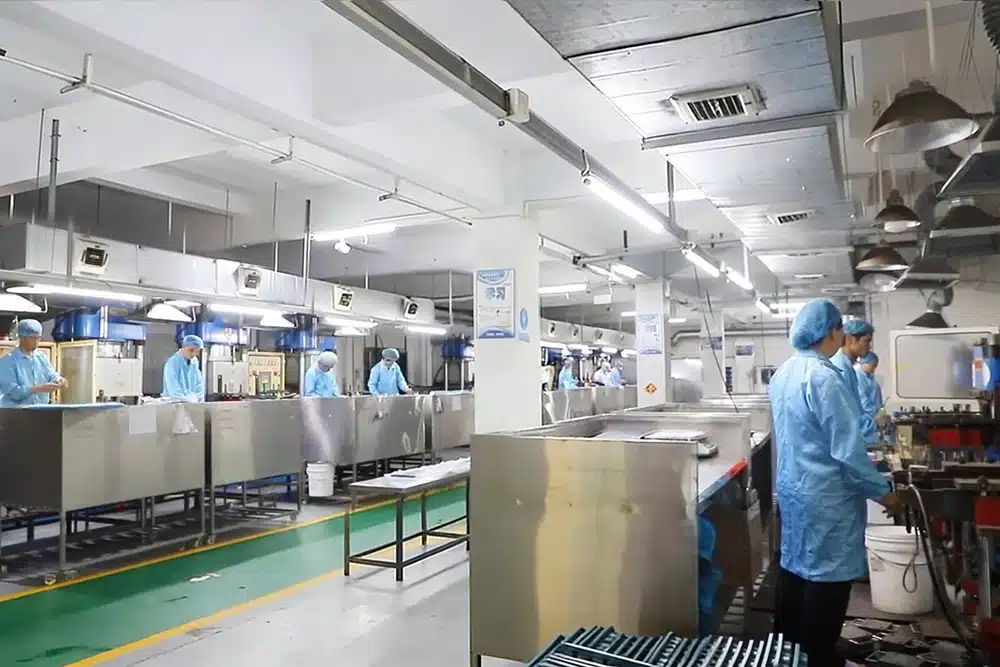
| Shop Particulates | Dust fibers caught in the sealing path, causing leaks | Processing completely within certified dust-free cleanroom spaces |
| Functional Verification | Sputtering or irregular spray cones entering high-volume cargo | Laser checking and custom functional spray pressure fixtures |
Advantages and Limitations Buyers Should Understand
Custom silicone spray valves work best for a variety of jobs, but have some significant compromises that astute customers consider upfront.
| Advantages | Limitations |
| Single-piece structural elasticity eliminates complex spray pump linkages | Requires upfront custom mold tooling layout investments |
| Clean fluid shear cuts off spray instantly with zero trailing drops | Slit geometry parameters must be tailored to liquid viscosity |
| Exceptional chemical memory resists harsh solvents and alcohol bases | Core shifting can alter wall parameters, leading to spray skewing |
| Flexible slits deflect around minor crystalline deposits without jamming | Extreme industrial pressure lines may require external rigid retainers |
What OEM Buyers Should Prepare Before Starting a Project
Making comprehensive technical information helps manufacturers provide accurate quotes and minimises development risks.
| Information to Prepare | Why It Helps |
| 3D CAD Blueprint | Allows engineering teams to run mold flow and DFM structural checks |
| 2D Technical Drawing | Marks critical tolerances, wall boundaries, and surface finishing notes |
| Viscosity and CPS Info | Directs appropriate material durometer choices and geometric slit setups |
| Solvent Composition | Guides material selection to avoid structural swelling or softening |
| Estimated Batch Volume | Defines tool cavity layouts (single-cavity prototype vs. high multi-cavity tools) |
| Cracking Pressure Limit | Instructs slit length setups and wall thickness balancing rules |
| Target Spray Cone Profile | Guides choices between straight cross-slits, multi-cuts, or umbrella ports |
How to Choose a Custom Silicone Spray Valve Manufacturer
Unit price is not the only criteria for choosing the right partner. Pay attention to the manufacturers who possess the advanced dust-free assembly and packaging workshop environment, dust-free production line, post-curing equipment and facilities, precision slitting equipment and lines, LSR molding equipment, in-house tooling and good engineering.
| Supplier Capability | Why It Matters |
| In-House Mold Workshop | Speeds DFM turnaround, cuts tooling cost, and secures tight wall tolerances |
| Automated LSR Injection | Provides perfect concentricity and clean, flashless parting lines on small spray valves |
| Precision Slitting Lines | Controls precise split lengths without tearing or micro-ragged edges |
| Post-Curing Infrastructure | Safely extracts volatile matter to guarantee long-term solvent resistance |
| Dust-Free Cleanroom Spaces | Prevents airborne particles from bonding into the active sealing lip |
| Specialized Flow Testing | Measures actual physical spray profiles and actuation thresholds precisely |
| International Compliance | Proves consistent process discipline and safeguards brands from chemical leaks |
Common Misunderstandings About Custom Silicone Spray Valves
There are some common misconceptions that can cause delays or performance problems in the projects:
- Spray valves are not off-the-shelf parts, and must be tailored to the fluid and pressure characteristics involved.
- The size of mold investment scales according to the number of production, the prototyping tools are different from the high cavitation production mold.
- Prototype samples produced by hand cut are not necessarily a true representation of the performance of the production cut.
- Cracking pressure is not only a function of durometer, but also of wall thickness and slit geometry.
- Post-curing is not only for cosmetic appeal but for chemical resistance as well.
- More likely than not, poor slit dimensions are the cause of sputtering, not variations in fluid pressure.
Conclusion — Custom Spray Valve Production Is a Complete Engineering System
In today’s modern fluid dispensing system the use of custom silicone spray valves is the reliable, clean and highly scalable solution. They are successful because they focus on the precision of moulds, compounding of materials, precision slitting control, optimized cracking pressure during wall forming and the rigorous post-curing processes in the dust-free assembling and packaging workshop.
OEMs can overcome these technical challenges and leverage from an expert custom silicone valves supplier to gain the dependability, consistency and FDA compliant silicone components performance for their silicone valves.