
Selection of silicone valves for food and beverage applications requires careful consideration of performance because silicone valve performance directly influences the accuracy of the flow, leak-free results, and compliance with regulations. The components serve as active flow-control interfaces, and not only seals, and can control the flow of one-way dispensing, and block backflow in condiment bottles, commercial coffee machines, etc.
Achieving the right geometry for the valve, accurate wall thicknesses and slit precision, selecting FDA and LFGB approved platinum cured materials are all crucial for OEM engineers and sourcing managers to achieve success. Bad decisions result in leaking, contamination and/or field failures, all of which hurt the brand. This guide examines the key considerations you need to account for to ensure you specify and source custom silicone valves that will deliver consistent performance in the field.
What Is a Food-Grade Silicone Valve?
A food grade silicone valve is a made with a high purity polymer food grade silicone valve which is an elastomer fluid interface engineered to resist repeated contact with consumable liquids for a minimum of chemical and sensory migration. These are different from passive gaskets, which open automatically with forward pressure and close tightly with backpressure, and are used to control dispensing and prevent contamination.
When engineering modern countertop beverage machinery, integrating high-precision food-grade check valves prevents internal backflow cross-contamination and guarantees reliable fluid delivery. The only silicone rubber that can be used in a food contact application without question is platinum-cure silicone rubber, which does not produce any volatile organic acid by-products when cured like peroxide-cure systems do. Superior cross linked elasticity of liquid silicone rubber (LSR) further enhances this with cracking pressures that remain consistent over millions of cycles.
| Parameter | Food & Beverage Standards | Technical Reason for Requirement |
| Catalyst System | Platinum-cure system mandatory | Prevents toxic chemical leaching and offensive taste/odor migration |
| Material Types | High-purity LSR or premium solid silicone | Ensures high-tear strength and long-term elastic memory recovery |
| Key Compliance | FDA 21 CFR 177.2600, LFGB, RoHS, REACH | Mandated for global market entry and brand protection |
| Primary Uses | Condiment squeeze bottles, coffee brewer modules, water dispensers | Regulates drip-free dispensing and one-way backflow prevention |
Step-by-Step Food & Beverage Silicone Valve Manufacturing Process
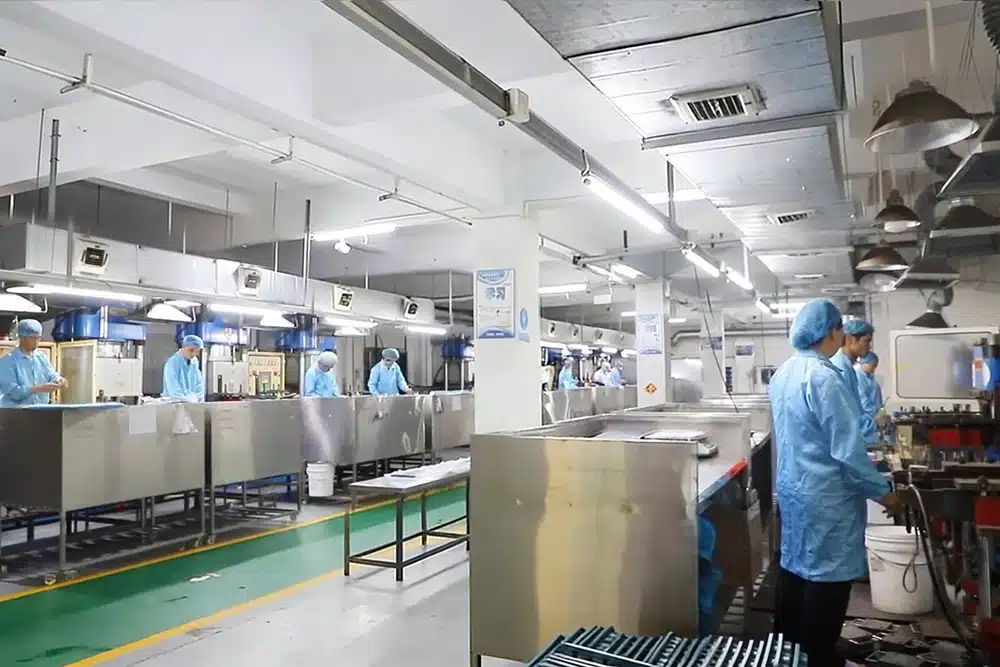
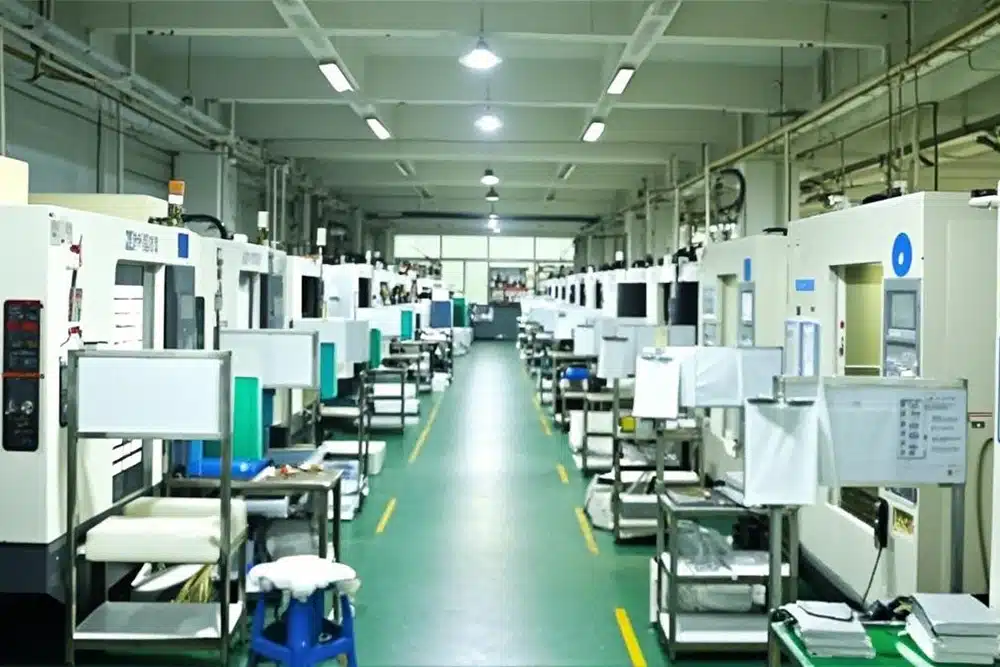
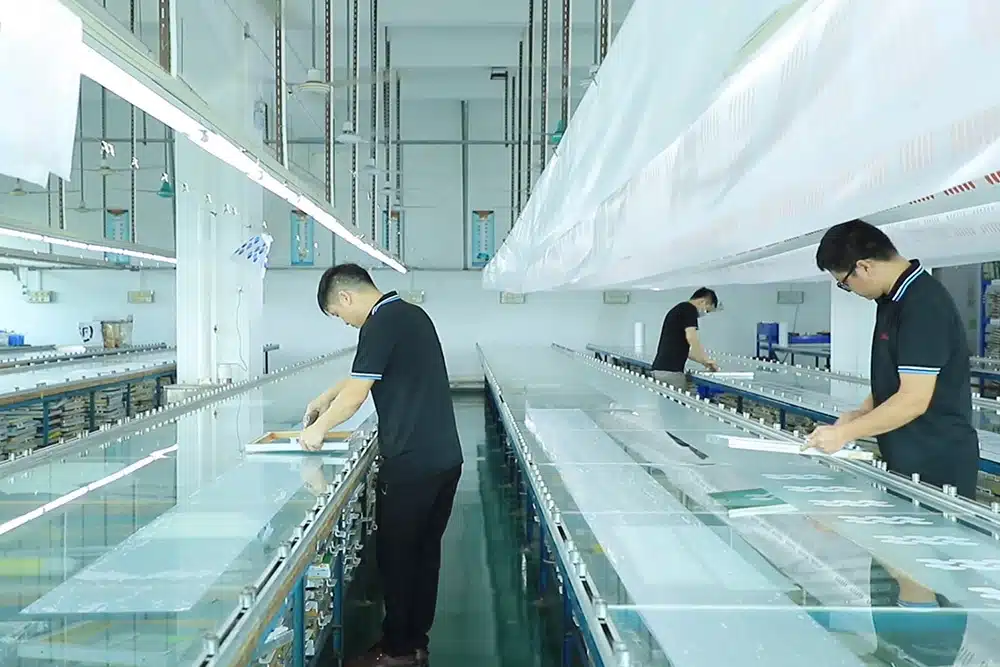
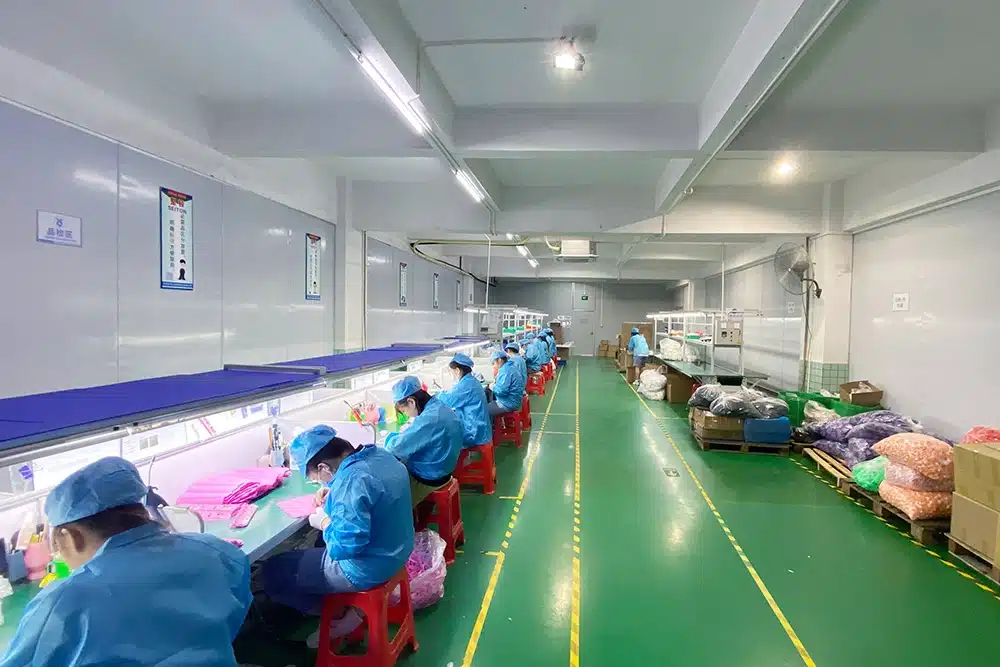
To ensure that the food contact components do not get chemically degraded or physically contaminated, the production sequence needs to be tightly controlled in a multi-stage process to produce high fidelity food contact components. In Dongguan HT Silicone & Rubber Co., Ltd., we have an in-house Mold Manufacturing Workshop and a Dust-free Assembly & Packaging Workshop, which allows us to be in complete control of all the production steps.
The initial step in the procedure involves DFM (Design for Manufacturing) engineering review of wall thickness, draft angles and the dynamics of the slit as it pertains to the viscosity of the liquid. This is followed by the precision tooling fabrication with hardened steel cores for ultra-sharp parting lines. Before automating compression or LSR injection molding, Platinum-cure compounding mixes and filters pure bases to food-safe pigments. The clean openings are made with micro-precision slitting and then the openings are post-cured at high temperature to eliminate volatiles. Optical inspection and clean room packaging guarantees parts are ready to go to assembly.
| Manufacturing Step | Core Action Involved | Why It Matters for Food/Beverage OEMs |
| Tooling Design | Hardened steel cavities with micro-tolerances | Prevents flash along sealing lines, which causes low-pressure weeping |
| Automated Injection | High-efficiency compression/LSR molding | Eliminates manual handling risks and controls uniform wall dimensions |
| Mechanical Slitting | Micro-slitting tool styling and depth setup | Guarantees sharp cuts for precise fluidic cutoff and zero-drip behavior |
| Post-Curing Oven Bake | Forced-air extraction at elevated temperatures | Drives off volatile linear/cyclic siloxanes to pass strict LFGB extraction tests |
| Cleanroom Packaging | Double PE heat-sealed bagging in dust-free zones | Prevents atmospheric particulate contamination before final client assembly |
Critical Material Compliance: FDA vs. LFGB Standards
The different chemical extraction limits for American and European standards of food contact are very important to know to prevent product rejection abroad. Many sourcing managers will presume that “food-grade” silicone is suitable for all applications; however, the European LFGB requirements are much more stringent regarding the transfer of taste/odors and VOC.
The FDA 21 CFR 177.2600 is about the extractables in distilled water and n-hexane for repeated-use rubber articles. In addition to rigorous sensory testing and lower thresholds for volatile matter, LFGB (BfR Recommendation XV) requires extended post-cure cycles. In addition, both RoHS and REACH compliance help to guarantee the lack of restricted substances in global supply chains.
| Standard | Governing Jurisdiction | Primary Testing Criteria | Practical Insight for Sourcing Managers |
| FDA 21 CFR 177.2600 | United States / Global | Extractables in water & hexane | Suitable for standard global distribution |
| LFGB (BfR XV) | Germany / European Union | Sensory testing; low volatile matter limits | Highly recommended for premium appliances |
| RoHS & REACH | European Union / Global | Absence of heavy metals and SVHCs | Ensures environmental safety and non-toxic baselines |
Selecting Valve Geometry Based on Fluid Viscosity
To obtain responsive flow control and to eliminate leakage, it is critical that the mechanical characteristics of an elastomeric valve match the flow characteristics of the media. The geometry is determined by the fluid viscosity; each geometry has an optimum sealing force and opening behavior.
For liquids of low viscosity (such as water or juice), umbrella profiles are suitable that lift rapidly under little pressure. For medium-viscosity syrups and oils, the best varieties are those of the duckbill style with tight collapse in the reverse flow. Ketchup or sauces would need to have a cross-slit (X-cut) profile to shear through particulates without any jamming and to retract immediately.
| Fluid Profile | Typical Product Example | Recommended Valve Geometry | Operational Sealing Mechanism |
| Low Viscosity | Purified Water, Black Coffee | Umbrella Profile | Radial deflection that lifts instantly under forward flow |
| Medium Viscosity | Concentrated Syrups, Liquid Soaps | Duckbill Profile | Pair of dynamic sleeves that collapse tight under backpressure |
| High Viscosity | Mayonnaise, Tomato Ketchup | Cross-Slit / X-Cut Profile | Four triangular petals that deflect cleanly and snap shut |
Engineering Factors Affecting Silicone Valve Performance
The reliability of the fluidic system cannot be achieved through material selection alone but requires complete control over geometric dimensions and configurations of the mold. Consistency of wall thickness, slit quality and slit positioning of the parting line are significant for silicone valve performance.
Wall thickness is directly related to cracking pressure, for low pressure dispensing, walls between 0.4 – 0.6 mm thickness are suitable and should be + or – 0.03 mm to prevent buckling. Precision slit is also important, drip paths are formed if the edges are ragged from poor cutting. Sealing surfaces are to not have gate and parting lines to avoid micro-gaps.
| Quality Factor | Sourcing/Design Boundary | Consequence of Failure | Preventive Solution |
| Wall Thickness Consistency | Maintain tolerances within ±0.03 mm | Asymmetric opening or premature buckling | Precision tool core alignment via in-house EDM/CNC |
| Slit Line Integrity | Clean mechanical cut with zero micro-tearing | Fluid retention and continuous dripping | Automated micro-precision slitting fixtures |
| Parting Line Flash | Zero flash permitted on active sealing lips | Liquid weeping under low static pressure | Advanced flashing containment in mold design |
Silicone Valves vs. Alternative Dispensing Methods
Product designers must evaluate the longevity, cost, and hygienic benefits of elastomeric components against rigid mechanical alternatives. Custom molded silicone valves offer clear advantages in food and beverage systems.
| Feature | Custom Molded Silicone Valves | Metal Spring-Loaded Valves | Rigid Plastic Ball Valves |
| Hygienic Profile | Exceptional; smooth, single-piece structure | Poor; fluid trapped in spring coils | Moderate; bacterial nesting at interfaces |
| Corrosion & Acid Resistance | Immune to citrus acids, vinegar, boiling water | Vulnerable to rust and chemical scoring | Prone to stress cracking |
| Particulate Tolerance | High; flexible lips handle pulp and seeds | Zero; solids wedge mechanism open | Low; particulates scar sealing surfaces |
| Upfront Tooling Cost | Moderate mold investment | Low component cost but high assembly | High multi-part mold investment |
Common Engineering Traps in Food-Grade Valve Procurement
Design and sourcing issues in pre-production avoid catastrophic failures in the field and expensive changes to the tooling. Manufacturers such as HT Silicone have teams of experience professionals that regularly work with clients to prevent these pitfalls.
The first pitfall is that the compensation for bad wall design is to make the durometer higher rather than optimize the geometry; this can kill low-pressure responsiveness. Another is overlooking material fatigue in high cycle applications where peroxide-cured compounds become less elastic, but special LSR materials have stable cracking pressure. Sealing surfaces with injection gates results in micro bumps that result in bypass leakage.
| Design Parameter | Recommended Guideline | Technical Justification |
| Minimum Wall Thickness | 0.4 mm to 0.6 mm | Avoids short-shots and premature tearing |
| Thickness Uniformity | Max deviation ratio of 1:1.3 | Eliminates cooling shrinkage stresses |
| Draft Angles | Minimum of 1.5° on core pins | Guarantees clean demolding without slit distortion |
| Injection Gate Location | Distanced away from slit zones | Prevents weld-lines or residue creating fluid paths |
Conclusion — System Integration Dictates Dispensing Success
To ensure accurate and leak-free fluid control of food and beverage systems, it is essential to combine high-purity material compliance, optimized valve geometry and tight manufacturing tolerances. Only when all engineering parameters align, do zero leakage custom molded silicone valves and custom silicone valve profiles emerge.
Partnering with an OEM/ODM silicone manufacturer which is in control throughout the entire silicone OEM/ODM process, from the simulation of the product design in DFM process to the precision mold building in the dust-free silicone mold manufacturing workshop, from the dust-free processing in the assembly and packaging workshop to the meticulous quality inspection, can guarantee the reliability of the products and services in the long term. We at Dongguan HT Silicone & Rubber Co., Ltd., strive to enable our global clients to turn their fluid control needs into solutions that are reliable and perform for years.