
Food-grade silicone seems to be in the specs and supplier quotes everywhere, but in reality, it doesn’t mean much until it is verified. Worse, when engineers or procurement teams are looking for silicone tips for baby bottles, kitchen dispensers, beverage nozzles or personal care products, and the regulator calls for documentation, vague claims can cause a failed audit, rejection of products shipped, or expensive recall.
This guide cuts through the marketing noise. It outlines the properties of the silicone material, cure systems, tests and certifications that truly make silicone tips safe for food and eco-friendly. Whether you are using the US, EU or Global Standards, you will discover exactly what to specify and what documents to ask from suppliers.
What Makes Silicone Inherently Well-Suited for Food Contact
The silicon-oxygen backbone is the distinguishing feature of silicone, making it useful for food-contact applications. This structure will not react with normal food, acid or fat. Resists heat up to boiling and freezing in the freezer. It does not require any plasticizers which might leach out to food, as is the case with PVC. It is also easy to clean, and its impervious surface helps to repel bacterial growth.
But not all silicone formulations are created equal. Migration risks can arise through the use of additives, pigments or curing. That’s where verified compliance is more important than the general “food-grade” labels.
Platinum-Cured vs Peroxide-Cured Silicone for Food Applications
For OEMs looking to sell products in the US market, it is no longer an option to work with a manufacturer that can offer FDA compliant silicone tips and components with material declarations and migration test data, but the minimum requirement for market access. FDA approved silicone tips and parts.Silicone tips and parts that are FDA compliant.
For OEMs selling into the US market, partnering with a manufacturer who can supply FDA-compliant silicone tips and components backed by material declarations and migration test data is not optional—it is the baseline requirement for market access.
Key Food-Contact Compliance Standards and What They Actually Require
Compliance requires a more than one certificate. Each market has its own set of risks and testing requirements.
In the United States, FDA CFR 21 (United States Food and Drug Administration) rules do not certify materials. Rather, silicone should comply with sections such as 21 CFR 177.2600, for repeated-use rubber articles. Suppliers should provide evidence that only approved chemicals are used and that they are used within approved levels. This is often assisted by migration testing for particular applications.
EU Framework Regulation (EC) No 1935/2004: Materials are not allowed to pose a threat to health, change the composition of food or influence the taste and smell. There is no EU-wide standard for silicone, many suppliers refer to the BfR recommendations or the LFGB testing in Germany.
LFGB (Germany): widely recognised throughout Europe, LFGB also has a practical component, ‘squeeze test’, for silicone. Often, it is used in addition to the EU regulations, for kitchenware and feeding accessories.
Other Regional Standards Worth Knowing
The Global projects could include GB 4806 series of standards from China, MHLW standards from Japan, or EFSA evaluations of novel substances. Know who the target markets are and consider regional paperwork requirements during design with the supplier.
Extractables, Leachables, and Migration Testing Explained
Knowing the terminology of the tests is important to setting requirements:
- Extractables are chemicals that are released under harsh laboratory conditions.
- Leachables are those that do indeed leach when used properly.
- Migration testing involves the use of food simulants (e.g. ethanol, olive oil) to determine transfer under specified temperature and time conditions.
High sensitivity applications such as infant formulas or organic products typically require complete migration studies. Standard kitchen/beverage tips should be tested for the same time and conditions as intended purpose.
What a Declaration of Compliance Should Contain
A Declaration of Compliance (DoC) identifies the material and product itself, it references applicable standards, it specifies the use conditions of the material and product (including temperature, contact media, duration of use…), and it contains the manufacturer’s signed date. Avoid accepting any documents that just state “food-grade” without any further information.
Eco-Friendly Credentials – What They Mean for Silicone Tips
Sustainability silicone offers real availability of durability and reusability. A good silicone tip can be used for hundreds of plastic tips in the lifetime of the tool. It is halogen-free, reduces toxic emissions when incinerated and is stable to heat allowing repeated sterilisation without degradation.
Limitations exist too. Silicone is not recyclable and recycling facilities are not well developed in many places. Prioritize programs for a long-term effect and responsible programs for end of life over unproven green claims.
REACH and RoHS Compliance for Silicone Tips in Broader Product Systems
When silicone tips are used in electronics or as components in a complex assembly, there are additional layers of REACH and RoHS. Suppliers should issue statements to confirm absence of SVHC substances above thresholds, and compliance with restricted substances lists. Request such declarations with the food-contact documents.
Pigment and Colorant Compliance for Food-Safe Silicone Tips
Colors added to silicone compliance are not necessarily covered by base silicone compliance. Food-contact with pigments must comply with the same requirement. The inorganic pigments (such as iron oxides or titanium dioxide) typically have a lower migration potential than some heavy metal-based organic pigments. When ordering colourants always ask for specific confirmation that the colours conform to the rules of the target market.
Avoiding Color-Related Compliance Failures in Market Entry
Typical problems are the failure to obtain FDA approval that meets EU pigment standards or only the base material is approved with a certificate. During multi-market launches, request lot specific documentation of the pigments to avoid any audit surprises.
Supplier Evaluation – Identifying Genuinely Compliant Manufacturers
Good suppliers provide detailed DoC’s, detailed material datasheets and specific test reports in a timely manner. They openly share information about cure systems, pigments and post-cure process. Weaker ones use general “food-grade” phrases.
Ask for this package prior to approving a partner:
- The material data sheet will include information on the cure system and properties.
- A commitment to comply with explicit terms of use.A promise to abide by explicit terms of use.
- Migration or LFGB test reports
- If applicable, a REACH/RoHS statement will be included.
- This includes the traceability data from raw materials and batches.
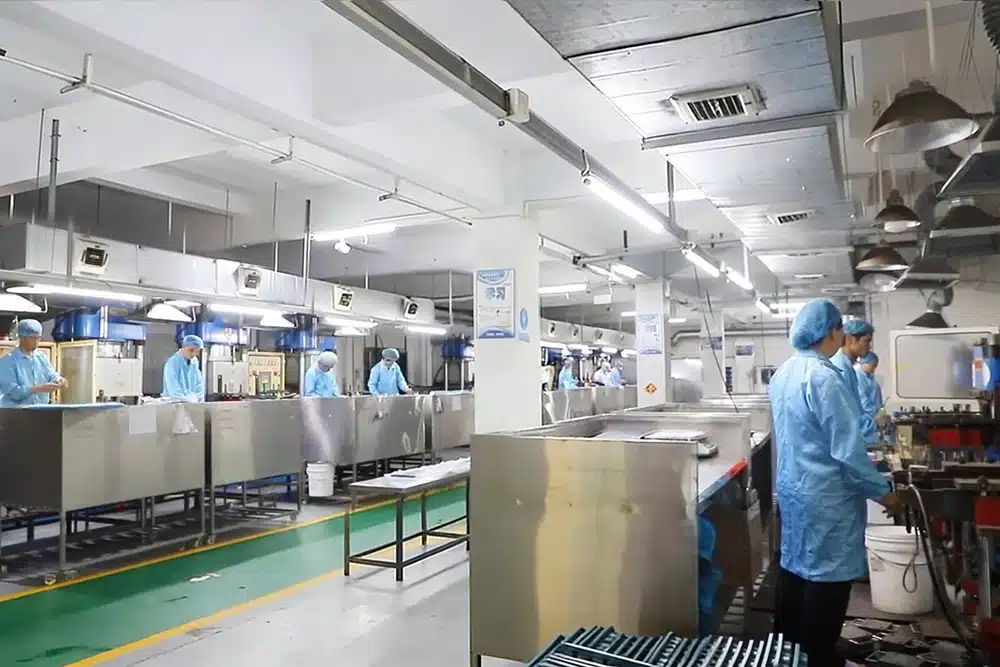
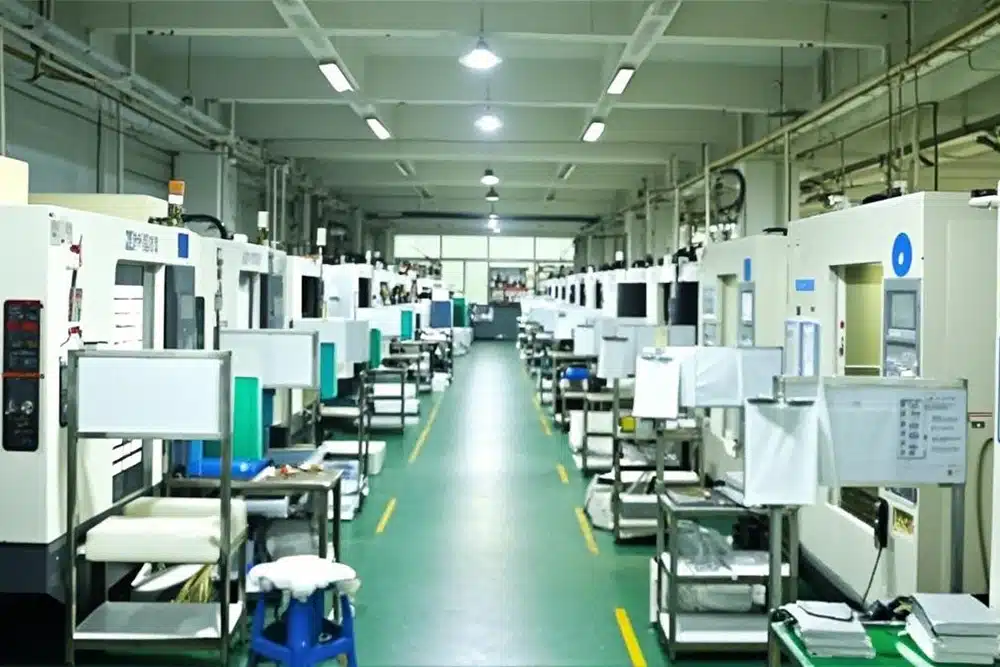
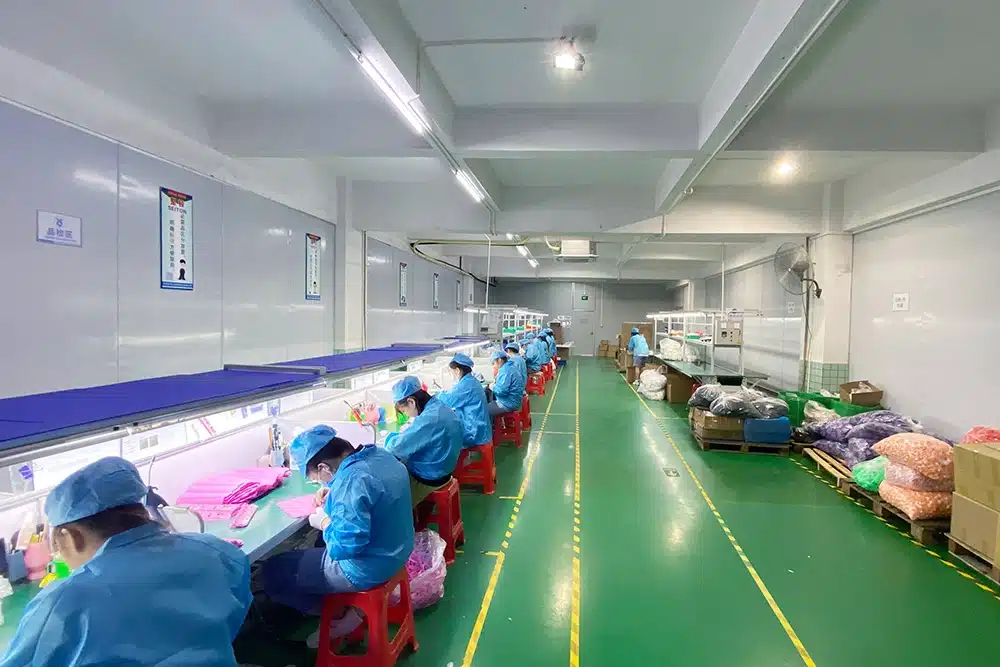
We have our own production lines for compression molding and LSR molding, and can provide full regulatory document information for food safety and environmental protection projects at Dongguan HT Silicone & Rubber Co., Ltd. The automotive, personal care and kitchenware experience that we’ve gained enables us to deliver what our clients need at an efficient rate.
Verified food-safe and eco-friendly silicone tips help safeguard your brand, gain regulatory access and promote true sustainability efforts. Identify the markets you are targeting, what performance you need and collaborate with a manufacturer that can give you full documentation from the beginning.