While silicone pet products can in most cases be cleaned by rinsing with warm water, mild detergent, and a thorough clean, the type of pet product, its design, texture, material quality, and how it’s used will all affect how well it is cleaned. Pet bowls, feeding mats, lick mats, toys, grooming tools, and bottle covers all pose challenges when it comes to cleaning them because they have smooth surfaces and can get residue in deep grooves, bristles, suction cups, or inner cavities that need special attention.
Cleanability should be considered as a fundamental design parameter and not be an added feature. Silicone pet product(s) should be easily cleanable, easy to dry, easily repels unwanted residue, and be stable from sample to production. Although many silicone pet products are considered to be easy to maintain, many people think that when they make poor texture choices, the product may have issues with odors, stains, or customer complaints due to improper curing or edge finish.
Why Cleaning and Maintenance Matter for Silicone Pet Products
Cleaning and maintenance are critical to user satisfaction and product longevity for silicone pet products. They come into regular contact with food, water, saliva, shampoo, dirt, and frequent handling, so their maintenance is crucial for everyday use and maintaining brand image.
For brands developing bowls, lick mats, feeding mats, toys, grooming tools, and travel accessories, silicone pet products designed for everyday use should be planned with cleaning, drying, residue control, and long-term maintenance in mind.
| Cleaning Concern | Why It Matters for Buyers |
| Food Residue | Bowls, lick mats, and treat toys need cleaning-friendly surfaces |
| Pet Saliva | Toys and feeding accessories are exposed to repeated saliva contact |
| Water Exposure | Bottle covers, mats, and bowls may stay wet if not designed well |
| Shampoo Residue | Grooming accessories need textures that can be rinsed properly |
| Odor Complaints | Poor material or trapped residue can create negative reviews |
| Staining | Light colors and textured areas may show stains more clearly |
| Product Lifespan | Easy maintenance supports repeated use and better customer satisfaction |
| Brand Trust | Clear cleaning instructions reduce misuse and complaints |
General Cleaning Tips for Silicone Pet Products
Any general cleaning instructions for silicone pet products should be useful and specific to the product and not generic. A smooth bowl can work well on a smooth lick mat, but not necessarily a textured lick mat.
| Cleaning Step | Practical Tip | Best For |
| Rinse Promptly | Rinse food or saliva residue before it dries | Bowls, lick mats, toys |
| Use Mild Detergent | Clean with gentle dish soap when needed | Feeding and grooming products |
| Soft Brush Cleaning | Use a soft brush for grooves, bristles, or textures | Lick mats, grooming brushes, paw cleaners |
| Avoid Sharp Tools | Do not scrape silicone with knives or hard metal tools | All silicone pet products |
| Dry Completely | Allow products to dry before storage | Mats, bowls, toys, bottle covers |
| Inspect Textures | Check deep grooves or suction areas for residue | Textured mats and toys |
| Follow Dishwasher Guidance | Only use dishwasher cleaning if product design and material support it | Bowls, mats, selected products |
Cleaning Tips by Product Type
There are different methods of cleaning silicone pet products, depending on the type of pet product and the way it’s used.
| Product Type | Common Cleaning Challenge | Maintenance Tip |
| Silicone Pet Bowls | Food residue and water marks | Rinse after feeding and dry before storage |
| Feeding Mats | Spills, crumbs, and water pooling | Wash flat surfaces and raised edges carefully |
| Lick Mats | Soft food trapped in textures | Use a soft brush for grooves and patterns |
| Pet Toys | Saliva, dirt, and bite marks | Rinse regularly and inspect for damage |
| Treat-Dispensing Toys | Food residue inside cavities | Clean internal spaces thoroughly after use |
| Grooming Brushes | Hair, shampoo, and skin debris | Remove hair and rinse bristles after grooming |
| Paw Cleaners | Dirt, mud, and water residue | Wash inner textures and dry fully |
| Bottle Covers | Outdoor dirt and moisture | Remove when needed and clean both cover and bottle |
| Travel Bowls | Folding areas and wet storage | Dry before folding or packing |
How Product Design Affects Cleanability
Much of the cleanability of silicone pet products is achieved in design and mold development, well before they’re in production. In real-world maintenance, all the tiny choices on texture depth, edge and geometry can mean the difference between good and bad.
| Design Feature | Cleanability Impact | Buyer Recommendation |
| Smooth Surface | Easier to rinse and wipe | Good for bowls and simple mats |
| Deep Grooves | Holds food better but may trap residue | Balance function with cleaning |
| Narrow Channels | Can be difficult to brush clean | Avoid overly narrow details |
| Raised Edges | Helps contain spills but needs edge cleaning | Design with accessible corners |
| Suction Cups | Improve grip but may trap water | Include cleaning instructions |
| Bristles | Useful for grooming but collect hair or shampoo | Choose suitable spacing and tip shape |
| Fold Lines | Useful for travel products but may trap moisture | Ensure easy drying |
| Inner Cavities | Functional for treat toys but harder to clean | Design openings for cleaning access |
| Debossed Logo | Subtle branding but may collect residue | Avoid deep logos in food-contact zones |
Material and Surface Factors That Affect Maintenance
The choice of materials and surface finishes is crucial for the cleaning and usability of silicone pet products. Proper choices help minimize odor, staining, and residue issues.
| Material / Surface Factor | Maintenance Consideration |
| Food-Contact Silicone | Important for bowls, lick mats, and treat toys |
| Proper Curing | Helps reduce unwanted odor and surface instability |
| Pigment Selection | Affects color stability and staining perception |
| Light Colors | May show stains or dirt more clearly |
| Dark Colors | May hide stains but show dust or water marks |
| Matte Surface | Can improve appearance but should be checked for stain resistance |
| Glossy Surface | May rinse more easily depending on product design |
| Shore A Hardness | Affects flexibility, deformation, and cleaning feel |
| Surface Coating | Must be tested for durability and cleaning resistance |
Dishwasher-Safe and Heat Cleaning Claims: What Buyers Should Verify
Any silicone pet product that is labeled as “dishwasher-safe” or “heat-resistant” should be tested for these properties in addition to being made from that material. There are elements of product geometry, logos, and finishing which can impact actual performance.
| Claim | What Buyers Should Verify |
| Dishwasher-Safe | Product shape, material, logo, color, and deformation after cleaning cycles |
| Heat-Resistant | Temperature range, exposure time, and test conditions |
| Easy to Clean | Texture, surface finish, residue release, and cleaning method |
| Odor-Resistant | Material selection, curing quality, and residue control |
| Stain-Resistant | Color, surface finish, and food/contact materials |
| Printed Logo Durability | Ink adhesion and wear after washing |
| Long-Term Use | Flexibility, surface condition, and shape after repeated cleaning |
Maintenance Tips That Brands Can Include in User Instructions
Simple, unambiguous user instructions will minimise the risk of misuse and enhance the customer experience for silicone pet products.
| Instruction | Why It Helps |
| Rinse Before First Use | Removes dust from handling or packaging |
| Clean After Food Contact | Reduces residue buildup and odor risk |
| Use Mild Soap | Helps clean without damaging the surface |
| Avoid Sharp Tools | Prevents cuts or surface damage |
| Dry Before Storage | Reduces moisture buildup in folds or textures |
| Check Deep Textures | Helps remove trapped food or shampoo |
| Inspect Toys Regularly | Identifies wear, tearing, or bite damage |
| Follow Heat Guidance | Prevents misuse beyond tested conditions |
| Store Dry | Helps maintain product condition between uses |
Quality Control Checklist for Cleaning-Friendly Silicone Pet Products
Quality control for pet products with cleaning capabilities should ensure not only good looks, but also that they are easy to use in practice. Rigorous testing of the product during production takes care of consistent performance.
| QC Item | What to Check | Why It Matters |
| Material Documentation | TDS, MSDS, test reports, or supplier certificates if required | Supports buyer compliance review |
| Odor Check | Unusual smell before and after cleaning | Important for feeding and pet care products |
| Surface Finish | Smoothness, stains, bubbles, or rough areas | Affects cleaning and appearance |
| Texture Detail | Grooves, bristles, dots, or suction cups are clear and accessible | Ensures function and cleanability |
| Flash / Edges | Excess material or rough trimming marks | Rough areas may trap dirt or feel uncomfortable |
| Hardness | Consistency with approved sample | Affects flexibility and cleaning feel |
| Dimensions | Shape, thickness, and functional areas | Ensures product consistency |
| Logo Area | Embossed, debossed, printed, or marked areas | Should remain cleanable and visually consistent |
| Cleaning Test | Residue release and drying behavior | Helps verify everyday usability |
| Packaging Cleanliness | Dust, debris, labeling, and quantity | Supports better customer experience |
Cleaning-Friendly Design for Different Silicone Pet Product Categories
The design of cleanability friendly products is a balancing act; it needs to be adapted to suit the different product categories in order to satisfy the requirements for cleanability and functionality.
| Product Category | Cleaning-Friendly Design Priority |
| Pet Bowls | Smooth inner surface, stable shape, easy-to-rinse edges |
| Feeding Mats | Raised edge with accessible corners, balanced texture depth |
| Lick Mats | Texture that holds food but can still be brushed clean |
| Pet Toys | Avoid hidden cavities that trap food or saliva |
| Treat Toys | Openings should allow thorough cleaning |
| Grooming Brushes | Bristle spacing should allow hair and shampoo removal |
| Paw Cleaners | Inner texture should clean paws but rinse easily |
| Bottle Covers | Easy removal and drying between bottle and cover |
| Travel Bowls | Fold lines should not trap water after cleaning |
Common Cleaning and Maintenance Mistakes Buyers Should Avoid
Maintenance issues can lead to numerous product development problems. These are common mistakes that can be avoided to achieve better results.
| Common Mistake | Better Approach |
| Texture is designed only for appearance | Test whether users can clean it easily |
| Grooves are too narrow | Balance function with brush access |
| Logo traps residue | Place logos away from food-contact or deep texture zones |
| Dishwasher-safe is claimed without testing | Test material, shape, logo, and color through cleaning cycles |
| Odor is ignored | Check material, curing, and post-cleaning odor |
| Surface finish chosen only visually | Evaluate stain resistance and residue release |
| No cleaning test is done | Include cleaning review before mass production approval |
| No user instructions are provided | Add clear, realistic care guidance |
How to Choose a Manufacturer for Easy-Clean Silicone Pet Products
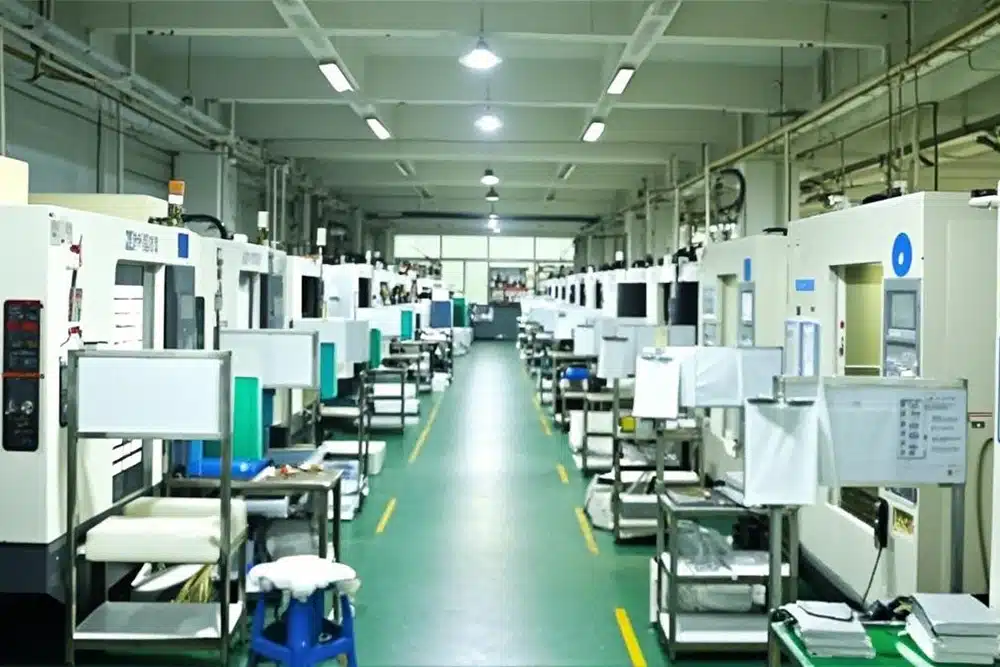
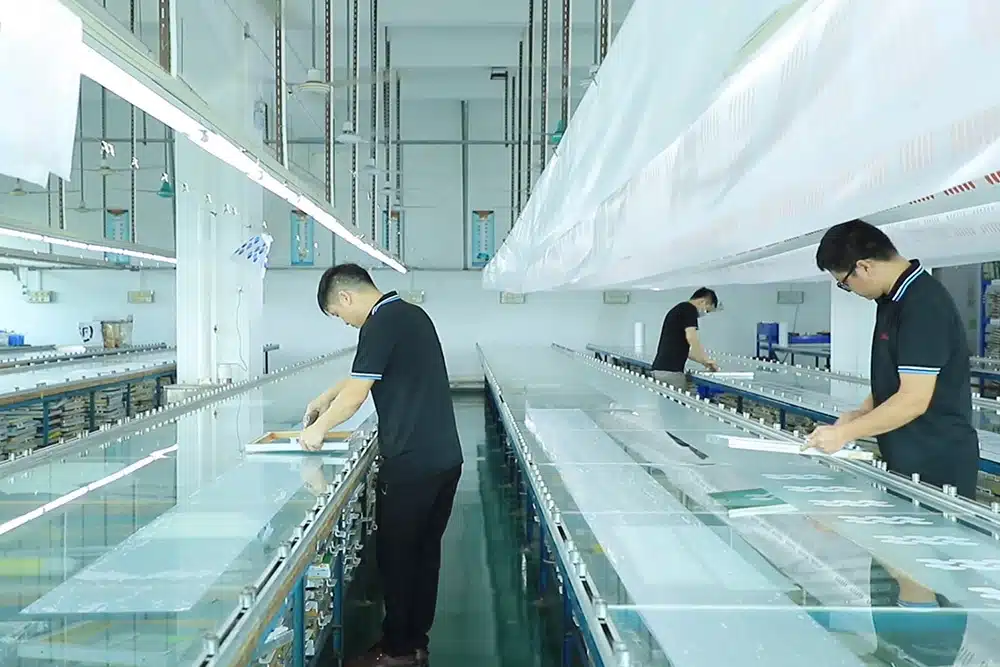
When choosing a silicone pet product manufacturer, also consider the manufacturer’s capabilities. With years of experience, partners provide solid guidance on material specifications, design optimization, mold accuracy, and quality control procedures which impact cleanability.
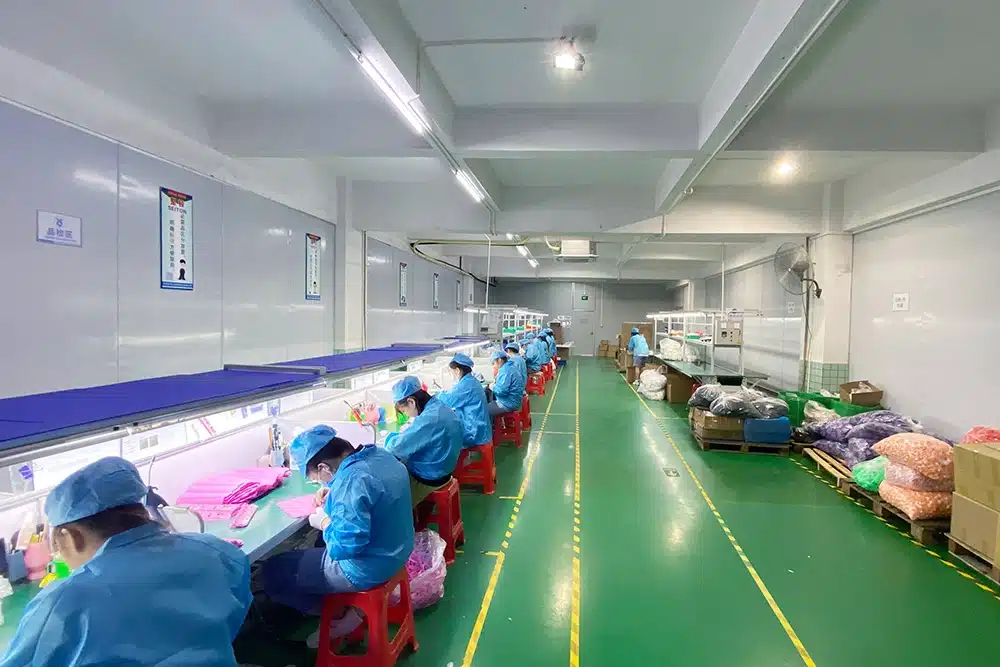
Expertise in custom molded silicone product manufacturing, material optimization for food-contact and durability, in-house mold making, prototype testing, compression molding, surface finishing options, dust-free packaging, and rigorous inspection from raw materials to final products are all hallmarks of a qualified manufacturer.
| Supplier Capability | Why It Matters |
| Material Selection Knowledge | Helps choose silicone suitable for cleaning, odor control, and daily use |
| Design Review Support | Identifies grooves, textures, cavities, or logos that may be hard to clean |
| In-House Mold Design | Improves texture accuracy and edge quality |
| Prototype Support | Allows buyers to test cleaning before mass production |
| Stable Molding Capability | Reduces surface defects, flash, and inconsistent texture |
| Surface / Logo Options | Helps choose branding methods that remain practical to clean |
| Quality Control Process | Verifies odor, surface finish, dimensions, hardness, and appearance |
| Clean Packaging Environment | Supports cleaner handling for pet products |
| Export Experience | Supports communication, documentation, and delivery reliability |
Conclusion — Easy Maintenance Starts With Better Product Design
A cleaning and maintenance program could be included in the silicone pet product development process from the very beginning. Silicone has great reusability and washability, but in reality, good performance relies on careful selection of materials, planning of textures, surface finishes, geometry and quality control.
When brands take these factors into account when designing silicone pet accessories, they’ll be able to provide an improved consumer experience, reduce customer complaints, and boost overall satisfaction levels for their pets in the long run. Good ideas can be developed into reliable, easy-to-use products through practical testing, clear instructions and working with a competent manufacturer.