
Food-grade silicone pet bowls are bowls that are created with silicone materials which can be used for food contact. They are generally used in dog bowls, cat bowls, collapsible bowls for dogs and cats, slow feeders and pet accessories for pet feeding, and traveling pet bowls. The bowls are multipurpose, durable, non-slip, sanitizable and can be produced in various colors and designs. Choosing safety materials, controlling formulation, designing the mold, good production and conducting quality inspection are important to guarantee their safety and long-term performance.
The food-grade silicone pet bowl, apart from being molded silicone, is also a pet product that is required to be food-grade, have controlled production, be coloured with safe colouring, be mouldable, have a clean handling process and be usable for quality inspection. There are a lot of items that can be made of silicone that are actually food safe, but silicone pet bowls must be made from the correct food contact materials and tested or documented to the proper market as food safe. By understanding these factors, brands, importers, and retailers can reduce the chances of high costs and problems and deliver consistent and dependable products.
What Are Food-Grade Silicone Pet Bowls?
Food-grade silicone pet bowls are special silicone pet bowls created with silicone compounds safe to be in direct contact with food. These silicone compounds are specially formulated to minimize migration and are safe for repeated contact with pet food, water and saliva, as opposed to regular silicone compounds.
Whether you are a brand creating feeding bowls, lick mats, travel bowls, and other pet products custom silicone pet products can be engineered around material safety, daily use, cleaning needs, and brand customization requirements.
| Item | Explanation | Product Type |
| Material Requirement | Food-contact silicone material suitable for pet feeding applications | Silicone feeding bowl or pet food/water container |
| Common Uses | Dog bowls, cat bowls, travel bowls, collapsible bowls, feeding sets | – |
| Key Features | Flexible, durable, easy to clean, non-slip, lightweight | – |
| Buyer Focus | Safety, odor control, durability, testing, and customization | – |
Why Material Safety Matters for Silicone Pet Bowls
The silicone pet bowls need to be safe for materials, as they have a direct and frequent contact with food, water, saliva and cleaning. The incorrect formulation can cause odor transfer, color migration or early degradation impacting the pet health perceptions and brand reputation.
| Safety Factor | Why It Matters for Buyers |
| Food-contact material | Helps support safer contact with pet food and water |
| Low odor | Reduces unpleasant smell and potential customer complaints |
| Stable colorants | Helps prevent color migration or inconsistent appearance |
| Proper curing | Helps reduce odor and improves material stability |
| Tear resistance | Important for flexible or collapsible bowl designs |
| Easy cleaning | Supports daily use and better hygiene |
Common Safety Standards Buyers Should Know
There are a variety of different safety standards for food-grade silicone pet bowls depending on the target market, sales channel and requirements of the buyer. Buyers are always interested in knowing what certifications or tests apply and not only rely on the general “food-grade” statement.
| Standard / Document | Common Relevance | Buyer Note |
| FDA Food-Contact Testing | Often requested for the U.S. market | Confirms suitability for food-contact applications based on test scope |
| LFGB Testing | Commonly requested for Germany and parts of Europe | Usually stricter on odor and sensory evaluation |
| REACH | Chemical safety regulation often requested for EU sales | Helps evaluate restricted substances |
| RoHS | Sometimes requested for broader product compliance programs | More common in electronics but may be requested by some brands |
| BPA-Free Statement | Often used in consumer product marketing | Claims should be supported by material documentation |
| Material TDS / MSDS | Provides technical and safety information | Helps buyers verify material selection before production |
FDA vs LFGB Silicone for Pet Bowls: What Is the Difference?
Two standards that come up in conversation often with regard to products that contact food are FDA and LFGB.Two standards name-dropped frequently in relation to food-contact silicone products are FDA and LFGB. Purchasing the right testing is dependent on the main market of the buyer.
| Item | FDA | LFGB |
| Common Market | United States | Germany and parts of Europe |
| Focus | Food-contact material safety | Food-contact safety plus sensory considerations |
| Typical Buyer Concern | Regulatory acceptance for U.S. sales | Odor, taste, and stricter food-contact confidence |
| Best For | Brands targeting U.S. retail or ecommerce | Brands targeting Germany or higher-standard EU markets |
| Buyer Action | Confirm test scope and product category | Confirm test scope, odor requirements, and documentation |
Key Design Considerations for Custom Silicone Pet Bowls
Silicone pet bowls that are used in the food industry should be practical for the pet, cost-effective to make and use. Careful design eliminates common issues such as tipping, hard-to-clean or excessive material usage.
| Design Factor | Practical Buyer Consideration |
| Bowl Capacity | Should match dog, cat, puppy, travel, or outdoor use scenarios |
| Wall Thickness | Affects flexibility, stability, weight, and production cost |
| Base Design | Helps improve anti-slip performance during feeding |
| Rim Structure | Improves handling and reduces deformation |
| Surface Texture | Can improve grip but should remain easy to clean |
| Collapsible Design | Useful for travel bowls but requires material flexibility |
| Logo Position | Should not interfere with cleaning or food-contact surfaces |
| Color Choice | Pantone matching may be required for branded products |
| Packaging | Retail packaging, ecommerce packaging, or bulk packing should be planned early |
How Food-Grade Silicone Pet Bowls Are Manufactured
Creating silicone pet bowls for food is not only about moulding silicone. Each step from design review to final packaging will impact on the safety, consistency and quality of the product.
| Process Step | What Happens | Why It Matters |
| Design Review | Engineers evaluate bowl shape, thickness, flexibility, and mold feasibility | Reduces tooling changes and production risks |
| Material Selection | Food-contact silicone material is selected based on use and target market | Supports safety and durability requirements |
| Color Matching | Pantone or custom colors are prepared if needed | Ensures brand consistency |
| Mold Fabrication | Custom tooling is made for the pet bowl design | Affects shape accuracy and production stability |
| Molding | Silicone is molded into the final bowl shape | Determines structure, flexibility, and appearance |
| Trimming | Flash or excess material is removed | Improves appearance and user experience |
| Surface / Logo Processing | Embossing, debossing, printing, or laser marking may be applied | Supports branding requirements |
| Inspection | Dimensions, appearance, odor, hardness, and fit are checked | Helps reduce defective products |
| Packaging | Products are packed for retail, wholesale, or ecommerce needs | Protects products and supports brand presentation |
Quality Control Checklist for Silicone Pet Bowls
Silicone pet bowls are manufactured using quality control that guarantees safety, function, appearance and batch uniformity. An extensive list can detect issues before the products are delivered to customers.
| QC Item | What to Check | Why It Matters |
| Material Documentation | Food-contact reports, TDS, MSDS, or supplier certificates | Supports buyer compliance review |
| Hardness | Shore A hardness consistency | Affects flexibility and bowl stability |
| Odor | Unusual smell after production | Important for pet feeding products |
| Appearance | Stains, bubbles, flash, deformation, or color marks | Affects retail quality |
| Dimensions | Bowl size, rim thickness, base diameter | Ensures product consistency |
| Flexibility | Bending, folding, and rebound behavior | Important for collapsible or travel bowls |
| Surface Finish | Smoothness, texture, and cleaning friendliness | Affects user experience |
| Logo Quality | Embossing, debossing, printing, or marking clarity | Supports brand presentation |
| Packaging | Quantity, labeling, protection, and cleanliness | Reduces shipment and retail issues |
Food-Grade Silicone Pet Bowls vs Plastic Pet Bowls
Silicone pet bowls will be the pet bowls buyers will be comparing when establishing a retail or ecommerce line. Every material, of course, has its own qualities that are suitable to the priority.
| Factor | Silicone Pet Bowls | Plastic Pet Bowls |
| Flexibility | Flexible and suitable for collapsible designs | Usually rigid |
| Durability | Good resistance to bending and daily handling | May crack depending on material |
| Cleaning | Smooth silicone can be easy to clean | Depends on plastic type and surface finish |
| Heat Resistance | Generally better heat resistance than many plastics | Varies by plastic material |
| Grip | Can be designed with anti-slip surfaces | May need added rubber feet |
| Branding | Supports molded logos, colors, and surface options | Supports printing and molded branding |
| Cost | Usually higher than basic plastic bowls | Often lower for simple mass products |
What Buyers Should Prepare Before Ordering Custom Silicone Pet Bowls
By making good preparation, more accurate quotations and smoother development. If the producers are already informed at the beginning on what the specifications are, they will be easier to determine if there are any difficulties in the manufacturing process.
| Information to Prepare | Why It Helps |
| Product Type | Defines whether it is a dog bowl, cat bowl, travel bowl, or feeding set |
| Size and Capacity | Helps evaluate material usage and mold design |
| 3D File or Sample | Allows accurate engineering review |
| Material Requirement | Helps select suitable food-contact silicone |
| Target Market | Helps determine FDA, LFGB, or other testing needs |
| Color Requirement | Supports Pantone matching and production planning |
| Logo Design | Helps decide embossing, debossing, printing, or laser marking |
| Order Quantity | Affects mold planning, unit cost, and production scheduling |
| Packaging Requirement | Impacts total cost and retail presentation |
| Testing Requirement | Helps plan documentation and third-party testing early |
How to Choose a Food-Grade Silicone Pet Bowl Manufacturer
When it comes to selecting silicone pet bowls manufacturers, it’s not all about the price of the bowls. The partners experienced have good material control, mold making and production consistency, and quality systems.
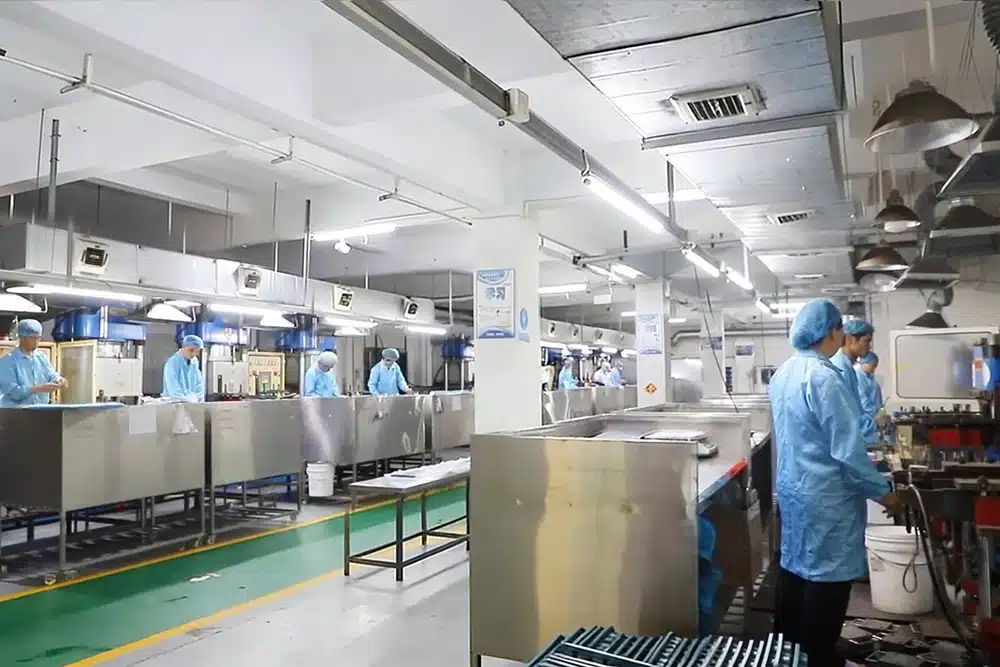
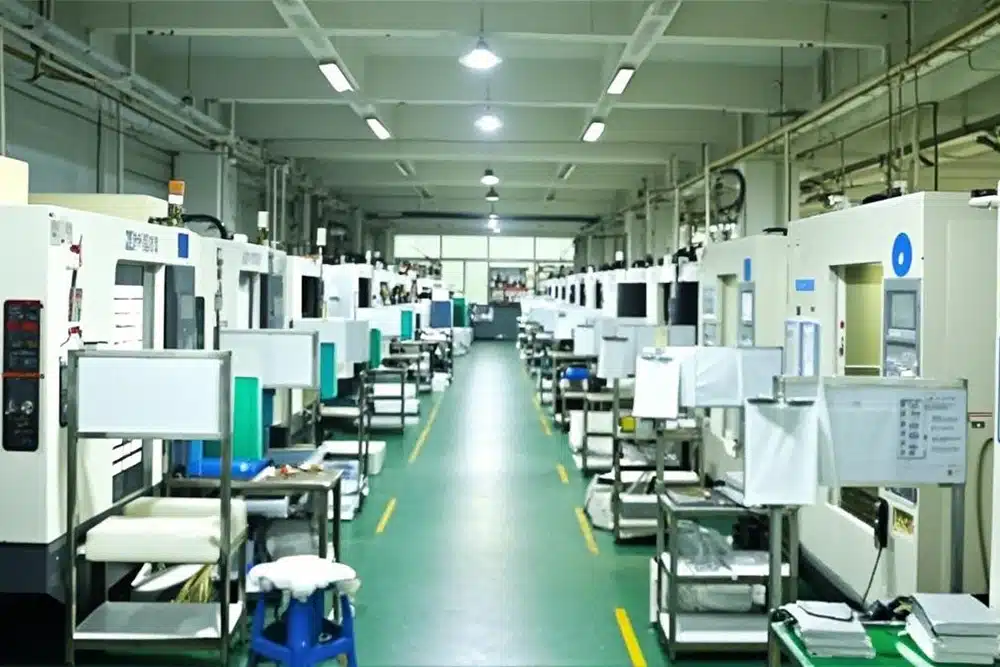
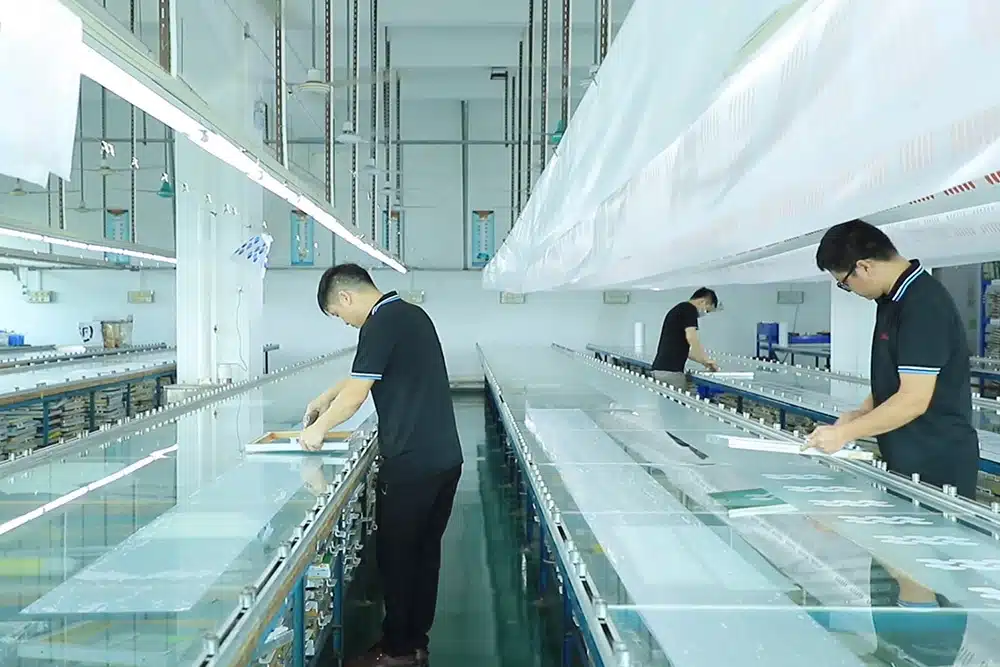
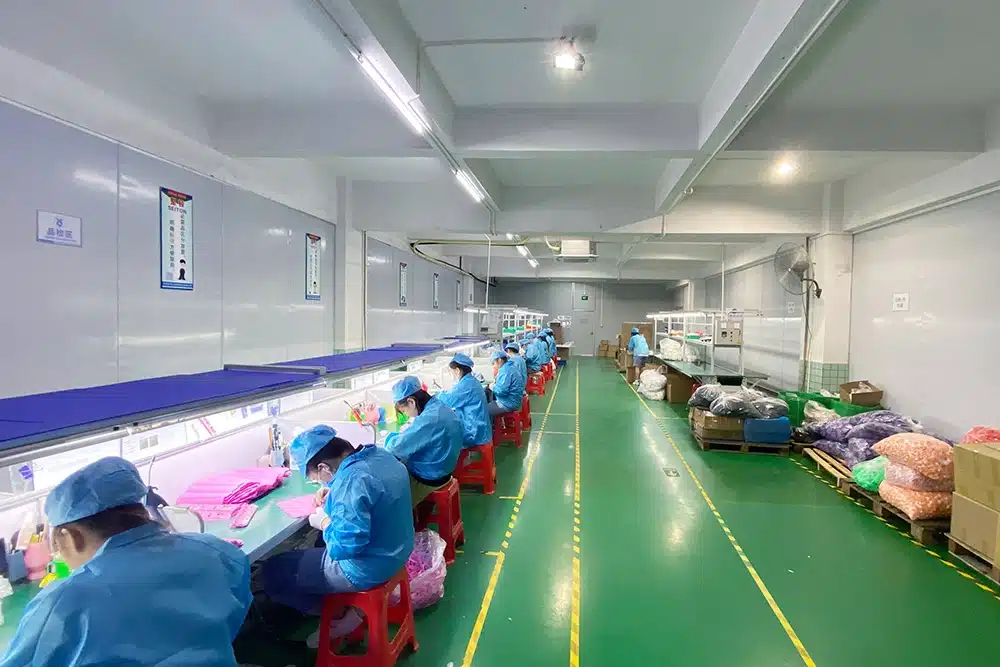
The manufacturer should be able to demonstrate its ability to offering services, including custom molded silicone product manufacturing, OEM/ODM support, material selection and optimization, mold design and tooling, prototype and sample production, compression molding, surface finishing options (such as silk screen printing, spray coating and laser engraving), dust-free assembly environments, and strict quality control from raw material inspection to final testing.
| Supplier Capability | Why It Matters |
| Food-Contact Material Experience | Helps buyers select silicone suitable for pet feeding products |
| In-House Mold Design | Reduces tooling communication errors and improves development efficiency |
| Silicone Molding Capability | Supports stable production for custom pet bowls and accessories |
| Prototype Support | Allows buyers to test size, flexibility, and appearance before mass production |
| Logo and Surface Options | Supports branded retail and private label projects |
| Quality Control Process | Helps verify appearance, dimensions, hardness, odor, and consistency |
| Clean Packaging Environment | Important for pet products that contact food or water |
| Export Experience | Supports communication, documentation, and international delivery requirements |
Common Mistakes Buyers Should Avoid
Even the most experienced sourcing professionals can end up with a sourcing decision that results in downstream problems. It is because if you’re aware of what these are, you’ll be able to get the best results.
| Common Mistake | Better Approach |
| Assuming all silicone is food-safe | Confirm material grade and testing documentation |
| Focusing only on low price | Evaluate material, mold quality, QC, and supplier reliability |
| Ignoring odor | Ask about curing process and odor control |
| Using unstable thin-wall designs | Review wall thickness and bowl stability before tooling |
| Delaying testing decisions | Confirm target market requirements early |
| Checking only sample appearance | Also verify hardness, flexibility, dimensions, and cleaning performance |
Conclusion — Safe Silicone Pet Bowls Start With the Right Material and Manufacturing Control
Food-grade silicone pet bowls may be a great choice for brands seeking safe, flexible and hygienic pet feeding options. Choosing materials, molding and handling them with care, designing the items solid and thoroughly checking the quality are all essential to success.
The following requirements of the relevant standards, supporting documents, hardness, odor control, surface finish and packaging should be checked by the buyer before ordering a mass production. Having one manufacturer that guides you through the entire process, from reviews to delivery, reduces risks and guarantees consistency. Taking these factors into account, pet bowl manufacturers can produce a safe product that is marketable.