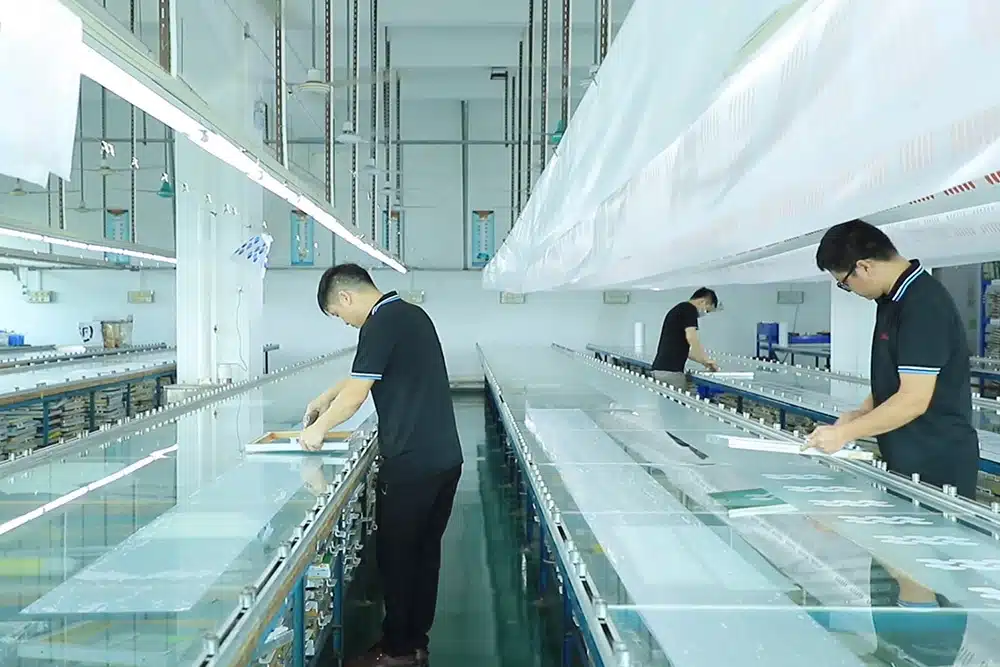

Custom logo silicone kitchenware refers to everyday kitchen tools and accessories made from silicone that feature your brand’s mark, icon, text, or pattern. These items—such as spatulas, baking mats, lids, trivets, and utensils—can be customized through methods like embossing, debossing, silk screen printing, laser marking, or packaging elements.
The right choice depends on product structure, surface texture, usage conditions, mold design, durability needs, and cost considerations. Many buyers assume any logo method works equally well, but results vary based on geometry, material properties, cleaning requirements, and production workflow. Custom logo silicone kitchenware is not only a visual decision but a manufacturing one that impacts tooling, quality control, and final performance.
What Is Custom Logo Silicone Kitchenware?
Custom logo silicone kitchenware involves adding brand identity to functional silicone products during or after manufacturing. Brands, wholesalers, importers, and private label sellers use it to build recognition, differentiate offerings, and enhance retail or ecommerce presentation.
| Item | Explanation | Product Category |
| Silicone utensils, baking tools, lids, molds, trivets, covers, ice trays, and kitchenware sets | Kitchen tools made from flexible, heat-resistant silicone | Everyday cooking and baking items |
| Logo Purpose | Brand recognition, private label identity, retail presentation, and product differentiation | – |
| Common Methods | Embossing, debossing, silk screen printing, laser marking, packaging logo, label, or insert card | – |
| Best For | Brands, wholesalers, importers, ecommerce sellers, retailers, and private label buyers | – |
| Key Requirement | Clear logo file, suitable method, approved sample, and quality inspection standard | – |
For brands, wholesalers, and private label sellers, custom logo silicone kitchenware should be planned around product design, logo method, surface condition, packaging needs, and quality control before mass production begins.
Main Logo Methods for Silicone Kitchenware
Different logo methods produce distinct visual effects, durability levels, production requirements, and costs. Selecting the best one early avoids rework and ensures the branding aligns with the product’s real-world use.
| Logo Method | How It Works | Best Used For | Key Consideration |
| Embossing | Logo is raised from the silicone surface through mold design | Durable molded branding on simple logo designs | Requires mold planning before tooling |
| Debossing | Logo is recessed into the silicone surface through mold design | Subtle and clean product branding | Must balance visibility and cleaning ease |
| Silk Screen Printing | Ink is printed onto the silicone surface | Surface graphics, icons, instructions, or color logos | Needs adhesion and wear-resistance review |
| Laser Marking | Logo is marked using laser on suitable silicone surfaces | Permanent-style marking for certain finishes and designs | Effect depends on material, surface, and contrast |
| Packaging Logo | Brand is printed on box, card, insert, label, or carton | Retail, ecommerce, and private label presentation | Does not affect mold but requires packaging artwork |
| Combined Branding | Product logo plus branded packaging | Full brand presentation | Requires coordination across product and packaging |
Embossed Logos on Silicone Kitchenware
Embossing creates a raised logo directly formed into the silicone during molding, making it a popular choice for durable, integrated branding.
This method works well for simple designs on stable surfaces. It requires upfront mold planning but delivers long-lasting results without ink that could wear off.
| Embossing Factor | Buyer Consideration |
| Logo Effect | Raised logo directly formed on the silicone surface |
| Tooling Requirement | Must be included in mold design or mold modification |
| Best Logo Type | Simple logos, bold icons, clear text, and thicker lines |
| Suitable Products | Utensil handles, trivets, lids, mats, molds, and flat or stable surfaces |
| Cleaning Impact | Logo height should not trap food or make cleaning difficult |
| Durability | Molded branding generally avoids surface ink wear |
| Limitation | Very fine details may not reproduce clearly |
| Approval Need | Physical sample should be checked before mass production |
Debossed Logos on Silicone Kitchenware
Debossing produces a recessed logo that offers a subtle, premium appearance compared to raised embossing.
It integrates cleanly into the surface but needs careful depth control to maintain visibility and cleanability. Like embossing, it must be planned during mold design.
| Debossing Factor | Buyer Consideration |
| Logo Effect | Recessed logo formed into the silicone surface |
| Visual Style | More subtle and clean than a raised logo |
| Tooling Requirement | Must be planned in mold design or mold modification |
| Best Logo Type | Simple marks, brand names, icons, and moderate-size text |
| Suitable Products | Handles, mats, molds, lids, trivets, and flat silicone areas |
| Cleaning Impact | Deep recessed areas may be harder to clean if poorly designed |
| Visibility | Low contrast may make the logo less visible on some colors |
| QC Focus | Depth, clarity, edge quality, and consistency |
Silk Screen Printing for Silicone Kitchenware Logos
Silk screen printing applies ink directly to the silicone surface, allowing for colorful graphics, instructions, or detailed icons that molded methods cannot achieve.
It suits baking mats with measurement guides or multi-color brand marks. Success depends on surface preparation, ink adhesion testing, and wear resistance for repeated washing.
| Printing Factor | Buyer Consideration |
| Logo Effect | Printed logo, pattern, text, or guide on product surface |
| Best Use | Baking mat guides, brand icons, simple graphics, and instruction marks |
| Color Option | Single-color printing is simpler; multi-color printing needs more setup |
| Surface Requirement | Smooth and suitable surface improves print quality |
| Adhesion | Printing must be reviewed for adhesion and wear resistance |
| Cleaning Impact | Products exposed to repeated washing need careful process review |
| Artwork Need | Clear vector artwork improves print accuracy |
| QC Focus | Position, color, sharpness, adhesion, and consistency |
Laser Marking Options for Silicone Kitchenware
Laser marking uses a laser to create permanent marks on compatible silicone surfaces, offering a modern look without traditional ink.
Results vary by material formulation, color, and finish, so sample testing is essential. It works best for simple text or marks where strong contrast is achievable.
| Laser Marking Factor | Buyer Consideration |
| Logo Effect | Marked logo or text on suitable silicone surface |
| Best Use | Certain logos, product marks, batch marks, or simple brand details |
| Surface Requirement | Works better on suitable material and surface conditions |
| Contrast | Visibility depends on product color and material response |
| Durability | Can provide stable marking when properly matched to material |
| Limitation | Not every silicone color or surface produces strong contrast |
| Sample Need | Physical samples should confirm visibility and appearance |
| QC Focus | Position, clarity, contrast, and repeatability |
Product Logo vs Packaging Logo: Which Should Buyers Choose?
Some projects focus on logos applied directly to the product, while others prioritize packaging for cost efficiency or unboxing appeal.
| Branding Option | Best For | Advantages | Limitations |
| Logo on Product | Long-term product identification and brand visibility | Visible during use, strong brand recognition | May affect mold, printing, or QC requirements |
| Logo on Packaging | Retail, ecommerce, gift sets, and private label presentation | Strong shelf and unboxing impact | Logo may not remain visible after packaging is removed |
| Product + Packaging Logo | Full brand experience | Better brand consistency | Higher coordination, cost, and approval workload |
| Insert Card / Label | Instructions, brand story, care tips, or warranty | Flexible and easy to update | Less permanent than product branding |
How Product Type Affects Logo Method Selection
The ideal logo approach changes with each kitchenware item’s function, surface area, and usage.
| Product Type | Suitable Logo Options | Notes |
| Silicone Spatulas | Embossing, debossing, printing on handle, packaging logo | Avoid interfering with flexible working edge |
| Cooking Utensils | Molded logo, printed logo, packaging logo | Logo should not affect grip or cleaning |
| Baking Mats | Printing, debossing, packaging logo | Printed guides need wear and adhesion review |
| Baking Molds | Embossing, debossing, packaging logo | Logo should not affect food release or cavity function |
| Silicone Lids | Embossing, debossing, packaging logo | Logo position should not affect sealing or stretch |
| Food Covers | Packaging logo, small molded logo if feasible | Thin flexible parts need careful design |
| Trivets | Embossing, debossing, textured logo, packaging logo | Texture and anti-slip design can support branding |
| Ice Cube Trays | Debossing, embossing, packaging logo | Logo should not affect release or cleaning |
| Kitchenware Sets | Product logo plus packaging logo | Color and logo consistency across all items is important |
Logo Artwork Requirements Buyers Should Prepare
Strong artwork and specifications lead to better manufacturing outcomes.
| Artwork Requirement | Why It Helps |
| Vector Logo File | Improves accuracy for mold engraving, printing, or laser marking |
| Logo Size | Helps evaluate visibility and manufacturability |
| Logo Placement | Prevents interference with grip, sealing, cleaning, or food-contact areas |
| Line Thickness | Important for embossed, debossed, and printed logo clarity |
| Simplified Logo Version | Helps when detailed logos cannot be molded clearly |
| Color Reference | Supports printed logo or packaging color consistency |
| Packaging Artwork | Needed for boxes, cards, inserts, labels, or ecommerce packaging |
| Brand Guideline | Helps maintain consistent logo use across product lines |
| Approval Sample | Confirms the physical logo effect before mass production |
How Logo Choice Affects Cost, MOQ and Lead Time
Logo decisions influence tooling, setup, and overall project economics.
| Logo Decision | Cost / MOQ / Lead Time Impact |
| Embossed Logo | May require mold design or mold modification |
| Debossed Logo | Requires tooling detail and sample confirmation |
| Silk Screen Printing | Adds printing setup, labor, and inspection |
| Multi-Color Printing | Increases setup complexity and may affect MOQ |
| Laser Marking | Adds marking setup and sample testing |
| Logo Revision After Tooling | May increase cost and delay schedule |
| Packaging Logo | Adds packaging artwork, proofing, and printing time |
| Multiple Logo Versions | May be treated as separate SKUs |
| Small Quantity Order | Setup cost is spread across fewer units |
Quality Control for Custom Logo Silicone Kitchenware
Consistent logo quality requires systematic checks against approved samples.
| QC Item | What Should Be Checked |
| Logo Position | Matches approved sample and does not affect function |
| Logo Size | Correct width, height, and proportion |
| Embossed Logo | Height, edge clarity, and consistency |
| Debossed Logo | Depth, visibility, edge quality, and cleaning practicality |
| Printed Logo | Sharpness, color, adhesion, and alignment |
| Laser Marking | Contrast, clarity, position, and repeatability |
| Surface Condition | No stains, dust, bubbles, or marks affecting logo appearance |
| Packaging Logo | Correct artwork, color, barcode, and label information |
| Batch Consistency | Logo appearance remains stable across production quantity |
| Approved Sample Match | Production should match confirmed logo sample |
Common Mistakes When Adding Logos to Silicone Kitchenware
Avoiding these pitfalls helps projects run smoother:
- Providing low-resolution logo files instead of vector formats
- Using overly detailed logos for molded branding
- Choosing the logo method too late in the development process
- Placing logos on difficult or functional surfaces
- Ignoring cleaning and food-contact requirements
- Assuming printing works equally on every silicone surface
- Skipping physical sample approval
- Changing logo specifications after mold completion
- Forgetting to plan packaging branding alongside the product
- Comparing quotes without understanding method and QC differences
What Buyers Should Prepare Before Requesting a Custom Logo Quote
Clear information allows manufacturers to recommend optimal solutions and accurate pricing.
| Information to Prepare | Why It Helps |
| Product Type | Helps determine suitable logo position and method |
| Product Drawing / Sample | Supports logo placement and surface evaluation |
| Vector Logo File | Improves accuracy for mold, printing, or marking |
| Logo Size | Helps confirm visibility and manufacturability |
| Logo Placement | Prevents functional or cleaning problems |
| Preferred Logo Method | Helps estimate tooling, printing, or marking process |
| Product Color | Affects logo visibility and contrast |
| Surface Texture | Influences printing, marking, or molded logo clarity |
| Packaging Requirement | Helps plan full brand presentation |
| Estimated Quantity | Affects setup cost, MOQ, and unit price |
| Number of SKUs | Helps evaluate logo variation and production planning |
| Timeline | Helps schedule samples, tooling, printing, and packaging |
How to Choose a Manufacturer for Custom Logo Silicone Kitchenware
Look for partners with deep experience in both silicone production and branding execution.
| Manufacturer Capability | Why It Matters |
| Kitchenware Manufacturing Experience | Helps select suitable logo methods for real product use |
| Mold Design Capability | Important for embossed and debossed logos |
| Printing Process Support | Helps manage printed logos, guides, and graphics |
| Laser Marking Experience | Supports suitable marking on compatible surfaces |
| Surface Finish Knowledge | Helps match logo method with texture, finish, and durability needs |
| Color Matching | Supports brand color and logo consistency |
| Packaging Support | Helps coordinate product and packaging branding |
| Quality Control | Reduces logo defects, misalignment, and batch inconsistency |
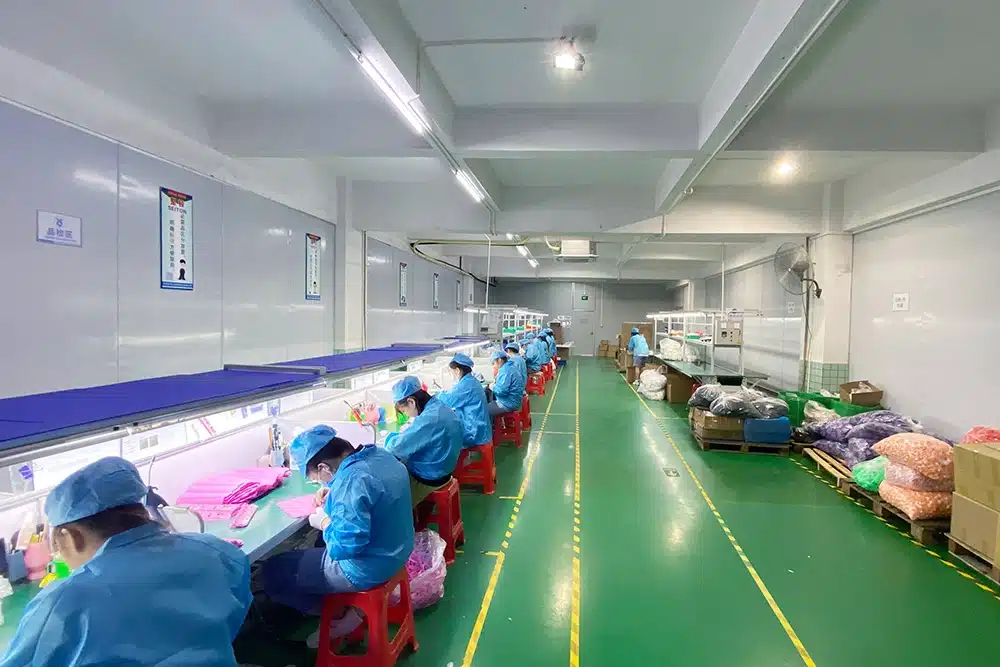
| Clean Packaging Environment | Supports better handling of food-contact kitchenware |
| Export Experience | Supports communication, documents, and delivery coordination |
Conclusion — Logo Customization Should Be Planned Before Production
Custom logo silicone kitchenware helps brands strengthen identity and improve market presentation when approached as an integrated part of manufacturing. Embossing, debossing, silk screen printing, laser marking, and packaging options each come with specific design, cost, and quality considerations.
Successful projects start with clear requirements, proper artwork, early method selection, sample approval, and coordinated quality standards. By addressing these elements before tooling or mass production, buyers achieve consistent results across orders while avoiding unnecessary delays or costs.