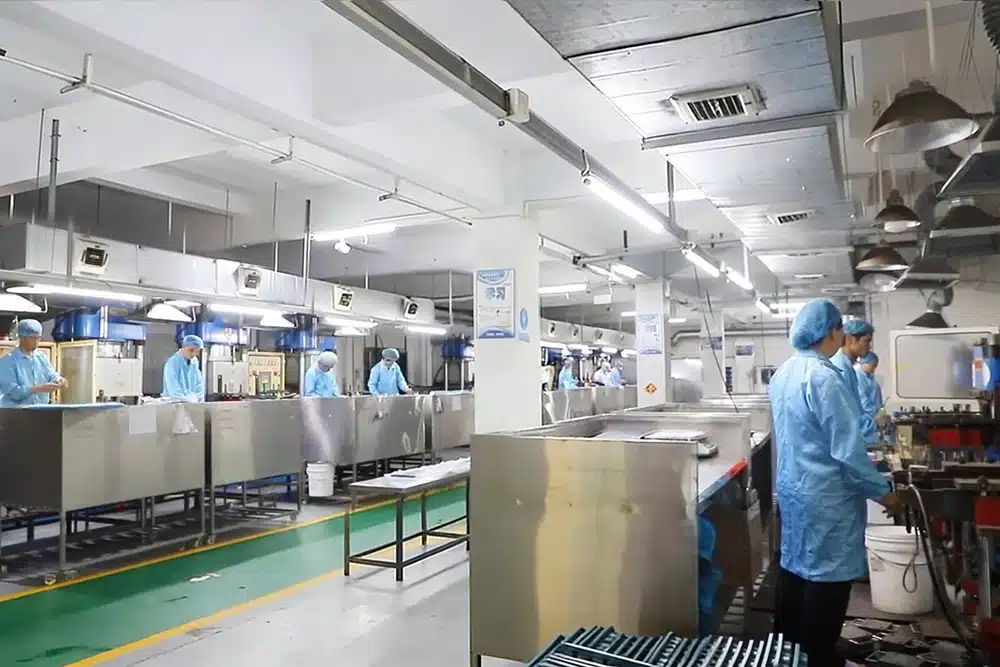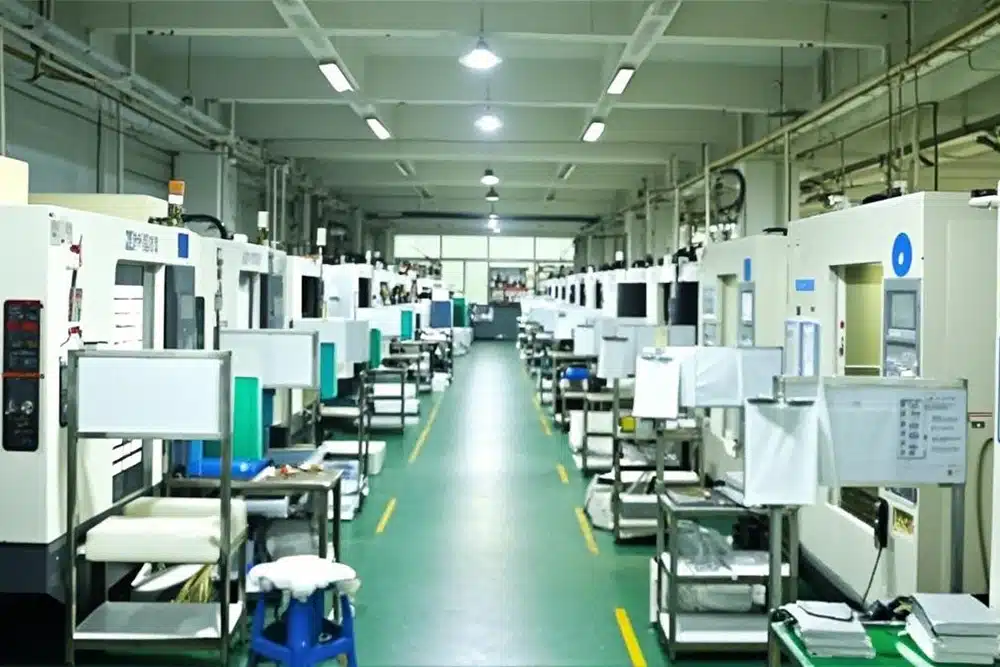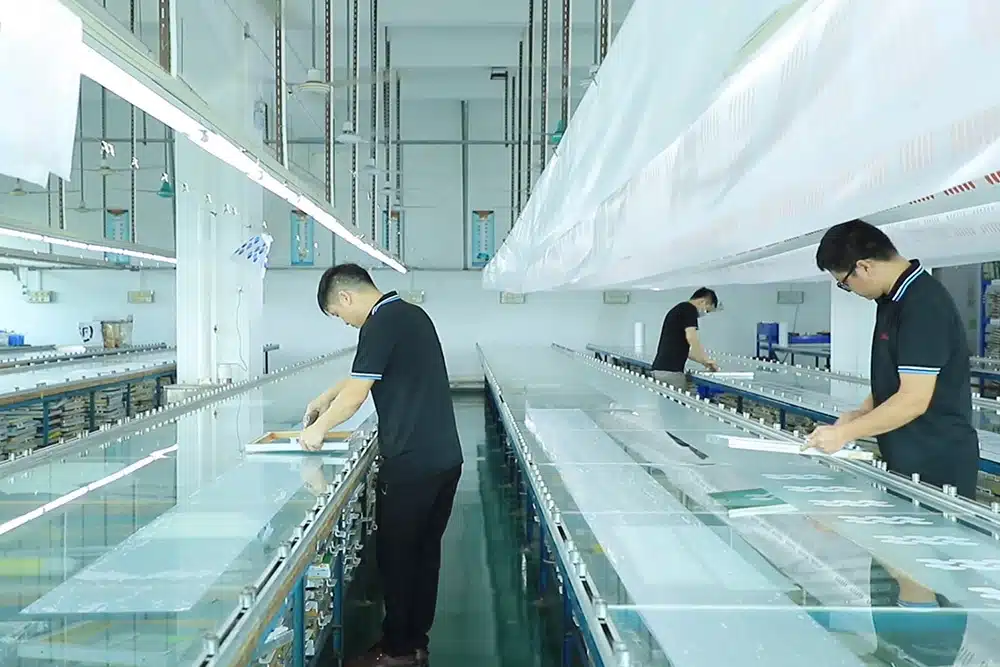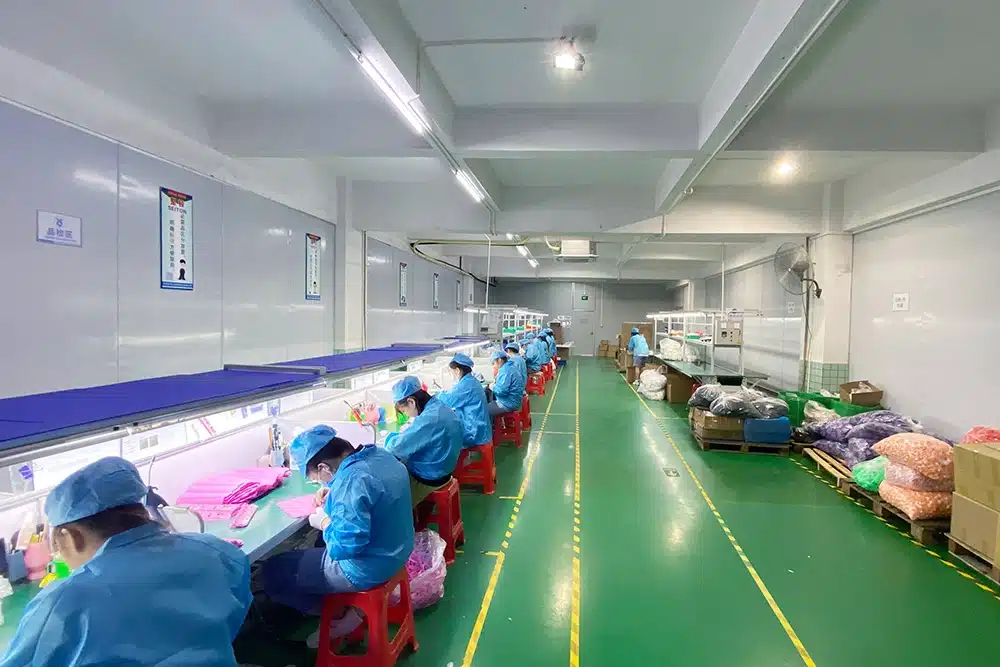

The time needed to get a product confirmed, design accepted, mould developed (if required), sample, revisions, mass production, packaging, final inspection and prepare for shipment is known as the custom silicone kitchenware lead time. This depends greatly on whether you are working with an existing mold, private label products, or an OEM project that is fully custom. The schedule is affected by many things such as product complexity, material selection, color matching, logo method, packaging requirement, etc.
Often, many buyers just ask “when is the production start date?” but the actual date for a custom silicone kitchenware is much earlier and involves design review, DFM analysis, sample approval and packaging proofs. Knowing these phases can help kitchenware brands, wholesalers, importers and ecommerce sellers have reasonable expectations and not get caught up with last-minute delays on kitchenware such as spatulas, baking mats, lids, trivets or entire kitchens.
What Does Lead Time Mean for Custom Silicone Kitchenware?
Lead time of custom silicone kitchenware is the total time to finish the development and production process, which does not only include molding days. It covers from confirmation through to completion readiness and should not be confused with just the time required on the press.
Here’s a quick guide to the various elements:
| Lead Time Stage | What It Means |
| Design Review Time | Time needed to confirm size, structure, material, logo, and packaging requirements |
| Mold Development Time | Time required when a new custom mold is needed |
| Sample Time | Time needed to produce and review initial samples |
| Revision Time | Time required if sample adjustments are needed |
| Production Time | Time required for bulk silicone molding and finishing |
| Packaging Time | Time needed for retail packaging, labels, inserts, or carton preparation |
| Inspection Time | Time needed for final quality checks before shipment |
| Shipment Preparation | Time needed for carton packing, documents, and logistics coordination |
Understanding the [custom silicone kitchenware production process]helps buyers plan design approval, tooling, samples, packaging, inspection, and shipment more realistically before confirming a launch schedule.
Typical Timeline Stages from Design Approval to Mass Production
The production of custom silicone kitchenware is done in a systematic fashion, and any lag in a particular step can wreak havoc on the entire timeline. Based on our many years of manufacturing, our most successful projects are those where buyers and manufacturers set expectations early in the project.
Typically, the main stages are as follows:
| Timeline Stage | What Happens | Why It Affects Lead Time |
| Requirement Confirmation | Buyer confirms product type, size, material, color, logo, packaging, and quantity | Incomplete details can delay quotation and production planning |
| Design / Sample Review | Manufacturer evaluates drawing, 3D file, photo, or physical sample | Helps confirm feasibility before tooling |
| DFM Review | Engineers check wall thickness, demolding, logo position, and moldability | Reduces tooling changes and production risks |
| Material Confirmation | Silicone grade, hardness, heat resistance, and food-contact expectations are discussed | Affects material preparation and sample quality |
| Mold Design | Tooling structure, cavity layout, parting line, and logo details are planned | Affects product accuracy and development schedule |
| Tooling Manufacturing | The mold is manufactured and prepared for trial production | New custom molds usually add significant development time |
| Color Matching | Pantone or custom color samples are prepared and approved | Color revisions can delay sampling and production |
| Sample Production | Trial samples are made for buyer review | Confirms physical appearance, function, logo, and feel |
| Sample Approval | Buyer approves or requests adjustment before bulk production | Delayed feedback can delay mass production |
| Packaging Proofing | Retail box, insert, label, or carton artwork is checked | Printed packaging can add extra schedule pressure |
| Mass Production | Approved products are molded, trimmed, finished, and packed | Depends on order quantity, mold output, and production schedule |
| Final Inspection | Products and packaging are checked before shipment | Helps reduce defects and shipment risk |
| Shipment Preparation | Cartons, labels, documents, and logistics are prepared | Affects final delivery planning |
Existing Mold vs New Custom Mold Lead Time
One of the biggest factors that determines custom silicone kitchenware lead time is still mold status. Existing molds are usually faster to work with, but still need to be confirmed properly to a certain degree.
| Mold Situation | Lead Time Impact |
| Existing Standard Mold | Usually shorter because tooling already exists |
| Existing Mold with Custom Color | Color matching and material preparation may still add time |
| Existing Mold with Logo Customization | Printing may be faster; molded logo may require tooling change |
| New Custom Mold | Requires mold design, tooling, trial, and sample approval |
| Molded Logo or Texture | Needs tooling planning and may extend development time |
| Multi-Cavity Mold | May take longer to build but improves bulk production efficiency |
| Mold Modification | Adds time for adjustment, testing, and sample reconfirmation |
Sample approval is required even if there is an existing mold to confirm colour, material feel and performance.
How Product Complexity Affects Production Timeline
The difficulty of tooling, the efficiency of molding, the amount of trimming labor, and the time for inspection of silicone kitchenware are all affected by the product design.
| Product Complexity Factor | How It May Affect Lead Time |
| Large Product Size | May require larger mold and longer molding cycle |
| Uneven Wall Thickness | May require more design review and process adjustment |
| Thin Flexible Areas | Need careful sampling and inspection |
| Complex Cavity Shape | May increase mold design and trial time |
| Difficult Demolding | May require mold adjustment or design change |
| Product Set | Requires multiple parts to be produced, matched, and packed together |
| Insert / Handle Combination | Adds assembly or co-molding considerations |
| Surface Texture | Requires mold surface planning and inspection |
| Detailed Logo Position | May affect tooling, printing, or finishing schedule |
| Intensive Trimming | Adds labor and inspection time |
Material, Color and Logo Approval Time
Custom silicone kitchenware lead time is often extended by material, color and branding decisions, as they require physical confirmation before committing to mass production.
| Approval Item | Why It Can Affect Lead Time |
| Silicone Material | Special material requirements may need preparation or confirmation |
| Shore Hardness | Different hardness may require sample testing and buyer approval |
| Heat Resistance Need | May affect material selection and testing expectations |
| Pantone Color Matching | Requires color sample preparation and approval |
| Multiple Colors | Each color may need separate material preparation |
| Special Color Effect | Translucent or special effects may require extra trials |
| Embossed / Debossed Logo | Must be confirmed during mold design or tooling |
| Printed Logo | Needs artwork review, printing setup, and sample approval |
| Laser Marking | Requires process testing on the actual surface |
| Repeat Order Color Standard | Approved samples help reduce future color confirmation time |
Packaging Lead Time for Retail, Wholesale and Ecommerce Orders
Packaging is one of the time killers, particularly for the private label and retail ready silicone kitchenware.
| Packaging Requirement | Lead Time Consideration |
| Bulk Packaging | Usually simpler and faster |
| Individual Polybag | Adds packing preparation and labor |
| Paper Card | Requires artwork confirmation and printing |
| Retail Box | Needs structure, artwork, proof approval, and production time |
| Gift Box | Usually requires longer packaging production and approval |
| Insert Card | Adds artwork and printing schedule |
| Barcode / Label | Must be confirmed before packaging production |
| Ecommerce Packaging | Needs product protection and shipping suitability review |
| Carton Marks | Should match buyer warehouse and shipment requirements |
| Packaging Proof | Delayed approval can delay final packing |
Testing, Documentation and Quality Control Timeline
Test and inspection should be considered early as it may affect schedule and readiness for shipment.
| Testing / QC Item | Timeline Impact |
| Food-Contact Testing | May require lab scheduling, sample preparation, and report waiting time |
| FDA / LFGB-Related Expectations | Testing scope should be confirmed early to avoid shipment delays |
| Material Documentation | Requires coordination with material and production records |
| Sample Testing | Can delay approval if testing is requested before mass production |
| In-Process QC | Helps prevent large-scale defects during production |
| Final Inspection | Should be scheduled before shipment, not after packing problems appear |
| Packaging Inspection | Checks labels, inserts, barcode, carton marks, and retail presentation |
| Buyer Inspection | Third-party inspection may need separate scheduling |
Why Sample Approval Is the Key Timeline Milestone
In many custom silicone kitchenware manufacturing projects, the approval of the sample takes a pivotal role in moving from development to mass production.
| Sample Approval Item | What Buyers Should Confirm |
| Product Size | Matches drawing, reference sample, or approved specification |
| Shape & Structure | Works for cooking, baking, sealing, gripping, storage, or protection |
| Material Feel | Matches expected flexibility, softness, and durability |
| Shore Hardness | Supports product function and user experience |
| Color | Matches Pantone or approved physical sample |
| Logo | Correct size, position, clarity, and method |
| Surface Finish | Matches matte, glossy, textured, or soft-touch requirement |
| Function | Performs properly in the intended use case |
| Packaging | Fits product and matches approved artwork |
| Final Approval Record | Provides reference standard for mass production |
Common Causes of Lead Time Delays
The number of delays in the custom silicone kitchenware lead time can be avoided if major points are ensured in advance.
| Delay Cause | How to Reduce the Risk |
| Incomplete Product Details | Provide drawing, size, sample, or 3D file early |
| Unclear Material Requirement | Confirm food-grade, hardness, heat use, and target market expectations |
| Late Logo File | Provide vector artwork before mold or printing setup |
| Color Revisions | Use Pantone and approve physical color samples |
| Packaging Changes | Confirm packaging structure and artwork before mass production |
| Mold Revision | Complete DFM review before tooling starts |
| Too Many Sample Rounds | Review samples carefully and consolidate feedback |
| Late Testing Request | Discuss testing before production planning |
| Quantity Changes | Confirm order quantity and SKU split early |
| Slow Feedback | Provide timely approval or revision comments |
How Buyers Can Shorten Lead Time Without Increasing Risk
Smart preparation and clear decision-making help optimize custom silicone kitchenware lead time while maintaining quality standards.
| Lead Time Optimization Method | Why It Helps |
| Prepare Complete Product Information | Reduces back-and-forth before quotation and sampling |
| Use Existing Mold When Suitable | Shortens tooling development time |
| Confirm Material Early | Prevents delays in sample preparation |
| Limit Color Variations | Reduces color matching and material preparation time |
| Provide Logo Artwork Early | Speeds up mold, printing, or engraving planning |
| Start Packaging Design Early | Avoids packaging delays after production |
| Approve Samples Efficiently | Helps move from development to production sooner |
| Confirm Testing Needs Early | Prevents late-stage compliance or documentation delays |
| Avoid Late Design Changes | Reduces mold revisions and repeated sampling |
Lead Time Planning for Different Buyer Scenarios
The plan of silicone kitchenware projects can vary based on the buyer’s objectives.
| Buyer Scenario | Timeline Planning Advice |
| New Brand Launch | Allow time for product selection, samples, packaging, and revisions |
| Private Label Ecommerce Order | Start logo, packaging, barcode, and listing requirements early |
| Retail Seasonal Order | Plan backward from shelf date and allow buffer for packaging and shipping |
| Wholesale Repeat Order | Use approved samples and previous production records to reduce delays |
| Fully Custom OEM Product | Allow extra time for DFM review, tooling, trials, and sample approval |
| Existing Mold Product | Still confirm color, material, logo, packaging, and quantity early |
| Multi-SKU Set | Coordinate production, color consistency, packaging, and QC across all items |
| Urgent Replenishment Order | Confirm stock, mold availability, material, and production schedule quickly |
What Buyers Should Prepare Before Asking About Lead Time
Only when the scope of the project is determined, can manufacturers give accurate lead time estimates.
| Information to Prepare | Why It Helps Lead Time Evaluation |
| Product Type | Helps identify production process and mold requirement |
| Existing or Custom Design | Determines whether tooling is needed |
| Drawing / Sample | Supports faster design and tooling evaluation |
| Product Size | Helps estimate mold size, material usage, and production cycle |
| Material Requirement | Affects material preparation and sample planning |
| Hardness Requirement | May require sample confirmation |
| Color Requirement | Helps evaluate color matching and material preparation time |
| Number of SKUs | Each color, size, or version can affect schedule |
| Logo Method | Determines mold, printing, or engraving preparation |
| Packaging Requirement | Helps plan artwork, proofing, printing, and packing |
| Testing Requirement | Allows early scheduling for lab tests or documentation |
| Order Quantity | Helps estimate production duration |
| Target Shipment Date | Helps plan backward from final delivery needs |
Common Lead Time Misunderstandings Buyers Should Avoid
| Misunderstanding | More Accurate View |
| Lead time only means production days | Real lead time includes design, tooling, samples, packaging, QC, and shipment prep |
| Existing mold means instant production | Color, material, logo, packaging, and sample approval may still take time |
| Packaging can wait | Retail packaging often needs artwork, proofing, printing, and approval |
| Color matching is immediate | Pantone matching may require samples and revision |
| Testing can be added later | Late testing requests may delay shipment |
| Fast sample means fast bulk order | Mass production depends on quantity, mold output, packaging, and schedule |
| Low MOQ always saves time | Small orders can still require setup, color matching, logo, and packaging work |
| Inspection can be skipped | Skipping QC can increase defect and complaint risk |
How to Choose a Manufacturer with Reliable Production Planning
Selecting the right silicone kitchenware manufacturer with strong planning capabilities makes a significant difference in meeting timelines consistently.
| Manufacturer Capability | Why It Matters for Lead Time |
| Kitchenware Manufacturing Experience | Helps estimate realistic timelines based on product type |
| DFM Review | Reduces tooling changes and sample revision delays |
| Mold Development Capability | Supports faster coordination for custom products |
| Material Preparation Control | Helps manage hardness, color, and batch consistency |
| Molding Capacity | Affects mass production speed and scheduling |
| Logo Process Options | Supports better planning for branding steps |
| Packaging Support | Helps coordinate product and packaging lead time |
| Quality Control System | Reduces rework, defects, and shipment delays |
| Export Communication | Supports clearer updates, documents, and shipping coordination |
| Repeat Order Records | Helps shorten lead time for future reorders |
Conclusion — Reliable Lead Time Starts with Clear Project Planning
The silicone kitchenware lead time varies from project to project, depending on the complete project process: from design confirmation through tooling and material preparation, to color approval, sample validation, mass production, finishing, packaging, testing, inspection and shipment preparation. It is important that the buyer not use the day or the latest sample date to make their judgment on the schedule.
The key to a successful custom silicone kitchenware project is the planning. By gaining early buyers’ confirmation of product design, material, colour, logo, packaging, testing requirements and order quantity, the manufacturer can develop a more accurate schedule and eliminate any waste of time and effort from product design to mass production. The key here is to be thorough, as this guarantees smoother production runs and more successful kitchenware products.