
When silicone kitchenware is created from suitable food contact silicone materials, manufactured under controlled conditions, and evaluated based on the intended use and targeted market, cooking conditions and expectations of the buyer, silicone kitchenware may be deemed suitable for food contact use. But silicone kitchenware safety must not be determined by the word “silicone”, it is important to understand the importance of material selection, pigments and additives, product design, processing control, testing scope, intended use, and good quality management by the suppliers.
The suitability of silicone kitchenware to all food contact markets is assumed by many buyers, but actual suitability is determined by the type of silicone used, color system, production process, temperature exposure, product use, documentation etc. and the expectations of the buyer in their target market. For brands and importers developing utensils, baking tools, lids, or food covers, food-contact silicone kitchenware for custom projects should be evaluated through material suitability, intended use, testing expectations, and manufacturing quality control.
Is Silicone Kitchenware Safe for Food Contact?
When good materials and controls are employed, silicone kitchenware is suitable for use in food contact applications, but when considering the use of silicone, always remember “safe” is a relative term, depending on the market application and its specific requirements. Buyers should always check the information before relying on it, as there are only speculations about it.
| Question | Practical Buyer Answer |
| Is silicone kitchenware generally suitable for food-contact use? | It can be, when appropriate food-contact silicone materials and production controls are used |
| Is every silicone product suitable for kitchen use? | No. Material grade, pigment, processing, and intended use must be checked |
| Does “food-grade” mean accepted in every market? | Not automatically. Buyers should confirm target market and testing expectations |
| Does heat use matter? | Yes. Cooking, baking, freezer, and dishwasher use may require different material considerations |
| What should buyers verify? | Material suitability, testing scope, odor, hardness, color, QC, and supplier documentation |
What Does Food-Contact Silicone Mean?
Food-contact silicone means silicone products that are selected and treated for use with food in normal use that are likely to come into direct or indirect contact with food. This includes from simple contact with spatulas, to long exposure in storage lids or baking molds.
| Food-Contact Situation | Example Silicone Kitchenware Products |
| Direct Food Contact | Spatulas, spoons, baking molds, food covers, lids, ice cube trays |
| Cooking Use | Turners, spatulas, brushes, ladles, tongs |
| Baking Use | Baking mats, baking molds, muffin molds, oven-safe accessories |
| Food Storage | Stretch lids, covers, containers, food storage accessories |
| Heat Protection | Trivets, pot holders, handle covers |
| Freezer Use | Ice cube trays, frozen food molds, storage accessories |
Key Factors That Affect Silicone Kitchenware Safety
Details about the food contact suitability of silicone kitchenware items rely on a variety of factors, including material characteristics, design, manufacturing, and actual use. All factors contribute to the performance of the end product.
| Safety Factor | Why Buyers Should Check It |
| Silicone Material | Determines whether the product is suitable for the intended kitchen application |
| Pigments & Additives | Color systems should match food-contact and target market expectations |
| Heat Resistance | Important for cooking utensils, baking tools, trivets, and oven-use products |
| Odor Control | Unusual smell can indicate material, curing, or handling concerns |
| Shore Hardness | Affects function, user feel, flexibility, and product performance |
| Tear Strength | Important for lids, molds, food covers, and thin flexible parts |
| Surface Finish | Affects cleaning, food release, appearance, and user contact |
| Product Design | Thickness, shape, and edges can affect real-use performance |
| Batch Traceability | Helps investigate quality issues and maintain repeat order consistency |
| Quality Control | Reduces variation, defects, contamination, and appearance problems |
FDA, LFGB and Market Requirements: What Buyers Should Understand
Purchasers should check the requirements of their own sales market for food-contact requirements before ordering to ensure they meet relevant requirements and the needs of the retailer.
| Requirement Area | What Buyers Should Confirm |
| FDA-Related Expectations | Whether material or product testing supports the intended U.S. food-contact use |
| LFGB-Related Expectations | Whether testing scope matches product, material, color, and buyer market needs |
| EU Food-Contact Considerations | Applicable documentation, importer responsibility, and intended use |
| Retailer Requirements | Additional test reports, labels, traceability, or packaging information |
| Marketplace Requirements | Product claims, documents, and listing information may need verification |
| Target Market | Testing and labeling expectations may differ by country or sales channel |
Heat Use, Odor and Cleaning: Practical Safety Considerations
Real-use conditions are important because silicone kitchenware can be exposed to heat, oil, water, food acids, freezing temperatures, or even multiple cleaning cycles. It is important to identify these conditions early so that these factors can be used to define the appropriate formulation.
| Use Condition | What Buyers Should Evaluate |
| Cooking Use | Heat resistance, handle comfort, surface contact, and food-contact suitability |
| Baking Use | Heat resistance, dimensional stability, easy release, and odor control |
| Freezer Use | Flexibility at lower temperatures and easy release |
| Dishwasher Use | Cleaning durability, color stability, and surface finish |
| Oil or Sauce Contact | Staining, odor absorption, and cleaning performance |
| Repeated Bending | Tear strength, rebound, and long-term flexibility |
| Long-Term Storage | Packaging odor, dust control, and product cleanliness |
Product-Specific Safety Checks for Silicone Kitchenware
The safety and performance requirements vary depending on the silicone kitchenware used.
| Product Type | What Buyers Should Check |
| Silicone Spatulas | Heat resistance, flexibility, edge strength, food-contact surface |
| Cooking Utensils | Handle grip, hardness, temperature exposure, cleaning ease |
| Baking Mats | Heat resistance, flatness, surface cleanliness, easy cleaning |
| Baking Molds | Tear strength, easy release, cavity details, heat-use suitability |
| Silicone Lids | Stretchability, sealing, rebound, odor control |
| Food Covers | Thin-wall durability, flexibility, food-contact suitability |
| Trivets & Pot Holders | Heat protection, thickness, anti-slip texture |
| Ice Cube Trays | Freezer flexibility, easy release, odor control |
| Kitchenware Sets | Material consistency, color consistency, packaging and labeling |
Testing and Documentation Buyers May Need Before Ordering
It is advisable that testing and documentation be discussed and agreed before entering mass production, especially with private label, retail and export shipments.
| Document / Test Type | Why It Matters |
| Material Information | Helps confirm silicone type, hardness, and performance range |
| Food-Contact Test Report | Supports buyer-side review for intended application and target market |
| Color-Specific Test | May be needed because pigments can affect testing scope |
| Third-Party Testing | Provides independent verification when required by buyer or retailer |
| Sample Test | Helps verify physical product performance before mass production |
| Batch Record | Supports traceability and repeat order consistency |
| Supplier Declaration | Helps document material and production-related information |
| Packaging / Label Review | Helps avoid unsupported claims or missing buyer-required information |
How Manufacturing Control Affects Food-Contact Silicone Products
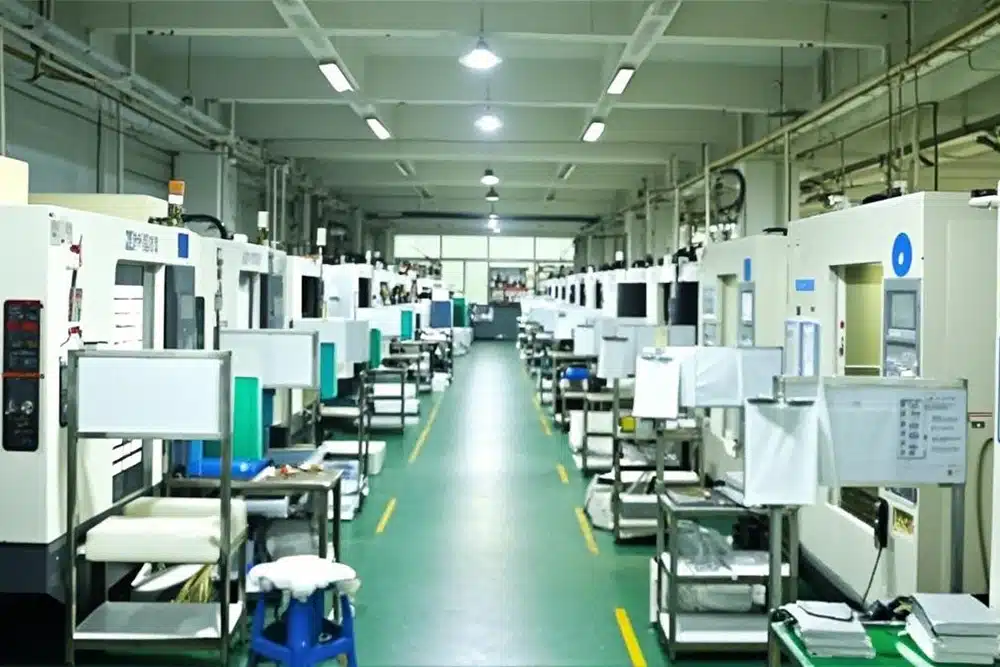
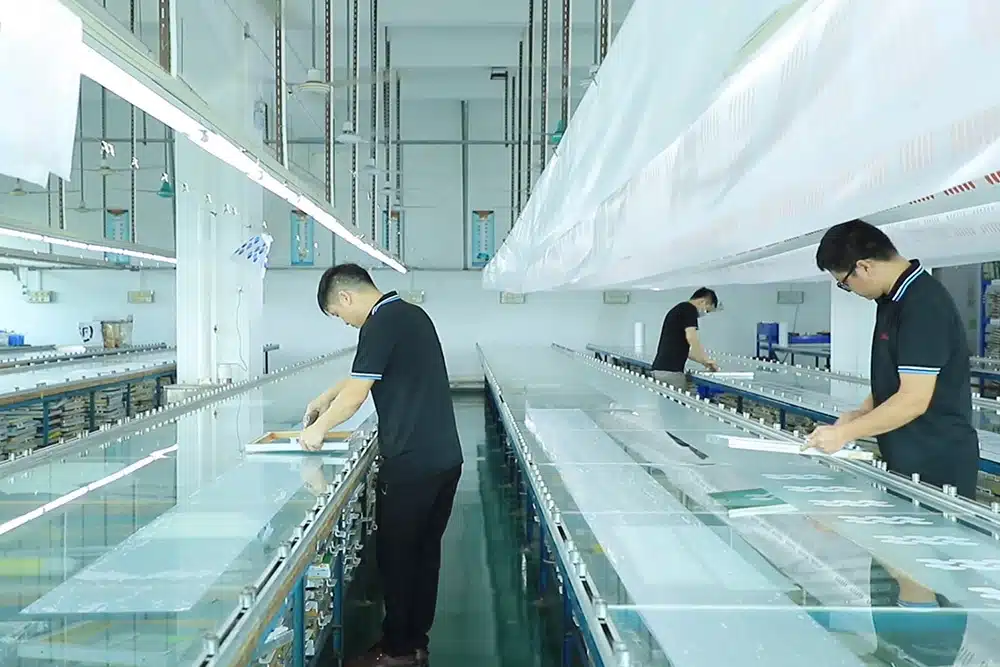
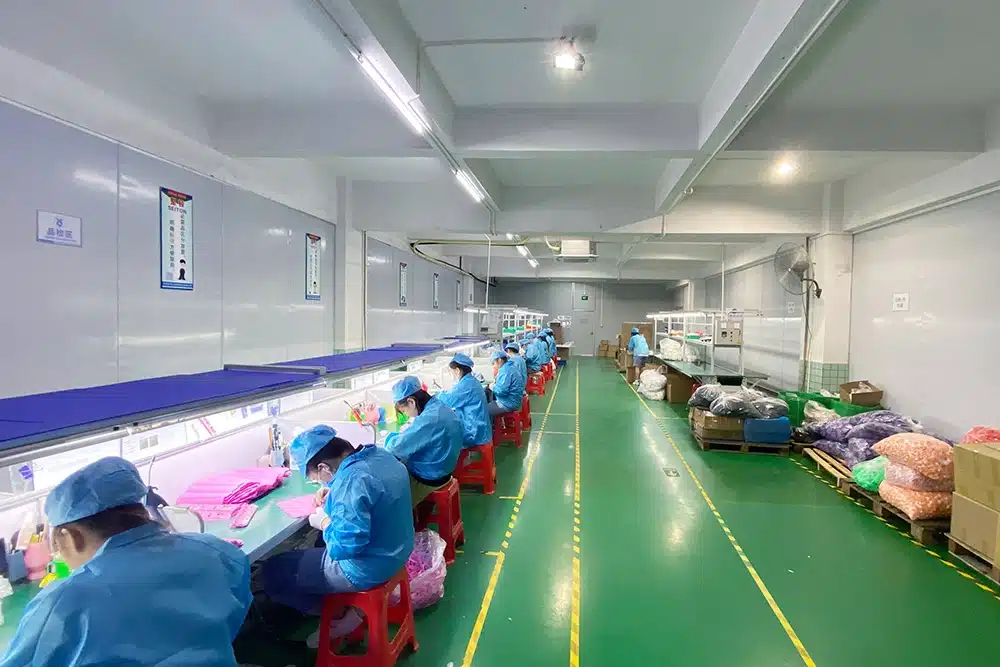
Selecting the right material is only the first step, however, as production controls are implemented at each stage they can affect the quality and consistency of food-contact silicone kitchenware.
| Manufacturing Control Point | Why It Matters |
| Raw Material Inspection | Confirms material, color, hardness, and batch information |
| Color Preparation | Helps control pigment consistency and brand appearance |
| Mold Preparation | Reduces surface defects and contamination risk |
| Molding Process Control | Affects curing, dimensions, surface quality, and repeatability |
| Trimming & Finishing | Removes flash while maintaining smooth user-contact edges |
| Logo Application | Should not affect product function, cleaning, or food-contact areas |
| Clean Handling | Helps maintain product cleanliness before packaging |
| Packaging | Protects finished products during storage, handling, and shipment |
| Final Inspection | Checks appearance, odor, dimensions, color, logo, and packaging accuracy |
| Batch Traceability | Supports issue investigation and repeat order consistency |
Buyer Checklist: How to Evaluate Silicone Kitchenware Safety Before Ordering
A detailed checklist allows buyers to take a methodical look at specific features prior to approving samples or ordering in bulk.
| Checklist Item | Buyer Question |
| Product Application | How will the product be used in real kitchen conditions? |
| Food-Contact Use | Will it directly or indirectly contact food? |
| Target Market | Which country or sales channel will the product enter? |
| Material Requirement | What silicone material is suitable for the intended use? |
| Pigment / Color | Are color additives and color consistency requirements clear? |
| Heat Use | Will the product be used for cooking, baking, freezing, or storage? |
| Hardness | What Shore A hardness supports function and user feel? |
| Odor Check | Has the sample been reviewed for unacceptable odor? |
| Testing | What food-contact or third-party testing is required? |
| Documentation | What reports, declarations, or material records are needed? |
| Sample Approval | Has the product been checked for size, function, color, odor, and feel? |
| Packaging Claims | Are claims on packaging accurate and supportable? |
| QC Standard | What inspection criteria should be used before shipment? |
| Supplier Capability | Can the supplier control material, molding, finishing, packaging, and inspection? |
Common Misunderstandings About Silicone Kitchenware Safety
There are a number of basic assumptions that people make about sourcing kitchenware for silicone that can leave them with today’s day and age with expectations that are out of tune.
| Misunderstanding | More Accurate View |
| All silicone is food-contact suitable | Material, pigment, processing, and intended use must be checked |
| Food-grade means approved everywhere | Target market and testing scope should be confirmed |
| One report covers every product | Reports may depend on material, color, product, and application |
| Heat resistance is always the same | Use condition, product thickness, and material formulation matter |
| Good appearance means safe material | Appearance does not replace material verification |
| Packaging claims are only marketing | Claims should match supporting documentation and market requirements |
What Buyers Should Prepare Before Requesting a Food-Contact Silicone Quote
This transparency enables manufacturers to provide more accurate technical advice, quotes, and sampling plans.
| Information to Prepare | Why It Helps |
| Product Type | Helps identify material and manufacturing requirements |
| Drawing / Sample | Supports evaluation of size, structure, and mold feasibility |
| Intended Use | Clarifies cooking, baking, freezing, storage, or protection needs |
| Food-Contact Type | Helps discuss direct or indirect food-contact expectations |
| Target Market | Helps consider buyer-side testing and documentation needs |
| Material Requirement | Supports suitable silicone material selection |
| Hardness Requirement | Affects flexibility, grip, sealing, and product feel |
| Heat Requirement | Important for utensils, mats, molds, trivets, and pot holders |
| Color Requirement | Helps evaluate pigment and color consistency needs |
| Packaging Requirement | Affects labeling, claims, retail presentation, and cost |
| Testing Requirement | Helps plan quotation, sampling, testing, and lead time |
| Estimated Quantity | Helps calculate MOQ, tooling plan, and unit price |
| Timeline | Helps plan sampling, testing, production, and shipment |
How to Choose a Supplier for Safe Food-Contact Silicone Kitchenware
When choosing silicone kitchenware manufacture, it is important to consider their expertise in handling material selection and ensuring a uniform quality in the final product.
| Supplier Capability | Why It Matters |
| Kitchenware Manufacturing Experience | Helps avoid common food-contact product development problems |
| Material Selection Support | Ensures suitable silicone for application, hardness, heat, and flexibility |
| Material Traceability | Supports batch consistency and issue investigation |
| Mold Development | Supports custom shapes, logos, textures, and product accuracy |
| Molding Control | Affects curing, appearance, dimensions, and repeatability |
| Pigment Control | Helps maintain color consistency and food-contact expectations |
| Clean Packaging Environment | Supports better handling of finished food-contact products |
| Quality Inspection | Reduces defects, odor issues, color variation, and appearance problems |
| Testing Coordination | Helps buyers arrange appropriate testing when required |
| Documentation Support | Supports buyer-side review and purchasing records |
| Export Experience | Supports communication, documentation, and delivery coordination |
Conclusion — Silicone Kitchenware Safety Depends on Material, Use and Control
The use of silicone kitchenware may be acceptable for food contact applications when the appropriate materials, pigments, processing controls, expectations of testing and quality inspection are used. Reviewing actual uses, target market demands, material information, documentation, sample quality, odor, heat-use conditions and supplier quality control are the most beneficial points to consider as a buyer, rather than general descriptions.
Safety evaluation in the process of producing food contact silicone kitchenware should be carried out throughout the entire production process. Brands and importers can minimize risk and create more reliable silicone kitchen products by clarifying product usage, target market, material requirements, scope of testing, product standards, and criteria for inspection prior to bulk production.