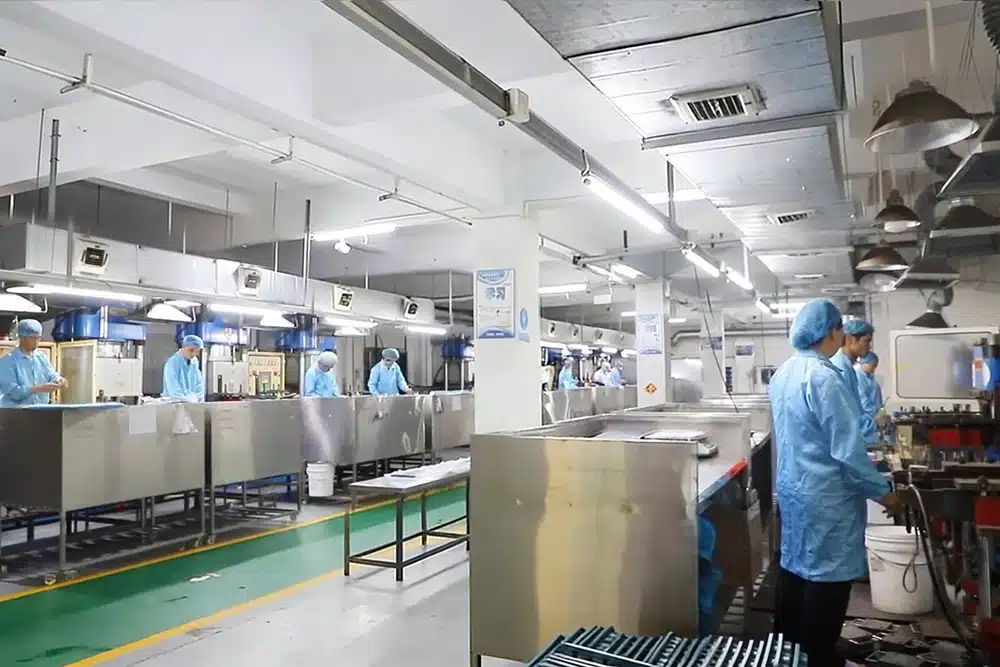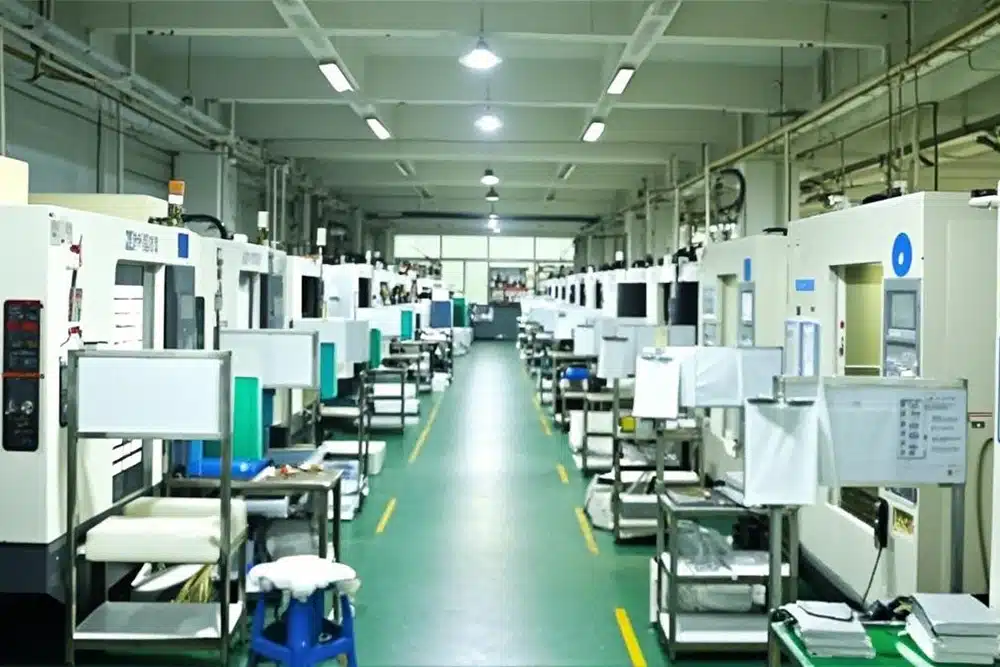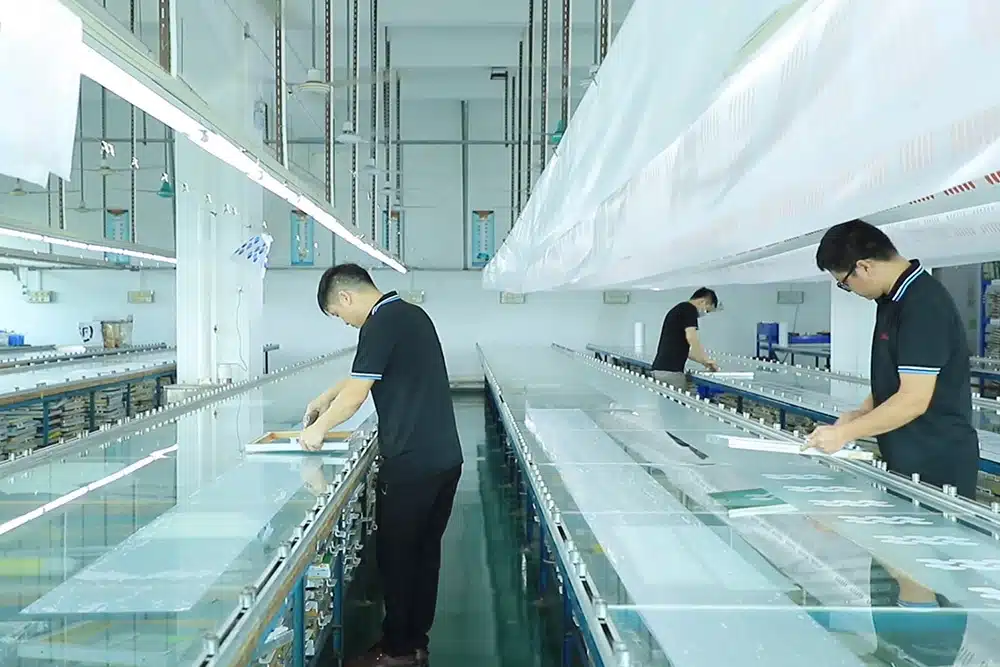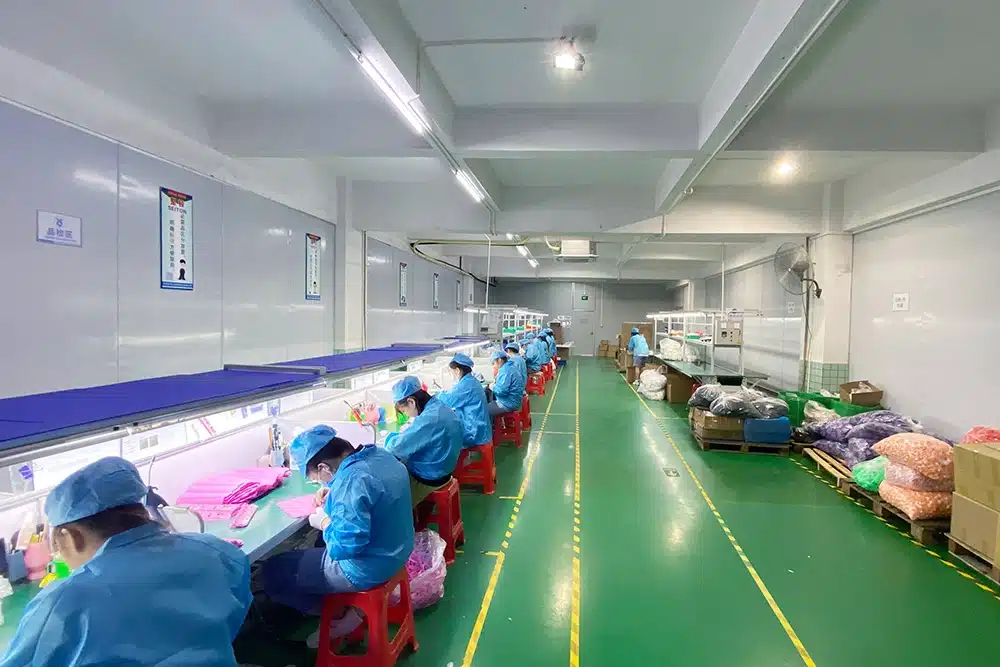

Private label silicone kitchenware is a high-quality, silicone kitchenware product made by a supplier and sold under your brand. This is a great way for brand owners, Amazon sellers, retailers and ecommerce companies to sell things such as spatulas, baking mats, lids, trivets, and kitchen sets without having to build them all from scratch. Creating projects for private labels that will generate good success is not only about printing the right logo, it involves a lot of factors such as the choice of food-grade materials, customizing options, packaging, quality control, MOQ, and supplier reliability.
Many buyers think private label is like choosing an off the shelf item and simply adding their logos to it, but that is not the case – there are considerations around the product function, material safety, durability of the logo, and how the packaging will look. Accurate information guarantees brand reputation, regulatory compliance, and quality assurance, and helps to keep customers satisfied. For any new and existing line, knowledge of the complete process will prevent the risk of costly errors and ensure long-term success.
What Is Private Label Silicone Kitchenware?
Private label silicone kitchenware is the manufacturing of silicone food contact products based on a customer’s requirements and selling them under the customer’s brand. These are not generic wholesale products, but ones that are branded with your logo, colours and packaging so that you can establish customer loyalty and brand identity.
Private label silicone kitchenware solutions may be used to sync up product selection, branding, production, quality control and retail presentation, private label silicone kitchenware solutions can help connect product selection, branding, production, quality control, and retail presentation.
Here’s a clear overview:
| Item | Explanation |
| Product Type | Silicone kitchen products sold under the buyer’s own brand |
| Common Products | Spatulas, utensils, baking tools, lids, trivets, pot holders, ice trays, and kitchenware sets |
| Main Customization | Logo, color, packaging, labels, product combinations, and brand presentation |
| Best For | Ecommerce sellers, retailers, wholesalers, importers, and growing kitchenware brands |
| Key Requirement | Reliable supplier, food-grade material control, stable product quality, and clear packaging planning |
The model has gained traction due to its ability to enter the market quickly and create meaningful brands in the crowded kitchenware market.
Private Label vs OEM vs ODM Silicone Kitchenware
Comparing private label, OEM, and ODM can guide buyers towards the best fit for their objectives and budgets.
Private label usually involves adapting or maintaining existing or very little modified molds with special emphasis on branding and packaging. OEM is based on the buyer’s design or sample, while ODM is made according to the manufacturer’s design but with some changes or improvements. In the case of full custom development, new structures and forms are developed.
Project Type
| Project Type | What It Means | Best For | Main Consideration |
| Private Label Silicone Kitchenware | Existing or semi-custom products sold under buyer’s brand | Ecommerce sellers, retailers, distributors, brand owners | Branding, packaging, MOQ, and quality consistency |
| OEM Silicone Kitchenware | Product is made according to buyer’s design, sample, or drawing | Brands with unique product structures or functions | Requires tooling review and sample validation |
| ODM Silicone Kitchenware | Product is based on manufacturer’s existing or semi-custom designs | Buyers who want faster product development | Customization may be limited |
| Fully Custom Development | Product, mold, material, logo, texture, and packaging are developed together | Brands building differentiated product lines | Requires more time, budget, and technical review |
Which Silicone Kitchenware Products Are Suitable for Private Label?
Private label is ideal for products that have consistent demand, are visually appealing, and have potential for practical branding.
Common examples of these categories are everyday items that consumers reorder or purchase as gifts.
| Product Category | Why It Works for Private Label |
| Silicone Spatulas | High daily-use demand, easy color and logo customization |
| Silicone Cooking Utensils | Suitable for sets, retail packaging, and brand color systems |
| Silicone Baking Mats | Strong ecommerce and baking market appeal |
| Silicone Baking Molds | Good for seasonal, themed, or creative product lines |
| Silicone Lids & Food Covers | Practical for storage and household use |
| Silicone Trivets & Pot Holders | Easy to differentiate with texture, color, and shape |
| Silicone Ice Cube Trays | Suitable for creative shapes and gift packaging |
| Food Storage Accessories | Useful for sustainable and reusable kitchen product lines |
| Kitchenware Sets | Stronger perceived value and better retail presentation |
What Can Be Customized for Private Label Silicone Kitchenware?
Customisation in private label silicone kitchenware goes beyond the product and extends to the packaging as well, depending on the base product, MOQ and manufacturing process.
| Customization Option | Practical Notes |
| Logo on Product | Can be embossed, debossed, printed, or laser marked depending on product design |
| Pantone Color Matching | Helps maintain brand color consistency across product lines |
| Surface Texture | Can improve grip, appearance, and user experience |
| Product Combination | Allows multiple utensils or accessories to be sold as a set |
| Retail Packaging | Supports shelf display and brand presentation |
| Ecommerce Packaging | Should balance appearance, protection, and shipping efficiency |
| Insert Cards | Useful for instructions, brand story, care tips, or warranty information |
| Barcode & Labels | Important for retail, warehouse, and marketplace fulfillment |
| Carton Marks | Helps with logistics, inventory, and shipment handling |
Food-Grade Material Considerations for Private Label Products
The choice of materials for food use is important also in private label projects, as kitchenware may come into contact with food, heat or skin.
Buyers can clearly define their requirements and not take anything for granted.
| Material Factor | Why It Matters for Private Label Kitchenware |
| Food-Grade Suitability | Important for products used around food, cooking, baking, or storage |
| Heat Resistance | Relevant for spatulas, baking tools, trivets, and oven-safe accessories |
| Shore Hardness | Influences flexibility, grip, sealing, and user feel |
| Odor Control | Helps reduce customer complaints after retail sale |
| Color Stability | Supports consistent brand appearance across repeat orders |
| Tear Strength | Important for flexible lids, molds, and thin-wall products |
| Material Traceability | Supports quality consistency and issue investigation |
| Testing Expectations | Helps align product claims with target market needs |
How the Private Label Ordering Process Works
A structured order process will help to minimize miscommunications and make the final product what the client is looking for.
| Order Step | What Happens | Why It Matters |
| Product Selection | Buyer selects product type, style, or set combination | Defines the starting point of the project |
| Customization Review | Logo, color, packaging, and product details are discussed | Prevents misunderstanding before sampling |
| Material Confirmation | Silicone grade, hardness, and performance needs are checked | Affects safety, feel, and durability |
| Logo & Packaging Planning | Branding method and packaging artwork are confirmed | Controls appearance, cost, and lead time |
| Quotation | Supplier calculates product, customization, packaging, and MOQ details | Helps buyers compare total project cost |
| Sample Production | Custom sample or pre-production sample is prepared | Allows buyer review before bulk order |
| Sample Approval | Buyer confirms product, color, logo, and packaging | Reduces mass production risk |
| Bulk Production | Products are molded, finished, branded, and packed | Converts approved sample into repeatable output |
| Final Inspection | Product and packaging are checked before shipment | Helps reduce defects and customer complaints |
| Shipment Preparation | Cartons, labels, and shipping documents are prepared | Supports smoother logistics and inventory handling |
MOQ, Tooling and Cost Factors Buyers Should Understand
Private label silicone kitchenware costs vary according to several factors other than the cost of the product itself.
| Cost Factor | Why It Affects Pricing |
| Existing Mold or New Mold | Existing molds reduce tooling cost; new molds increase development investment |
| Product Size & Weight | More silicone material increases unit cost |
| Material Grade | Food-grade or special performance silicone may cost more |
| Logo Method | Embossing, debossing, printing, and laser marking have different costs |
| Color Matching | Custom Pantone colors may require extra material preparation |
| Packaging Type | Retail boxes, inserts, labels, and cartons affect total project cost |
| Product Set | Multi-piece sets require more coordination and packaging planning |
| MOQ | Lower quantities may increase unit price |
| Testing Requirements | Additional testing may increase upfront cost but reduce market risk |
| Surface Finish | Matte, glossy, soft-touch, or coated finishes may add process steps |
Logo and Packaging Planning for Brand Owners
If logo and packaging are done early on, it avoids delays and additional expenses in production.
| Branding Element | What Buyers Should Confirm |
| Logo File | Provide clear vector artwork when possible |
| Logo Position | Confirm visible placement without affecting product function |
| Logo Method | Choose embossing, debossing, printing, or laser marking based on product design |
| Brand Color | Use Pantone or approved color references for consistency |
| Packaging Structure | Confirm box, bag, insert, or carton format early |
| Packaging Artwork | Review layout, colors, text, barcode, and product claims carefully |
| Insert Cards | Confirm instruction, care guide, warranty, or brand story content |
| Carton Marks | Support warehouse, shipping, and inventory handling |
| Packaging Sample | Approve packaging proof before bulk production |
Quality Control for Private Label Silicone Kitchenware
The products represent your brand, so thorough quality control ensures performance and brand reputation.
| QC Area | What Should Be Checked |
| Material | Silicone type, hardness, color, odor, and traceability |
| Product Appearance | Flash, bubbles, stains, deformation, surface marks, and trimming quality |
| Size & Weight | Consistency with approved sample or specification |
| Hardness | Whether flexibility and user feel match expectations |
| Color | Whether product color matches approved sample or Pantone reference |
| Logo | Clarity, position, durability, and consistency |
| Packaging | Artwork, barcode, labels, inserts, and box condition |
| Carton Packing | Quantity, carton marks, and protection during shipment |
| Final Inspection | Product, packaging, quantity, and shipment readiness |
| Repeat Order Control | Batch consistency compared with previous approved products |
What Buyers Should Prepare Before Ordering
If you are well-prepared, the entire private label process will flow smoothly and efficiently.
| Information to Prepare | Why It Helps |
| Product Type | Helps the supplier identify suitable existing or semi-custom options |
| Reference Product or Sample | Provides a clear comparison for function, size, and style |
| Color Requirement | Supports Pantone matching and brand consistency |
| Logo File | Helps evaluate logo method and placement |
| Packaging Requirement | Affects cost, lead time, and retail readiness |
| Estimated Quantity | Helps confirm MOQ and unit cost |
| Target Market | Helps consider buyer-side food-contact and labeling expectations |
| Barcode or Label Needs | Important for retail, ecommerce, and warehouse handling |
| Insert Card Content | Supports instructions, brand story, or product care information |
| Testing Requirement | Helps align product claims with market expectations |
| Launch Timeline | Helps plan sampling, packaging proofing, production, and shipping |
Common Mistakes in Private Label Silicone Kitchenware Projects
These are common problems that can be avoided at great cost of time and money.
| Common Mistake | Better Approach |
| Choosing only by product photo | Review material, function, size, hardness, and packaging needs |
| Ignoring material details | Confirm silicone suitability, odor control, and target market expectations |
| Using unclear logo files | Provide vector files for better logo output |
| Delaying packaging design | Start packaging planning before sample approval |
| Forgetting labels and barcodes | Confirm retail and warehouse requirements early |
| Skipping packaging sample review | Approve both product and packaging before mass production |
| Choosing only the lowest price | Compare material, customization, packaging, and QC scope |
| Ignoring lead time | Plan enough time for samples, packaging, production, and shipment |
How to Choose a Private Label Silicone Kitchenware Manufacturer
The right partner has solid manufacturing capacity and a focus on branding and retail needs.
| Manufacturer Capability | Why It Matters for Private Label Projects |
| Kitchenware Product Experience | Helps reduce product selection and development risks |
| Material Support | Ensures suitable silicone for food-contact and daily-use kitchen products |
| Customization Options | Supports logo, color, texture, packaging, and product combinations |
| Mold Capability | Helps when existing products need structural adjustments or new designs |
| Logo Process Options | Allows suitable branding methods for different product surfaces |
| Packaging Support | Helps prepare products for retail, ecommerce, or wholesale channels |
| Quality Control | Protects brand reputation and reduces customer complaints |
| Clean Packaging Environment | Supports better handling of food-contact products |
| Export Experience | Helps with communication, documents, and delivery coordination |
| Repeat Order Stability | Supports long-term private label product lines |
When Should Buyers Choose Private Label Instead of Fully Custom Development?
For many companies, private label is a viable option in the middle.
| Buyer Situation | Better Option | Reason |
| Need fast product launch | Private Label | Uses existing or semi-custom product structures |
| Need lower tooling investment | Private Label | May avoid new mold costs |
| Need unique shape or function | OEM or Fully Custom | Requires product design and mold development |
| Need brand color, logo, packaging only | Private Label | Customization can focus on brand presentation |
| Need exclusive product design | Fully Custom | Requires new structure and tooling |
| Testing a new market | Private Label | Lower development complexity |
| Building a long-term differentiated product line | OEM or Fully Custom | More control over product design and user experience |
Conclusion — Private Label Silicone Kitchenware Requires Planning Beyond Branding
For brand owners, retailers and ecommerce sellers, private label silicone kitchenware can be the key to getting kitchen products to market more efficiently. But everything relies on careful planning regarding product selection, customization, food-grade materials, packaging, MOQ, lead time, and quality control.
The project is a branding and manufacturing decision, so that buyers can develop consistent product lines, which will perform reliably and enhance the brand value over time. The time invested in generating specifications, carefully studying samples, and collaborating with an experienced silicone kitchenware manufacturer will prove to be advantageous in the production and the market.