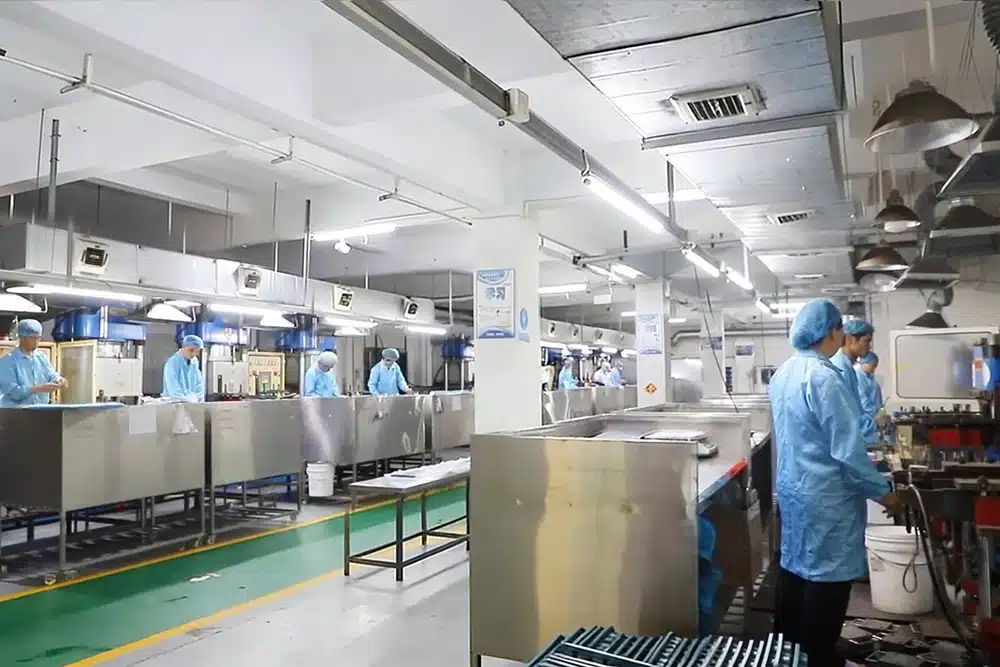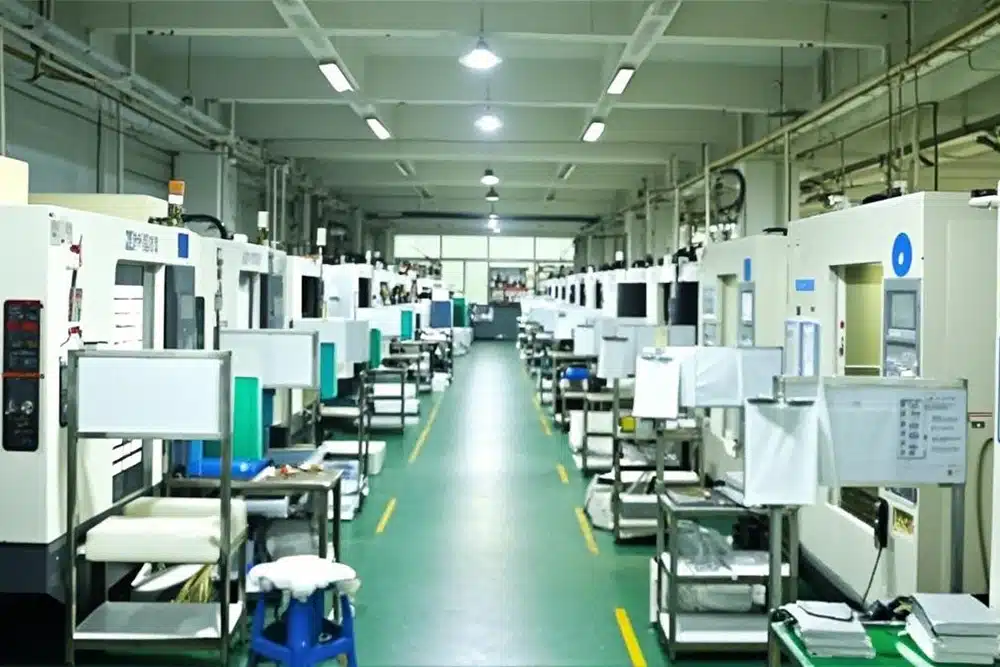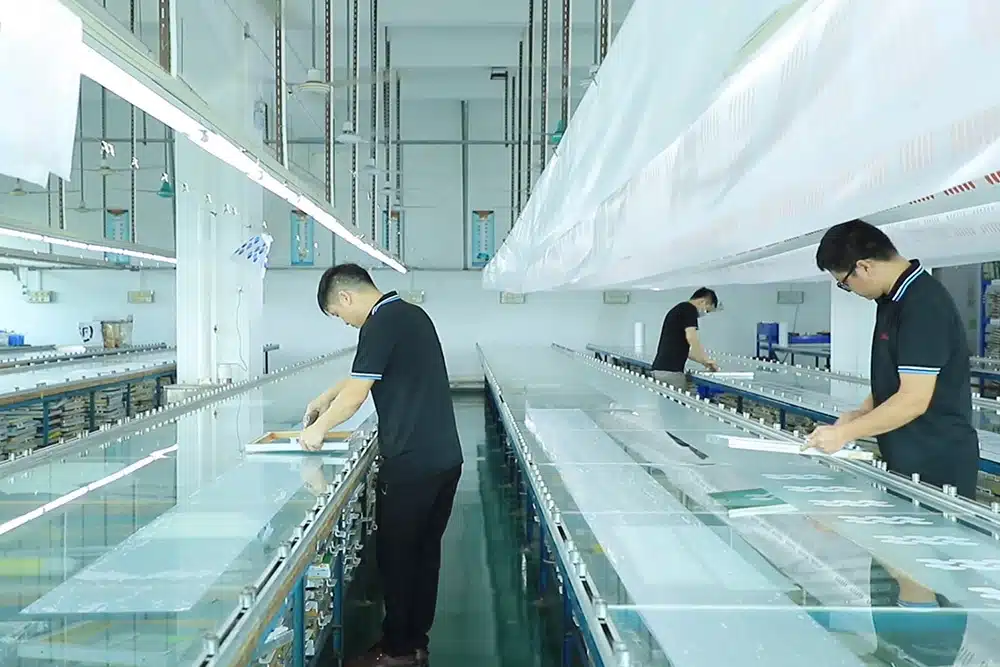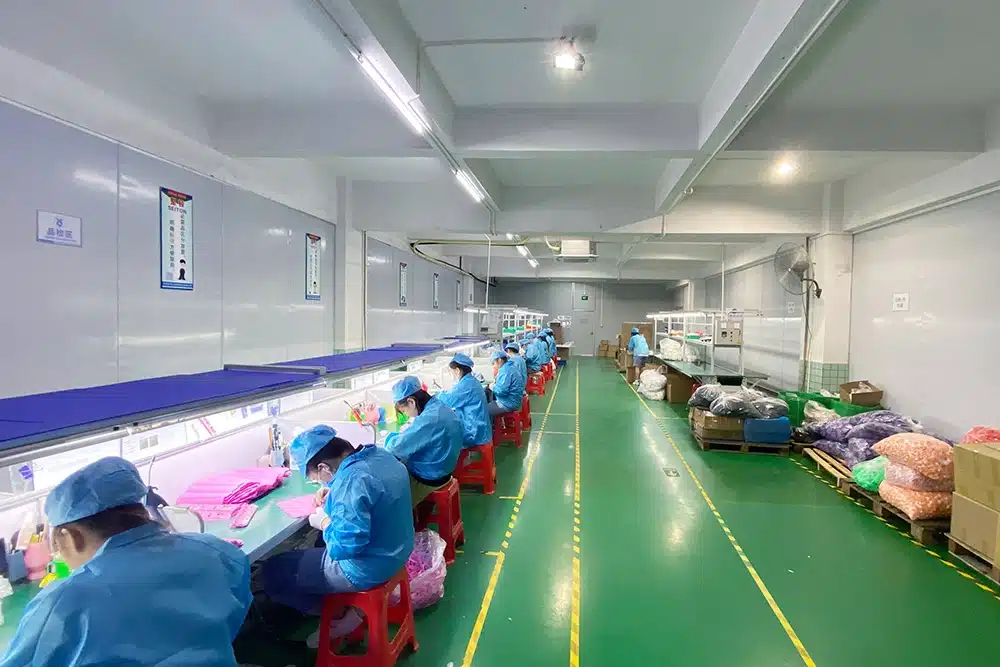

When selecting a silicone kitchenware manufacturer in China, it is important to consider more than just the price of the units. To guarantee safe, functional, and appealing products, a dependable partner needs to possess robust food-grade material control, custom mold construction, precision molding abilities, surface finishing capabilities, and uniform quality control.
B2B brands, wholesalers, importers and ecommerce sellers know the importance of choosing a supplier that influences product safety, brand reputation, production time and the security of the supply chain. While photos and quotes are important to many buyers, the manufacturer’s comprehensive process, from material tracking to packaging, is vital to a successful custom silicone kitchenware project.
What Makes a Silicone Kitchenware Manufacturer Reliable?
A reliable silicone kitchenware manufacturer is not only a manufacturer who can produce silicone kitchenware, but also a manufacturer who has the ability to control material safety, mold accuracy, production consistency, appearance quality, packaging requirements, and delivery reliability.
For brands, wholesalers, and importers developing food-contact products, working with a custom silicone kitchenware manufacturer can help connect product design, material selection, tooling, molding, finishing, and packaging into one controlled workflow.
Here are the core areas to evaluate:
| Evaluation Area | What Buyers Should Check |
| Material Safety | Food-grade silicone options, FDA/LFGB-related material support, material traceability |
| Manufacturing Capability | Compression molding, co-injection molding, mold making, finishing, assembly, packaging |
| Customization Support | Product shape, color, logo, texture, hardness, packaging, private label options |
| Quality Control | Incoming material inspection, in-process checks, final inspection, appearance control |
| Communication | Clear technical feedback, quotation details, project updates, export documentation |
| Export Experience | Experience serving brands, wholesalers, importers, and international buyers |
Why Many Buyers Source Silicone Kitchenware from China
The silicone kitchenware products industry in China is well-developed and technically advanced with a large number of medium and small enterprises as well as a large number of production lines, so China is still a major source of silicone kitchenware.
The country has established silicone material supply chains, advanced mold-making technology and flexible manufacturing systems, which are suitable for small trial batches and large production. The competition in pricing and the high degrees of customization available are both assets for buyers.
| China Manufacturing Advantage | Practical Benefit for Buyers |
| Mature silicone supply chain | Easier access to materials, tooling, and production resources |
| In-house or nearby mold making | Faster product development and tooling adjustment |
| OEM/ODM flexibility | Supports custom shapes, logos, colors, and packaging |
| Scalable production | Suitable for trial orders, repeat orders, and long-term supply |
| Export experience | Helps with communication, documentation, and shipping coordination |
| Cost efficiency | More practical for bulk silicone kitchenware sourcing |
Key Capabilities to Look for in a Silicone Kitchenware Factory
A trustworthy supplier should not only be able to provide a product catalogue, but they should actually have the capability to perform the job in their actual factory. The professional manufacturers are distinguished from basic assemblers by their strong technical resources and by the control of their processes.
| Factory Capability | Why It Matters for Silicone Kitchenware |
| Product Design Support | Helps turn concepts into manufacturable kitchenware products |
| Material Selection | Ensures suitable hardness, flexibility, heat resistance, and food-contact safety |
| Mold Design & Tooling | Affects product shape, fit, surface details, and production consistency |
| Sample Production | Allows buyers to verify function, appearance, and packaging before mass production |
| Silicone Molding | Determines product stability, appearance, and repeatability |
| Surface Finishing | Supports logo branding, texture, soft-touch feel, and visual quality |
| Assembly & Packaging | Helps prepare products for retail, wholesale, or ecommerce sales |
| Quality Control | Reduces defects, rejects, and customer complaints |
Food-Grade Material Control Should Be a Top Priority
Material control is one of the most important evaluation points in silicone kitchenware, as it may be in direct contact with food, cookware or skin.
Food grade silicone is produced by good manufacturers that have high standards in order to meet the requirements of the international market in terms of odor, heat resistance and color stability.
| Material Factor | Why Buyers Should Care |
| Food-Grade Silicone | Important for products used around food, cooking, or baking |
| Heat Resistance | Affects spatulas, baking tools, trivets, and oven-safe accessories |
| Odor Control | Poor material control may cause unpleasant smell and customer complaints |
| Shore Hardness | Influences flexibility, grip, sealing, and user experience |
| Color Stability | Helps maintain brand consistency across repeat orders |
| Compliance Support | Helps buyers meet market expectations for food-contact products |
| Material Traceability | Supports quality consistency and future problem investigation |
Check Whether the Manufacturer Supports Custom Product Development
Those who want kitchenware that’s a bit different from standard silicone options should seek out suppliers who can create custom products rather than simply re-mold their products.
| Project Type | What It Means | Best For |
| OEM Silicone Kitchenware | Product is made based on buyer’s design, drawing, or sample | Brands with unique product concepts |
| ODM Silicone Kitchenware | Manufacturer provides existing or semi-custom design options | Buyers who want faster development |
| Private Label Kitchenware | Product is customized with buyer’s logo, color, and packaging | Ecommerce sellers, retailers, and distributors |
| Fully Custom Development | Product structure, mold, material, branding, and packaging are developed together | Brands building differentiated product lines |
How to Evaluate Quality Control Before Placing an Order
Quality Control should be assessed prior to mass production and not after defects are witnessed in shipments.
Every stage of the inspection process is carried out in a systematic manner by professional manufacturers.
| QC Checkpoint | What It Helps Prevent |
| Raw Material Inspection | Wrong material, odor issues, or inconsistent performance |
| Sample Approval | Misalignment between buyer expectations and production output |
| Mold Trial Inspection | Shape, size, surface, or demolding issues |
| In-Process Inspection | Defects during molding, trimming, or finishing |
| Color Check | Color variation between batches |
| Logo Inspection | Poor printing, unclear engraving, or inconsistent branding |
| Final Inspection | Defective products reaching shipment |
| Packaging Check | Incorrect labeling, damaged packaging, or missing accessories |
Important Questions to Ask a Silicone Kitchenware Manufacturer
Any serious supplier will have specific and unambiguous responses to technical and operational queries.
| Question to Ask | Why It Matters |
| Do you have in-house silicone molding capability? | Confirms whether the supplier controls production directly |
| Can you support custom mold development? | Important for unique kitchenware designs |
| What material options are available? | Helps verify safety, hardness, flexibility, and heat resistance |
| What is your MOQ? | Helps buyers plan budget and inventory |
| How long does sampling take? | Affects launch timeline |
| What logo methods do you offer? | Supports branding and private label needs |
| How do you inspect products? | Shows whether quality control is systematic |
| Can you provide packaging support? | Useful for retail and ecommerce orders |
Red Flags When Choosing a Silicone Kitchenware Supplier
Familiarity with certain warning signs will enable buyers to avoid potentially troublesome suppliers in the early phase of the transaction.
| Red Flag | Possible Risk |
| Unclear material information | Product may not meet food-contact expectations |
| Extremely low quote | May involve lower material quality or weak QC control |
| No sample approval process | Final product may not match buyer expectations |
| No mold development discussion | Custom product accuracy may be difficult to control |
| Poor communication | Higher risk of misunderstanding and delays |
| No inspection details | Defects may not be caught before shipment |
| Vague compliance claims | Buyer may face market or customer complaints |
How to Compare Quotations from Different Manufacturers
For most food-grade silicone kitchenware, the lowest quoted option isn’t necessarily the best. Compare total project value at all times.
| Quote Item | Why It Affects Price |
| Silicone Material | Different grades, hardness, and performance requirements affect cost |
| Product Weight | More silicone material increases unit cost |
| Mold Complexity | Complex shapes, undercuts, or multi-cavity molds affect tooling cost |
| Logo Method | Embossing, printing, laser marking, and debossing have different costs |
| Packaging Requirements | Retail packaging, inserts, labels, and cartons affect total cost |
| MOQ | Lower quantities may increase unit price |
| Quality Testing | Additional testing may increase project cost but reduce risk |
What Buyers Should Prepare Before Contacting a Manufacturer
Project information is clear which helps manufacturers to give the right quotes and realistic time estimates.
| Information to Prepare | Why It Helps |
| Product Type | Helps the supplier understand the application and production method |
| Drawing or 3D File | Allows evaluation of structure, mold design, and manufacturability |
| Material Requirement | Supports food-grade, heat-resistant, or special performance needs |
| Color and Logo Requirements | Supports Pantone matching and batch consistency |
| Order Quantity | Affects MOQ, mold design, and unit price |
| Target Market | Helps consider FDA, LFGB, or other buyer-side expectations |
Factory Capability vs Trading Company: What Is the Difference?
Differentiating fact and trading company is a key element that allows buyers to select the right partner for custom projects.
| Supplier Type | Strengths | Limitations |
| Silicone Kitchenware Factory | Direct production control, tooling support, technical communication | May focus mainly on silicone-related products |
| Trading Company | Wider product sourcing range, flexible category support | Less direct control over tooling, production, and quality issues |
| OEM/ODM Manufacturer | Stronger support for custom projects, samples, molds, branding | Requires clearer project information from buyers |
How to Choose the Right Manufacturer for Long-Term Cooperation
Sustaining your success is a challenge that will require a long-term ongoing effort.
| Long-Term Factor | Why It Matters |
| Batch Consistency | Helps maintain stable product quality across repeat orders |
| Technical Feedback | Reduces design and tooling mistakes before production |
| Problem Solving | Helps resolve issues before they become larger supply risks |
| Communication Stability | Improves project coordination and reduces misunderstandings |
Common Mistakes Buyers Make When Choosing a Supplier
By avoiding these common mistakes, you could also save a lot of time and money:
- Buying based on the lowest price not the best value for money.
- Failure to consider materials provenance and food grade certification
- Failure to get sample or drawing approval before starting tooling operations
- Putting off the packaging/branding conversation
- Failure to verify actual silicone molding/quality control capacities.
Conclusion — A Reliable Manufacturer Helps Control Risk, Not Just Cost
When looking for a silicone kitchenware manufacturer from China, you should not only consider product pictures or price per unit, but also the entire manufacturing system. A good supplier should be capable of aiding with the selection of food grade materials, mold development, sample approval, silicone molding, logo application, surface finishing, packaging, and quality inspection.
The bottom line is that success hinges on the ability to find a partner who has the technical knowledge and the ability to communicate with the client and execute the project. Detailed assessment of capabilities results in safer products, more efficient manufacturing runs and better long-term supply relationships.