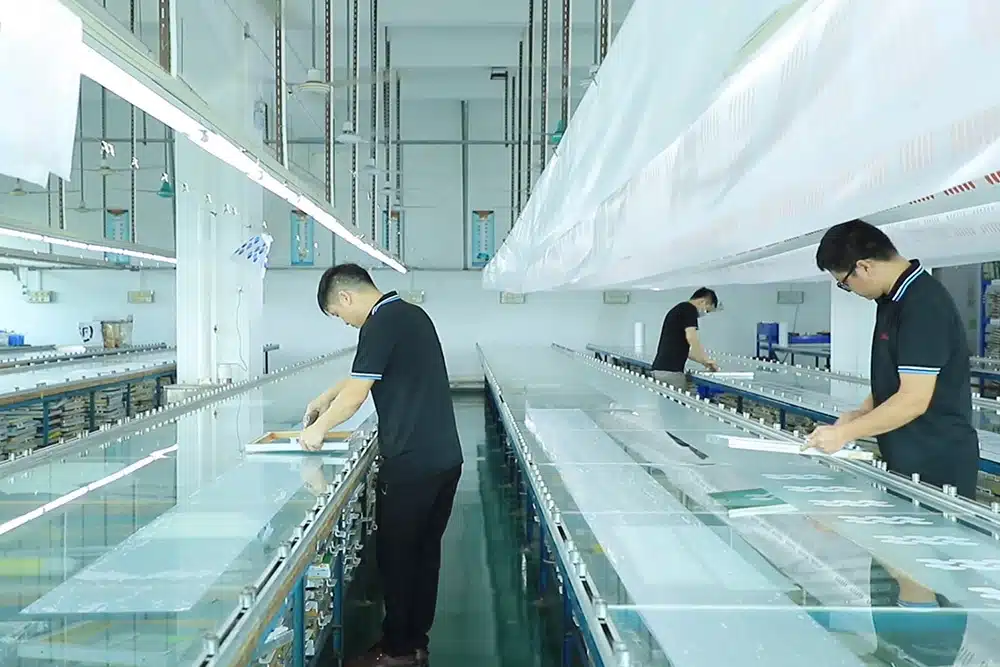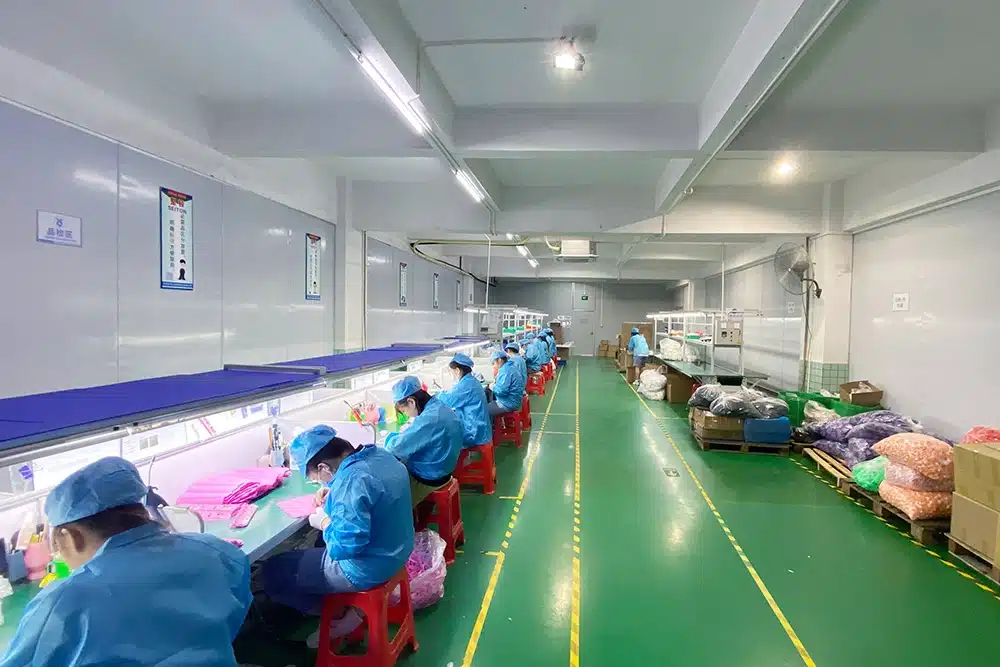

Silicone coating is a targeted secondary surface process, that is a controlled application of a silicone layer or treatment on a product. It improves the friction between the surface and the object being held, provides a softer tactile surface for greater user comfort, and increases the surface’s durability by providing additional protection from wear, moisture and repeated handling. In the case of OEM buyers and product designers, this finishing method is practical for achieving performance enhancements when direct molding or simple textures just don’t cut it.
A lot of people think of silicone coating as solely cosmetic, but skilled manufacturers understand that it has a straight impact on the performance of a product during actual use. The key to this is using the right custom silicone coating service, which can enhance any plastic, metal or silicone part to make it more functional, comfortable and durable. Success is dependent on the compatibility of the materials, surface preparation, coating thickness, curing control, and a comprehensive inspection.
What Is Silicone Coating?
A secondary surface treatment that is applied to increase certain properties for a specific function is silicone coating. It is not the same as a full silicone molding product, but it concentrates on the area where it is most important to provide grip, feel, or protection.
| Item | Explanation |
| Process Type | Secondary surface treatment or silicone layer application |
| Material Used | Silicone coating material, liquid silicone, coating-grade silicone, or suitable silicone-based surface material |
| Application Area | Handles, covers, sleeves, pads, user-contact surfaces, partial surfaces, or full surface areas |
| Main Purpose | Grip improvement, soft-touch feel, surface protection, comfort, appearance, and durability |
| Common Output | Silicone-coated surface, tactile layer, anti-slip area, protective finish, or enhanced user-contact surface |
Unlike silicone dispensing, which provides localized beads or seals, or overmolding, which overmolds materials during the initial molding process, it is an entirely new method. Coating is used if you want to improve the substrate you already have, without redesigning the mold.
How Silicone Coating Improves Grip
Silicone coating reduces friction and provides a controlled grip, helping users to hold onto the product with greater control and comfort, particularly when it is held in the hand or touched often.
The coating can make the surface more non-slip even when soaking wet and the softness will lessen fatigue when used for extended periods. This is useful for products that come into contact with water or must be handled securely.
| Grip Factor | How Silicone Coating Helps | Product Example |
| Surface Friction | Creates a less slippery contact surface | Handles, grips, sleeves, covers |
| Softness | Improves comfort and hand feel | Personal care devices, wearable parts |
| Texture | Adds controlled tactile feedback | Anti-slip pads, consumer product contact areas |
| Moisture Contact | Helps maintain grip in washable or damp-use products | Kitchenware, bathroom accessories, pet products |
| User Control | Makes products easier to hold or handle | Electronics accessories, outdoor products |
| Contact Stability | Reduces unwanted sliding or movement | Mats, protective covers, device holders |
Because the level of grip depends on the texture pattern, coating hardness and environmental conditions, real world testing under actual use conditions is a must.
How Silicone Coating Improves Surface Feel
Silicone coating is used to enhance the surface feel of a rigid or harsh material and makes it more comfortable, luxurious and premium quality.
Unlike bare plastic or metal, the soft-touch effect will feel warmer and gentler, especially for products that come in contact with skin or are handheld. They are applied in the same way in all production batches, so each gives the same feeling.
| Surface Feel Requirement | Silicone Coating Benefit |
| Soft-Touch Feel | Makes the product feel softer and more comfortable in hand |
| Matte Finish | Reduces harsh shine and creates a refined surface appearance |
| Skin Contact Comfort | Supports a smoother, more comfortable contact surface |
| Tactile Consistency | Helps maintain similar feel across production batches |
| Premium Perception | Can improve the perceived value of consumer products |
| Reduced Hardness Feel | Makes rigid surfaces feel less sharp, cold, or uncomfortable |
How Silicone Coating Improves Product Durability
The silicone coating helps to enhance the durability of the product by providing an extra layer of protection that helps absorb slight impacts, resist abrasion and protect the base material from environmental stresses.
It is best used in conjunction with more substantial solutions, and also serves as an additional layer of floor protection. Careful selection and application can greatly prolong the life of high-contact surfaces.
| Durability Factor | How Silicone Coating Helps | Buyer Consideration |
| Repeated Handling | Adds a protective user-contact surface | Test under realistic use cycles |
| Abrasion Contact | Helps reduce direct wear on the base surface | Define wear expectations early |
| Moisture Exposure | Supports surface protection in damp-use products | Functional testing may be needed |
| Cleaning Resistance | Can support washable or wipeable product designs | Confirm detergent or cleaning conditions |
| Outdoor Use | Silicone grades can support weather resistance | UV and aging requirements should be reviewed |
| Minor Impact / Cushioning | Soft coating may reduce contact shock | Not a replacement for structural protection |
| Long-Term Adhesion | Proper coating can stay stable under use | Surface preparation and curing are critical |
Common Products That Use Silicone Coating
Silicone coating is particularly helpful on items that are used by people or come in contact with the user, or which are used in environments that could impact satisfaction or longevity.
| Product Type | Typical Silicone Coating Purpose |
| Consumer Electronics Accessories | Grip, anti-slip contact, soft-touch feel, surface protection |
| Smart Wearables | Comfort, skin-contact feel, flexible protective surfaces |
| Personal Care Devices | Soft-touch handling, washable surface, improved user comfort |
| Home Goods | Anti-slip areas, protective pads, tactile surface improvement |
| Kitchenware / Drinkware Accessories | Grip, heat comfort, washable surface, user-contact protection |
| Pet Products | Soft edges, grip areas, washable surface, improved handling |
| Outdoor Sports Products | Weather-resistant grip, cushioning, and surface protection |
| Automotive Accessories | Touch comfort, anti-slip function, and surface durability |
| Industrial Components | Handles, pads, covers, and protective user-contact surfaces |
Silicone Coating vs Other Surface Finishing Methods
Consider alternatives to silicone coating based on the product functions.
| Method | Main Purpose | Best For | Key Limitation |
| Silicone Coating | Grip, soft-touch feel, protection, surface durability | User-contact surfaces and functional surface enhancement | Requires adhesion and curing control |
| Spray Coating / Oil Finishing | Appearance and surface feel adjustment | Matte, gloss, or special surface effects | May not provide the same flexible silicone layer |
| Silk Screen Printing | Logos, patterns, and basic decoration | Branding and visual information | Does not significantly improve grip or durability |
| Laser Engraving | Permanent marking or fine details | Logos, serial marks, or decorative details | Does not add a soft surface layer |
| Molded Texture | Texture formed directly in the mold | Repeatable anti-slip pattern on molded parts | Requires tooling design and cannot be changed easily |
| Overmolding | Integrated soft-touch or protective layer | Stronger structural integration | Requires mold investment and material compatibility |
| Silicone Dispensing | Localized beads, dots, sealing, or bonding | Targeted functional application | Not designed for broad surface coverage |
What Affects Silicone Coating Quality?
Quality of silicone coating is as much a function of process control as it is a function of material. A few mistakes in the preparation or application can ruin the finished product.
| Quality Factor | Possible Risk If Ignored |
| Base Material Compatibility | Poor adhesion, peeling, or unstable surface performance |
| Surface Cleanliness | Dust, oil, moisture, or residue may cause coating defects |
| Surface Pretreatment | Weak bonding or uneven coating on difficult substrates |
| Coating Thickness | Uneven feel, poor appearance, weak protection, or cracking |
| Coverage Uniformity | Patchy appearance or inconsistent grip |
| Edge Control | Rough edges, overflow, or visible transition lines |
| Curing Control | Sticky surface, weak adhesion, or unstable final feel |
| Handling Method | Fingerprints, deformation, or surface marks before full cure |
| Production Environment | Particles or contamination affecting appearance |
| Inspection Standard | Inconsistent acceptance between samples and mass production |
Common Silicone Coating Defects and Prevention Methods
With good planning, defects can crop up if processes are not well managed.
| Coating Defect | Possible Cause | Prevention Method |
| Peeling | Poor adhesion, contamination, or material mismatch | Test compatibility and improve surface preparation |
| Bubbles | Air entrapment, poor application control, or surface contamination | Improve process parameters and surface cleaning |
| Uneven Coating | Poor thickness control or unstable application | Validate coating method and process settings |
| Sticky Surface | Incomplete curing or wrong material condition | Control curing time, temperature, and material handling |
| Dust / Particles | Poor clean handling or production environment | Improve clean assembly and packaging procedures |
| Color Variation | Material batch variation or process inconsistency | Define color standards and inspect batch consistency |
| Rough Edges | Poor masking, edge control, or coating transition | Improve fixture, masking, and process control |
| Wear After Use | Coating not matched to application conditions | Test abrasion, cleaning, or aging requirements |
Advantages and Limitations Buyers Should Understand
While there are definite advantages to silicone coating, there are also some considerations that savvy buyers should keep in mind.
| Advantages | Limitations |
| Improves grip and anti-slip performance | Requires suitable surface compatibility |
| Adds soft-touch comfort and tactile value | Surface preparation is often critical |
| Enhances product appearance and perceived quality | Coating thickness must be controlled |
| Supports surface protection in high-contact areas | Not a replacement for structural reinforcement |
| Can improve user experience for handheld or wearable products | Curing and clean handling affect production planning |
| Supports custom colors, finishes, or tactile effects when feasible | Durability should be tested under real use conditions |
What OEM Buyers Should Prepare Before Requesting a Silicone Coating Quote
Good documentation enables manufacturers to provide precise estimates and achieve better outcomes in a timely manner.
| Information to Prepare | Why It Helps |
| 3D CAD File | Helps engineers review geometry, coating area, and fixture needs |
| 2D Drawing | Defines dimensions, tolerances, and surface notes |
| Product Sample | Helps evaluate real surface condition and coating feasibility |
| Base Material | Determines adhesion and surface preparation requirements |
| Coating Area | Clarifies whether coating is partial, full, visible, or hidden |
| Surface Feel Requirement | Helps define soft-touch, matte, textured, or grip expectations |
| Color / Finish Standard | Supports color matching and appearance consistency |
| Functional Purpose | Confirms whether the goal is grip, durability, comfort, or decoration |
| Use Environment | Helps evaluate wear, moisture, UV, heat, or cleaning resistance |
| Estimated Quantity | Helps plan process method, fixtures, and production control |
How to Choose a Manufacturer for Custom Silicone Coating
It’s not just about having the right coating. Search for manufacturers who have considerable knowledge of the silicone material, process control and experience in secondary finishing.
A qualified supplier should have in-house molding, surface preparation skills, controlled dispensing and coating lines, a variety of finishing methods (silk screen, spray and laser), dust-free assembly areas, and a strict quality control from raw material to final inspection. Their experience in the automotive, personal care, home goods, pet supplies and consumer electronics markets is a plus in understanding the demands of real-world application.
| Supplier Capability | Why It Matters |
| Silicone Material Knowledge | Helps match coating performance with product requirements |
| Surface Preparation Experience | Reduces peeling, bubbles, and adhesion failure |
| Coating Process Control | Helps maintain thickness, coverage, texture, and appearance |
| Curing Process Control | Stabilizes surface feel, adhesion, and durability |
| In-House Molding Capability | Helps coordinate molded part design with secondary coating needs |
| Surface Finishing Options | Supports branding, appearance, and tactile customization |
| Clean Assembly Environment | Reduces dust, particles, and surface contamination |
| Quality Inspection System | Verifies adhesion, appearance, coverage, curing, and durability |
| OEM/ODM Project Experience | Supports sample development, testing, and mass-production consistency |
Common Misunderstandings About Silicone Coating
If not dealt with early, several misconceptions can result in poor outcomes:
- When properly applied, silicone coating has a functional impact on grip, feel, and durability in addition to its decorative aspect.
- It is very different from dispensing or overmoulding, both in process and in the result.
- The thicker the coating the better might not be the rule; the thickness of the coating depends on the application.
- Even on a soft touch surface, adequate adhesion and real-world wear (durability) testing are still required.
- Surface preparation can be the most important element for long lasting performance.
- Beautiful prototypes do not make for quality products.
- Not all materials are compatible with easy coating; certain materials require special treatment.
- The use of cleaning chemicals, UV exposure and use patterns should be identified before use.
Conclusion — Silicone Coating Adds Functional Surface Value
Silicone coating can provide genuine functional added value where products require improved grip, softer touch, improved user comfort and/or longer lasting contact surfaces. It is an excellent process for consumer electronics, wearables, personal care products, kitchen goods, pet products and a lot of other product categories where user experience is important.
But, it is not just about the material selection, but also meticulous surface preparation, coating control, correct curing, and clean production handling. With a clear understanding of their functional needs and a trusted manufacturer, you can ensure that your coated surfaces are not only consistent but also high-performing, contributing to the enhancement of product quality and brand perception. It is almost always better to take time to make the specifications more relevant to actual use conditions, for smoother development and better end product.