
Silicone dispensing defects are frequently encountered as a quality defect, which is when silicone material is not dispensed accurately/where there are poorly controlled production conditions. The defects include bubbles, overflow, missing material, unequal beads, insufficient joining, contamination, and incomplete curing, all of which could affect the appearance of the final product, sealing capabilities, adhesive strength, waterproofing, and its durability in OEM use.
In most cases, silicone dispensing defects have multiple causes, such as the characteristics of the silicone, the surface properties, the accuracy of the fixture, the parameters for dispensing, the curing process, the production environment, and the quality control. Precision dispensing process control for silicone sealing/ bonding applications or appearance integrity on OEM projects reduces bubble, overflow, missing material, bead variation and adhesion defects. It is not just at the end of the process that they need to be effective in preventing it, but from the beginning when they are reviewing the design, testing the materials, and validating the process.
What Are Silicone Dispensing Defects?
Silicone dispensing defects are all issues that occur in the silicone material whether it is beads, dots, lines, grooves or coatings, that are out of condition from the intended design specifications. These problems can occur while or after dispensing and may be cosmetic or serious functional issues.
Appearance defects are seen at once (such as irregular surface or over material) and functional defects may occur in assembly, pressure testing, aging, or actual use. These defects cause higher scrap, rework, and field failure in mass production in industries such as automotive, personal care, and consumer electronics, as well as pet products. Fixes are insufficient, prevention is a process-control system.
| Defect Type | What It Means | Possible Impact |
| Appearance Defect | Visible issue such as overflow, uneven bead, stringing, or contamination | Poor product appearance and lower perceived quality |
| Functional Defect | Issue affecting sealing, bonding, insulation, or cushioning | Leakage, weak adhesion, poor protection, or assembly failure |
| Process Defect | Variation caused by unstable parameters, fixture, or curing | Batch inconsistency and higher rework risk |
| Hidden Defect | Problem not obvious visually but found through testing | Adhesion failure, incomplete curing, or sealing failure |
Common Silicone Dispensing Defects and Root Causes
It is much more valuable to know what causes the common silicone dispensing defects rather than to classify and sort out defective parts. Most of the problems can be traced back to the interaction of the material properties, equipment settings and environmental factors.
The following is a list of common problems encountered in production:
| Common Defect | What It Looks Like | Possible Root Causes |
| Bubbles | Small air pockets inside or on the bead | Air trapped in material, unstable pressure, improper degassing |
| Overflow | Silicone spreads beyond the intended area | Excessive volume, low viscosity, high pressure |
| Missing Material | Gaps, broken lines, or incomplete coverage | Blocked nozzle, low pressure, unstable flow |
| Uneven Bead Width | Bead becomes thick and thin along the path | Speed variation, viscosity change, nozzle issue |
| Bead Misalignment | Silicone applied away from target area | Poor fixture design, part movement |
| Stringing / Tailing | Thin threads remain after dispensing stops | Material rheology, nozzle design, stop timing |
| Sagging | Bead loses shape before curing | Low viscosity, excessive volume, slow curing |
| Poor Adhesion | Silicone separates from base part | Surface contamination, wrong material, poor pretreatment |
| Contamination | Dust or particles on silicone surface | Poor handling, dirty environment |
| Incomplete Curing | Sticky, weak, or unstable silicone | Incorrect curing time, temperature, mixing ratio |
Why Bubbles Happen in Silicone Dispensing
One of the most common silicone dispensing problems are bubbles, since they not only impact the final appearance, but also have a significant impact on the various functional aspects such as sealing or insulation.
| Bubble Cause | Prevention Method |
| Air trapped in material | Use proper material handling and degassing procedures |
| Unstable pressure | Validate pressure settings before mass production |
| Fast dispensing speed | Adjust speed to maintain smooth material flow |
| Poor nozzle selection | Select nozzle size based on bead width and viscosity |
| Complex groove geometry | Review part design and dispensing path early |
| Poor material storage | Follow recommended storage and handling conditions |
How Manufacturers Prevent Overflow, Missing Material and Uneven Beads
Three of the most common causes of overflow, missing material or even beads are not enough control of material volume, pressure, speed, path programming, and positioning.
| Problem | Manufacturing Control Method | Why It Helps |
| Overflow | Reduce dispensing volume or pressure | Prevents silicone from spreading |
| Missing Material | Check nozzle, pressure, and material flow | Ensures continuous output |
| Uneven Bead Width | Balance speed, pressure, and viscosity | Improves consistency |
| Uneven Bead Height | Control volume and dispensing distance | Maintains sealing or cushioning function |
| Bead Misalignment | Improve fixture and part positioning | Keeps silicone on the intended path |
Repeatability of settings is achieved by experienced manufacturers running multiple trials, making systematic parameter adjustments and recording for repeatability.
Poor Adhesion, Peeling and Surface Contamination
The dispensing equipment is only responsible for a small portion of adhesion problems, and the surface and material factors are responsible for the majority of the adhesion problems.
| Adhesion Issue | Possible Cause | Prevention Method |
| Weak Bonding | Material mismatch or wrong type | Test compatibility before production |
| Peeling After Cure | Poor surface preparation | Clean and pretreat surfaces thoroughly |
| Local Adhesion Failure | Dust, oil, moisture, mold release | Improve cleaning and handling control |
| Surface Marks | Particles or handling contamination | Use cleaner assembly and packaging |
Curing-Related Defects in Silicone Dispensing
The strength, elasticity, and surface quality of dispensed silicone are directly affected by curing.
| Curing Defect | Possible Cause | Prevention Method |
| Sticky Surface | Insufficient curing time or conditions | Follow validated curing parameters |
| Weak Bonding | Material not fully cured | Confirm cure conditions and performance |
| Cracking | Wrong hardness or excessive stress | Select suitable material |
| Poor Elasticity | Incorrect material or curing imbalance | Validate performance before production |
| Deformation | Handling too early | Allow proper curing and stabilization |
How Manufacturers Prevent Silicone Dispensing Defects Before Mass Production
Structured engineering reviews and validation are required to start defect prevention well before mass production.
| Prevention Step | What Manufacturers Check | Why It Matters |
| Design Review | Geometry, grooves, sealing paths | Confirms dispensing feasibility |
| Material Testing | Viscosity, adhesion, cure behavior | Reduces material-related defects |
| Surface Preparation | Cleanliness, pretreatment risk | Improves adhesion and quality |
| Fixture Design | Part holding and positioning | Reduces misalignment |
| Parameter Validation | Pressure, speed, volume, nozzle | Controls bead shape and consistency |
| Sample Inspection | Appearance, adhesion, function | Confirms standards before production |
Quality Inspection Methods for Silicone Dispensing
Effective inspection involves both visual and functional tests as appropriate to product needs.
| Inspection Method | What It Checks | When It Is Useful |
| Visual Inspection | Overflow, bubbles, contamination | General appearance control |
| Bead Measurement | Width, height, consistency | Sealing or appearance-critical parts |
| Position Check | Correct application area | Narrow grooves or assembly paths |
| Adhesion Test | Bonding strength | Bonded assemblies |
| Sealing Test | Waterproof or dustproof performance | Enclosures and protective parts |
What OEM Buyers Should Check Before Approving Samples
Customers must consider samples more than just the appearance, since they must be repeatable in production.
| Sample Approval Item | What to Confirm |
| Bead Position | Applied to correct path |
| Bead Size | Width and height match requirements |
| Surface Appearance | No bubbles, overflow, or contamination |
| Adhesion | Stays bonded after handling |
| Curing | Surface stable and not sticky |
| Assembly Fit | No interference with other components |
How to Choose a Manufacturer That Can Prevent Dispensing Defects
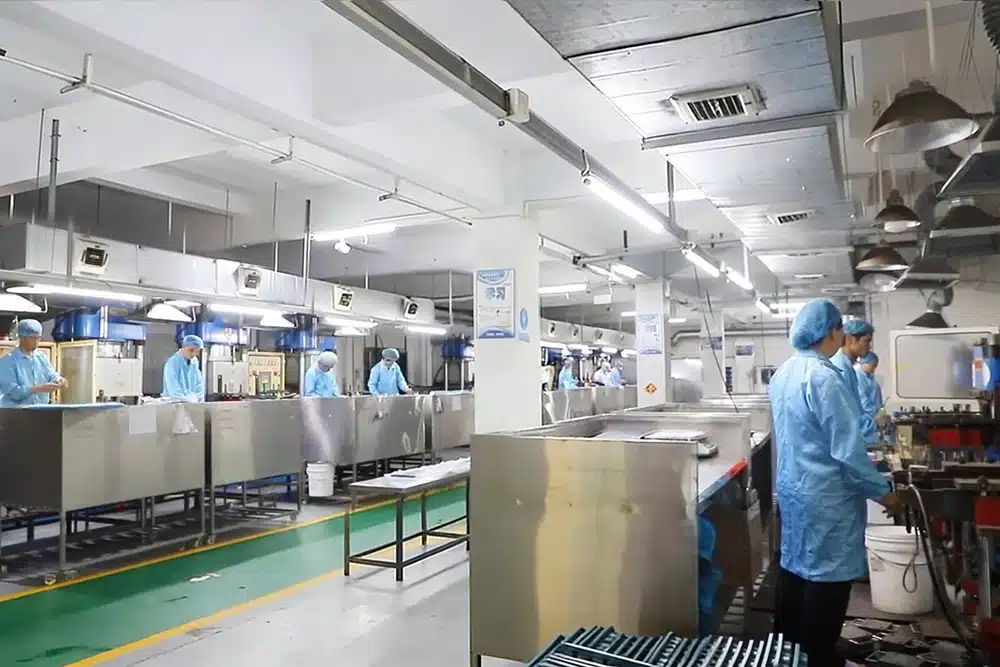
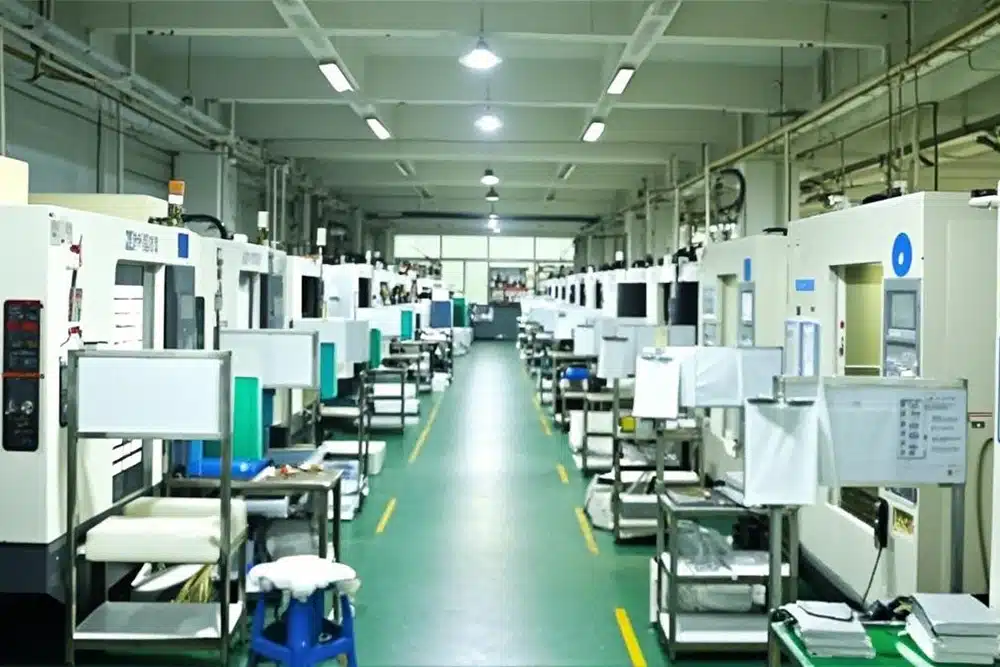
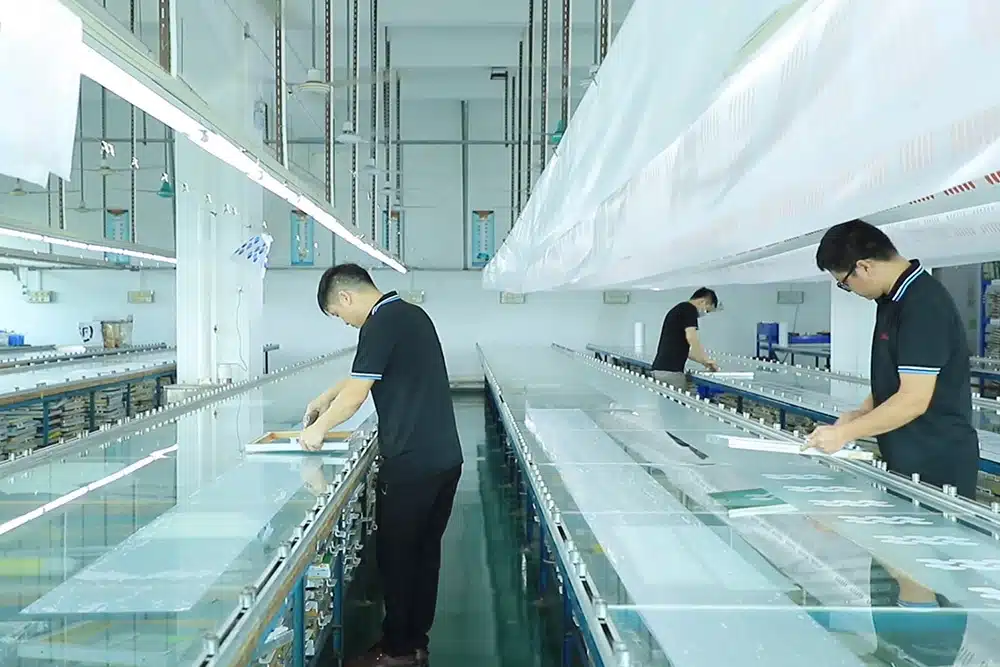
When choosing a silicone dispensing manufacturer it’s important to not only consider the basic dispensing, but process engineering as well. The partner should be knowledgeable about materials, know how to design fixtures, have well-established production environments and have a full quality system in place.
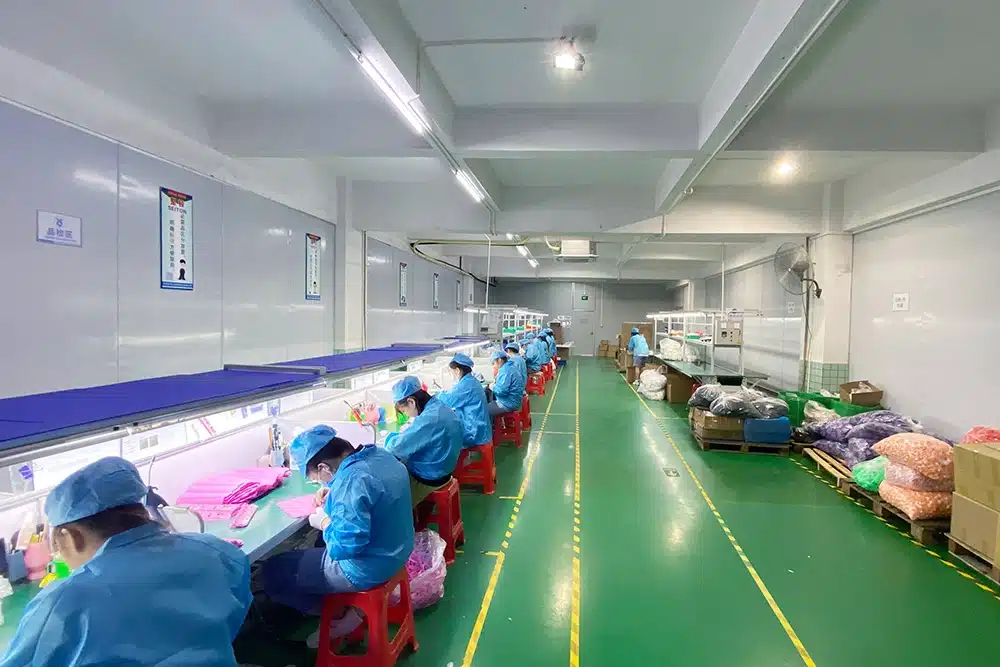
Search for manufacturers who have the equipment and expertise needed to design molds, select materials, assemble the parts without dust and provide secondary processing like printing or coating. Problems solving skills are often evident in a variety of experiences, such as those gained in the automotive industry, the personal care industry, the home goods industry, and the pet supplies industry.
| Supplier Capability | Why It Matters |
| Material Selection Support | Prevents flow, adhesion, or curing problems |
| Fixture and Jig Design | Reduces misalignment and variation |
| Dispensing Parameter Control | Prevents overflow, bubbles, and uneven beads |
| Surface Preparation Knowledge | Reduces peeling and contamination |
| Clean Production Environment | Prevents dust and surface defects |
Common Misunderstandings About Silicone Dispensing Defects
- Material, surface and curing are all important in addition to the dispensing machine and defects are not always caused by the dispensing machine alone.
- Bubbles of air are frequently caused by process parameters, not bad material.
- There is no direct correlation between the amount of silicone added and its sealing performance.
- A good-looking sample is no indication of stable mass production.
- Surface preparation is often the cause of adhesion failures.
- Functional problems in sealing applications can be overlooked with a visual inspection.
Conclusion — Defect Prevention Depends on the Whole Process
Most often, silicone dispensing errors are not caused by a single issue. A bubble, overflow, weak bond, or even a bead is an indicator of a larger process control issue. When the material selection, material preparation, fixture design, dispensing parameters, curing parameters and inspection standards are considered, the risk can be greatly reduced and the quality of the OEM products can be controlled as well.
Awareness of these common issues can enable the buyer to make informed sourcing decisions and have expectations with the supplier. If both parties concentrate on the entire process and not only on the final effect, more reliable custom silicone solutions that will meet their requirements in the market will be created.