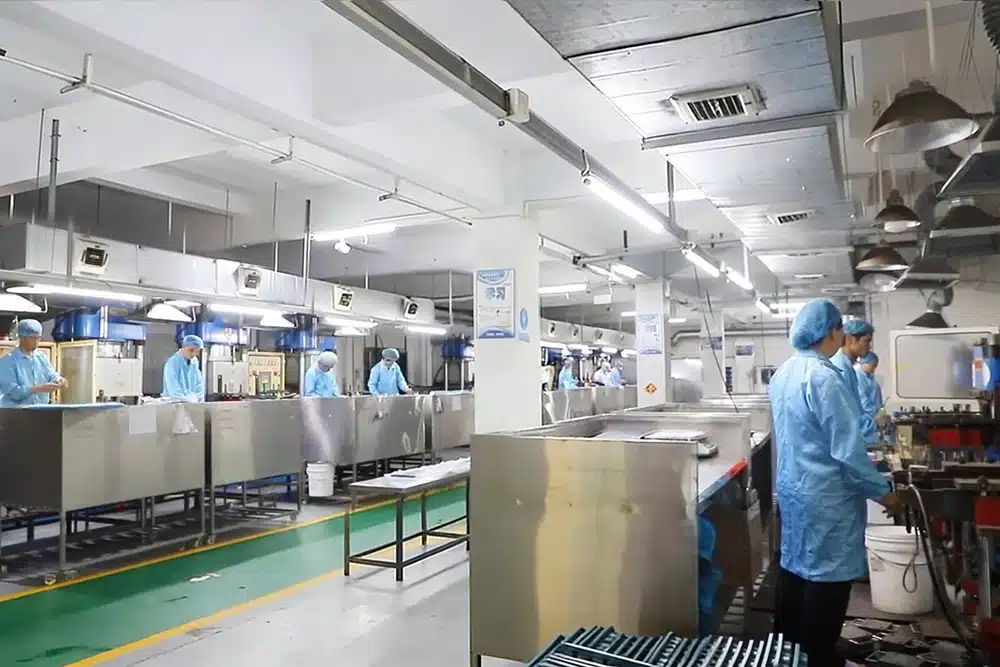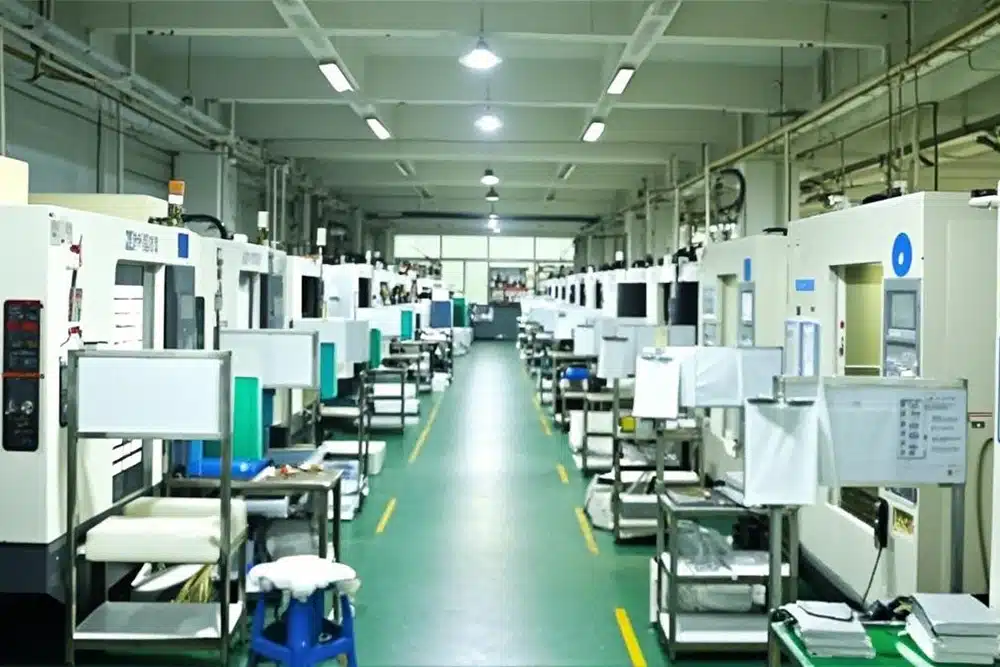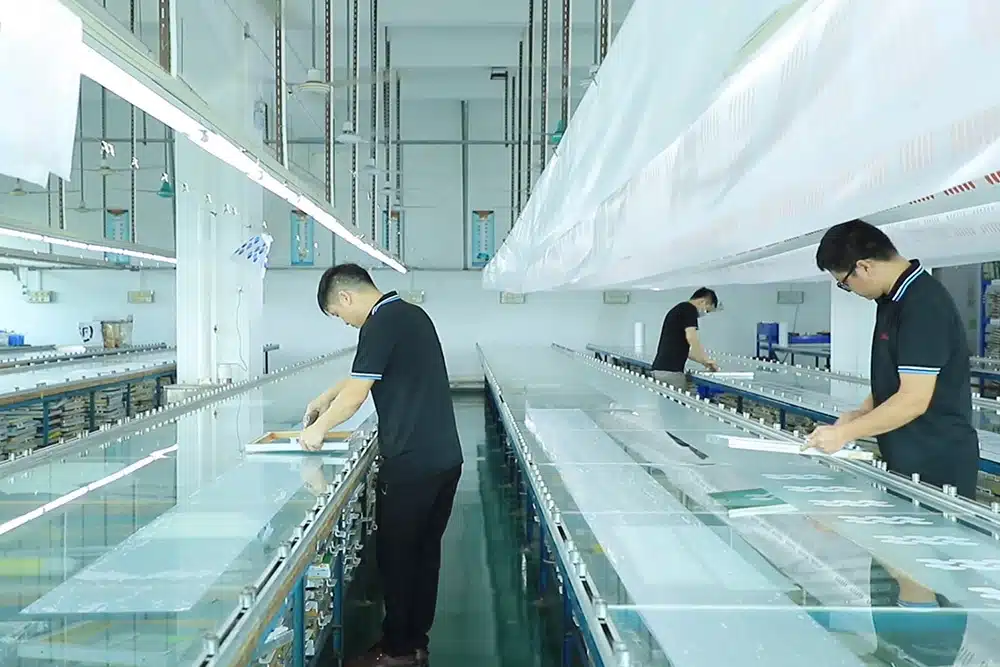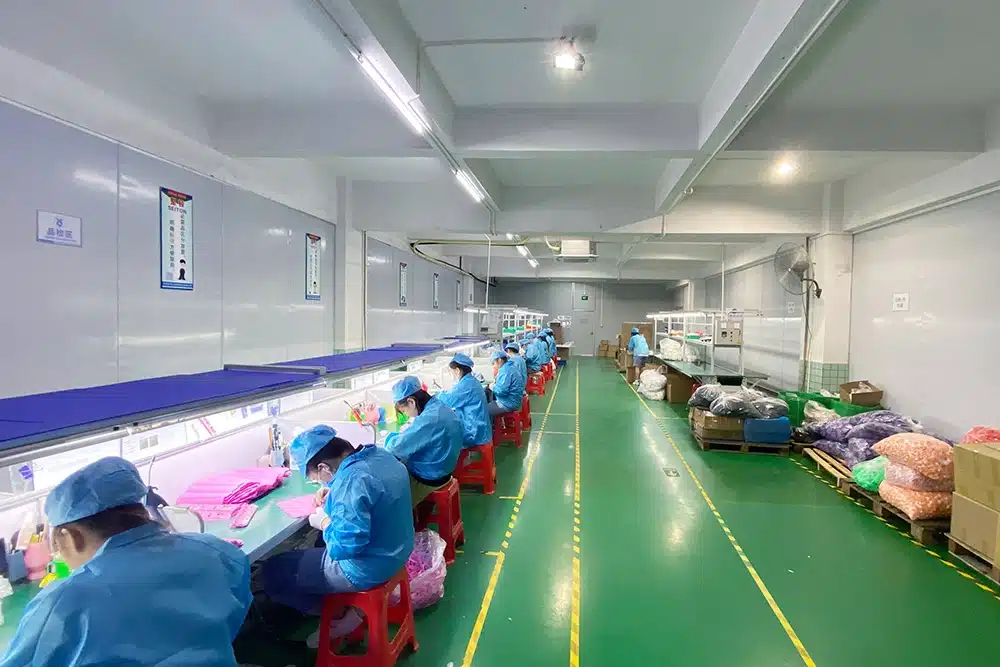

In custom silicone product manufacturing, automated silicone dispensing systems enhance accuracy by using controlled machines to apply silicone material at accurate pressure, speed, volume, path and positioning. It provides a more uniform bead size, bead height and bead placement than manual techniques, which makes it useful for sealing, bonding, insulation, anti-slip and decorative applications in high volume production.
The benefits for OEM buyers and product engineers are the reduced batch to batch variation and the consequent ability to control functional performance and appearance. But this is only part of the solution: Using the correct material, designing the fixture, surface preparation, control of the curing process, and inspection are all vital. Many think that automation is the magic key to perfection, but this is not always true in reality, it’s the whole process. If your project requires bead positioning and sealing lines to remain stable, repeatable and predictable, you can improve production accuracy and consistency with automated silicone dispensing solutions.
What Is Automated Silicone Dispensing?
Automated silicone dispensing is the application of liquid silicone, adhesives or sealants in precise patterns on molded parts or assemblies using programmable equipment. The system performs programmed paths and controls important parameters for obtaining uniform results.
| Item | Explanation |
| Process Type | Controlled silicone material application using automated dispensing equipment |
| Material Used | Liquid silicone, silicone adhesive, silicone sealant, or coating-grade silicone |
| Controlled Factors | Dispensing pressure, speed, volume, path, bead size, and position |
| Best For | Repeatable sealing, bonding, insulation, protection, anti-slip, and decorative silicone application |
| Common Output | Consistent silicone beads, dots, lines, grooves, bonding areas, or localized functional features |
This technology seamlessly integrates into the secondary processing phases of custom silicone product production, especially where precision is crucial.
Manual vs Semi-Automatic vs Automated Silicone Dispensing
The most appropriate dispensing method will depend on the product complexity, product quality, volume of orders and developmental stage. Not all projects require 100% automation from the get-go.
| Method | Best For | Main Limitation |
| Manual Dispensing | Early samples, simple parts, low-volume trials, flexible adjustments | Higher variation in bead size, position, speed, and appearance |
| Semi-Automatic Dispensing | Small to medium batches with controlled parameters | Still depends on operator loading, positioning, and handling |
| Automated Silicone Dispensing | Repeatable mass production, complex paths, consistent bead control | Requires fixture setup, parameter programming, and process validation |
It’s a good idea to select the right approach at the outset to prevent unnecessary time and cost.
How Automated Silicone Dispensing Improves Accuracy
By reducing human factors that affect silicone dispensing consistency, automation helps to increase accuracy. Machines operate at constant conditions during each cycle.
| Accuracy Factor | How Automation Helps | Practical Benefit |
| Material Volume | Controls output amount more consistently | Reduces excess silicone or insufficient coverage |
| Dispensing Pressure | Maintains more stable pressure settings | Improves bead shape and material flow |
| Movement Speed | Applies silicone at a controlled speed | Helps avoid uneven lines or broken beads |
| Dispensing Path | Follows programmed paths or guided positions | Improves repeatability between parts |
| Bead Width | Uses controlled nozzle and output settings | Supports consistent sealing and appearance |
| Bead Height | Controls material build-up more predictably | Helps maintain fit, cushioning, or sealing performance |
| Position Accuracy | Works with fixtures and programmed movement | Reduces misalignment and batch variation |
| Batch Consistency | Reduces operator-to-operator variation | Supports stable quality in mass production |
These enhancements are particularly noticeable in the precision silicone dispensing of OEM products.
Why Accuracy Matters in Custom Silicone Product Manufacturing
The ability to dispense with accuracy directly determines if a product will function the way it was designed to do in real use. Very minor deviations from the norm can cause operating malfunctions or product complaints.
| Product Requirement | Why Dispensing Accuracy Matters |
| Sealing | Uneven or broken beads may cause leakage or poor protection |
| Bonding | Inconsistent material volume may weaken adhesion |
| Assembly Fit | Excess silicone may interfere with part assembly |
| Appearance | Irregular lines or overflow can affect perceived product quality |
| Anti-Slip Function | Uneven dots or lines may reduce grip consistency |
| Electronics Protection | Missing material may expose sensitive areas |
| Cushioning | Uneven bead height may affect contact and compression |
| Batch Production | Stable dispensing helps keep samples and mass production aligned |
This control is essential for industries such as automotive, consumers goods/ personal care, and electronics, where consistent performance is required.
Common Products That Benefit from Automated Silicone Dispensing
When silicone products must be repeated for their function or appearance, automated dispensing is the answer.
| Product Type | Typical Automated Dispensing Use |
| Consumer Electronics | Sealing, insulation, protective dots, anti-slip areas |
| Smart Wearables | Comfort pads, flexible bonding, waterproof sealing |
| Personal Care Devices | Soft-touch areas, skin-contact surfaces, sealing around joints |
| Automotive Components | Weather-resistant beads, vibration damping, protective sealing |
| Home Goods | Anti-slip features, decorative lines, cushioning pads |
| Pet Products | Grip areas, soft edges, custom surface details |
| Food-Contact Products | Controlled silicone features using suitable compliant materials |
| Outdoor Sports Products | Weather-resistant sealing, grip, and localized protection |
| Custom Assemblies | Bonding, cushioning, or sealing between multi-material parts |
These applications demonstrate the versatility of precision silicone dispensing in various applications.
Where Automated Dispensing Fits in the Manufacturing Process
Automated silicone dispensing is just one component of a comprehensive process.
| Process Stage | What Happens | Why It Matters |
| Design Review | Engineers confirm function, dispensing area, and feasibility | Reduces later process changes |
| Material Selection | Silicone adhesive, sealant, or liquid silicone is selected | Affects flow, adhesion, curing, and durability |
| Part Preparation | Molded or assembled parts are cleaned and positioned | Helps improve adhesion and consistency |
| Fixture Setup | Jigs hold parts in a repeatable position | Supports path and position accuracy |
| Programming | Dispensing path, speed, pressure, and volume are defined | Controls bead shape and repeatability |
| Trial Run | Sample parts are tested and adjusted | Validates process parameters before mass production |
| Automated Dispensing | Silicone is applied under controlled conditions | Produces repeatable material placement |
| Curing | Material is cured based on process requirements | Stabilizes final adhesion and performance |
| Inspection | Bead shape, position, appearance, and function are checked | Helps prevent defects from entering shipment |
Careful coordination across stages ensures the best outcomes.
What Affects the Accuracy of Automated Silicone Dispensing?
Despite the use of sophisticated equipment, a number of factors affect the silicone dispensing processes.
| Accuracy Factor | Possible Risk If Ignored |
| Material Viscosity | Unstable flow, uneven bead shape, or inconsistent output |
| Nozzle Size | Bead width may be too large, too small, or unstable |
| Dispensing Pressure | Overflow, gaps, bubbles, or inconsistent volume |
| Movement Speed | Uneven lines, broken beads, or poor surface appearance |
| Fixture Accuracy | Bead misalignment and batch-to-batch variation |
| Part Positioning | Dispensing path may shift from the target area |
| Surface Cleanliness | Weak adhesion, peeling, or contamination defects |
| Curing Control | Sticky surface, weak bonding, or unstable final performance |
| Programming Accuracy | Incorrect path, uneven corners, or missing application zones |
These are closely monitored by experienced manufacturers to ensure quality.
Advantages and Limitations of Automated Silicone Dispensing
Automation is a boon with some practical considerations.
| Advantages | Limitations |
| Improves bead size and position consistency | Requires fixture design and process setup |
| Reduces operator-to-operator variation | Not always necessary for very simple or low-volume projects |
| Supports repeatable mass production | Initial setup may take more time than manual trials |
| Helps reduce overflow, missing material, and uneven lines | Complex parts may need customized jigs or path validation |
| Improves process control and traceability | Material compatibility and curing still need testing |
| Supports consistent sealing, bonding, and appearance | Automation cannot compensate for poor part design or surface contamination |
It helps to have an understanding on both sides to set realistic expectations.
What OEM Buyers Should Prepare for an Automated Dispensing Project
Well prepared quoting equals faster sampling, more stable production.
| Information to Prepare | Why It Helps |
| 3D CAD File | Helps engineers review geometry, access areas, and dispensing path |
| 2D Drawing | Defines tolerances, critical dimensions, and technical notes |
| Product Sample | Helps confirm real surface condition and fixture design needs |
| Dispensing Path | Clarifies where silicone should be applied |
| Bead Size Requirement | Helps estimate material use and dispensing feasibility |
| Base Material | Determines adhesion and surface preparation needs |
| Functional Purpose | Confirms whether the goal is sealing, bonding, insulation, grip, or decoration |
| Appearance Standard | Defines acceptable bead shape, overflow, and surface quality |
| Estimated Quantity | Helps decide whether automated dispensing is practical |
| Testing Requirement | Defines adhesion, sealing, aging, or performance validation needs |
Sharing clear specifications upfront saves time and reduces revisions.
How to Choose a Manufacturer with Automated Silicone Dispensing Capability
When choosing a silicone dispensing manufacturer consider the overall process capability, not just the equipment.
| Supplier Capability | Why It Matters |
| Material Selection Support | Helps match silicone flow, adhesion, curing, and performance needs |
| Fixture and Jig Design | Improves bead position, path accuracy, and batch repeatability |
| Automated Dispensing Control | Supports stable pressure, speed, volume, and movement path |
| In-House Molding Capability | Helps coordinate molded part design with secondary dispensing |
| Surface Preparation Knowledge | Reduces adhesion problems and contamination-related defects |
| Curing Process Control | Stabilizes bonding strength, elasticity, and surface performance |
| Clean Assembly Environment | Reduces dust and particles during handling and curing |
| Quality Inspection System | Verifies bead shape, position, adhesion, appearance, and function |
| OEM/ODM Project Experience | Supports smooth transition from sample development to mass production |
A good partner provides technical depth in the entire manufacturing chain.
Common Misunderstandings About Automated Silicone Dispensing
- While automation can address many dispensing challenges, it is not a cure-all solution.
- Even with a precise machine, accurate fixtures are still needed and the material behavior is still required to be stable.
- Manual dispensing could still be acceptable if it is used to collect early samples or to conduct tests for small trial sizes.
- Automated dispensing is most beneficial when repeats and batch consistency are important.
- The more silicone, the better it doesn’t seal or bond.
- A good appearing sample doesn’t necessarily indicate a process suitable for mass production.
- The accuracy of dispensing is not the only factor that is as important as curing and inspection.
- Consider automation after reviewing product design.
Conclusion — Automation Improves Accuracy When the Whole Process Is Controlled
The benefits of automated silicone dispensing for custom silicone product manufacturing may be greater accuracy and repeatability, but only if the dispensing machine works properly. The material selection (specification), the correct fixture, the correct process parameters (confirmed from the sample to mass production), the curing process and quality control (approved sample to mass production) are all the important points of a well-managed project.
This knowledge assists in decision-making by OEM buyers and product designers in order to create products that require dependable silicone application. This equitable approach results in fewer defects, improved performance and improved results over production runs.