
Silicone coating involves applying silicone material in a controlled manner to specific points, lines, beads, grooves, or localized areas, whereas silicone dispensing involves applying silicone material in a broader layer to cover larger surfaces, such as for protection or grip. Many buyers think that both of these secondary processing methods are the same, but they are clearly different in terms of how they are used, area covered, equipment necessary, and what functions they serve for the product.
Silicone dispensing is great for sealing, bonding and insulating in specific areas, while silicone coating is more suited to the surface level aspect of the product such as anti-slip or soft touch. The key factor is not just appearance, but the functional use, base material, and performance needs of the product. If sealing, bonding, grip and appearance control are all needed in a single manufacturing plan, silicone dispensing and coating services can be used to achieve both targeted material placement and surface enhancement for OEM projects.
What Is Silicone Dispensing?
Targeted silicone application process using silicone to apply precise amounts of material, exactly where it is needed on a part. This is a secondary molding process that gives manufacturers the ability to add functional silicone features after the primary mold or during the assembly process, unlike general molding.
Normally forms dots, beads, sealing lines, fills grout, or pads at specific points. The role of volume control, positioning, bead profile and curing are of vital importance as the slightest variation can impact on sealing performance or fit during assembly.
| Item | Explanation |
| Process Type | Targeted silicone application process |
| Coverage Area | Specific points, lines, grooves, beads, or localized areas |
| Common Purpose | Sealing, bonding, insulation, cushioning, decoration, and assembly support |
| Key Control Factors | Bead size, dispensing volume, position accuracy, material viscosity, curing |
| Typical Result | Controlled silicone bead, dot, line, or localized functional area |
In reality, silicone dispensing is used to make waterproof enclosures, join parts together with flexibility or act as an electronic insulator. Works well with both HTV and LSR materials as long as the viscosity and curing parameters are compatible with the application.
What Is Silicone Coating?
Silicone coating is a wider surface treatment method which is used uniformly on a larger surface area or a whole product. It does not form a feature, but rather a functional or ornamental surface.
This technique enhances the tactile characteristics, raises the grip level, offers abrasion resistance or creates a high quality soft-touch finish. The final results depend largely on the surface preparation, material adhesion, thickness uniformity and curing conditions.
| Item | Explanation |
| Process Type | Broader silicone surface application or finishing process |
| Coverage Area | Larger surface areas, partial surfaces, or continuous layers |
| Common Purpose | Grip improvement, soft-touch feel, protection, decoration, and surface durability |
| Key Control Factors | Adhesion, coating thickness, surface preparation, curing, finish consistency |
| Typical Result | Silicone-coated surface, protective layer, tactile finish, or enhanced appearance |
Proper pretreatment is required for coating on silicone, plastic, metal and other compatible substrates. It’s found in many personal care items, wearable tech, handles and outdoor products where touch and durability are important.
Silicone Dispensing vs Silicone Coating: Key Differences
The difference between silicone dispensing and silicone coating is not just about the way silicone is applied, but more about the desired product use and product performance. Dispensing is about precision placement and coating is about transformation of the surface.
| Comparison Point | Silicone Dispensing | Silicone Coating |
| Application Area | Specific points, lines, beads, grooves, or bonding zones | Larger surface areas or continuous surface layers |
| Main Function | Sealing, bonding, filling, insulation, cushioning, localized protection | Grip, soft-touch feel, appearance, surface protection, durability |
| Material Placement | Highly targeted and controlled | Broader and more surface-oriented |
| Typical Output | Bead, dot, line, gasket-like path, or localized silicone feature | Coated surface, protective film, tactile layer, or aesthetic finish |
| Fixture Requirement | Usually important for position accuracy | Important for surface exposure and coating consistency |
| Quality Focus | Bead size, position, adhesion, curing, sealing performance | Thickness, adhesion, smoothness, coverage, surface appearance |
| Best For | Functional assembly, sealing paths, bonding points, electronics protection | Consumer products, grip surfaces, protective layers, soft-touch finishes |
Knowing these differences can help prevent expensive re-designs down the road in development.
When Should You Choose Silicone Dispensing?
Use silicone dispensing if you need to place silicone in a particular area where you’re not just going to cover the entire surface. This process is particularly well suited for the applications in which the function is to be closely related with the positioning of materials.
| Choose Silicone Dispensing When… | Practical Example |
| A product needs a sealing line | Silicone bead around an enclosure or groove |
| Components need flexible bonding | Bonding silicone, plastic, or metal parts |
| Material must be applied only to a specific area | Localized protective pad or anti-slip point |
| Bead size and position matter | Gasket-like path or controlled assembly line |
| Electronics need localized protection | Insulation or sealing around selected components |
| The product requires functional filling | Filling small gaps, grooves, or joints |
Dispensing can be particularly beneficial when ensuring leakage prevention or component bonding in automotive sensors, medical device assemblies, and waterproof consumer electronics.
When Should You Choose Silicone Coating?
Select silicone coating when the objective is to improve the functionality, comfort or aesthetic of a bigger surface area. This process would be best for products that have some interaction with the user or the environment, and the experience is influenced by it.
| Choose Silicone Coating When… | Practical Example |
| A surface needs better grip | Coated handle, sleeve, or contact area |
| Soft-touch feel is important | Personal care device or wearable product surface |
| Appearance needs improvement | Decorative or branded consumer product surface |
| Surface protection is needed | Protective coating for high-touch or outdoor products |
| A broader area must be covered | Partial or full surface coating on a custom component |
| A tactile layer is required | Silicone-coated plastic or metal component |
Coating is frequently used to impart a luxury appearance to products in highly competitive sectors, such as household items and personal care.
Can Silicone Dispensing and Silicone Coating Be Used Together?
Yes, many custom silicone products do require not only the surface enhancements, but also functional features in specific areas; these two processes are also combined. Sealing/bonding is achieved by dispensing and an improved grip, protection or appearance can be obtained by coating.
| Combined Requirement | How Dispensing Helps | How Coating Helps |
| Waterproof consumer device | Creates a sealing bead around joints | Improves grip and surface feel |
| Personal care device | Bonds or seals internal areas | Adds soft-touch or skin-contact surface |
| Outdoor product | Adds localized protection or sealing | Improves weather resistance and touch feel |
| Custom branded product | Adds decorative silicone details | Improves overall appearance and finish |
| Multi-material assembly | Supports bonding between components | Enhances exterior surface performance |
The combination of the two doubles the manufacturing steps making both early design review and material compatibility testing a must.
What Affects the Quality of Silicone Dispensing and Silicone Coating?
The factors that need to be tightly controlled vary according to the technique used for the silicone dispensing or silicone coating. If either process is not controlled properly, it could cause either cosmetic problems or a lack of functionality. .
| Quality Factor | More Critical for Dispensing or Coating? | Possible Risk If Ignored |
| Material Viscosity | Both | Uneven flow, unstable coverage, or poor final shape |
| Surface Cleanliness | Both | Weak adhesion, peeling, bubbles, or contamination marks |
| Nozzle / Application Method | Dispensing | Incorrect bead size, overflow, or missing material |
| Fixture Accuracy | Dispensing | Bead position variation and inconsistent assembly fit |
| Coating Thickness | Coating | Uneven surface feel, poor appearance, or weak protection |
| Curing Control | Both | Sticky surface, weak bonding, or unstable performance |
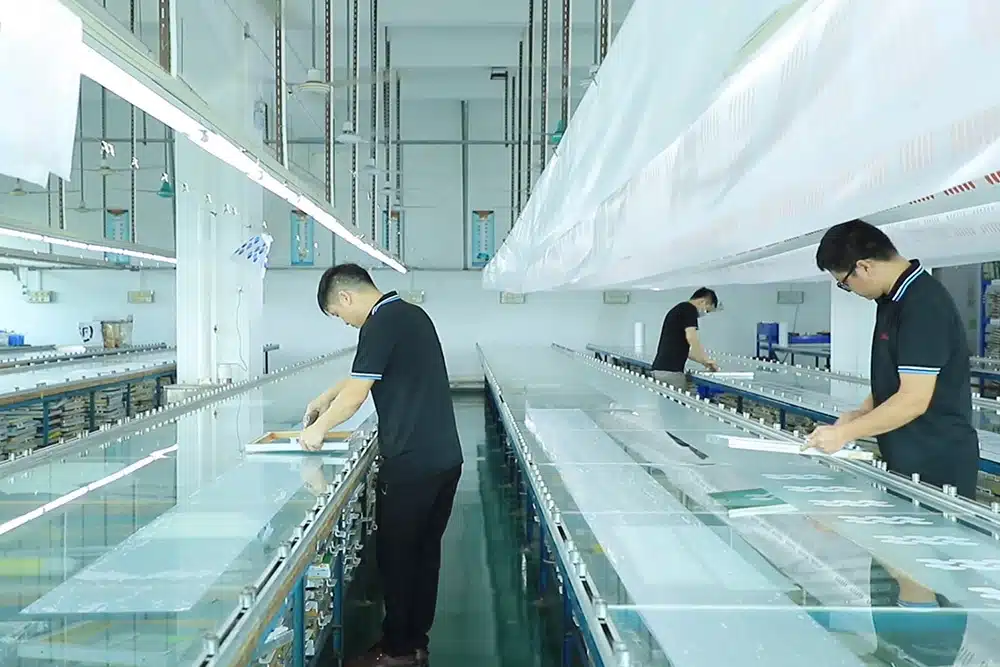
| Dust-Free Handling | Coating | Visible defects, particles, and poor surface finish |
| Inspection Standard | Both | Inconsistent quality may pass into mass production |
These are variables which are carefully monitored by experienced manufacturers by performing in process checks and final checks.
Advantages and Limitations of Each Process
Begin by thinking about the functions and the users’ needs for the product, rather than selecting a process name first. Questioning the right questions at the right time helps to avoid mismatches later.
| Process | Advantages | Limitations |
| Silicone Dispensing | Precise material placement, good for sealing and bonding, supports localized functions, suitable for narrow areas | Requires accurate fixtures and parameter control; not ideal for broad surface coverage |
| Silicone Coating | Improves grip, feel, appearance, and surface protection; suitable for larger areas | Requires strong adhesion control and clean handling; not ideal for creating gasket-like beads or bonding lines |
| Using Both Together | Supports both functional assembly and surface enhancement | Requires more design review, process planning, and quality control |
This methodical process assists the OEM purchaser and engineer in determining the best secondary process.
How to Decide Which Process Your Product Needs
This will help manufacturers to judge the feasibility of the process combination with a fair degree of accuracy and to give the best recommendation to the process combination possible.
| Question to Ask | If the Answer Is Yes, Consider… |
| Do you need a sealing line or bonding point? | Silicone dispensing |
| Do you need a broader soft-touch or anti-slip surface? | Silicone coating |
| Does the silicone need to fill a groove or gap? | Silicone dispensing |
| Does the product require a protective surface layer? | Silicone coating |
| Do you need both assembly function and surface enhancement? | A combined dispensing and coating process |
| Is appearance consistency very important? | Clear coating standards and sample approval |
| Is adhesion to plastic, metal, or silicone required? | Material compatibility and surface preparation review |
| Will the product be used outdoors or in high-contact conditions? | Durability, aging, and surface performance testing |
This structured approach helps OEM buyers and engineers select the most appropriate secondary processing method.
What OEM Buyers Should Prepare Before Requesting a Quote
Don’t just consider the availability of the equipment when choosing your partner. A good manufacturer company should provide excellent engineering support, material knowledge, process stability and quality systems.
| Information to Prepare | Why It Helps |
| 3D CAD File | Allows engineers to review geometry, access areas, and fixture needs |
| 2D Drawing | Defines dimensions, tolerances, and critical notes |
| Product Sample | Helps evaluate real surface condition and application feasibility |
| Process Requirement | Clarifies whether dispensing, coating, or both are needed |
| Base Material | Determines adhesion and pretreatment requirements |
| Application Area | Helps estimate process time, material usage, and tooling setup |
| Functional Purpose | Confirms whether the goal is sealing, bonding, grip, protection, or appearance |
| Color / Finish Requirement | Affects material choice, coating method, and inspection standards |
| Estimated Quantity | Helps determine manual, semi-automatic, or automated process setup |
| Testing Requirement | Defines quality control and acceptance criteria |
Below are some common misconceptions about silicone dispensing, and silicone coating.Here are some common misconceptions about silicone dispensing and silicone coating.
How to Choose a Manufacturer for Silicone Dispensing and Coating
Look beyond basic equipment availability when selecting a partner. A capable manufacturer should demonstrate strong engineering support, material expertise, process stability, and quality systems.
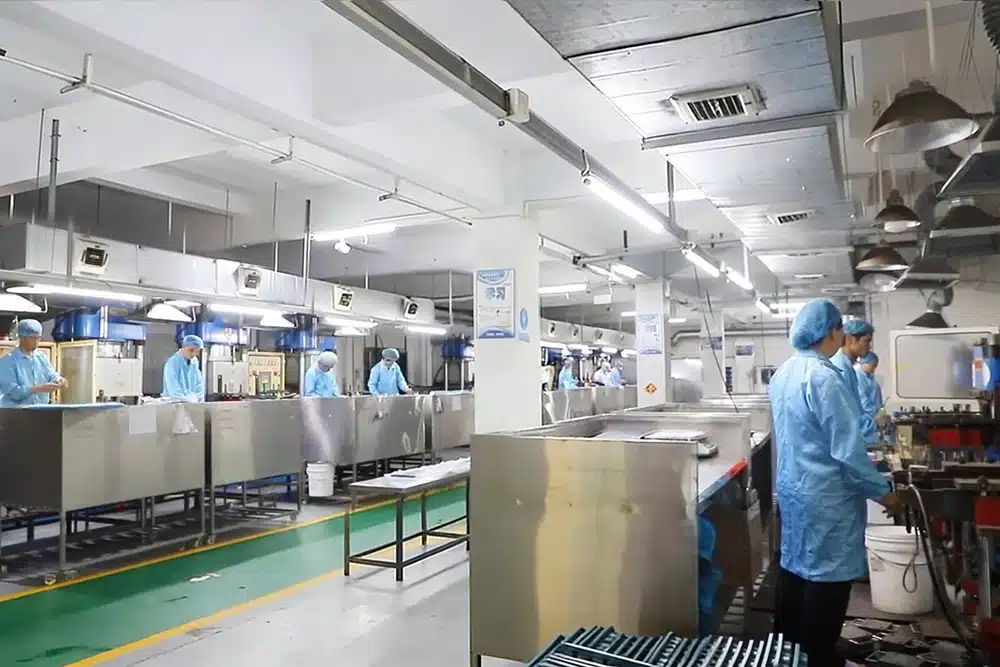
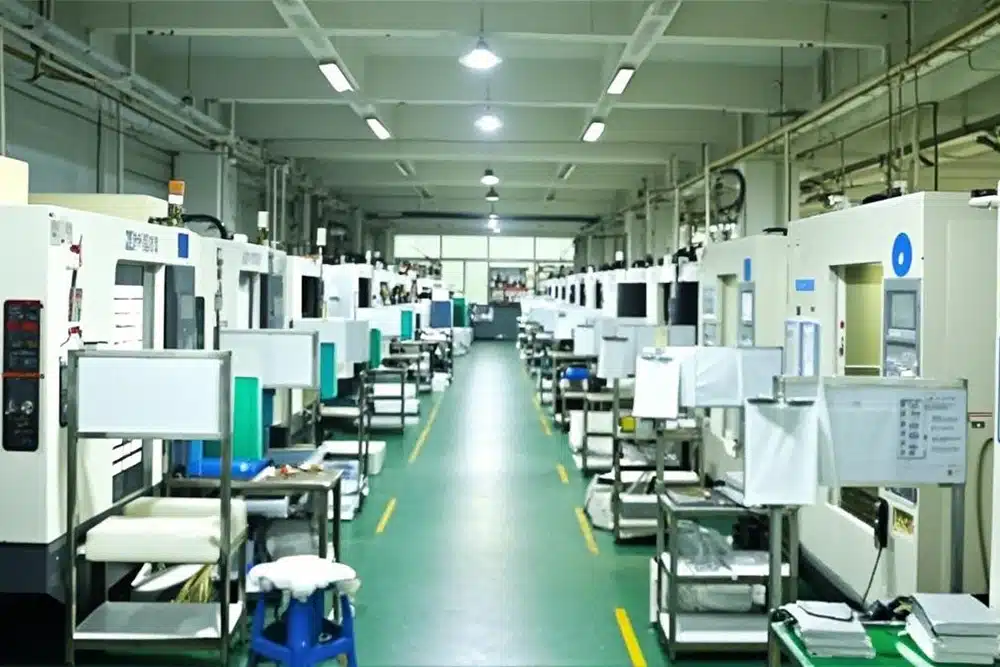
Key capabilities to evaluate include material selection guidance, fixture and tooling design, in-house molding coordination, additional surface finishing options like silk screen printing or laser engraving, dust-free assembly environments, and comprehensive quality control from raw materials to final inspection. Experience across automotive, personal care, home goods, and pet supplies markets often indicates broader problem-solving ability.
| Supplier Capability | Why It Matters |
| Material Selection Support | Helps match silicone type with adhesion, flexibility, and use conditions |
| Fixture and Tooling Capability | Improves dispensing position and coating consistency |
| Process Control Experience | Reduces overflow, peeling, bubbles, uneven coating, and batch variation |
| In-House Molding Capability | Helps coordinate primary molding with secondary silicone processing |
| Surface Finishing Options | Supports appearance, branding, texture, and final product value |
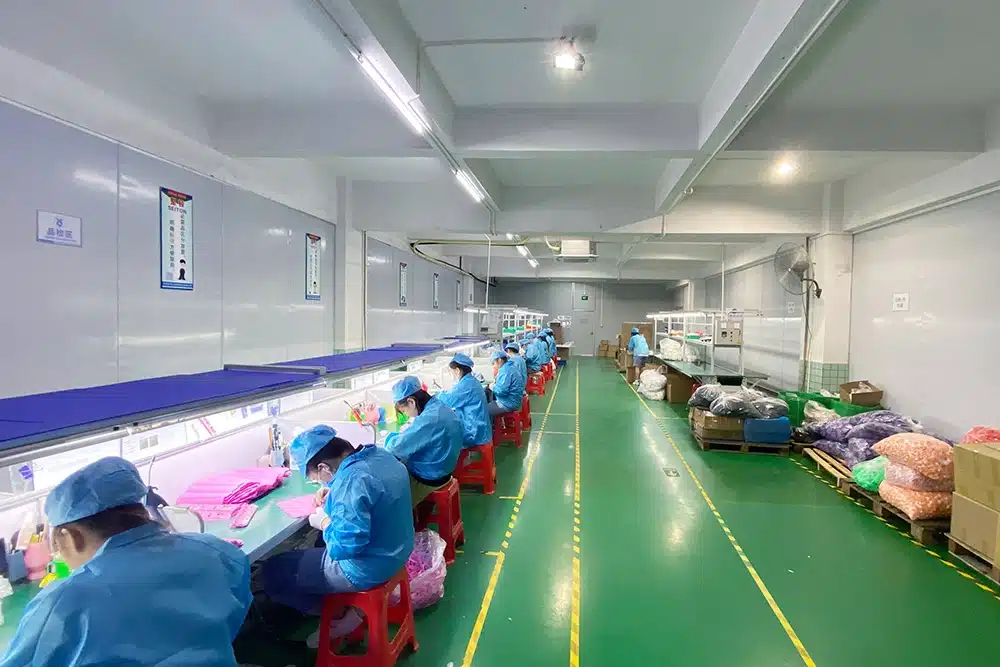
| Clean Assembly Environment | Reduces dust, particles, and surface contamination risks |
| Quality Inspection System | Verifies bead position, coating coverage, adhesion, curing, and appearance |
| OEM/ODM Project Experience | Supports development from concept and prototype to mass production |
Common Misunderstandings About Silicone Dispensing and Silicone Coating
There are a number of misconceptions that can result in suboptimal choice or production problems:
- Silicone dispensing does not equate with silicone coating.
- One is not any more “better”: it depends solely on the function of the product.
- Looks aren’t everything, as a beautiful prototype doesn’t always mean high yields at mass production.
- The problem is typically with surface preparation, material compatibility or curing, not the process.
- Thicker coatings are not always better; there is an optimum thickness that will provide maximum function and usability.
- Bead size should be based on a need to accommodate function, rather than aesthetic appeal.
- Quality is not the only thing that the equipment can provide, it is also the fixtures, operators and process parameters and inspection.
- Both processes must be used together and are complex and costly, so need careful planning.
It helps buyers to have realistic expectations if they know these points up-front.
Conclusion — Choose the Process Based on Product Function
Silicone Dispensing and Silicone Coating both have their place depending upon the products application. When a controlled bead, bonding point or sealing path is necessary, the dispensing method is typically better suited for the design. When the desired surface is to be broadened for protection or tactile, coating is a better choice. In some OEM projects both processes can be combined to enhance the function, appearance and long-term performance of a product.
In either of the processes or when used in combination, final quality depends on careful selection of materials, adequate surface preparation, precise fixtures, controlled curing, clean production and careful inspections. The results you obtain are reliable and meet the functional and commercial objectives by paying attention to the real needs of your product and not to a process name or to the unit price alone.