
Silicone dispensing, a precision secondary process, involves placing a precise amount of silicone material on a precise position, surface, cavity, groove, joint or assembly area. It is widely used in the manufacturing of custom silicone products for sealing, bonding, waterproofing, insulation, cushioning, decoration, improving grip and surface protection.
When sourcing silicone products, it is essential for product engineers, OEM buyers and managers to know what silicone dispensing is and how it impacts product quality, function and cost, ranging from consumer electronics to pet supplies. Many buyers believe that the quality of silicone dispensing only relies on the quality of the dispensing machine, but in fact, the key factors that affect the final silicone dispensing product quality are the factors of the whole process chain: material viscosity, surface preparation, dispensing path, fixture accuracy, control of the curing process, and inspection standards. The process of applying silicone is not only a simple material application process, but also a process that needs to be controlled, and silicone material selection, silicone dispensing equipment, silicone fixture design, curing process, operator skills, automation degree and quality inspection are all factors affecting the process.
What Is Silicone Dispensing?
Precision secondary silicone application process for dispensing of silicone, to provide accurate and repeatable quantities of silicone precisely where required. As opposed to the use of adhesive for general applications, it involves a high degree of control of bead size, position, volume and appearance to satisfy functional and aesthetic demands.
Silicone dispensing or coating can be integrated in the overall secondary processing solution for OEMs who need to control where the material is placed, sealed, bonded and enhanced.
| Item | Explanation |
| Process Type | Precision secondary silicone application process |
| Material Used | Liquid silicone, silicone adhesive, silicone sealant, or coating-grade silicone |
| Application Method | Manual, semi-automatic, or automated dispensing equipment |
| Best For | Sealing, bonding, insulation, decoration, surface protection, and functional enhancement |
| Common Output | Silicone beads, sealing lines, coated areas, bonded assemblies, protective layers, and decorative details |
How the Silicone Dispensing Process Works
Applying silicone is not a simple “apply and cure” process, it is a controlled process that takes several steps. All stages have an impact on the final appearance, adhesion and performance of the dispensed silicone.
The typical process for a professional manufacturing environment:
| Process Step | What Happens | Why It Matters |
| Design Review | Engineers review the part structure, application area, bead shape, and functional requirements | Helps confirm whether silicone dispensing is suitable |
| Material Selection | Silicone adhesive, sealant, or liquid silicone is selected based on use conditions | Affects adhesion, flexibility, curing, and durability |
| Surface Preparation | The product surface is cleaned or treated if needed | Improves adhesion and reduces contamination risk |
| Fixture Setup | A jig or fixture holds the part in the correct position | Improves dispensing accuracy and repeatability |
| Parameter Setting | Dispensing pressure, speed, bead size, and path are defined | Controls consistency and material usage |
| Silicone Dispensing | Silicone is applied to the targeted area manually or automatically | Forms the functional bead, layer, or bonding area |
| Curing | Silicone is cured under controlled time and temperature conditions | Affects final strength, elasticity, and surface stability |
| Inspection | Appearance, bead size, position, adhesion, or sealing performance is checked | Helps prevent defects before shipment |
| Packaging | Finished parts are packed after curing and inspection | Protects surface quality during storage and transport |
Common Types of Silicone Dispensing
Depending on the design of the product and the intended use, silicone dispensing can perform various purposes. The right type will depend on the objective whether it is a structural, protective or decorative application.
| Dispensing Type | Main Purpose | Typical Application |
| Silicone Adhesive Dispensing | Bonding silicone, plastic, metal, or assembled parts | Custom product assemblies, protective covers, component bonding |
| Silicone Sealant Dispensing | Filling gaps and improving waterproof or dustproof performance | Enclosures, joints, grooves, and sealing areas |
| Silicone Bead Dispensing | Creating a controlled silicone line or bead | Gaskets, cushions, anti-slip areas, and sealing paths |
| Protective Silicone Dispensing | Adding a protective layer or localized coverage | Electronics, outdoor products, and high-contact surfaces |
| Decorative Silicone Dispensing | Adding logo, color, texture, or visual features | Consumer goods, promotional products, and branded parts |
| Assembly Support Dispensing | Helping locate, cushion, or stabilize components | Multi-part silicone, plastic, or metal assemblies |
Why Silicone Is Used for Dispensing Applications
The special physical and chemical characteristics of silicone make it unrivaled for use in dispensing applications.
| Silicone Property | Buyer Benefit |
| Flexibility | Helps the dispensed area move or compress without cracking easily |
| Elastic Recovery | Supports sealing, cushioning, and repeated contact applications |
| Temperature Resistance | Suitable for products exposed to heat or changing temperatures |
| Weather Resistance | Useful for outdoor, automotive, and durable consumer products |
| Electrical Insulation | Helps protect electronic components and assemblies |
| Soft Touch | Improves grip, comfort, and user experience |
| Chemical Stability | Supports long-term performance in many operating environments |
| Material Compliance Options | Allows selection of food-grade, skin-contact, or industrial-grade silicone when required |
Key Benefits of Silicone Dispensing for OEM Products
The benefit of silicone dispensing is the ability to achieve a functional performance, design flexibility, controlled application process and scalable production.
| Benefit | Practical Meaning for OEM Buyers |
| Controlled Material Placement | Helps apply silicone only where it is needed |
| Improved Sealing | Supports waterproof, dustproof, or airtight product designs |
| Better Bonding | Helps assemble silicone, plastic, metal, or mixed-material components |
| Functional Surface Enhancement | Adds grip, cushioning, softness, or protective coverage |
| Design Flexibility | Supports custom bead shapes, coating areas, colors, and functional layouts |
| Production Repeatability | Helps maintain consistent appearance and performance in batch production |
| Reduced Rework | Proper dispensing control can reduce overflow, missing material, and uneven application |
| OEM Customization | Supports product-specific sealing, branding, and assembly requirements |
Common Applications of Silicone Dispensing
Silicone dispensing is employed when precise positioning, sealing, bonding, protection, or surface improvement of the product is required.
| Industry / Product Type | Common Silicone Dispensing Applications |
| Consumer Electronics | Sealing, cushioning, insulation, anti-slip areas, protective bonding |
| Automotive Components | Seals, vibration damping, protective beads, weather-resistant bonding |
| Personal Care Devices | Soft-touch areas, grip improvement, waterproof sealing, skin-contact surfaces |
| Smart Wearables | Comfort pads, sealing areas, protective layers, flexible bonding |
| Home Goods | Anti-slip surfaces, decorative silicone details, protective pads |
| Pet Products | Grip areas, soft edges, protective or decorative features |
| Food-Contact Products | Sealing or surface details using suitable food-grade silicone materials |
| Outdoor Sports Products | Weather-resistant grip, cushioning, and localized protection |
| Industrial Components | Functional sealing, insulation, cushioning, and assembly support |
Silicone Dispensing vs Silicone Coating: Basic Difference
There is a difference between silicone dispensing and silicone coating. Knowing the difference will assist buyers in selecting the appropriate secondary processing method.
| Process | Best For | Typical Result |
| Silicone Dispensing | Targeted application, sealing lines, bonding points, grooves, or beads | Controlled silicone bead, line, dot, or localized material area |
| Silicone Coating | Broader surface coverage, grip, protection, or texture enhancement | Continuous or semi-continuous silicone layer on the surface |
| Combined Use | Products requiring both bonding/sealing and surface enhancement | Functional and aesthetic improvement in one project |
This article primarily addresses silicone dispensing with coating being just a part of the overall silicone secondary processing capability.
What Affects Silicone Dispensing Quality?
Silicone dispensing involves control of material, equipment, tooling, environment and inspection. A slight change in any component can result in noticeable or working problems.
| Quality Factor | Possible Risk If Ignored |
| Material Viscosity | Uneven flow, poor bead shape, or unstable dispensing volume |
| Surface Cleanliness | Weak adhesion, peeling, or contamination-related defects |
| Nozzle Selection | Oversized or undersized bead width |
| Dispensing Pressure | Overflow, gaps, bubbles, or inconsistent material output |
| Fixture Accuracy | Misalignment and position variation between batches |
| Curing Control | Weak bonding, sticky surface, or unstable final performance |
| Production Environment | Dust, moisture, or particles affecting appearance and adhesion |
| Inspection Standard | Defects may pass into assembly or final shipment |
Advantages and Limitations Buyers Should Understand
Silicone dispensing is very beneficial but one must be aware of its advantages and limitations before opting for its use in a project.
| Advantages | Limitations |
| Supports precise sealing, bonding, and localized protection | Requires proper fixture and process setup |
| Suitable for custom product functions and surface details | Not ideal if the design area is too difficult to access |
| Can improve grip, cushioning, insulation, or waterproofing | Material compatibility must be reviewed before production |
| Works with manual, semi-automatic, or automated production | Curing time may affect production planning |
| Helps reduce assembly complexity in some products | Poor surface preparation can cause adhesion problems |
| Can support both prototypes and mass production | Very tight appearance requirements need clear inspection standards |
What OEM Buyers Should Prepare Before Starting a Silicone Dispensing Project
By ensuring the necessary technical information is prepared prior to contacting a manufacturer, buyers can increase the accuracy of their quotations, sample development and production stability.
| Information to Prepare | Why It Helps |
| 3D CAD File | Allows engineers to evaluate structure and dispensing path |
| 2D Drawing | Defines dimensions, tolerances, and technical notes |
| Dispensing Area | Clarifies where silicone should be applied |
| Bead Size or Shape Requirement | Helps estimate material use and process feasibility |
| Base Material | Determines adhesion and surface preparation needs |
| Silicone Material Requirement | Helps select adhesive, sealant, coating-grade, or compliant silicone |
| Functional Requirement | Confirms whether the purpose is sealing, bonding, insulation, grip, or decoration |
| Color and Appearance Requirement | Affects material choice and quality inspection standard |
| Estimated Quantity | Helps evaluate manual, semi-automatic, or automated production method |
| Testing Requirement | Defines inspection method and acceptance criteria |
How to Choose a Silicone Dispensing Manufacturer
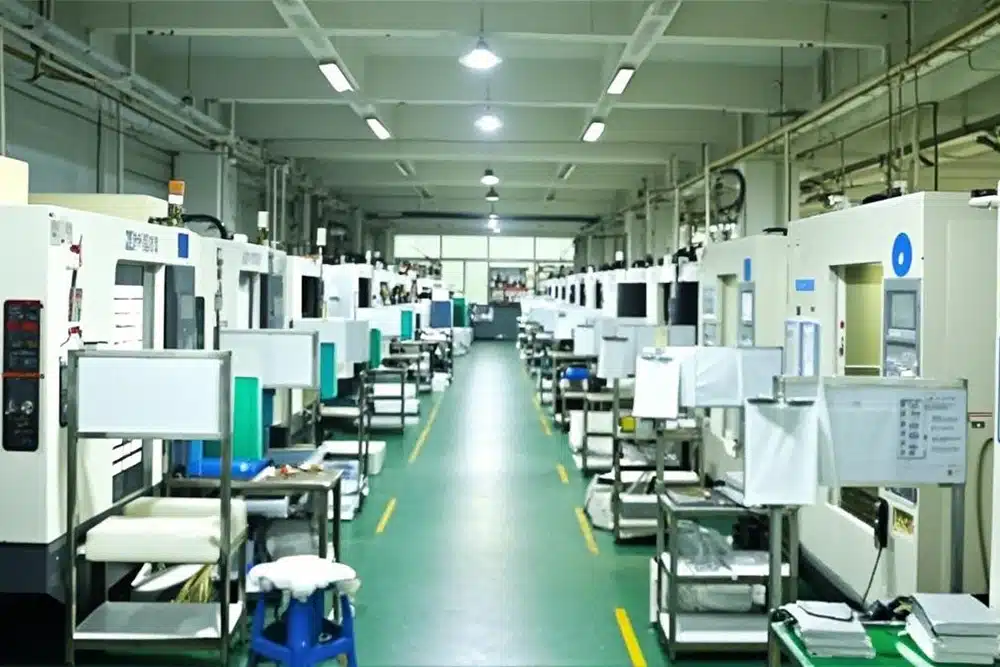
The unit price should not be the only factor for choosing a manufacturer. The engineering skills, material understanding, fixture design, dispensing equipment, curing control, quality inspection, and experience with custom silicone products should be taken into account by the buyer.
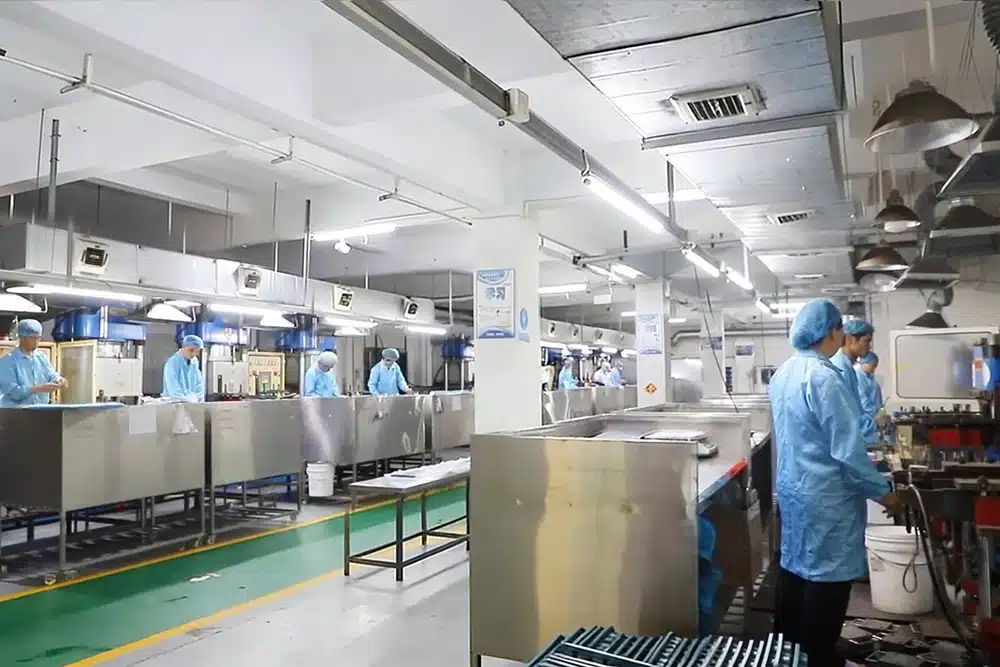
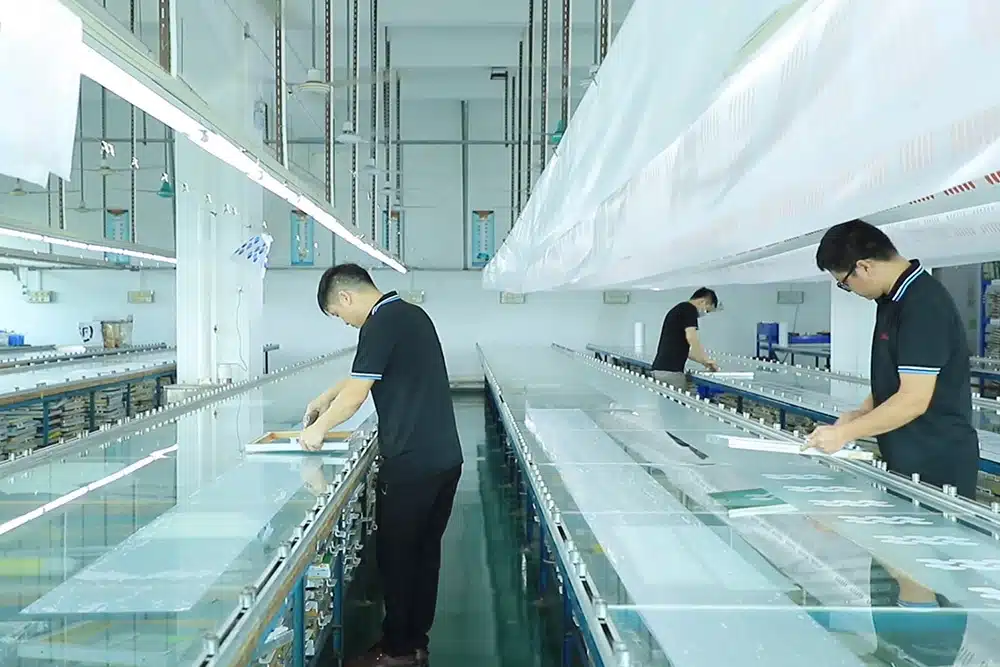
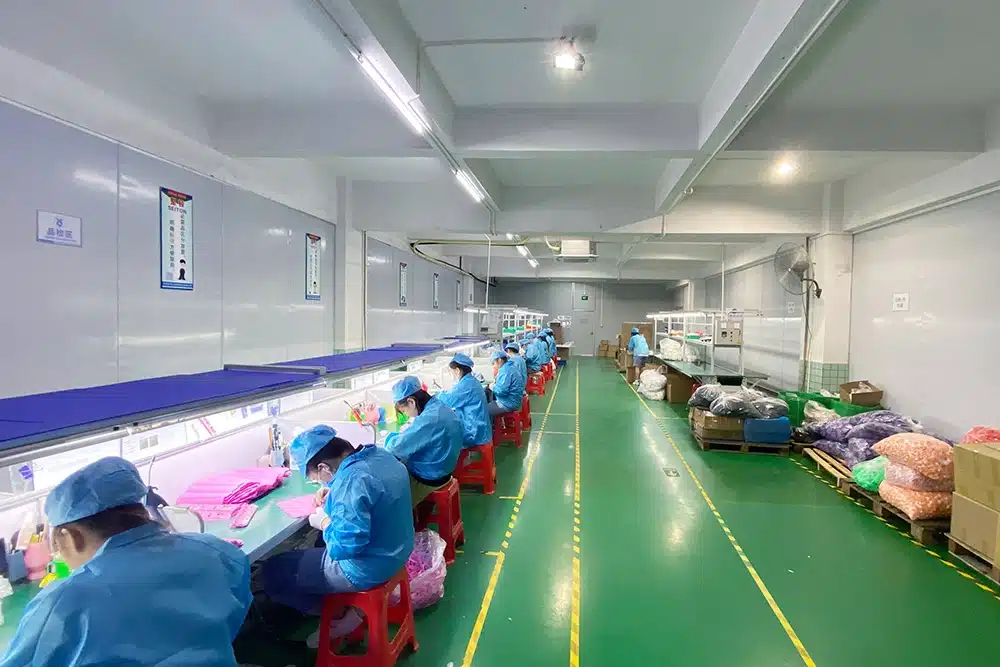
A good partner will have the ability to provide in-house silicone molding, material selection assistance, other surface finishes (silk screen printing or laser engraving), and a dust free production area. They enable seamless coordination of molding and secondary processing, and ensure product quality throughout the automotive, personal care, home goods and pet supplies markets.
| Supplier Capability | Why It Matters |
| Silicone Material Knowledge | Helps match material performance with product requirements |
| Fixture and Tooling Support | Improves dispensing position accuracy and repeatability |
| Dispensing Process Control | Reduces overflow, gaps, bubbles, and inconsistent bead size |
| In-House Molding Capability | Supports better coordination between molded parts and secondary processing |
| Surface Finishing Options | Allows products to combine dispensing with branding or appearance enhancement |
| Clean Assembly Environment | Reduces dust and contamination risks |
| Quality Inspection System | Helps verify adhesion, appearance, position, and functional performance |
| OEM/ODM Project Experience | Supports smoother development from concept to mass production |
Common Misunderstandings About Silicone Dispensing
There are some misconceptions that may result in disappointment in development or production:
- Silicone dispensing will not be the same as hand glueing.
- Good-looking samples do not necessarily imply mass production.
- Key to the dispensing accuracy is not only the machine but also the fixture design and process parameters.
- The bondability of silicone with plastic, metal or other substrates should be determined prior to bonding.
- Final adhesion, elasticity and surface feel may be influenced by curing conditions.
- Too much silicone isn’t necessarily good, as it can lead to overflow, look bad or cause assembly issues.
- Coating and dispensing are two distinct processes, but may be used in the same project.
Conclusion — Silicone Dispensing Is a Controlled Manufacturing Process
When it comes to silicone dispensing, more is not always better—the outcome will be more successful when silicone is applied to a surface with both good function and appearance, as well as better assembly performance. Good management of the project requires that appropriate materials be used, fixture design be accurate, the dispensing parameters need to be controlled, the process of curing needs to be controlled, and the quality inspection needs to be consistent.
With careful consideration, the process provides reliable sealing, bonding, protection and decoration that increase performance and user satisfaction for numerous industries. By making the requirements explicit at the outset, a lot of pitfalls can be avoided and better results will be achieved in prototypes and in volume production.