
Custom silicone molds for Amazon sellers provide an excellent opportunity to develop differentiated private-label products that can stand out in crowded categories. From baking molds and candy molds to soap molds and ice cube trays, custom options allow sellers to tailor shapes, materials, colors, and packaging to meet specific customer needs and improve listing performance on Amazon.
For Amazon sellers, successful custom silicone mold development goes far beyond picking a shape or adding a logo. It requires thoughtful planning around real customer use cases, material suitability, ease of use, packaging that protects during fulfillment, and consistent quality across bulk orders. Many sellers mistakenly believe custom work is mainly about color changes or branding, but review success often hinges on practical factors like easy release, minimal odor, clear instructions, and reliable performance that matches listing promises. The key is building products that deliver positive experiences repeatedly.
How Should Amazon Sellers Develop Custom Silicone Molds?
Amazon sellers should approach custom silicone molds strategically by researching customer pain points, selecting the right development path, confirming materials and design details, planning packaging and branding, approving samples, and aligning MOQ with launch needs. For marketplace brands developing baking, candy, soap, ice, beverage, or DIY product lines, custom silicone molds for Amazon sellers should be planned around product differentiation, material suitability, packaging, MOQ, QC, and repeat-order consistency.
Here’s a practical overview of the key decisions:
| Development Step | What Amazon Sellers Should Decide | Why It Matters |
| Product Category | Baking, candy, soap, ice, beverage, DIY, craft, gift, or seasonal mold | Defines material, design, packaging, and customer expectations |
| Market Positioning | Budget, standard, premium, gift, seasonal, or professional use | Helps guide design and packaging decisions |
| Product Route | Existing mold, modified mold, or fully custom tooling | Affects cost, MOQ, lead time, and differentiation |
| Material Selection | Food-grade, heat-resistant, freezer-use, craft, or non-food silicone where suitable | Affects safety expectations, user experience, and product claims |
| Shore Hardness | Softness, support, flexibility, and release | Impacts product feel and usability |
| Color and Logo | Pantone color, molded logo, printed logo, or packaging branding | Supports brand recognition and listing differentiation |
| Packaging | Color box, kraft box, polybag, insert card, barcode, or ecommerce-ready packaging | Affects Amazon customer experience and fulfillment readiness |
| Sample Approval | Physical sample review for color, odor, hardness, release, and packaging | Reduces bulk order risk |
| Bulk Order Plan | MOQ, first order quantity, lead time, inspection, and repeat orders | Supports inventory and launch planning |

Why Custom Silicone Molds Can Work for Amazon Private-Label Products
Custom silicone molds help Amazon sellers create products that go beyond generic offerings available in supplier catalogs. By focusing on differentiation and customer experience, private-label lines can build stronger brand identity and better review ratings.
| Amazon Seller Goal | How Custom Silicone Molds Can Help |
| Product Differentiation | Unique shapes, cavity layouts, colors, or sets reduce generic similarity |
| Private-Label Branding | Logo, packaging, instruction cards, and color help build brand identity |
| Better Customer Experience | Product structure can be designed for easier release, cleaning, and handling |
| Listing Visual Appeal | Custom colors, packaging, and product sets improve product photography |
| Seasonal Launches | Holiday shapes and gift packaging support seasonal demand |
| Niche Targeting | Products can be designed for bakers, soap makers, barware users, or DIY crafters |
| Repeat Orders | Approved samples and production records support consistency |
| Review Quality | Better material, packaging, and instructions can reduce avoidable complaints |
Product Categories Amazon Sellers Can Consider
The best product category for custom silicone molds depends on your target audience, competition level, development budget, and fulfillment considerations. Popular options include several kitchen and craft categories with strong Amazon demand.
| Product Category | Amazon Product Opportunity | Key Development Consideration |
| Silicone Baking Molds | Cake, muffin, cupcake, bread, or seasonal baking products | Food-contact material, heat use, support structure, instructions — perfect for expanding your custom silicone kitchenware line on Amazon. |
| Candy Molds | Small cavity molds for candy, gummies, or sweets | Cavity detail, release, cleaning, food-contact review |
| Chocolate Molds | Gift, holiday, or premium chocolate products | Smooth release, fine detail, attractive packaging |
| Soap Molds | Handmade soap, beauty, craft, or DIY product lines | Cavity depth, logo detail, flexibility, demolding |
| Ice Cube Trays | Barware, whiskey ice, novelty ice, beverage accessories | Freezer flexibility, odor review, lid fit, packaging |
| Beverage Molds | Cocktail, party, hospitality, or summer products | Food-contact use, shape consistency, customer instructions |
| Popsicle Molds | Family, children, summer, and kitchenware products | Handle fit, lid design, freezer performance |
| DIY Craft Molds | Resin, clay, plaster, candle, or craft use | Tear resistance, compatibility, detail accuracy. Many sellers also successfully combine these with custom silicone mats for complete kitchen and craft bundles. |
| Seasonal Molds | Christmas, Halloween, Valentine’s, Easter, holiday sets | Launch timing, color, packaging, MOQ |
| Gift Sets | Bundled molds with instructions, recipe cards, or accessories | Packaging, insert tray, SKU planning, perceived value |

Existing Mold, Modified Mold or Fully Custom Mold?
Amazon sellers need to choose the right development route based on their timeline, budget, and differentiation goals. Not every project requires a brand-new tool.
| Development Route | Best For | Advantages | Limitations |
| Existing Mold | Fast launch, market testing, lower development effort | Shorter lead time and lower tooling risk | Limited differentiation |
| Existing Mold + Custom Packaging | Sellers testing private-label demand | Better branding without new tooling | Product shape may still be generic |
| Existing Mold + Custom Color | Brand color or seasonal variation | Faster than full custom development | Color MOQ and sample approval may apply |
| Modified Mold | Logo, minor structure change, or improved usability | More differentiation than standard molds | Some tooling cost and lead time |
| Fully Custom Mold | Long-term private-label SKU or unique product concept | Strongest control over shape, function, and branding | supported by our in-house mold manufacturing capabilities. |
Product Design Factors That Affect Amazon Reviews
Product design for silicone molds should prioritize real-world customer use over purely aesthetic appeal. Factors like demolding ease and cleaning directly impact review scores.
| Design Factor | Why It Matters for Amazon Sellers |
| Easy Demolding | Reduces frustration and negative user feedback |
| Cavity Depth | Affects release, cleaning, and finished product shape |
| Wall Thickness | Balances durability, flexibility, support, and cost |
| Shore Hardness | Controls softness, handling feel, and release performance |
| Support Rim | Helps larger molds keep shape when filled |
| Lid / Accessory Fit | Important for ice cube trays, beverage molds, and popsicle molds |
| Cleaning Ease | Complex cavities may need clear care instructions |
| Odor Control | Important for food, beverage, kitchenware, and gift products |
| Size Accuracy | Prevents mismatch with listing photos or customer expectations |
| Packaging Fit | Prevents deformation during storage and shipping |
| Instructions | Helps customers use and care for the product correctly |
Material Selection for Amazon Silicone Mold Products
Choosing the right silicone material is critical for meeting customer expectations and supporting product claims. Match the grade to the intended use.
| Material Requirement | Amazon Seller Consideration |
| Food-Contact Silicone | Important for baking, candy, chocolate, ice, beverage, and kitchenware products |
| Heat-Use Material | Needed for oven-use products and should support stated product claims |
| Freezer-Use Material | Needed for ice cube trays, beverage molds, and popsicle molds |
| Craft / Non-Food Silicone | May suit soap, resin, plaster, candle, or DIY products |
| Shore Hardness | Affects flexibility, support, demolding, and customer experience |
| Tear Resistance | Important for deep cavities, thin walls, and repeated use |
| Odor Requirement | Critical for customer reviews in food and kitchenware categories |
| Pigments / Colorants | Should match application and target market requirements |
| Testing Needs | FDA, LFGB, retailer, or marketplace documentation may be required depending on claims |

Logo, Color and Branding Options for Amazon Sellers
Effective branding helps private-label products build recognition while maintaining functionality. Options should be chosen based on durability and customer experience.
| Branding Option | Amazon Seller Benefit | Manufacturing Consideration |
| Pantone Color Matching | Supports brand identity and product line consistency | Requires physical sample approval |
| Seasonal Colors | Useful for holiday launches and limited editions | Plan color matching early |
| Embossed Logo | Durable molded brand mark | Requires tooling and suitable logo size |
| Debossed Logo | Subtle brand identity | Depth should not affect cleaning or release |
| Printed Logo | More visual branding option | Needs adhesion and durability review |
| Logo Inside Cavity | Creates branded finished food, soap, or craft output | Review release, cleaning, and food-contact use |
| Packaging Logo | Strong Amazon listing and unboxing presentation | Often the most flexible branding method |
| Insert Card / QR Code | Supports instructions, recipes, or brand story | Must be accurate and clearly printed |
Amazon-Ready Packaging for Silicone Molds
Packaging plays a major role in Amazon success, protecting the product during shipping and enhancing unboxing experience. Sellers should design Amazon-ready packaging that works for FBA fulfillment.
| Packaging Item | Why It Matters for Amazon Sellers |
| Color Box | Improves listing photos, brand presentation, and customer experience |
| Kraft Box | Useful for natural, craft, gift, or handmade-style positioning |
| Polybag + Label | Practical for simple or cost-sensitive products |
| Insert Tray | Helps protect multi-piece sets and maintain presentation |
| Instruction Card | Reduces user confusion and improves customer experience |
| Recipe / Use Card | Adds value for baking, candy, soap, and DIY products |
| Barcode / SKU Label | Supports inventory and fulfillment management |
| FNSKU Label Where Needed | Sellers should confirm current Amazon labeling requirements |
| Carton Label | Helps warehouse receiving and inventory control |
| Packaging Fit | Prevents deformation, compression, and poor unboxing |
| Artwork Approval | Reduces printing errors before mass packaging |
MOQ, Bulk Orders and Inventory Planning
Understanding MOQ and planning bulk orders carefully helps Amazon sellers manage cash flow and avoid stockouts or overstock situations.
| Bulk Order Factor | Why Amazon Sellers Should Plan It |
| MOQ | Determines whether the project fits launch budget and inventory plan |
| Trial Order | Helps test product quality and demand before larger orders |
| First Bulk Order | Supports launch inventory and initial review collection |
| Repeat Forecast | Helps plan material, packaging, and production capacity |
| Custom Color MOQ | Pantone colors may require pigment preparation and sample approval |
| Packaging MOQ | Printed boxes, labels, and inserts may have separate MOQ |
| Unit Price Tiers | Higher quantities may reduce unit cost but increase inventory risk |
| Tooling Cost | Should be evaluated against long-term product strategy |
| Lead Time | Affects launch date and reorder timing |
| Seasonal Demand | Requires earlier planning for holidays and campaign products |
| Reorder Buffer | Helps avoid stockouts if production or shipping takes longer |
Quality Control Before Bulk Production and Shipment
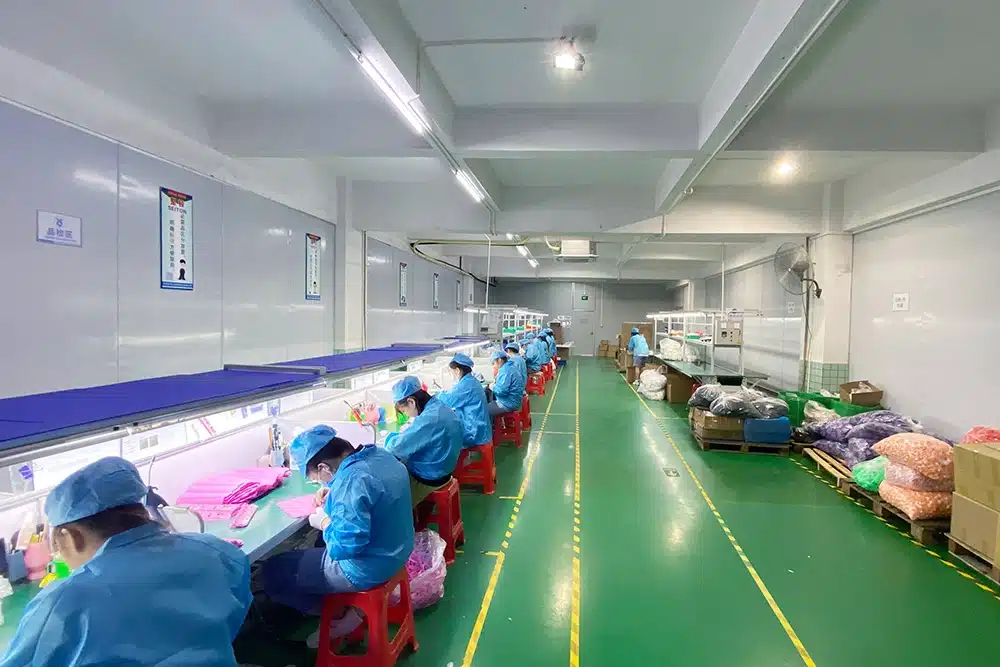
Consistent quality is essential because every unit sold on Amazon can generate a review. Our quality control system protects your brand reputation across every bulk order.
| QC Check | Why It Matters for Amazon Sellers |
| Approved Sample Reference | Ensures bulk production matches the reviewed product |
| Material Inspection | Confirms the correct silicone material is used |
| Shore Hardness Testing | Maintains consistent flexibility and support |
| Dimension Check | Prevents mismatch with listing photos or packaging |
| Color Consistency | Protects brand appearance across batches |
| Odor Review | Important for food, beverage, kitchenware, and gift products |
| Cavity Detail | Ensures product function and shape accuracy |
| Logo Clarity | Protects brand presentation |
| Release Testing | Confirms real product usability |
| Heat / Freezer Testing | Supports use-case expectations where relevant |
| Appearance Inspection | Controls flash, bubbles, stains, deformation, and surface defects |
| Packaging Inspection | Checks boxes, labels, inserts, barcodes, and packing accuracy |
| Carton Inspection | Helps reduce fulfillment and receiving issues |
Product Claims, Testing and Documentation
Sellers must ensure all claims are supported to maintain listing compliance and customer trust. Work closely with your manufacturer on appropriate documentation.
| Claim / Documentation Area | Buyer Consideration |
| Food-Contact Claim | Should be supported by suitable material and testing where required |
| Oven-Safe Claim | Should match material data, product design, and test results |
| Freezer-Safe Claim | Should be reviewed for material flexibility and release |
| Dishwasher-Safe Claim | Should be supported by testing or material guidance |
| BPA-Free Claim | Should only be used when supported by appropriate documentation |
| FDA / LFGB References | Use only when relevant documentation supports the target market |
| Finished Product Testing | May be required for actual molded product, not only raw material |
| Material Declaration | Useful for importer, retailer, or marketplace review |
| Use Instructions | Helps reduce misuse and customer complaints |
| Listing Consistency | Product listing should match approved product and packaging claims |
Common Mistakes Amazon Sellers Should Avoid
Avoiding common pitfalls in the sourcing process can save significant time and money while improving launch success rates.
| Common Mistake | Better Approach |
| Choosing Only by Low Price | Compare material, tooling, packaging, QC, testing, and long-term value |
| No Differentiation | Improve shape, cavity layout, color, packaging, bundle, or instructions |
| Ignoring Reviews | Study customer complaints in similar products before design |
| Bulk Order Before Sample Approval | Approve physical samples first |
| Photo-Only Color Approval | Approve physical color samples |
| Not Checking Odor | Test samples, especially for food and kitchenware products |
| No Real-Use Testing | Test baking, freezing, soap release, candy release, or craft use |
| Packaging Fit Ignored | Test product and package together |
| Missing Label Planning | Confirm barcode, SKU, FNSKU if needed, and carton labels early |
| Unsupported Claims | Use only claims supported by material data or testing |
| No Reorder Plan | Plan lead time and safety stock before launch |
| No QC Standard | Define inspection points before mass production |
| Comparing Different Quotes | Ensure material, packaging, testing, and QC scope are the same |
What Amazon Sellers Should Prepare Before Requesting a Quote
Preparing detailed information upfront leads to more accurate quotes and smoother project development with your silicone mold manufacturer.
| Information to Prepare | Why It Helps |
| Product Category | Determines material, tooling, packaging, and testing needs |
| Target Customer | Helps define product positioning and user experience |
| Target Marketplace | Affects labeling, packaging, and documentation planning |
| Development Route | Existing, modified, or fully custom mold changes cost and lead time |
| Reference Sample / Competitor Product | Helps communicate expected function and quality level |
| CAD File / Drawing | Supports accurate tooling and quotation review |
| Product Dimensions | Affects mold size, silicone weight, packaging, and shipping |
| Cavity Layout | Controls function, output shape, and production efficiency |
| Material Requirement | Helps match food, heat, freezer, craft, or non-food use |
| Shore Hardness | Controls flexibility, support, and release |
| Color Requirement | Supports Pantone matching and brand consistency |
| Logo Artwork | Helps plan embossing, debossing, printing, or packaging branding |
| Packaging Style | Affects Amazon readiness, MOQ, cost, and lead time |
| Label Needs | Barcode, SKU, and fulfillment labels should be planned early |
| Testing Needs | Helps avoid unsupported claims and late documentation problems |
| First Order Quantity | Supports MOQ and unit price calculation |
| Repeat Forecast | Helps plan supply stability and reorder timing |
| Launch Date | Helps evaluate whether tooling, sampling, packaging, and shipping are realistic |
How a Manufacturer Supports Amazon Silicone Mold Projects
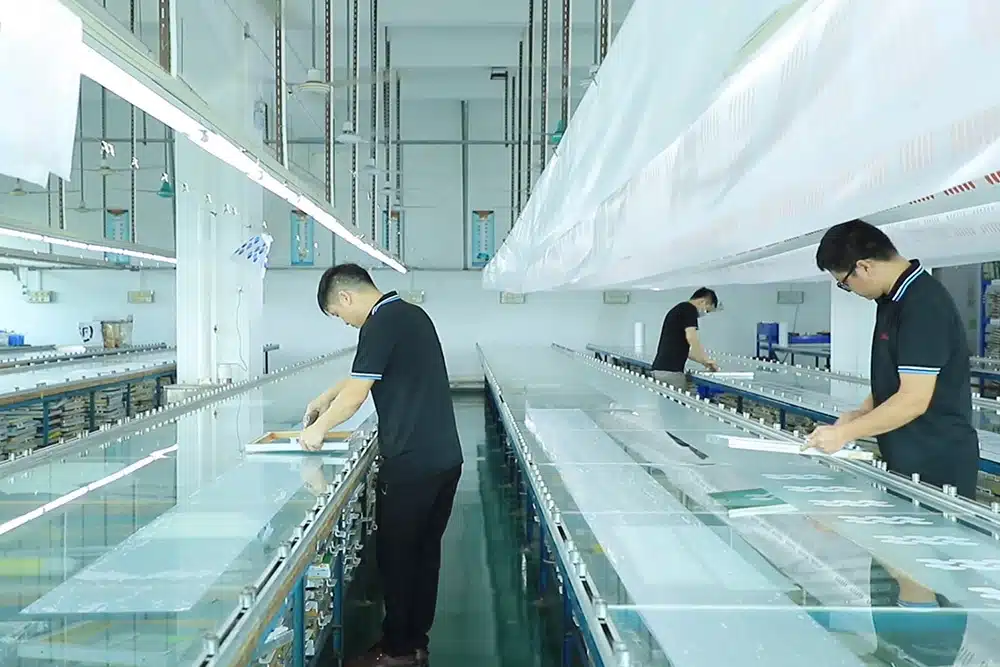
A reliable silicone mold manufacturer can provide comprehensive support throughout the product development process, from initial design review to final shipment. We offer full OEM & ODM silicone manufacturing tailored for Amazon private-label sellers. Experienced teams offer in-house mold making, material optimization, sample production, and quality systems tailored for private-label and ecommerce clients.
| Manufacturer Capability | Why It Matters for Amazon Sellers |
| Product Development Support | Helps turn product ideas into manufacturable Amazon-ready SKUs |
| Material Selection Support | Matches silicone grade, hardness, odor, and application requirements |
| In-House Tooling | Supports custom shapes, revisions, logo details, and repeat orders |
| Sample Development | Allows sellers to approve function, color, packaging, and user experience |
| Color Matching | Supports brand identity and product line consistency |
| Branding Processes | Supports product logo, packaging logo, printing, or engraving |
| Packaging Support | Helps prepare color boxes, labels, inserts, barcodes, and carton plans |
| Quality Control System | Protects review quality and repeat-order consistency |
| Production Capacity | Supports MOQ, bulk order quantities, and reorder planning |
| Export Experience | Supports communication, packing, documentation, and shipment coordination |
Final Buyer Checklist for Amazon Silicone Mold Projects
Before committing to production, run through this checklist to ensure your custom silicone mold project is set up for success.
| Checklist Question | Why It Matters |
| Is the product category clearly defined? | Helps select material, design, and packaging route |
| Is the product differentiated enough for Amazon? | Reduces generic competition risk |
| Have customer review pain points been studied? | Helps design around real user problems |
| Is the material suitable for the application? | Prevents food-contact, heat, freezer, or craft-use issues |
| Is Shore hardness confirmed? | Controls flexibility, support, and release |
| Is product odor checked with samples? | Important for customer reviews |
| Is packaging Amazon-ready? | Supports fulfillment, protection, and customer experience |
| Are barcode and label needs confirmed? | Prevents warehouse and inventory issues |
| Are product claims supported? | Reduces listing and compliance risk |
| Has a physical sample been approved? | Confirms real product quality before bulk orders |
| Are QC standards agreed? | Protects bulk order consistency |
| Is MOQ aligned with launch plan? | Balances inventory risk and unit cost |
| Is lead time realistic? | Supports launch and reorder planning |
| Is repeat-order planning ready? | Helps avoid stockouts and quality variation |
Conclusion — Amazon Silicone Mold Products Need Product Strategy and Manufacturing Control
Custom silicone molds for Amazon sellers can support stronger private-label differentiation when approached with a clear product strategy. Success depends on aligning design, material selection, branding, packaging, and quality control with customer expectations and operational realities. By focusing on functional performance, consistent supply, and practical details like odor control and easy demolding, sellers can build product lines that perform well over time.
Physical sample approval before bulk orders remains one of the most important steps, along with clear communication on MOQ, lead times, and QC standards.Working with an experienced manufacturer who understands both silicone production processes and the needs of ecommerce brands makes the journey from concept to market more efficient and reliable. Dongguan HT Silicone & Rubber Co., Ltd. delivers exactly this support for Amazon sellers. Take the time to plan thoroughly, and your custom silicone mold products will have a better chance of satisfying customers and supporting long-term business growth.