Private label custom silicone molds enable brands or retailers to create a baking mold, candy mold, chocolate mold, soap mold, ice cube tray, beverage mold, DIY mold, or promotional mold under their own brand.All the benefits of a manufacturer’s proven tooling, engineering support and production capacity are yours to decide upon with the added freedom of logo, pantone colour, packaging, cavity layout, material grade, shore hardness, surface texture and product sets. This path provides differentiated products at a lower risk and quicker than full custom development.
When many buyers hear the term, they think that it’s just a private label silicone mold with the added branding of their logo. But, in practice, the real brand value is in the whole package – the ease of hand-feel, the ease of cavity release, the consistency of colours from batch to batch, the readability of the logo and the packaging and instructions that strengthen the retail story. Private label silicone mold is not just about a logo, but the product positioning, material planning, packaging strategy, quality control and reliable manufacturing support. If these pieces come together early, you don’t have to pay for rework and create products that people are willing to purchase again.
Quick Answer: How Do Private Label Silicone Molds Work?
Private label silicone mold is an applicable and consumer-oriented process. You begin with your product category and your end user requirements, then the manufacturer assesses the viability, chooses the most suitable production path, checks all details, creates samples for approval, executes the mass production according to agreed QC criteria, and finally packs and ships the final product for your retail, ecommerce or wholesale outlets.
For brands developing baking, candy, soap, ice, beverage, or DIY product lines, private label silicone molds can combine product customization, brand packaging, material selection, and bulk production support all in one sourcing project for the brands developing baking products, candy, soap, ice, beverage or DIY product lines. These are usually the steps that the workflow follows:
| Private Label Step | What Happens | Buyer Decision |
| Product Selection | Buyer chooses baking, candy, soap, ice, beverage, DIY, or promotional mold type | Define product category and customer use |
| Design Review | Manufacturer reviews shape, cavity layout, wall thickness, and feasibility | Decide existing mold, modified mold, or custom tooling |
| Material Selection | Silicone grade, hardness, color, and application needs are reviewed | Confirm food-contact, heat, freezer, or non-food requirements |
| Branding Plan | Logo, color, surface detail, and packaging style are planned | Choose molded logo, printed logo, label, or full packaging |
| Sample Production | Samples are made for approval | Check size, color, logo, odor, hardness, release, and packaging |
| Mass Production | Products are made according to approved samples | Confirm MOQ, QC standard, and delivery schedule |
| Packaging & Shipment | Products are packed for wholesale, retail, ecommerce, or export | Confirm carton, label, barcode, and logistics needs |

You can stick to the truth of the timelines and have control over all the factors involved in your brand. We support this through full OEM & ODM silicone manufacturing solutions tailored for private label projects.
What Are Private Label Silicone Molds?
Private label silicone molds are silicone mold products that are manufactured by the silicone mold manufacturer, but sold under your brand name. You own the brand, the show, the retail – the factory provides the technical and manufacturing backbone.
Private label is a much more effective way to control the appearance and performance of a product in your customers’ hands than just wholesale buying. No need to design your own mold – start with an existing design and add branding with it, change an existing design to suit your timeline and budget, or create a completely original design.
| Private Label Element | What It Means | Buyer Benefit |
| Buyer Brand | The product is sold under the buyer’s own brand name | Full ownership of brand story and retail identity |
| Manufacturer Support | The factory helps with tooling, material, production, QC, and packaging | Access to expert engineering without building your own factory |
| Product Customization | Color, logo, packaging, material, shape, or cavity layout may be customized | Differentiation that matches your market positioning |
| Existing Mold Option | Faster route using available mold designs with branding adjustments | Shorter lead time and lower upfront cost |
| Custom Mold Option | New mold developed for a unique product design | Stronger product differentiation — supported by our in-house mold manufacturing capabilities. |
| Retail Packaging | Product is prepared for store, ecommerce, or private-label sales | Ready-to-sell presentation |
| Repeat Production | Approved specifications can be used for future reorders | Consistent quality and easier reordering |
Private Label vs OEM vs Ready-Made Silicone Molds
People often confuse between the terms of private label, OEM, ODM and ready made silicone molds. The different routes contain varying speeds, costs, levels of control and level of differentiation, depending on brand goals and timelines.
The quickest method to acquire inventory is to go with ready-made molds, however they are only about close to no differentiator. A silicone mold can be made by a private label, which offers a balance between allowing you to brand and package existing designs or lightly modify them. If you have your own part specifications, then OEM is suitable for you, and if you have a concept and require the manufacturer to take on the grunt work, then ODM is the better choice. Fully custom molds will provide a maximum level of uniqueness, but at a higher price and longer lead time.
| Option | Best For | Advantages | Limitations |
| Ready-Made Silicone Molds | Fast sourcing and basic resale | Lower development effort and faster start | Limited differentiation and branding |
| Private Label Silicone Molds | Brands and retailers needing branded products | Balance of customization, packaging, and faster launch | Differentiation depends on customization depth |
| OEM Silicone Molds | Buyers with their own design files and specifications | Strong control over product design and function | Requires tooling, sampling, and higher planning effort |
| ODM Silicone Molds | Buyers needing manufacturer design support | Useful when buyer has concept but not full design | Requires close communication and sample approval |
| Fully Custom Silicone Molds | Unique product lines or patented designs | Strong brand differentiation | Higher tooling cost and longer development time |
Common Product Categories for Private Label Silicone Molds
Private label silicone molds are used across a multitude of food, home, craft, gift and promotional applications. The same base manufacturing process can be changed to suit different end uses with a variety of different material grades, cavity designs and packaging.
Some of the most popular categories are kitchen items and seasonal, gift-type products that sell well on Amazon, Shopify, and retail shelves.
| Product Category | Private Label Opportunity |
| Baking Molds | Branded kitchenware lines, cake molds, muffin molds, seasonal baking sets — excellent for building a custom silicone kitchenware private label collection. |
| Candy Molds | Small cavity designs, themed candy molds, branded confectionery tools |
| Chocolate Molds | Premium gift products, holiday collections, retail baking accessories |
| Gummy Molds | Ecommerce and private-label candy-making kits |
| Soap Molds | Handmade soap brands, craft sellers, beauty and DIY product lines |
| Ice Cube Trays | Barware, drinkware, beverage accessories, novelty ice products |
| Beverage Molds | Cocktail accessories, reusable molds, specialty drink products |
| Popsicle Molds | Family, kitchenware, and summer seasonal products |
| DIY Craft Molds | Resin, clay, plaster, candle, and creative hobby products |
| Seasonal Molds | Holiday, event, promotional, or limited-edition product lines |
| Promotional Molds | Logo gifts, branded merchandise, corporate giveaways |
Customization Options for Private Label Silicone Molds
Private label silicone molds are not about putting on all the bells and whistles, but about customizing them wisely and properly. Pay attention to changes to improve function, build brand awareness, and ease retail presentation.
Options are as diverse as shape, cavity layout, surface characteristics and packaging. All of these decisions impact the cost of the tooling, MOQ and the product that will be on the shelves.
| Customization Option | Buyer Benefit | Manufacturing Consideration |
| Product Shape | Creates product differentiation | May require new tooling |
| Cavity Layout | Controls function and production output | Affects tooling cost and MOQ |
| Wall Thickness | Balances durability, flexibility, and cost | Requires engineering review |
| Shore Hardness | Controls feel, support, and release | Should match product use |
| Silicone Material | Supports food-contact, heat, freezer, or non-food use | Must match application and market needs |
| Pantone Color Matching | Supports brand identity | Requires color sample approval |
| Embossed Logo | Durable molded branding | Requires tooling detail |
| Debossed Logo | Subtle brand mark | Must not affect release or cleaning |
| Printed Logo | Flexible visual branding | Requires printing durability review |
| Surface Texture | Adds visual or grip effect | May affect cleaning and release |
| Packaging Design | Improves retail and ecommerce value | Adds MOQ, cost, and lead time |
Material Selection for Private Label Silicone Molds
The actual performance of your private label silicone molds in real use and compliance with food safety or retailer requirements is influenced by the materials you select. The right grade ensures that customers are pleased and your brand reputation is maintained.
Baking, candy, chocolate, ice and beverage molds are commonly made with food-grade silicone. Soap, resin, or craft may be appropriate for industrial-grade. For certain applications heat resistance and freezer stability are critical; Shore hardness determines flexibility and demolding ease.
| Material Decision | Why It Matters for Private Label Products |
| Food-Grade Silicone | Needed for products that contact food, beverages, ice, or ingredients |
| Industrial-Grade Silicone | May suit soap, craft, resin, or non-food applications |
| Heat-Resistant Silicone | Important for baking molds and warm-contact products |
| Freezer-Use Silicone | Important for ice cube trays, popsicle molds, and beverage molds |
| Shore Hardness | Affects flexibility, support, demolding, and customer experience |
| Pigments / Colorants | Support brand colors but must match application needs |
| Odor Requirement | Important for food, beverage, kitchenware, and retail products |
| Testing Requirement | FDA, LFGB, or retailer testing may be required depending on market |
| Sample Approval | Confirms color, hardness, odor, release, and material feel |
Logo and Branding Methods
Branding makes your silicone mold a recognizable product, reinforcing your brand the next time someone uses it. We provide durable logo and surface finishing options including embossed, debossed, printed, and laser engraving.This depends on the durability required, level of visibility, product surface and budget.
Embossed/ debossed logos will be permanently molded into the product. Printed logos have a range of colours.
| Branding Method | Best Use | Buyer Consideration |
| Embossed Logo | Durable molded logo on product surface | Requires tooling and sufficient logo size |
| Debossed Logo | Subtle brand mark or product identity | Should not trap residue or affect release |
| Printed Logo | More flexible visual branding | Needs adhesion and durability review |
| Laser Engraving | Specific marking or detail where applicable | Depends on product surface and process suitability |
| Logo Inside Cavity | Creates branded finished shapes | Must be tested for release and cleaning |
| Packaging Logo | Strong retail branding | Often easier and more flexible than product logo |
| Label / Barcode | SKU and inventory management | Important for retail and ecommerce |
| Insert Card | Brand story, instructions, or usage ideas | Adds value but requires packaging planning |
Packaging Options for Private Label Silicone Molds
Often packaging is the deciding factor on whether a product is a generic item or a sellable private label product that can be seen in a unboxing video or on the shelf. Our retail and private-label packaging options help turn molds into market-ready products.The packaging protects the molds while they are being transported and sends your brand message.
There are options to choose from, such as polybags with simple designs for wholesale use, or gift boxes with full colour designs for premium positioning. Every option has its own minimum order quantity and time to lead.
| Packaging Option | Best For | Cost / MOQ Consideration |
| Bulk Packaging | Wholesale or B2B distribution | Lower cost but limited retail presentation |
| Polybag + Label | Simple ecommerce or trial orders | Cost-effective and flexible |
| Color Box | Retail and Amazon-ready products | Requires artwork, printing, and packaging MOQ |
| Kraft Box | Natural, gift, or handmade positioning | Good balance of appearance and cost |
| Window Box | Products where visual display matters | Higher structure and printing complexity |
| Gift Box | Premium product sets or seasonal products | Higher cost but stronger perceived value |
| Insert Tray | Product sets or multi-piece molds | Adds material and assembly planning |
| Instruction Card | User guidance and brand communication | Useful for baking, soap, DIY, or kitchenware products |
| Barcode / SKU Label | Retail and inventory management | Should be confirmed before mass production |
| Ecommerce Packaging | Online shipping and unboxing | Needs protection and size optimization |
MOQ, Cost and Lead Time for Private Label Projects
It is important to have realistic expectations when ordering silicone mold projects launched by a private label. Variables that are not applicable to generic wholesale orders include MOQ, cost, and timelines. You cannot predict surprises if you are not planning.
Re-use of molds reduces cost and lead time. Setup Charges and Minimum Orders are raised with Custom-colored, Custom-Logo, and Custom-Packaging. The approval and testing of the samples add to the schedule.
| Project Factor | How It Affects MOQ, Cost or Lead Time |
| Existing Mold Use | May reduce tooling time and development cost |
| New Custom Tooling | Increases development time and tooling investment |
| Custom Color | Requires sample matching and pigment preparation |
| Logo Method | Tooling or printing setup may add cost |
| Custom Packaging | Packaging suppliers may have separate MOQ |
| Material Grade | Food-grade or specialty silicone may affect cost |
| Testing Requirement | FDA, LFGB, or retailer testing can add time and cost |
| Sample Approval | Delayed feedback extends the project schedule |
| First Order Quantity | Affects unit price and production efficiency |
| Repeat Forecast | Helps plan material, packaging, and long-term cost |
Quality Control for Private Label Silicone Molds
Since your brand name is on every unit, private label silicone molds require uniformity throughout all units. Our quality control system safeguards your reputation and lowers returns.
It begins with an approved physical sample and then moves on to raw material checks, in-process inspections and final shipment verifications.
| QC Check | Why It Matters for Private Label Brands |
| Approved Sample Reference | Ensures bulk production matches the confirmed product |
| Material Inspection | Confirms the correct silicone grade is used |
| Shore Hardness Testing | Maintains consistent flexibility and support |
| Dimension Check | Prevents packaging, fit, or function problems |
| Cavity Detail Inspection | Ensures product shape and output remain consistent |
| Logo Clarity | Protects brand presentation |
| Color Matching | Keeps brand colors consistent across batches |
| Odor Review | Important for food, beverage, kitchenware, and retail products |
| Release Testing | Confirms real product usability |
| Appearance Inspection | Controls flash, bubbles, stains, and deformation |
| Packaging Inspection | Prevents label, barcode, box, or packing mistakes |
| Final Inspection | Reduces shipment risk and customer complaints |
What Buyers Should Prepare Before Starting a Private Label Project
More project information will facilitate the manufacturer in suggesting the best available private-label path and provide an accurate quote. The more your brief is detailed, the smoother the flow of the process.
Gather information about the product, its design, size requirements, material requirements, branding, packaging, testing, amounts, and timelines.
| Information to Prepare | Why It Helps |
| Product Category | Helps identify material, tooling, packaging, and testing needs |
| Existing Mold or Custom Design | Determines tooling cost and lead time |
| CAD File / Reference Sample | Helps evaluate design and manufacturability |
| Product Dimensions | Supports tooling, material, and packaging planning |
| Cavity Layout | Affects function, tooling cost, and production efficiency |
| Material Requirement | Helps match food-contact, freezer, heat, or non-food use |
| Shore Hardness | Controls flexibility, support, and release |
| Color Requirement | Supports Pantone matching and brand consistency |
| Logo Artwork | Helps plan embossing, debossing, printing, or packaging branding |
| Packaging Style | Affects MOQ, cost, lead time, and retail positioning |
| Testing Requirement | Helps plan FDA, LFGB, retailer, or functional testing |
| Target Market | Affects labeling, documentation, and packaging needs |
| First Order Quantity | Helps calculate MOQ and unit price |
| Annual Forecast | Supports repeat-order and cost planning |
| Launch Date | Helps plan tooling, sampling, packaging, and production schedule |
| Shipping Destination | Supports logistics and documentation |
Common Mistakes in Private Label Silicone Mold Projects
Flaws can still occur that cause delays in launches or can damage the quality of the product, even with experienced buyers. Common mistakes can be avoided to enable you to progress quicker and with greater confidence.
The most common mistakes include price only, underestimate packaging needs or not having physical sample approval.
| Common Mistake | Better Approach |
| Choosing only by lowest price | Compare material, tooling, packaging, QC, and total project value |
| Copying generic products without differentiation | Improve color, packaging, set combination, logo, or user experience |
| Weak packaging | Use packaging that protects the product and supports the brand |
| Logo too small or unclear | Confirm logo size, method, and sample clarity before production |
| Ignoring food-contact needs | Confirm material and testing requirements early |
| Choosing material only by cost | Match silicone grade to product use and market expectations |
| Skipping release testing | Test demolding and real-use performance before bulk production |
| Approving without physical samples | Review real samples for color, hardness, odor, and function |
| Forgetting packaging MOQ | Confirm box, label, insert, and barcode quantities early |
| Approving color digitally | Use physical color samples or Pantone references |
| Late packaging changes | Finalize packaging before mass production |
| No repeat-order plan | Keep approved samples, color records, and packaging files |
How to Choose a Manufacturer for Private Label Silicone Molds
One of the most critical decisions in any silicone mold private label project is choosing the right partner. Don’t just consider the unit price, but also see how well the manufacturer can support the entire process from design review to repeat production.
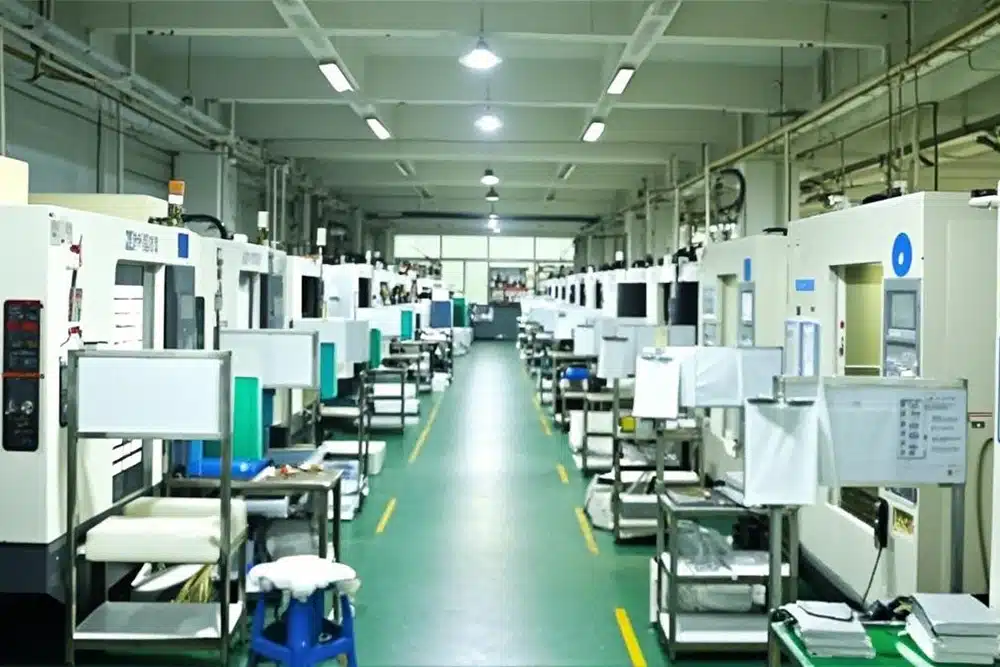
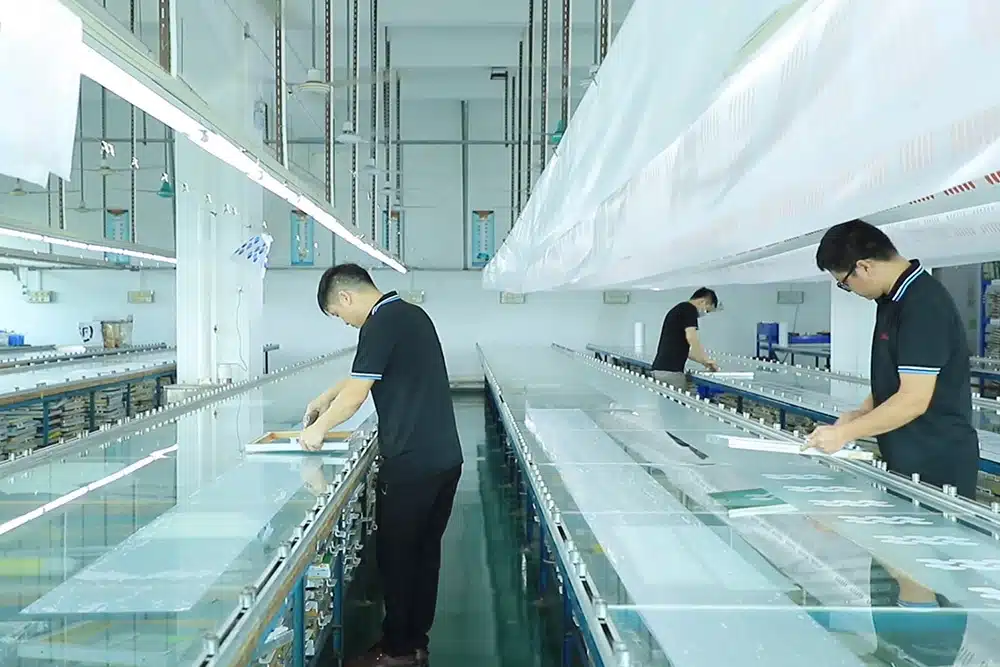
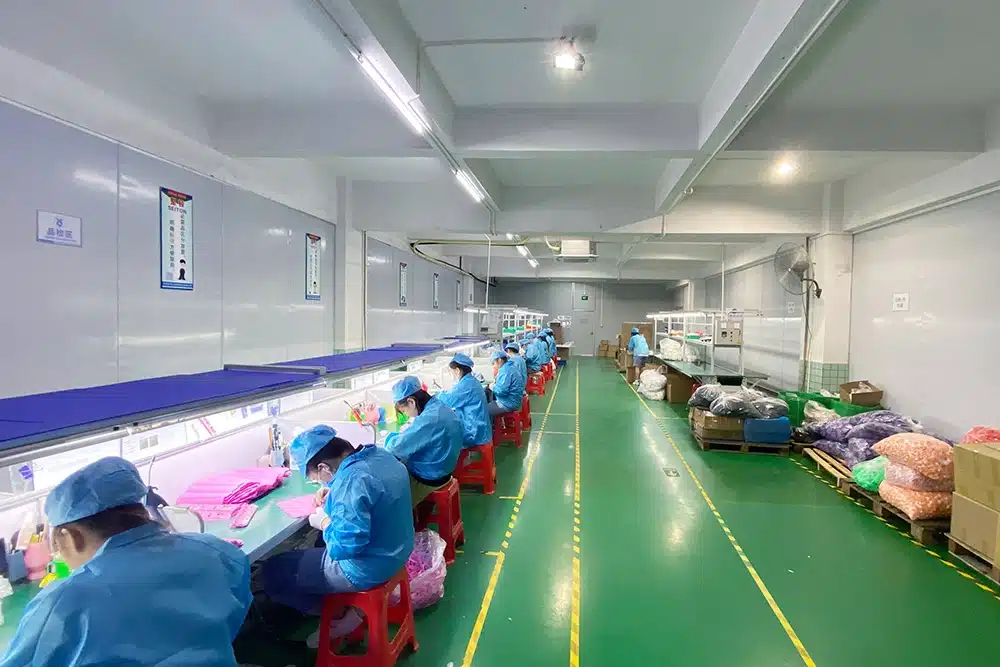
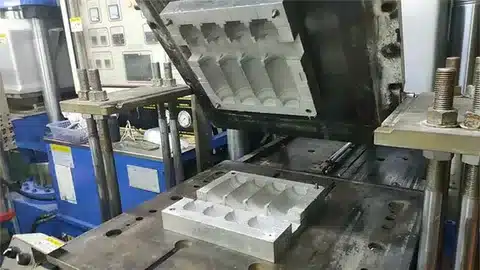
A qualified manufacturer can provide product design and structural development assistance, selection and optimization of silicone materials, recommendations on Shore hardness, wall thicknesses and cavity structure, mold fabrication, prototype and sample production, compression molding capability, co-injection equipment (when required), dust-free assembly and packing lines, raw material inspection, in-process quality control, final product testing, and surface finishing options (including silk screen printing, spray coating, oil finishing, and laser engraving). Then there’s the round of retail and private-label packaging support rounds off the picture.
| Manufacturer Capability | Why It Matters for Private Label Projects |
| Product Development Support | Helps turn brand ideas into manufacturable silicone mold products |
| Material Selection Support | Matches silicone grade, hardness, color, and application requirements |
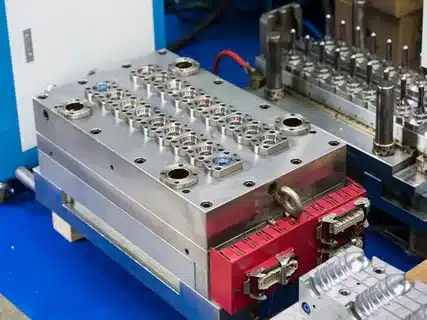
| In-House Tooling | Supports custom mold development, sample revisions, and repeat orders |
| Sample Development | Allows buyers to approve color, logo, hardness, packaging, and function |
| Branding Processes | Supports embossed, debossed, printed, engraved, or packaged branding |
| Packaging Capability | Helps prepare retail, ecommerce, or private-label presentation |
| Production Capacity | Supports MOQ, bulk orders, and repeat production |
| Quality Control System | Protects brand reputation through consistent inspection |
| Clean Assembly and Packaging | Important for consumer, food-contact, and retail products |
| Export Experience | Supports communication, documentation, and international delivery |
Final Buyer Checklist for Private Label Silicone Molds
Use this useful checklist to go through before confirming any order. It aids in detecting any missing components which may lead to delay or quality problems later.
| Checklist Question | Why It Matters |
| Is the product category clearly defined? | Helps select material, tooling, and packaging route |
| Is this an existing mold or new custom design? | Affects tooling cost, MOQ, and lead time |
| Is the material suitable for the application? | Prevents food-contact, heat, freezer, or durability problems |
| Is the Shore hardness confirmed? | Controls flexibility, support, and release |
| Is the brand color approved physically? | Prevents color mismatch in bulk production |
| Is the logo method confirmed? | Ensures branding is clear and practical |
| Is the packaging design ready? | Avoids delays and supports retail value |
| Are testing requirements confirmed? | Prevents late compliance or retailer issues |
| Is MOQ realistic for the launch plan? | Balances inventory risk and unit cost |
| Has a physical sample been approved? | Confirms real product quality before bulk production |
| Are QC standards agreed? | Protects consistency across branded products |
| Is repeat-order planning prepared? | Supports long-term brand consistency |
Conclusion — Private Label Success Depends on More Than a Logo
The unique and creative design of the silicone mold, coupled with customized packaging and professional manufacturing support, allows private label silicone molds to help brand owners and retailers offer differentiated silicone mold products. Optimal results can be achieved when product category, material grade, Shore hardness, colour, logo placement, packaging, testing, MOQ and quality control are synchronised at the beginning of the process.
Whether it’s existing molds, lightly modified designs or fully custom tooling, the options are available for private label to fit your brand and budget. With a reliable manufacturer, you can focus on selling, knowing that the manufacturer can handle the design review, materials optimization, sampling, production, QC, packaging, and communication in your export efforts. Dongguan HT Silicone & Rubber Co., Ltd. delivers complete support for private label silicone mold projects.If you can, keep the function, quality, brand and repeatability in sync, you’re creating a brand asset that’s going to add value to your customers for years and strengthen your brand.