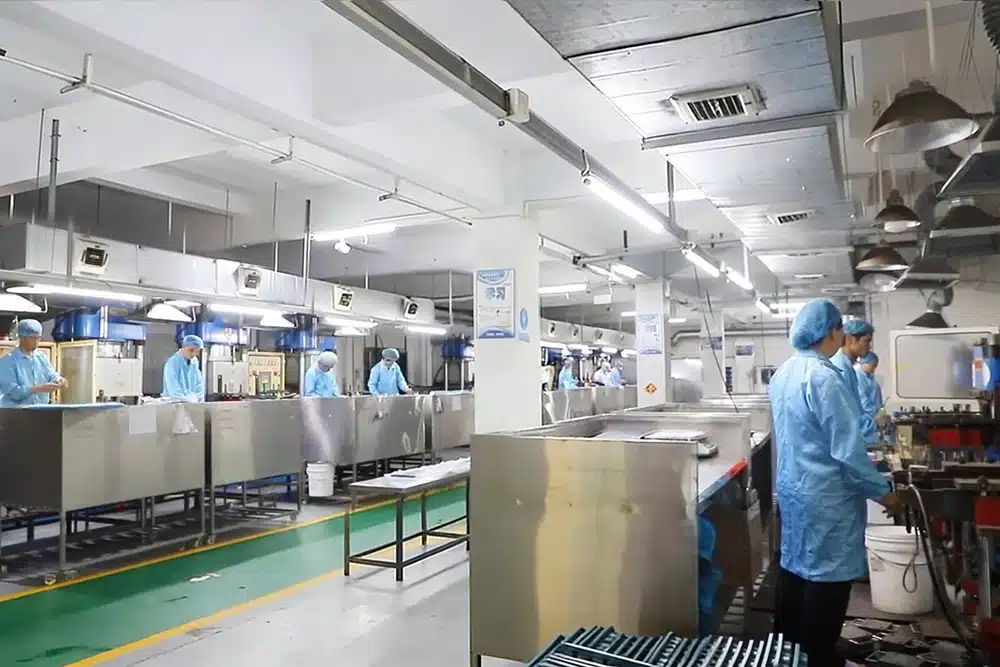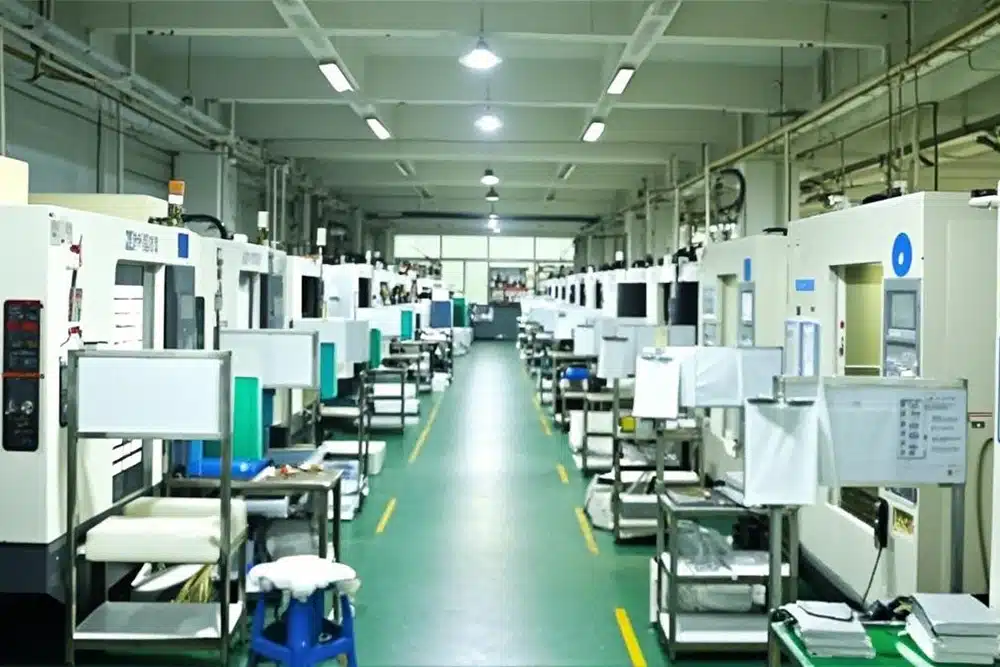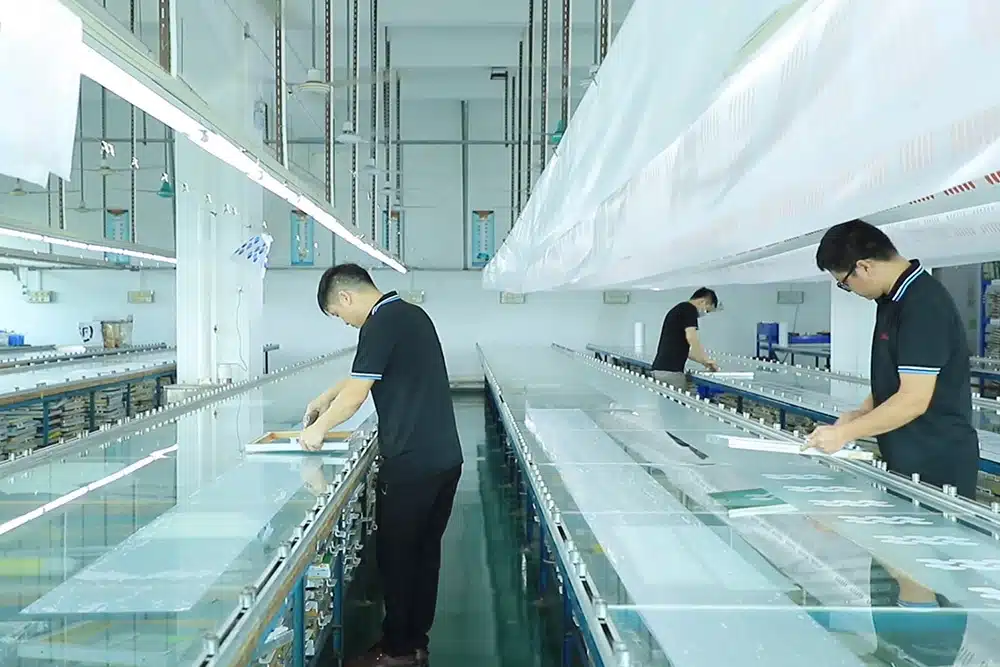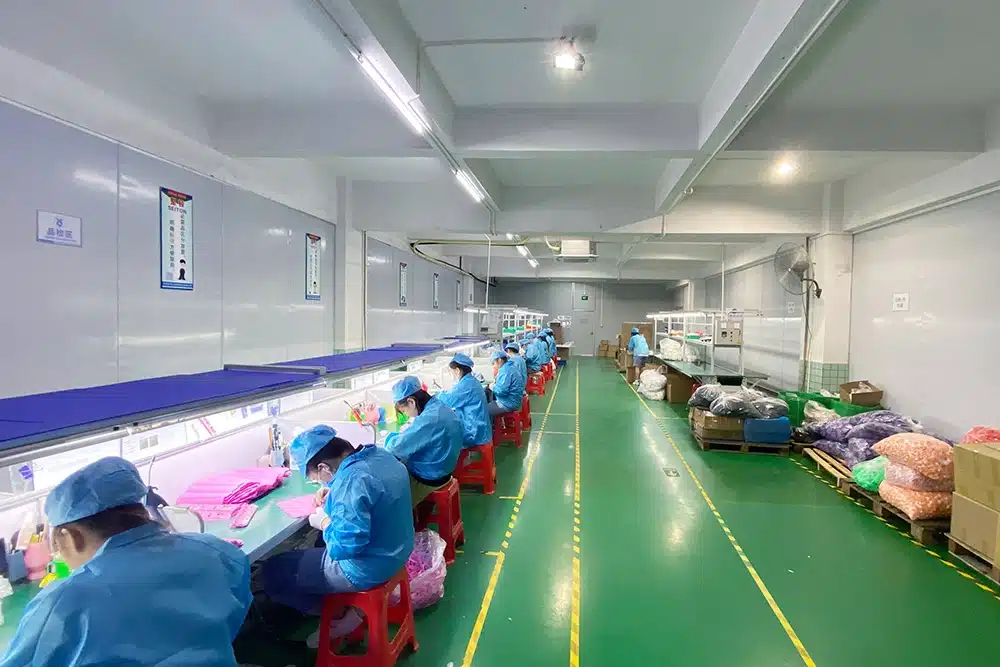

The silicone molding process is an organized OEM/ODM production process that begins with a review of the product requirements and ends with inspected, packaged products for the market. Creating silicone molds is a complex process that goes beyond just molding material; it’s a process of controlled production where every step from concept evaluation to quality checks guarantees dimensional accuracy, performance of material and consistency of production across thousands of units.
The silicone mold manufacturing is not simply pouring or pressing silicone into a shape, it is a complete system that depends on the design accuracy, silicone material selection, mold tooling precision, process control, silicon mold trimming, inspection, and packaging, etc., to ensure the consistency and performance of the finished products.Whilst many buyers believe that the silicone is the most important part of the product, there are a variety of other factors such as cavity layout, wall thickness, parting lines, curing parameters, inspection procedures etc. that also have an important role to play. Whether you are looking for a reliable custom silicone mold for baking molds, candy molds, soap molds, ice cube trays, beverage molds, or private label consumer products, it is helpful to understand these steps to avoid the time and expense of costly revisions.
How Are Silicone Molds Made? A Quick Process Overview
The silicone mold manufacturing process is systematic and sequential, which can transform ideas into finished products and marketable products with minimum risk. Candy, soap, ice, beverage, or do-it-yourself product manufacturers who are buyers hoping to make a successful bake or product will benefit from learning about silicone mold manufacturing, to help avoid tooling errors, sample revisions, production failures, and risks in bulk orders.
Here are some brief descriptions of the key stages:
| Process Stage | What Happens | Why It Matters |
| Requirement Review | Product use, size, quantity, target market, and packaging needs are discussed | Defines the project direction before design or tooling |
| Design Review | Drawings, samples, or reference images are evaluated | Helps identify structure, demolding, and manufacturability risks |
| Material Selection | Silicone grade, hardness, color, and performance needs are confirmed | Affects flexibility, safety, durability, odor, and cost |
| Mold Design | Cavity layout, parting line, wall thickness, and release direction are planned | Controls product consistency and production efficiency |
| Tooling Manufacturing | The mold is machined according to approved design data | Determines dimensional accuracy and repeatability |
| Sample production | First samples are molded for review and testing | Allows buyers to confirm function, color, logo, and packaging |
| Mass Production | Approved products are produced in batches | Supports stable bulk supply |
| Trimming and Finishing | Excess material is removed and surface details are refined | Improves appearance, usability, and branding |
| Quality Inspection | Appearance, dimensions, hardness, color, and packaging are checked | Helps prevent defects from reaching customers |
| Packaging | Products are packed for bulk, retail, or ecommerce needs | Protects products and supports brand presentation |

Every stage is dependent on the other, so that custom silicone molds can be made to exact specifications before scaling up into mass production.
Step 1: Requirement Review and Product Feasibility Check
The initial stage of any silicone mold project is a thorough requirement review which is often hurried and results in delays or redesigns later in the process. When you communicate from the beginning, you help to establish expectations with your manufacturer on all the practical details.
Some parameters to be checked are the product application, the size, the layout of the cavities, the requirements for food contact or not, the temperature performance (baking, freezing), the Shore Hardness, the color and the logo, the packaging type, the expected order quantity, the regulations in the target market, the testing and/or documentation requirements, and the lead time expectation.
| Requirement to Review | Why It Matters |
| Product Application | Determines material, hardness, structure, and testing needs |
| Product Size | Affects tooling size, silicone usage, packaging, and cost |
| Cavity Layout | Influences production efficiency and user experience |
| Material Requirement | Helps select suitable silicone grade and curing system |
| Temperature Requirement | Important for baking, freezer, or high-temperature applications |
| Hardness Requirement | Affects flexibility, support, release, and product feel |
| Color Requirement | Supports brand identity and sample approval |
| Logo Requirement | Affects tooling, surface detail, and branding clarity |
| Packaging Style | Impacts retail presentation, shipping volume, and unit cost |
| Order Quantity | Helps evaluate tooling investment, MOQ, and production planning |
| Target Market | May affect testing, documentation, or retailer expectations |
The downtime here helps to avoid problems further down the road in the silicone mold production process and help establish a great foundation for the rest of the process.
Step 2: Product Design and Engineering Review
Properly designing a product and conducting an engineering review prior to any tooling work is critical to good silicone mold manufacturing. This will identify issues early on, saving time and money in the process.
Engineers review 2D drawings, 3D CAD products, actual items or reference pictures to determine the manufacturability. These are just a handful of the most important points to consider: wall thickness, parting line placement, demolding direction, surface texture, logo positioning, and how the design will fit intended packaging.
| Design Element | What Engineers Review |
| Overall Shape | Whether the product can be molded and demolded smoothly |
| Wall Thickness | Whether the product will have enough flexibility and support |
| Cavity Depth | Whether finished items can be released easily |
| Corner Radius | Whether sharp corners may cause tearing or difficult cleaning |
| Parting Line | Where the mold opens and how it may affect appearance |
| Logo Position | Whether branding can remain clear after molding |
| Surface Texture | Whether texture affects release, cleaning, or tooling difficulty |
| Product Size | Whether the design fits tooling, production, and packaging needs |
| CAD Accuracy | Whether dimensions are complete enough for tooling development |
By undergoing this review, the ultimate custom silicone molds will be assured of functioning effectively in actual applications.
Step 3: Silicone Material Selection
All of these silicone material properties directly influence the product safety, flexibility, odor, temperature resistance, durability, color consistency and overall production cost. It is crucial to make the correct selection of compound at this stage to satisfy functional and regulatory requirements.
These usually come in food-grade silicone, used for baking, candy, ice and kitchenware products; general-purpose silicone, used for soap, craft, gift and non-food applications; platinum-cured silicone, used when low odour and/or high purity of the product is required; peroxide-cured silicone, used for many standard molded products; and high-temperature silicone, used in baking or heat-related applications. The hardness of the shore, the presence of pigments and target-market testing specifications are also verified here.
| Material Decision | Why It Matters |
| Silicone Grade | Determines whether the material fits the product application |
| Curing System | May affect odor, appearance, and performance expectations |
| Shore Hardness | Influences flexibility, support, demolding, and user feel |
| Temperature Range | Important for baking, freezer, or heat-related products |
| Pigments | Affect color consistency and suitability for intended use |
| Odor Control | Should be reviewed during sample approval |
| Durability | Affects repeated use and long-term customer satisfaction |
| Testing Requirements | May apply depending on target market or retailer expectations |

Prior to the full production, a sample run is done to make sure that the selected material will meet the desired performance.
Step 4: Mold Design and Tooling Development
When it comes to silicone mold manufacturing, tooling is one of the most crucial processes as it can affect repeatability, appearance and the efficiency of the tooling through the production process. After the design and material are finalized, the mold itself is designed and machine-made.
The mold structure, the cavity arrangement, the parting line design, venting, material flow, the demolding direction, multi-cavity processing for high output and the overall tooling accuracy are all important factors to consider. Tooling can be prototype or production molds, as required to be used for initial validation or for repeat production orders, respectively.
| Tooling Factor | Why It Matters |
| Mold Structure | Determines how the mold opens, closes, fills, and releases products |
| Cavity Layout | Affects production output, cost, and product consistency |
| Parting Line | Influences appearance, flash control, and trimming needs |
| Venting Design | Helps reduce trapped air and incomplete molding |
| Demolding Direction | Reduces tearing, deformation, and release difficulty |
| Tooling Precision | Supports dimensional accuracy and repeatability |
| Multi-Cavity Design | Improves production efficiency for bulk orders |
| Tooling Material | Affects mold durability and long-term stability |
| Mold Maintenance | Helps maintain consistent quality during repeat production |
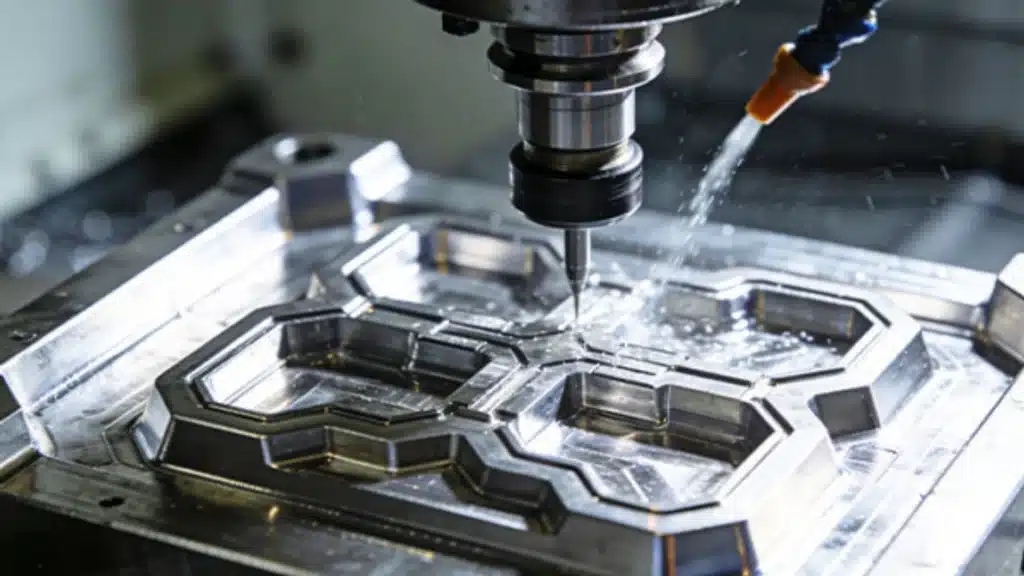
This is a very important step which is a very expensive step for experienced manufacturers to ensure that they can provide very accurate and durable molds.
Step 5: Sample Production and Testing
Samples are crucial because they are used to determine if the design, material, tooling, colour, logo and function are all successful before mass production is undertaken. The project is only taken forward when buyer approves.
First article samples are checked for dimensions, appearance, colour matching (usually by Pantone swatches), hardness, logo clarity, demoulding performance and for application-specific tests like baking, freezing, or release properties. Packaging fit also is verified.
| Sample Check Item | What Buyers Should Review |
| Dimensions | Confirm size, cavity depth, and overall product fit |
| Appearance | Check surface finish, flash, stains, bubbles, and deformation |
| Color | Compare sample color with approved Pantone or reference sample |
| Hardness | Confirm flexibility, support, and release feel |
| Logo Detail | Review clarity, position, depth, and consistency |
| Demolding | Test whether the product releases smoothly |
| Application Use | Test baking, freezing, soap release, candy release, or DIY use where relevant |
| Packaging Fit | Confirm the product works with planned retail or bulk packaging |
| Final Approval | Lock specifications before mass production starts |
This is to prevent any unpleasant shock and guarantees a successful final product with custom silicone molds that matches expectations.
Step 6: Mass Production by Silicone Molding
Mass production is only possible once the samples are approved and the production specifications have been confirmed. This is where the emphasis moves to consistency, efficiency and traceability of each batch.
They consist of raw material preparation, careful color compounding, controlled compression molding (or, in case of multi-color or complex designs, co-injection of silicone), temperature and curing time optimization, and careful demolding and in-process checks.
| Production Factor | Why It Matters |
| Raw Material Preparation | Ensures the correct silicone compound is used |
| Color Preparation | Helps maintain color consistency across batches |
| Molding Process Control | Affects shape, curing, appearance, and performance |
| Compression Molding | Common method for producing many silicone mold products |
| Co-Injection Molding | Useful for certain multi-color or integrated silicone designs where applicable |
| Curing Control | Helps stabilize material performance and reduce defects |
| Demolding | Must be controlled to avoid tearing, deformation, or surface damage |
| Batch Management | Supports traceability and production consistency |
| In-Process Inspection | Catches problems before final inspection |
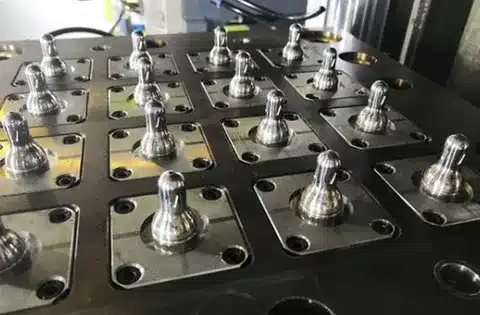
In this stage, proper process management ensures consistent supply to commercial or retail outlets.
Step 7: Trimming, Finishing and Branding
Silicone molds may need to be post molded to get a nice, professional look, and to fit in branding. These tasks are used to refine a product and make them ready for the market.
These operations include; flash trimming, edge finishing, surface cleaning, logo inspection, embossing/debossing, silk screen, spray coating/or oil finishing, and any assembly of lids or accessories where necessary.
| Finishing Step | Purpose |
| Flash Trimming | Removes excess silicone from parting lines or edges |
| Edge Finishing | Improves appearance and user handling |
| Surface Cleaning | Removes dust or handling marks before packaging |
| Logo Inspection | Confirms branding clarity and position |
| Embossing / Debossing | Creates molded logo or pattern details |
| Silk Screen Printing | Adds surface branding where suitable |
| Laser Engraving | Supports certain marking or detail requirements |
| Assembly | Adds lids, inserts, accessories, or packaging components where needed |
| Packaging Preparation | Ensures products are ready for retail, bulk, or ecommerce packing |
These steps make it more accessible and useful and of value to the brand.
Step 8: Quality Control Before Shipment
The quality control process for silicone mold manufacturing involves raw material quality, in-process controls, final product quality, and packaging. Thorough inspection safeguards the reputation of the brand and helps to ensure that all shipments adhere to agreed standards.
These checks include raw material verification, dimensional accuracy, hardness test, colour comparison, appearance inspection, flash and surface defect review, appearance of the logo, functional release test, heat or freezer performance (where applicable), packaging integrity and batch consistency.
| Quality Control Point | What It Helps Prevent |
| Raw Material Check | Wrong material or unstable performance |
| Dimension Inspection | Incorrect cavity size, poor fit, or packaging mismatch |
| Hardness Test | Products that feel too soft, too stiff, or inconsistent |
| Color Comparison | Color variation between sample and bulk order |
| Appearance Inspection | Flash, stains, bubbles, deformation, or surface defects |
| Logo Inspection | Unclear, misplaced, or inconsistent branding |
| Functional Test | Poor demolding, weak support, or use-related problems |
| Heat / Freezer Test | Performance issues under intended use conditions |
| Packaging Inspection | Label errors, poor presentation, or shipment damage risk |
| Batch Consistency Check | Variation between production lots |
Only products which meet all checkpoints are approved for shipment.
Common Defects in Silicone Mold Manufacturing
Most of the common problems occurring with silicone molds can be avoided by using proper design, proper tooling, proper processing conditions and thorough inspection. Identifying early problems will enable a buyer to function well with the manufacturer.
Common issues are flash, air bubbles, stains, deformation, incomplete molding, color variation, unclear logo, hardness problems, poor release issues, odor problems, packaging defects.
| Common Defect | Possible Cause | Prevention Method |
| Flash | Parting line or mold fit issue | Improve tooling precision and trimming control |
| Bubbles | Trapped air or process instability | Review venting, material handling, and molding parameters |
| Deformation | Poor wall thickness or handling | Optimize structure and control demolding |
| Color Variation | Inconsistent pigment or mixing | Use controlled color matching and batch checks |
| Unclear Logo | Logo too small, shallow, or poorly positioned | Review logo design before tooling |
| Incorrect Hardness | Wrong material or batch inconsistency | Confirm Shore hardness during QC |
| Poor Release | Cavity too deep, sharp, or stiff | Improve radius, hardness, and sample testing |
| Odor Issue | Material or curing-related issue | Review material selection and post-curing if needed |
| Packaging Defects | Poor handling or incorrect packing | Inspect packaging before shipment |
These can be avoided with proactive measures, which will result in smoother production runs.
What Buyers Should Prepare Before Manufacturing Starts
Having accurate and comprehensive information from the buyer makes feasibility review, quoting more accurate, tooling planning easier and project scheduling more efficient. The entire silicone mold manufacturing process is easier to prepare the correct documents in advance.
Some basic elements are product application, 2D product drawings or 3D CAD files, reference photos or samples, exact dimensions, desired cavity layout, property of silicone material, hardness requirements, color specifications, logo art, packaging style, estimated quantities, target market information, any testing or documentation requirements, and project timeline.
| Information to Prepare | Why It Helps |
| Product Application | Determines material, hardness, structure, and testing needs |
| 3D CAD File | Helps engineers evaluate geometry and tooling feasibility |
| 2D Drawing | Defines dimensions, tolerances, and technical notes |
| Existing Sample | Helps match size, feel, flexibility, and user experience |
| Reference Image | Helps communicate concept when technical files are not available |
| Cavity Layout | Affects tooling, production efficiency, and cost |
| Material Requirement | Helps select suitable silicone compound |
| Hardness Preference | Helps balance flexibility, support, and release |
| Color Requirement | Supports Pantone or sample-based color matching |
| Logo Artwork | Helps evaluate embossing, debossing, or printing feasibility |
| Packaging Style | Helps calculate cost and retail presentation |
| Estimated Quantity | Helps evaluate MOQ, tooling cost, and production planning |
| Target Market | Helps assess testing, documentation, or retailer expectations |
Faster quotes and fewer revisions are the result of well-prepared briefs.
How to Evaluate a Silicone Mold Manufacturer
When choosing a silicone mold manufacturer, buyers need to consider the entire process capability of the silicone mold, not just product photos or prices per unit. A competent partner is the one that exhibits robust engineering assistance, internal quality management and quality systems.
Experience in product design and structural development, silicone material selection and optimization, mold design and manufacturing of tools, prototype and sample production, compression molding, co-injection molding equipment (where applicable), mold manufacturing workshop, assembly and packaging lines, a dust-free production environment, silk screen printing, spray coating and oil finishing, laser engraving, raw material inspection, in-process quality control, final product testing, and proven export experience.
| Manufacturer Capability | Why It Matters |
| Design Review Support | Helps identify manufacturability risks before tooling |
| Material Selection Knowledge | Ensures silicone material matches product use and target market |
| In-House Mold Tooling | Improves control over mold precision, communication, and lead time |
| Sample Development | Allows buyers to test function, appearance, color, logo, and packaging |
| Molding Equipment | Supports stable production for different mold designs and quantities |
| Finishing Capability | Helps complete trimming, branding, surface treatment, and assembly |
| Clean Assembly & Packaging | Supports better handling for consumer and food-related products |
| Quality Control System | Reduces defect risk during mass production |
| Export Experience | Supports communication, documentation, and international delivery needs |
These are qualities that set apart a reliable partner from an assembler or outsourcer.
Common Misunderstandings About Silicone Mold Production
There are many common misconceptions and issues that can arise when acquiring a custom silicone mold, and this can cause either unrealistic expectations or disappointing results. These questions are answered to help buyers make informed decisions.
- “Silicone molds are simple to make.” Design review, material control, tooling, molding and QC are important factors that can lead to good results.
- “Material decides everything.” Other factors that impact final quality are tooling, structure, process control, and inspection.
- “If the sample is good, mass production is guaranteed.” Process control and batch inspection are still needed for bulk production.
- “Color will be verified after the fact.” Colors must be approved prior to mass production.
- The packaging does not form part of product development. Packaging impacts the cost, product fit, shipping, and retail presentation.
- The cheapest quote is always the best. Carefully review the scope of material, tooling, sampling, QC, and packaging.
When you are aware of these facts, your projects will run more smoothly and result in a better outcome.
Conclusion — Silicone Mold Manufacturing Is a Complete Production System
While silicone molds might seem simple on the surface, they require a comprehensive production system to ensure reliable results. All of these stages from requirement review to design, material selection, mold tooling, sample testing, mass production, trimming, inspection, and packaging ensure the quality and consistency of the final product.
Candy molds, soap molds, ice cube trays, beverage molds, and private label silicone products are examples of molds that are developed by buyers for their own use and therefore the risk of buying the wrong mold is reduced if the buyer knows how silicone molds are made and can make a better sourcing decision. Better partnerships and more successful results are possible by clarifying project information and assessing a manufacturer’s complete engineering, tooling, production, finishing and quality control capabilities.