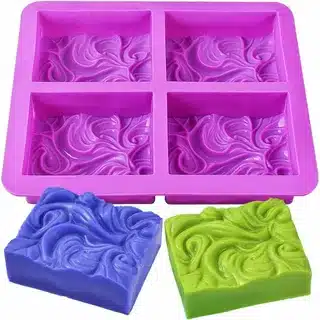

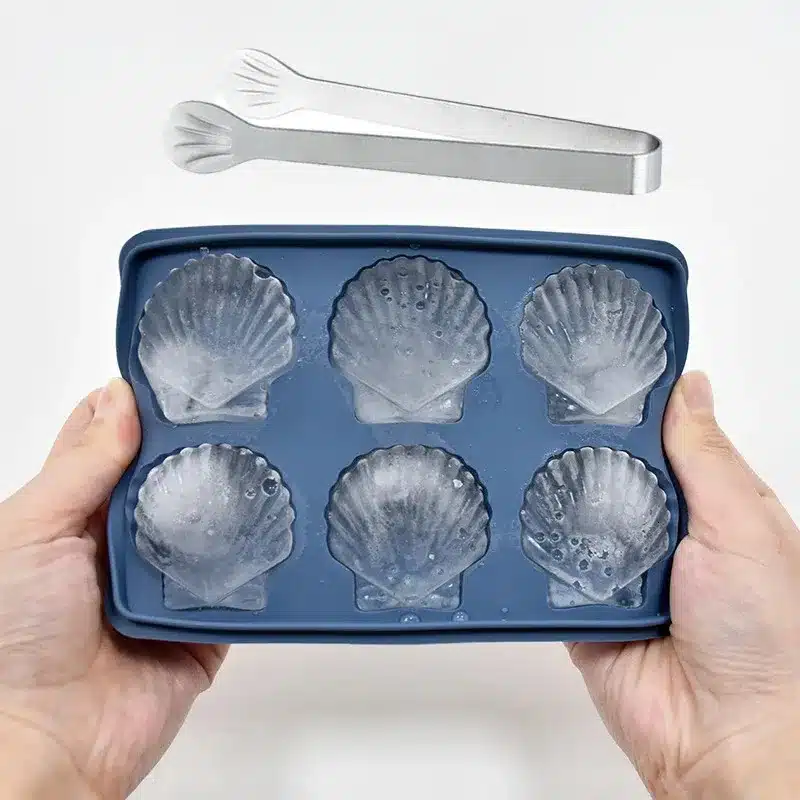
Custom silicone ice cube trays and beverage molds are silicone molded items designed to specific buyer requirements such as ice shape, cavity dimensions and layout, silicone hardness, color, lid design, logo details, packaging, and volume production requirements. They are designed for drinkware manufacturers, barware manufacturers, kitchenware manufacturers, and private label sellers who want to produce ice cubes, whiskey ice balls, cocktail accessories, popsicles, frozen desserts, and complete drinkware mold sets.
Custom silicone ice cube trays and beverage molds should be considered as a functional, freezer-ready food contact mold and not just as pretty shapes. Care must be taken to balance the suitability of the food-grade material, low-temperature flexibility, cavity accuracy, easy release properties, lid fit, durability, cleanability and an appealing retail presentation. While many customers may be attracted to the unique ice shapes and colours first, other important factors such as cavity depth, corner radii, wall thickness, hardness, rim strength, and demoulding direction can all make a big difference in the satisfaction of real-world users and product performance over time.
What Are Custom Silicone Ice Cube Trays and Beverage Molds?
A custom silicone ice cube tray or beverage mold is a precision engineered silicone product that is designed and manufactured to specific requirements and needs and not based on a pre-existing mold. Our expertise in custom silicone molds allows complete control over every aspect of the design to reflect brand identity, functionality, and target market expectations. As opposed to standard trays that can be found in retail stores, custom trays enable a complete level of control to be exercised over every aspect of the design to reflect brand identity, functionality and the expectations of the target market.
Custom silicone ice cube trays can help brands create unique ice shapes, flexible release, brand colors, lid options, and scalable OEM production, custom silicone ice cube trays can support distinctive ice shapes, flexible release, brand colors, lid options, and scalable OEM production.
| Item | Explanation |
| Product Type | Custom molded silicone tools used to form ice cubes, ice balls, frozen desserts, popsicles, and beverage accessories |
| Common Products | Ice cube trays, whiskey ice ball molds, cocktail ice molds, popsicle molds, frozen dessert molds, beverage mold sets |
| Material Focus | Food-contact silicone, freezer flexibility, hardness, durability, odor control, color stability, and release performance |
| Custom Options | Cavity shape, cavity size, layout, color, hardness, lid design, logo, packaging, and product set design |
| Typical Buyers | Drinkware brands, barware brands, importers, wholesalers, retailers, ecommerce sellers, and OEM/ODM buyers |

Why Silicone Is Used for Ice Cube Trays and Beverage Molds
Because silicone possesses exceptional flexibility, durability and easy-to-use qualities, which are difficult to match with plastic or other materials in the freezer, silicone is the material of choice for ice cube trays and beverage molds.
| Silicone Property | Practical Benefit for Ice and Beverage Molds |
| Freezer Flexibility | Helps users twist or push out ice without cracking the tray |
| Easy Release | Improves removal of ice cubes, ice balls, popsicles, or frozen desserts |
| Shape Memory | Helps the tray return to its original shape after bending |
| Design Freedom | Supports cubes, spheres, diamonds, logos, characters, and cocktail ice shapes |
| Reusability | Supports repeated household, barware, and retail use |
| Soft Handling | Makes molds easier to bend, hold, clean, and store |
| Color Customization | Supports brand colors, seasonal collections, and private-label product lines |
| Food-Contact Material Options | Supports beverage-related use when material and testing requirements are confirmed |
Common Types of Custom Silicone Ice and Beverage Molds
The beginning of a successful mold design is familiarizing oneself with the actual beverage or kitchen application, the target users, packaging considerations, and sales outlets to end up with a product that performs well and will be profitable. This is especially relevant for custom silicone kitchenware applications such as ice cube trays, popsicle molds, and frozen dessert tools.
| Mold Type | Common Use | Key Design Focus |
| Ice Cube Trays | Daily beverage cooling and kitchen use | Easy release, cavity consistency, lid fit |
| Whiskey Ice Ball Molds | Whiskey, cocktails, and barware gifts | Round shape accuracy, sealing, easy removal |
| Large Cocktail Ice Molds | Bars, home cocktails, premium drinkware | Slow-melting size, structure support, packaging |
| Diamond Ice Molds | Decorative drinks and gift sets | Fine shape detail and demolding performance |
| Logo Ice Molds | Branded beverages or promotional products | Logo clarity and cavity precision |
| Popsicle Molds | Frozen desserts and kids’ products | Handle design, lid fit, cleaning, and safety |
| Bottle Ice Stick Molds | Water bottles and sports bottles | Slim cavity design and easy release |
| Ice Shot Glass Molds | Party and novelty products | Wall thickness, shape support, and release |
| Frozen Dessert Molds | Yogurt, juice, or fruit-based frozen treats | Food-contact material and user-friendly design |
| Private-Label Sets | Retail and ecommerce barware bundles | Packaging, color consistency, and SKU planning |

Design Factors Buyers Should Confirm Before Tooling
To ensure the successful use of the mold in the production process, various factors related to design should be considered before buying mold tools, such as usability, feasibility of the production process, release performance of the mold, ease of cleaning, and compatibility with packaging.
| Design Factor | Why It Matters |
| Ice Shape and Size | Defines product function, melting speed, visual appeal, and market positioning |
| Cavity Number | Affects user value, tray size, tooling cost, and packaging |
| Cavity Depth | Influences release performance and freezing result |
| Corner Radius | Helps reduce tearing risk and improves demolding |
| Wall Thickness | Affects flexibility, durability, silicone usage, and cost |
| Tray Rim Structure | Improves handling and helps the tray keep its shape |
| Bottom Push Design | Helps users remove frozen cubes more easily |
| Lid Design and Fit | Helps reduce spills, odor transfer, and stacking issues |
| Grip Area | Improves user handling when the tray is wet or frozen |
| Logo or Texture Placement | Supports branding without interfering with ice release |
| Packaging Fit | Ensures the finished product works with retail boxes, labels, or ecommerce packaging |
How to Choose Silicone Materials for Freezer and Beverage Use
One of the most crucial decisions will be the selection of material – which will affect food contact compliance, low-temperature performance, potential odour problems, colour stability, durability and market acceptance. Choosing the right food-grade silicone is essential for molds that contact ice, beverages, popsicles, or frozen desserts.nce.
| Material Factor | Buyer Consideration |
| Food-Contact Suitability | Important for molds that contact ice, beverages, popsicles, or frozen desserts |
| Freezer Flexibility | Ensures the tray remains usable after low-temperature storage |
| Curing System | May affect odor, appearance, and performance expectations |
| Silicone Hardness | Influences flexibility, support, and easy release |
| Pigments | Should match intended use and color requirements |
| Odor Control | Important because freezer products may absorb or transfer odors if not properly controlled |
| Temperature Range | Must match actual use, such as freezing or room-temperature handling |
| Target Market | May require FDA, LFGB, or retailer-specific documentation |
| Finished Product Testing | May be needed for importers, retailers, or brand owners |
Hardness, Wall Thickness and Easy Release Performance
It is important to have an optimum flexibility to easily release the ice while ensuring the required structural strength to retain shape during filling, freezing and handling for user satisfaction.
| Factor | Potential Problem If Not Controlled | Better Approach |
| Silicone Hardness | Tray may feel too soft to carry or too stiff to release ice easily | Confirm hardness with physical samples and freezer tests |
| Wall Thickness | Thin walls may deform; overly thick walls may reduce flexibility and increase cost | Balance durability, support, and release performance |
| Cavity Depth | Deep cavities may make ice difficult to remove | Use release-friendly depth, radius, and push design |
| Tray Rim | Weak rim may bend when filled with water | Add support structure for better handling |
| Lid Fit | Loose lids may leak or fall off; tight lids may be hard to use | Test lid fit with filled trays and freezer use |
| Bottom Design | Flat bottoms may make release harder | Consider push-up or flexible bottom structures |
| Surface Texture | Fine texture may trap water or make cleaning harder | Keep surfaces practical for cleaning and release |
Lid, Packaging and User Experience Considerations
Packaging features and user experience are just some of the aspects that can make or break a product’s success in retail or ecommerce settings and its feedback score.
| Feature | Why It Matters for Buyers |
| Lid Fit | Helps reduce spills and supports better freezer storage |
| Stackability | Improves user convenience and retail product value |
| Easy Filling | Reduces user frustration and improves product reviews |
| Easy Cleaning | Important for repeated beverage and food-contact use |
| Tray Storage | Affects household convenience and packaging size |
| Product Set Design | Supports bundle value, gift sets, and ecommerce listings |
| Private-Label Packaging | Helps brands prepare retail-ready or online-ready products |
| User Instructions | Helps reduce misuse and improve customer experience |
Logo, Color and Branding Options for Beverage Mold Products
Branding elements should be integrated into the development process at an early stage as they have an impact on the design of the tools, materials to be used and the value of the finished product for the customer.
| Branding Option | Best Use | Buyer Note |
| Embossed Logo | Raised brand detail on the tray or lid | Needs enough size and depth for clear visibility |
| Debossed Logo | Subtle recessed brand detail | Useful for simple brand identity |
| Cavity Logo | Branded ice or promotional beverage products | Must be tested for release and detail clarity |
| Lid Branding | Product sets with lids or covers | Requires review of lid material and structure |
| Pantone Color Matching | Brand identity or product collections | Physical sample approval is recommended |
| Seasonal Colors | Holiday drinkware or barware gift products | Useful for retail and promotional sales |
| Printed Branding | Surface or packaging-related identity | Suitability depends on use and durability needs |
| Private-Label Packaging | Retail and ecommerce sales | Should be planned together with tray size and set configuration |
OEM Manufacturing Process for Silicone Ice Cube Trays
Custom silicone ice cube trays are made based on an OEM/ODM silicone manufacturing process, which guarantees that the design is realized in a manner that is consistent and high-quality with manufacture in large quantities.
| Process Step | What Happens | Why It Matters |
| Requirement Review | Product use, tray type, target market, quantity, and packaging needs are reviewed | Helps define material, tooling, lid, and cost direction |
| Design Review | Engineers check cavity shape, wall thickness, lid fit, logo, and release needs | Reduces tooling changes and production risks |
| Material Selection | Silicone grade, hardness, color, and performance requirements are confirmed | Affects flexibility, odor, durability, and release performance |
| Mold Design | Cavity structure, parting line, and production layout are planned | Determines detail accuracy and molding efficiency |
| Tooling Manufacturing | A production mold is built based on the approved design | Controls shape accuracy and repeatability |
| Sample Production | First samples are molded for review and testing | Allows buyers to confirm function and appearance |
| Freezer Testing | Samples are tested for low-temperature flexibility and release performance where needed | Helps confirm actual use performance |
| Sample Approval | Buyer checks color, hardness, release, lid fit, logo, and packaging | Prevents bulk production errors |
| Mass Production | Approved products are produced in batches | Supports consistent bulk supply |
| Inspection | Appearance, dimensions, hardness, cavity detail, lid fit, and packaging are checked | Helps reduce defects and customer complaints |
| Packaging | Products are packed for bulk, retail, or ecommerce needs | Supports brand presentation and shipment protection |
Quality Control Points for Ice Cube Trays and Beverage Molds
Promoting consistent quality of silicone beverage molds can only be done systemically through all the stages of manufacture, beginning with raw materials right up to and including the finished and packaged product. Our comprehensive quality control system covers critical checks such as hardness, lid fit, cavity detail, and freezer performance.ged product.
| Quality Control Point | What It Helps Prevent |
| Raw Material Inspection | Wrong material or unstable performance |
| Color Check | Color difference between sample and bulk order |
| Odor Review | Unpleasant odor that affects beverage-related products |
| Hardness Test | Products that feel too soft, too stiff, or inconsistent |
| Dimension Check | Cavity inconsistency, poor lid fit, or packaging mismatch |
| Lid Fit Check | Loose lids, leakage concerns, or poor stacking experience |
| Cavity Detail Check | Unclear patterns, weak logo detail, or inconsistent ice shapes |
| Wall Thickness Check | Weak structure, deformation, or poor handling |
| Appearance Inspection | Flash, stains, bubbles, deformation, or surface defects |
| Release Test | Ice sticking or breaking during removal |
| Freezer Test | Poor flexibility or cracking concerns under intended use |
| Packaging Inspection | Label errors, poor presentation, or shipment damage risk |
Bulk Ordering Guide for Custom Silicone Ice Cube Trays
To prevent any unexpected costs or delays, clear communication between both technical and commercial specifications are important in successful bulk orders for custom silicone ice cube trays.
| Bulk Order Factor | Why It Affects the Project |
| MOQ | Determines whether the project is suitable for custom tooling |
| Tooling Cost | Covers mold development and affects total startup cost |
| Unit Price | Influenced by size, weight, material, complexity, lid design, and quantity |
| Cavity Number | Affects user value, production efficiency, and mold cost |
| Lid Design | May affect tooling, assembly, packaging, and user experience |
| Material Grade | Affects flexibility, odor, durability, and cost |
| Logo or Pattern | Impacts tooling, cavity detail, and brand presentation |
| Color Matching | Requires sample confirmation before bulk production |
| Packaging Style | Affects retail readiness, shipping volume, and final cost |
| Lead Time | Includes design review, tooling, sampling, approval, and production |
What Buyers Should Prepare Before Requesting a Quote
It helps companies to provide accurate quotes in a timely manner and minimize the back-and-forth process when developing a project.
| Information to Prepare | Why It Helps |
| Product Type | Helps identify beverage mold application and design requirements |
| Tray Dimensions | Supports tooling and material cost calculation |
| Ice Shape and Size | Helps confirm cavity size, depth, and user experience |
| Cavity Number | Affects production efficiency, user value, and mold cost |
| Lid Requirement | Helps evaluate tooling, assembly, packaging, and usability |
| Drawing or Sample | Helps engineers evaluate feasibility and detail accuracy |
| Reference Image | Helps communicate concept when CAD files are not available |
| Material Requirement | Helps select suitable food-contact silicone |
| Hardness Preference | Helps balance flexibility, support, and release |
| Color Requirement | Supports Pantone or sample-based color matching |
| Logo or Pattern Artwork | Helps evaluate embossing, debossing, or cavity detail feasibility |
| Packaging Style | Helps calculate cost and retail presentation |
| Estimated Quantity | Helps evaluate MOQ, tooling cost, and unit price |
| Target Market | Helps assess documentation, labeling, or retailer expectations |
Common Mistakes When Ordering Custom Silicone Ice Cube Trays
By steering clear of the pitfalls in the sourcing and development process, you can make better production runs and better experiences for the end user, with your custom silicone ice cube trays.
| Common Mistake | Better Approach |
| Focusing only on visual ice shape | Evaluate release, flexibility, wall thickness, and cleaning |
| Making cavities too deep | Use release-friendly cavity depth, radius, and push design |
| Choosing overly stiff silicone | Test hardness with frozen release conditions |
| Using walls that are too thin | Balance flexibility, durability, and handling strength |
| Ignoring lid fit | Test lid function with filled trays and freezer use |
| Ignoring odor | Review odor during sample approval |
| Skipping color samples | Approve physical color before mass production |
| Not testing samples | Test freezing, release, lid fit, cleaning, and packaging fit |
| Delaying packaging decisions | Plan packaging before tooling and bulk production |
| Choosing only by price | Evaluate tooling, material, QC, and production stability |
How to Choose a Silicone Ice Cube Tray Manufacturer
When choosing a manufacturing partner, it is important to consider their overall capability to support you in the design process, tooling, repeatability and quality systems, not just the costs.
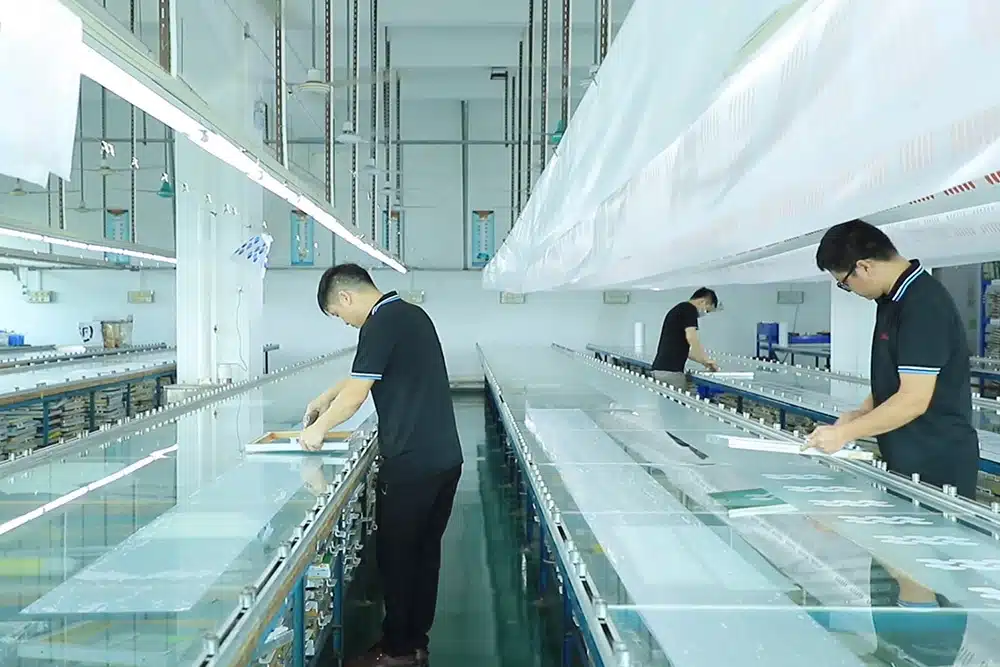
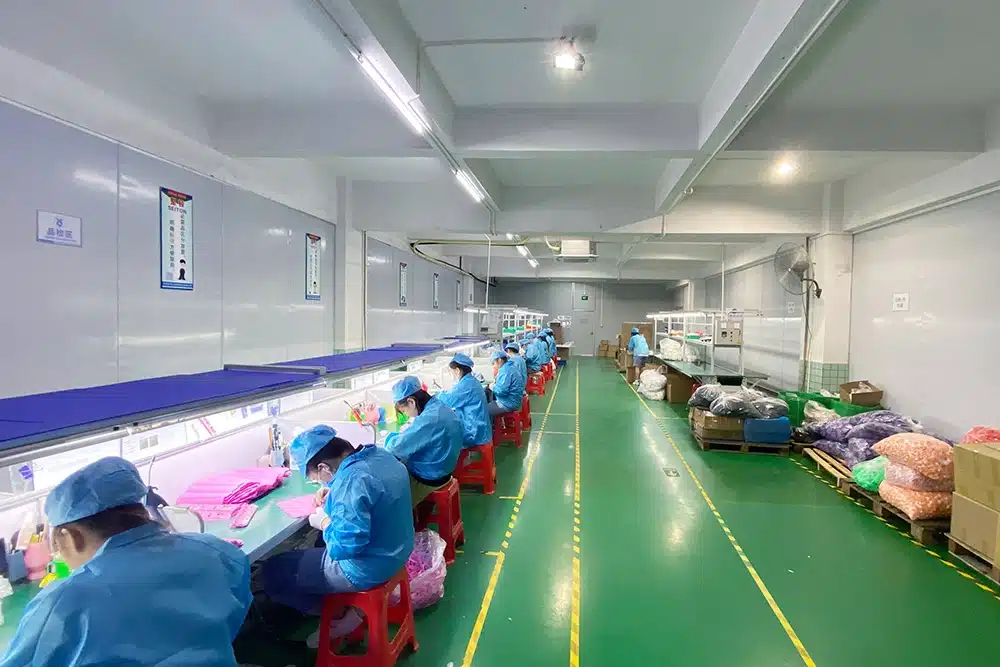
A silicone mold manufacturer must have extensive knowledge of product design and structural development, knowledgeable in the selection and optimization of silicone materials, experience in the production of silicone mold design and the manufacturing of mold tools, experience in production of prototypes and samples, experience in compression molding processes, and self quality control. Other factors for international buyers that indicate reliability include in-house mold workshops, clean assembly environments, and experience with export orders.
| Supplier Capability | Why It Matters for Ice Cube Tray Projects |
| Design Review Support | Helps identify cavity depth, wall thickness, lid fit, and release risks early |
| Material Selection Knowledge | Helps match silicone material to food-contact and freezer-use requirements |
| In-House Tooling | Supports better control over mold precision and lead time |
| Sample Development | Allows buyers to test release, color, hardness, lid fit, and packaging |
| Molding Capability | Supports stable production for different tray sizes and cavity layouts |
| Clean Assembly & Packaging | Helps maintain better handling for beverage and kitchenware products |
| Quality Control System | Reduces risk of defects during bulk production |
| Branding Support | Helps with logo, color, surface, lid, and packaging requirements |
| Export Experience | Supports communication, documentation, and international delivery needs |
Conclusion — Ice Tray Projects Depend on Freezer Flexibility and User Experience
Retail and ecommerce drinkware and beverage brands can create unique lines and products by using custom silicone ice cube trays and beverage molds, alongside other solutions such as custom silicone sleeves for bottles and tumblers.But pretty ice shapes and colors are not enough to make a successful product. There are many factors that require attention when developing a food contact material: properties of the food-contact material, low-temperature flexibility, cavity design, wall thickness, hard-ness, secure fit of the lid, release performance, details to the logo, correct packaging and strict quality standards.
All of these factors can be resolved through design and manufacturing considerations, leading to consistent quality, cost-effective production and products that meet the end user’s requirements.