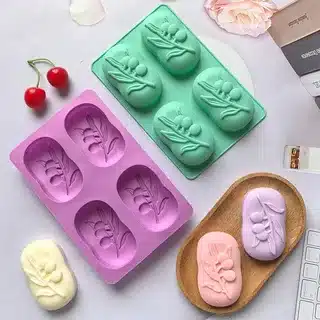

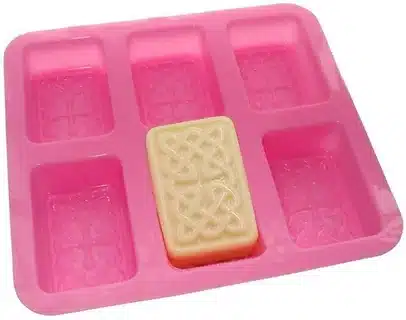
Custom Silicone Soap Molds: These are silicone molds manufactured to the buyer’s specifications for making soap, such as a specific shape, cavity size, cavity layout, silicone hardness, color, logo, surface detail, packaging and bulk production requirements. They are often utilized for home made soap, beauty soap, bath soap, decorative soap, hotel soap, do it yourself soap kits, gift sets, and private label personal care items.
Therefore, the major requirements for soap mold are proper silicone material, proper flexibility, clean cavity details, easy demolding, wall thickness stability and stable bulk production. The key elements of a successful project, are product design, material selection, mold tooling, sample testing, production control, inspection, branding and packaging. Custom silicone soap molds should be designed as much more than shapes—the finished product needs to be both flexible and possess the stability, release and surface detail needed, be legible for branding, be durable and look good at the retail shelf.
While many customers choose to base their initial selection on soap shape and colour, the interplay between the soap cavity, wall thickness, corner radius, silicone hardness, soap surface texture, logo placement, and demoulding direction can have a significant impact on the final appearance and satisfaction of the soap.
What Are Custom Silicone Soap Molds?
Custom silicone soap molds are not just flexible containers for soap manufacturing, they are practical, molded silicone products that need to be carefully planned according to the cavity shape, material selection, hardness, wall thickness, release performance, branding details, packaging and stable OEM production performance.
Unlike standard ones, custom versions have complete control over them to develop unique product lines that highlight a brand in any retail or ecommerce environment, and even guarantee the quality in large orders. This customisation can cater to diverse needs, ranging from regular bar soaps to intricate designs for gift boxes or promotional events.
For soap brands, personal care companies, and private-label sellers developing unique soap product lines, custom silicone soap molds cand private label products manufacturers in creating unique soap product lines with distinctive shapes, logo details, flexible release and scalable OEM production.
| Item | Explanation | Product Type |
| Custom molded silicone tools used to form handmade soap, beauty soap, bath products, and personal care items | Bar soap molds, decorative soap molds, hotel soap molds, DIY soap molds, bath bomb molds, gift set molds | Silicone flexibility, hardness, durability, odor, color, surface finish, and release performance |
| Custom Options | Shape, cavity size, cavity layout, color, hardness, logo, texture, packaging, and product set design | Soap brands, personal care brands, importers, wholesalers, retailers, ecommerce sellers, and OEM/ODM buyers |

Why Silicone Is Used for Soap Mold Products
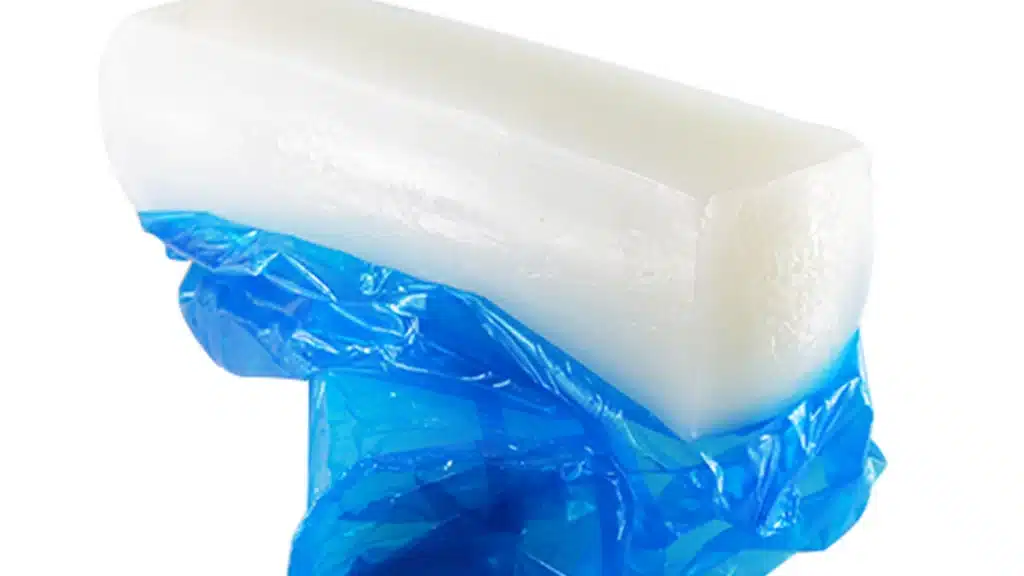
The main reason for using silicone for soap mold products is the flexibility, easy release, durability, Surface Detail reproduction, and Design freedom it can provide in real world production that other materials simply cannot deliver.
It has attributes that are perfect for small artisanal batches as well as larger production runs for OEM manufacturing, providing clean demolding with consistency of shape and professional appearance each time.
| Silicone Property | Practical Benefit for Soap Molds |
| Flexibility | Helps release finished soap without breaking corners or damaging surface details |
| Easy Demolding | Improves user experience for handmade soap, hotel soap, and decorative soap |
| Detail Reproduction | Supports logos, patterns, textures, letters, and decorative cavity shapes |
| Durability | Supports repeated use in retail, craft, or small-batch production settings |
| Soft Touch | Makes molds easier to bend, handle, clean, and store |
| Color Customization | Helps brands create visual identity, product collections, or gift sets |
| Design Freedom | Supports creative soap shapes, multi-cavity layouts, and branded details |
| Surface Finish Options | Helps improve finished soap appearance and retail value |
Common Types of Custom Silicone Soap Molds
When choosing the right silicone soap mould, you need to consider the type of product, your product brand positioning and target sales channel. Similar principles apply when ordering other custom silicone molds for kitchenware and related applications.
By matching the mold design to the use of the soap there will be increased production efficiency, quality consistency and appeal to the retail market in various sectors.
| Soap Mold Type | Common Use | Key Design Focus |
| Bar Soap Molds | Standard soap bars and personal care products | Shape stability, smooth release, consistent size |
| Decorative Soap Molds | Floral, geometric, character, or themed soaps | Fine detail, cavity depth, surface texture |
| Hotel Soap Molds | Small branded soap products | Logo clarity, repeatability, compact cavity layout |
| Handmade Soap Molds | Craft soap and artisan soap products | Flexible release, durability, and easy cleaning |
| Bath Soap Molds | Daily-use bath and body products | Comfort shape, surface finish, and consistent weight |
| Bath Bomb Molds | Bath product sets and gift kits | Shape accuracy and release performance |
| DIY Soap Kit Molds | Home craft and hobby products | Easy use, safe handling, packaging, and durability |
| Multi-Cavity Soap Molds | Bulk production or retail sets | Production efficiency and cavity consistency |
| Seasonal Soap Molds | Holiday gifts and promotional products | Visual appeal, color matching, and packaging |
| Private-Label Sets | Retail or ecommerce product bundles | Branding, packaging, and SKU consistency |
Shape and Cavity Design Options for Soap Molds
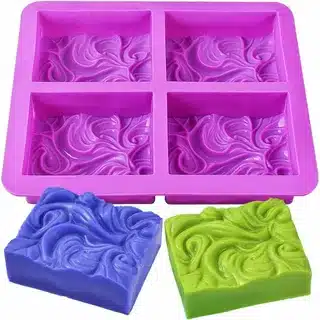
The finished soap appearance, release performance, production efficiency and packaging fit should be taken into account from the outset of the project. Proper mold design that considers cavity size, depth, wall thickness, corner radius and logo placement helps avoid common production issues.
By paying attention to these elements, common problems such as challenging demolding or weight variations in soaps can be avoided, which helps to reduce manufacturing costs and improve customer satisfaction.
| Design Option | Why It Matters |
| Soap Shape | Defines brand identity, product style, and market differentiation |
| Cavity Size | Affects finished soap weight, user feel, packaging, and retail positioning |
| Cavity Depth | Influences demolding difficulty and final soap appearance |
| Number of Cavities | Affects production efficiency and perceived product value |
| Corner Radius | Helps reduce tearing risk and protects soap edges during release |
| Wall Thickness | Affects flexibility, durability, silicone usage, and cost |
| Mold Rim Design | Improves handling and helps maintain shape stability |
| Surface Texture | Adds decorative effect but should not make cleaning difficult |
| Logo Placement | Supports branding without damaging release performance |
| Packaging Fit | Ensures the finished mold works with retail boxes, labels, or ecommerce packaging |
How to Choose Silicone Materials for Soap Molds
The flexibility, odor, durability, color, hardness, release and long-term performance in the actual soap production environment are all influenced by the type of materials used. Choosing the right silicone materials for soap molds is essential—samples must be checked under actual production conditions.
Samples must be checked under conditions of actual production and not just by specification, as some variation in the curing system or pigment can affect the final result.
| Material Factor | Buyer Consideration |
| Silicone Grade | Should match soap-making use, flexibility, odor, and durability requirements |
| Curing System | May affect odor, appearance, and performance expectations |
| Silicone Hardness | Influences flexibility, support, release, and user feel |
| Pigments | Should match color requirements and product positioning |
| Odor Control | Should be reviewed during sample approval |
| Chemical Exposure | Soap formulas may require material review before mass production |
| Temperature Range | Important if the soap-making process involves heat |
| Durability | Affects repeated use, cleaning, and long-term customer satisfaction |
Silicone Hardness, Wall Thickness and Release Performance
Balance of flexibility and structure is critical for soap mold performance in ensuring the mold is flexible enough to be filled, and flexible enough to release the soap without causing damage to the finished product.
The only way to be sure hardness, wall thickness, and cavity design will all function in actual use is to test actual samples with your soap formula.
| Factor | Potential Problem If Not Controlled | Better Approach |
| Silicone Hardness | Mold may be too soft to hold shape or too stiff to release soap easily | Confirm hardness with physical samples and real demolding tests |
| Wall Thickness | Thin walls may deform; overly thick walls may reduce flexibility and increase cost | Balance durability, support, and release performance |
| Cavity Depth | Deep cavities may trap soap or make release difficult | Use suitable depth, radius, and demolding direction |
| Corner Radius | Sharp corners may cause tearing or damage finished soap edges | Use rounded corners where possible |
| Support Rim | Large molds may feel unstable when filled | Add rim or structural support for better handling |
| Surface Texture | Fine detail may be difficult to clean or release | Test surface texture with sample products |
Logo, Color and Branding Options for Soap Mold Products
Soap mold branding is a good idea to plan early, as logos, colors, textures and packages all have an influence on mold tooling and retail value.
Making a decision early on these aspects will prevent the need for costly tooling revision, and allows the soap that is finished to really convey your brand message effectively and consistently.
| Branding Option | Best Use | Buyer Note |
| Embossed Logo | Raised brand detail on the silicone mold or finished soap | Needs enough size and depth for clear visibility |
| Debossed Logo | Recessed brand detail | Useful for subtle brand identity |
| Cavity Logo | Creates branded details on finished soap | Must be tested for release and detail clarity |
| Surface Texture | Decorative soap effects or brand style | Should not make cleaning or release difficult |
| Pantone Color Matching | Brand identity or product collections | Physical sample approval is recommended |
| Seasonal Colors | Holiday soap kits or gift products | Useful for retail and promotional sales |
| Printed Branding | Surface or packaging-related identity | Suitability depends on use and durability needs |
| Private-Label Packaging | Retail and ecommerce sales | Should be planned together with mold size and set configuration |
OEM Production Process for Custom Silicone Soap Molds
Custom silicone soap mold production is based on a controlled OEM production process to minimize risks and ensure uniformity of production from the initial sample to delivery.
Steps are progressive, meaning that if it is not communicated and approved in time, the project will lose its momentum and run out of budget.
| Process Step | What Happens | Why It Matters |
| Requirement Review | Product use, soap type, target market, quantity, and packaging needs are reviewed | Helps define material, tooling, and cost direction |
| Design Review | Engineers check shape, cavity depth, wall thickness, logo, and release needs | Reduces tooling changes and production risks |
| Material Selection | Silicone grade, hardness, color, and performance requirements are confirmed | Affects flexibility, odor, durability, and release performance |
| Mold Design | Cavity structure, parting line, and production layout are planned | Determines detail accuracy and molding efficiency |
| Tooling Manufacturing | A production mold is built based on the approved design | Controls shape accuracy and repeatability |
| Sample Production | First samples are molded for review and testing | Allows buyers to confirm function and appearance |
| Sample Approval | Buyer checks color, hardness, release, logo, detail, and packaging | Prevents bulk production errors |
| Mass Production | Approved products are produced in batches | Supports consistent bulk supply |
| Inspection | Appearance, dimensions, hardness, cavity detail, and packaging are checked | Helps reduce defects and customer complaints |
| Packaging | Products are packed for bulk, retail, or ecommerce needs | Supports brand presentation and shipment protection |
Quality Control Points for Silicone Soap Molds
The quality of soap mold shall be tested from raw material to packaging, so as to ensure that each batch is in line with your requirements. A robust quality control system identifies problems early and helps safeguard your brand’s reputation.
An effective quality system identifies problems early and helps to safeguard your brand’s reputation and end-user experience.
| Quality Control Point | What It Helps Prevent |
| Raw Material Inspection | Wrong material or unstable performance |
| Color Check | Color difference between sample and bulk order |
| Odor Review | Unpleasant odor that affects customer acceptance |
| Hardness Test | Products that feel too soft, too stiff, or inconsistent |
| Dimension Check | Cavity inconsistency or packaging mismatch |
| Cavity Detail Check | Unclear patterns, weak logo detail, or inconsistent shapes |
| Wall Thickness Check | Weak structure, deformation, or poor handling |
| Appearance Inspection | Flash, stains, bubbles, deformation, or surface defects |
| Release Test | Soap sticking, broken edges, or poor demolding |
| Packaging Inspection | Label errors, poor presentation, or shipment damage risk |
Bulk Ordering Guide for Custom Silicone Soap Molds
Bulk order requires buyer’s confirmation of technical and commercial details prior to mass production.
Good planning at this stage can ensure competitive pricing, realistic lead time and long term supply reliability.
| Bulk Order Factor | Why It Affects the Project |
| MOQ | Determines whether the project is suitable for custom tooling |
| Tooling Cost | Covers mold development and affects total startup cost |
| Unit Price | Influenced by size, weight, material, complexity, and quantity |
| Cavity Number | Affects user value, production efficiency, and mold cost |
| Cavity Detail | May increase tooling complexity and sampling requirements |
| Material Grade | Affects flexibility, odor, durability, and cost |
| Logo or Pattern | Impacts tooling, cavity detail, and brand presentation |
| Color Matching | Requires sample confirmation before bulk production |
| Packaging Style | Affects retail readiness, shipping volume, and final cost |
| Lead Time | Includes design review, tooling, sampling, approval, and production |
What Buyers Should Prepare Before Requesting a Quote
Providing information about the project helps the manufacturer give an accurate estimate and lowers the number of communications.
The quicker you get from quotation to approved samples and production the more detailed your brief is.
Information to Prepare
| Information to Prepare | Why It Helps |
| Product Type | Helps identify soap mold application and design requirements |
| Mold Dimensions | Supports tooling and material cost calculation |
| Finished Soap Size | Helps confirm cavity size, depth, and user experience |
| Cavity Number | Affects production efficiency, user value, and mold cost |
| Drawing or Sample | Helps engineers evaluate feasibility and detail accuracy |
| Reference Image | Helps communicate concept when CAD files are not available |
| Material Requirement | Helps select suitable silicone material |
| Hardness Preference | Helps balance flexibility, support, and release |
| Color Requirement | Supports Pantone or sample-based color matching |
| Logo or Pattern Artwork | Helps evaluate embossing, debossing, or cavity detail feasibility |
| Packaging Style | Helps calculate cost and retail presentation |
| Estimated Quantity | Helps evaluate MOQ, tooling cost, and unit price |
| Target Market | Helps assess documentation, labeling, or retailer expectations |
Common Mistakes When Ordering Custom Silicone Soap Molds
Even the seasoned buyer can miss things that can cause issues down the road.
The result is increased time, money and frustration saved as well as improved performing molds.
| Common Mistake | Better Approach |
| Focusing only on visual shape | Evaluate release, flexibility, wall thickness, and cleaning |
| Making details too small | Confirm tooling feasibility and sample appearance |
| Choosing overly stiff silicone | Test hardness with actual soap release conditions |
| Using walls that are too thin | Balance flexibility, durability, and product feel |
| Ignoring soap formula or use environment | Review material compatibility based on actual use conditions |
| Ignoring odor during sample approval | Review odor during sample approval |
| Skipping physical color samples | Approve physical color before mass production |
| Approving samples without real soap release testing | Test soap release, surface detail, cleaning, and packaging fit |
| Forgetting packaging until the end | Plan packaging before tooling and bulk production |
| Comparing suppliers only by unit price | Evaluate tooling, material, QC, and production stability |
How to Choose a Silicone Soap Mold Manufacturer
When considering a supplier, buyers should look at the supplier’s entire manufacturing capacity, not the unit price or response time.
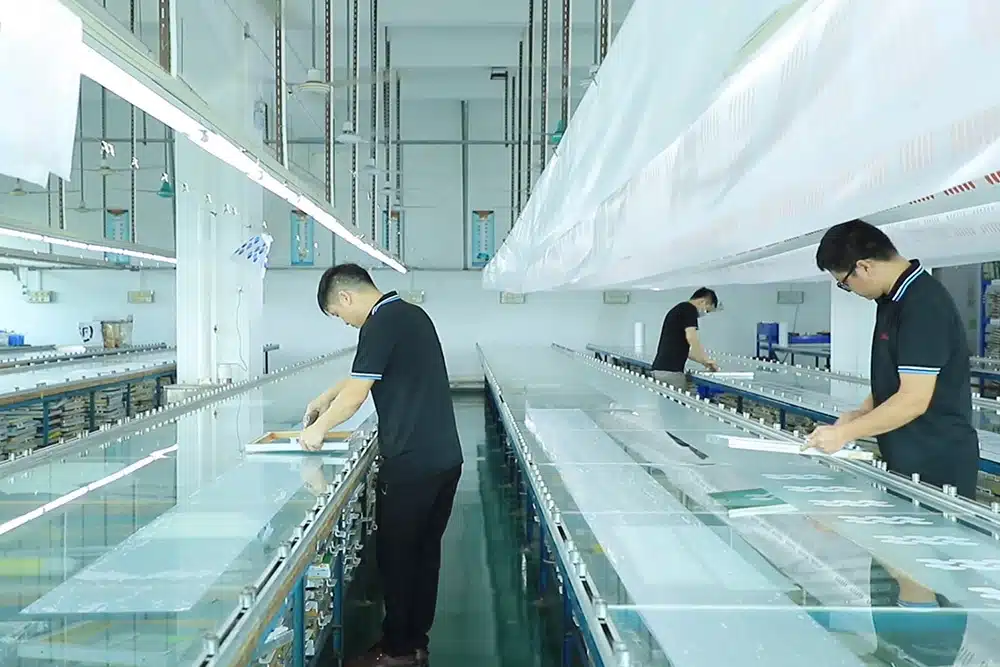
A competent partner will show commitment all the way from the initial design review to reliable bulk delivery. Seek out manufacturers with an in-house mold manufacturing workshop, compression molding facilities, product design and structural development skills, silicone material selection and optimization, prototype and sample production lines, dust-free assembly and packaging facilities and proven quality control systems. These tools will help you to get your custom silicone soap molds to be precise, consistent, and delivered on time.
| Supplier Capability | Why It Matters for Soap Mold Projects |
| Design Review Support | Helps identify cavity depth, wall thickness, logo, and release risks early |
| Material Selection Knowledge | Helps match silicone material to soap mold use and durability needs |
| In-House Tooling | Supports better control over mold precision and lead time |
| Sample Development | Allows buyers to test release, color, hardness, detail, and packaging |
| Molding Capability | Supports stable production for different mold sizes and cavity layouts |
| Clean Assembly & Packaging | Helps maintain better handling for retail and personal care products |
| Quality Control System | Reduces risk of defects during bulk production |
| Branding Support | Helps with logo, color, surface, and packaging requirements |
| Export Experience | Supports communication, documentation, and international delivery needs |
Conclusion — Soap Mold Projects Depend on Shape, Material and Release Control
To develop the unique and replicable line of products, personal care and soap manufacturers can create custom silicone soap molds; however, the projects will only be successful if the design and material details are carefully controlled before tooling is started. This approach applies to many custom silicone parts beyond soap molds.Purchasers should consider both the cavity structure and wall thickness, the hardness, flexibility, release performance, logo clarity, color, packaging and sample testing. Having these details verified early makes it easier to predict, control, and make more suitable to retail, ecommerce, or private-label markets.