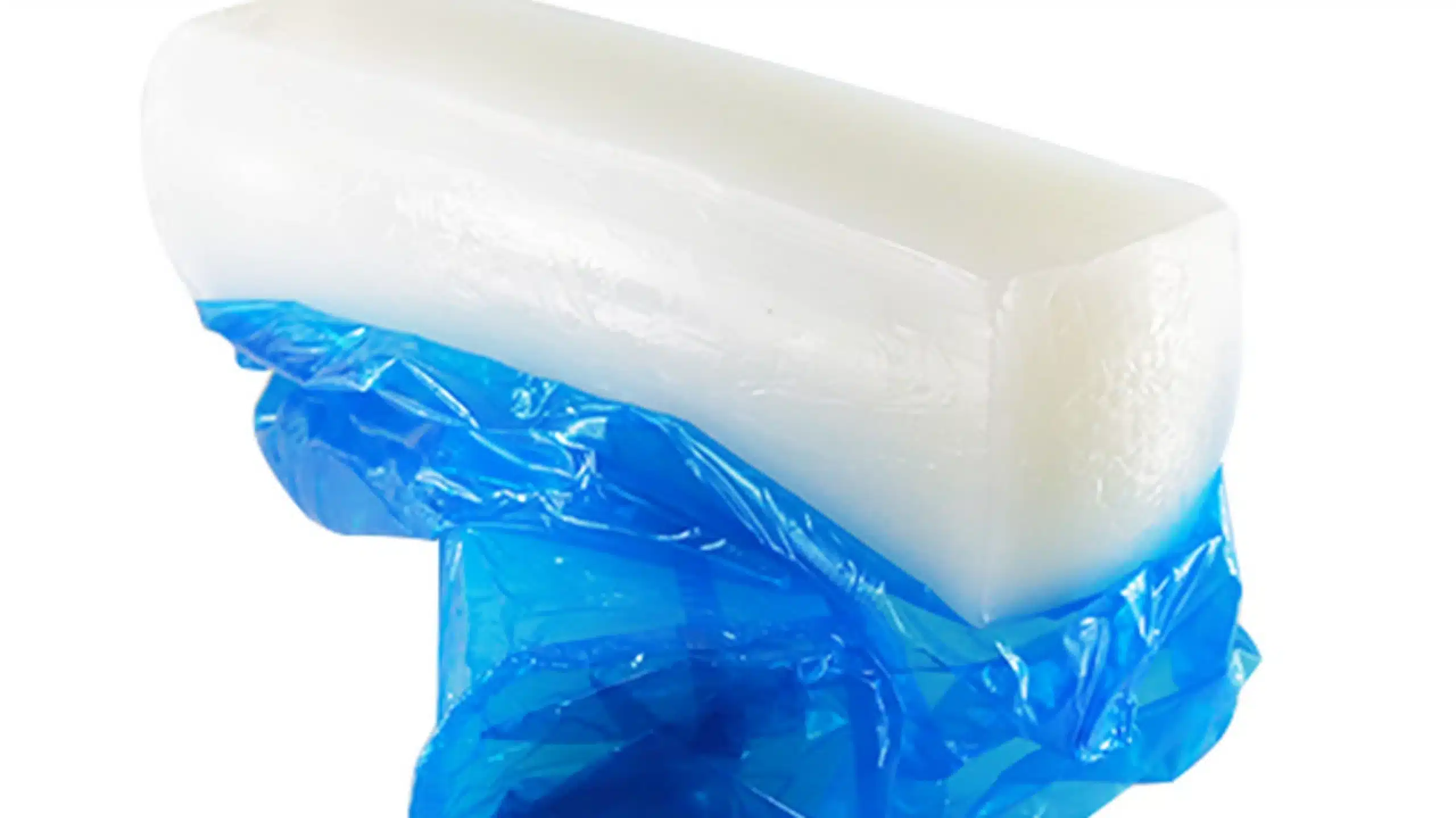

Food-grade silicone molds are silicone products that are formulated with silicone materials suitable for food contact use, such as baking molds, candy molds, chocolate molds, gummy molds, ice cube molds, popsicle molds and all kitchen products. The silicone compound, curing system, production controls, and compliance requirements to the target market are crucial when evaluating the safety and performance of these products; it is important to understand what makes a mold appropriate for food use when sourcing these products.
Plenty of consumers think that silicone molds are all food grade due to the fact that silicone is popular in kitchenware. In fact, there is no simple concept behind the term “food-grade” – careful selection of materials, control of formulation, clean manufacturing and sometimes specific testing is required. To prevent potential compliance problems or product failures, buyers should verify the silicone grade, curing mechanism, pigments, odor characteristics, temperature resistance, and applicable standards, such as FDA or LFGB, prior to ordering.
What Are Food-Grade Silicone Molds?
Food-grade silicone molds are silicone molded products that are specifically designed to use materials that are safe to come into contact with food, whereas other types of silicone molds are not designed for this purpose. In contrast to typical molds, these are strictly designed and manufactured for high purity of the material, process and end use safety for direct food contact.
For custom silicone molds in food-grade applications, these should be designed based on material safety, product function, target market needs, and stable OEM production for brands that are developing baking products, candy, chocolate, gummy, ice, and kitchenware products.The key is really in the upfront planning to make sure you get a mold from the start that won’t cause any issues, and not just the final product.
Let’s get back to the basics to explain what a supply chain is:
| Item | Explanation |
| Product Type | Silicone molds made with materials selected for food-contact applications |
| Common Applications | Baking molds, candy molds, chocolate molds, gummy molds, ice cube trays, popsicle molds, kitchenware molds |
| Key Material Concern | Silicone grade, curing system, colorant, odor, temperature range, and test requirements |
| Common Buyer Need | Safe, reusable, flexible, easy-release, and market-ready silicone mold products |
| Important Reminder | Food-contact suitability depends on material selection, testing, production control, and target market requirements |

Why Food-Grade Silicone Is Used for Mold Products
When the right grade is used, silicone is a highly versatile material that is ideal for food contact molds for a variety of reasons: flexibility, heat and cold resistance, and its ease of use.
It offers many practical applications, and it will work well in a variety of food preparation categories:
| Silicone Property | Practical Benefit for Food-Contact Products |
| Flexibility | Helps release cakes, chocolate, candy, gummies, ice, or frozen products more easily |
| Heat Resistance | Supports baking and oven-related use when the correct grade is selected |
| Cold Resistance | Works for ice cube trays, popsicle molds, and freezer-safe products |
| Easy Release | Improves product appearance and user experience |
| Durability | Supports repeated use in retail and household applications |
| Soft Touch | Makes the product easier and safer to handle |
| Design Flexibility | Supports creative shapes, patterns, cavities, and branded details |
| Color Options | Allows private-label brands to create product collections and seasonal designs |
The properties give experienced buyers the reason to emphasise correct material specification for long term performance and customer satisfaction.
What Does “Food-Grade Silicone” Mean for Buyers?
“Food-grade silicone” refers to materials and products that have been tested for safe contact with food, but the consumer is responsible for finding out whether they are and if they are, what kinds of quality.
When considering it, the base material, additives, and test methods need to be taken into account. The most important thing to remember:
| Buyer Question | Why It Matters |
| What silicone material will be used? | Determines the base performance and food-contact suitability |
| What curing system is selected? | May affect odor, purity, and performance expectations |
| Are pigments suitable for food-contact use? | Colorants must also match the product’s intended use |
| What market will the product be sold in? | Different regions may require different testing or documentation |
| Is finished product testing required? | Some buyers may need test reports for the final molded product |
| What temperature range is expected? | Baking and freezer products require different performance reviews |
| How will products be packaged? | Packaging should help protect finished products during storage and shipment |

By knowing these factors, buyers can make informed decisions without assuming.
FDA vs LFGB: Which Standard May Apply?
When looking for silicone molds for food products, buyers often ask about FDA vs LFGB silicone; however, the specific standards required will vary based on the destination market and the customer or retailer’s requirements.
For products entering into the U.S. market, the FDA guidelines for foods that come into contact with food are the standard that is frequently used, whereas for the German/EU market, the LFGB testing may be more relevant and may feature a more stringent assessment of the sensory aspects and substance migration. Only certain reports can be exchanged, and tests are usually formulation and colour specific.
| Standard / Requirement | Common Market Relevance | Buyer Note |
| FDA Food-Contact Requirements | Often requested for the U.S. market | Buyers should confirm applicable food-contact requirements for their product category |
| LFGB Testing | Often requested for Germany or EU-related markets | May involve stricter sensory and migration-related expectations |
| Finished Product Testing | Required by some brands, retailers, or importers | Testing may need to be performed on the actual molded product |
| Color-Specific Testing | Important for colored silicone products | Pigments and additives may affect test requirements |
| Retailer Requirements | Varies by brand, platform, or distributor | Some retailers may request additional documentation |
It is well to consult with your manufacturer about your target markets early on, and to bring in compliance specialists to give you guidance for your situation.
Common Applications of Food-Grade Silicone Molds
Silicone molds are used in a multitude of culinary and kitchen applications, including private label items, home-baking and candy-making in the commercial sector — making them a core part of food-grade silicone kitchenware offerings.
Typical uses include:
| Application | Common Products | Key Requirement |
| Baking | Cake molds, muffin molds, bread molds, cookie molds | Heat resistance, shape support, easy release |
| Candy & Chocolate | Chocolate molds, candy trays, gummy molds | Fine detail, food-contact material, smooth release |
| Ice & Beverage | Ice cube trays, cocktail ice molds, beverage accessories | Freezer flexibility, easy removal, clean handling |
| Frozen Desserts | Popsicle molds, ice cream molds | Cold resistance, lid fit, user-friendly design |
| Kitchenware Sets | Multi-purpose mold sets and retail kits | Packaging, color consistency, durability |
| Private-Label Products | Branded silicone mold sets | Logo, color, packaging, documentation needs |
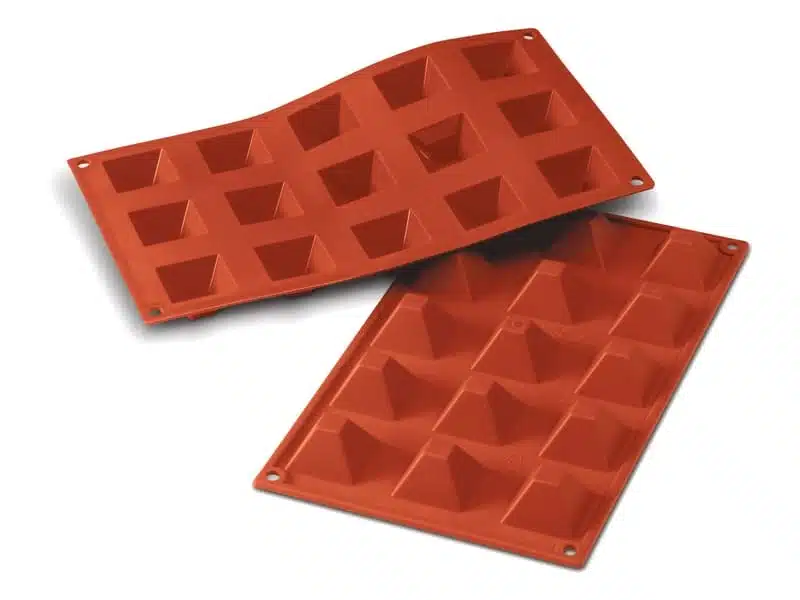
The identicalness of the mold design with the application will guarantee the design to be functional and commercially viable.
Material Options for Food-Grade Silicone Molds
The properties of the different types of silicone vary, so the selection of the material should be determined by the function, the cost and the demands of the market.
Common options include:
| Material Option | Common Use | Buyer Consideration |
| Platinum-Cured Silicone | Higher-end food-contact molds, baby-related products, low-odor applications | This is often selected when buyers have stricter odor or purity expectations for platinum-cured silicone. |
| Peroxide-Cured Silicone | Many general silicone molded products | May be suitable depending on application and test requirements |
| High-Temperature Silicone | Baking and oven-safe molds | Temperature range should be reviewed before production |
| Colored Silicone | Branded or retail product lines | Pigments should match intended use and testing requirements |
| Softer Silicone | Easy-release candy, chocolate, and ice molds | Improves flexibility but may reduce shape support |
| Firmer Silicone | Baking molds or molds needing better structure | Improves support but may affect demolding feel |
If you discuss your priorities with the manufacturer early on, these can be taken into account and the material can be optimised and tested for your sample.
Design Factors That Affect Food-Grade Silicone Mold Performance
However, the correct food grade material is not enough; it’s also important to make sure your food grade silicone molds are designed well to perform optimally over repeated use and during production.
The little details in the design can go a long way in making things easy, convenient and long-lasting.
| Design Factor | Why It Matters |
| Wall Thickness | Affects flexibility, support, durability, and silicone consumption |
| Cavity Depth | Influences release performance and product shape |
| Corner Radius | Helps reduce tearing risk and improves cleaning |
| Cavity Spacing | Affects structure strength and production consistency |
| Support Rim | Helps baking molds or trays keep their shape |
| Surface Texture | Influences appearance, cleaning, and release feel |
| Logo Placement | Should not interfere with food release or cleaning |
| Lid or Cover Design | Important for ice trays, popsicle molds, and storage products |
| Packaging Fit | Product size must match retail or ecommerce packaging plans |
Sharing design details in the early stages can avoid problems such as weak structures or difficult demoulding.
Manufacturing Process for Food-Grade Silicone Molds
The manufacturing of food-grade silicone molds isn’t simply about the material, it’s also about the process.The production of food-grade silicone molds is not just about the material; it’s also about the process, from the initial requirements to the final packaging.
A normal flow consists of:
| Process Step | What Happens | Why It Matters |
| Requirement Review | Product use, target market, temperature range, and order needs are reviewed | Helps define suitable material and testing direction |
| Material Selection | Silicone grade, curing system, hardness, and color are confirmed | Affects safety, flexibility, odor, and performance |
| Mold Design | Cavity layout, wall thickness, release direction, and tooling structure are planned | Supports stable molding and better user experience |
| Tooling Manufacturing | Production mold is made based on approved design | Controls shape accuracy and repeatability |
| Sample Production | First samples are molded for buyer review | Allows testing before mass production |
| Sample Testing | Buyer checks color, odor, flexibility, release, and application performance | Reduces risk before bulk production |
| Mass Production | Approved products are produced in batches | Supports stable supply and consistency |
| Quality Inspection | Appearance, dimensions, hardness, and packaging are checked | Helps prevent defects and customer complaints |
| Packaging | Products are packed for retail, bulk, or ecommerce needs | Protects products and supports market presentation |
The structured approach can make sure consistency is followed throughout production runs.
Quality Control Points Buyers Should Check
The safety, appearance, and performance of food-grade silicone moulds are essential to ensure during the production process, which requires strong quality control for custom silicone products.
It’s good for the buyer to know what the important steps should be taken by the manufacturer.
| Quality Control Point | What It Helps Prevent |
| Raw Material Check | Wrong material or inconsistent silicone performance |
| Color Consistency | Color difference between samples and bulk production |
| Odor Review | Unpleasant odor that may affect customer acceptance |
| Hardness Test | Mold that feels too soft, too stiff, or inconsistent |
| Dimension Check | Poor cavity size or packaging mismatch |
| Appearance Inspection | Flash, stains, bubbles, deformation, or surface defects |
| Functional Test | Poor demolding, weak support, or usability issues |
| Heat / Freezer Test | Performance problems under intended use conditions |
| Packaging Inspection | Label errors, contamination risk, or poor retail presentation |
Asking for transparency when the supplier will have such checks helps them earn your trust.
What Buyers Should Confirm Before Ordering
Buyers need to have answers to some important questions before accepting tooling or entering into mass production.
This checklist will help minimize risks and help set expectations with your silicone mold manufacturer.
| Information to Confirm | Why It Helps |
| Product Application | Determines material, design, temperature, and test requirements |
| Target Market | Helps identify possible FDA, LFGB, or retailer requirements |
| Material Grade | Ensures silicone selection matches product use |
| Testing Requirement | Avoids compliance confusion after production |
| Temperature Range | Important for baking, freezer, or beverage products |
| Hardness | Affects flexibility, support, and demolding |
| Color Requirement | Supports brand consistency and testing planning |
| Logo Method | Helps confirm embossing, debossing, or printing feasibility |
| Packaging Style | Affects cost, retail presentation, and shipment protection |
| Order Quantity | Helps evaluate MOQ, tooling cost, and unit price |
| Inspection Standard | Defines acceptance criteria before mass production |
Documenting these details creates a solid foundation for the project.
Common Mistakes When Ordering Food-Grade Silicone Molds
When looking for silicone molds for food use there are a number of standard issues that can cause delays, additional expenses, or the product not to be as expected.
Common problems and solutions:
| Common Mistake | Better Approach |
| Assuming all silicone is food-grade | Confirm material, curing system, pigments, and testing needs |
| Ignoring target market requirements | Check FDA, LFGB, retailer, or importer expectations early |
| Choosing only by price | Evaluate safety, durability, odor, consistency, and documentation |
| Forgetting colorant requirements | Confirm pigments are suitable for the intended use |
| Skipping application testing | Test baking, freezing, demolding, or cleaning before mass production |
| Ignoring odor | Review odor during sample approval, especially for food-contact products |
| Delaying test report requests | Confirm documentation requirements before production starts |
| Ignoring packaging | Plan clean and protective packaging for retail or ecommerce products |
These can be used to improve the sourcing process.
How to Choose a Food-Grade Silicone Mold Manufacturer
Finding the right partner isn’t just about price per unit. Find a reliable silicone mold manufacturer in China with proven experience in food contact materials and processes.
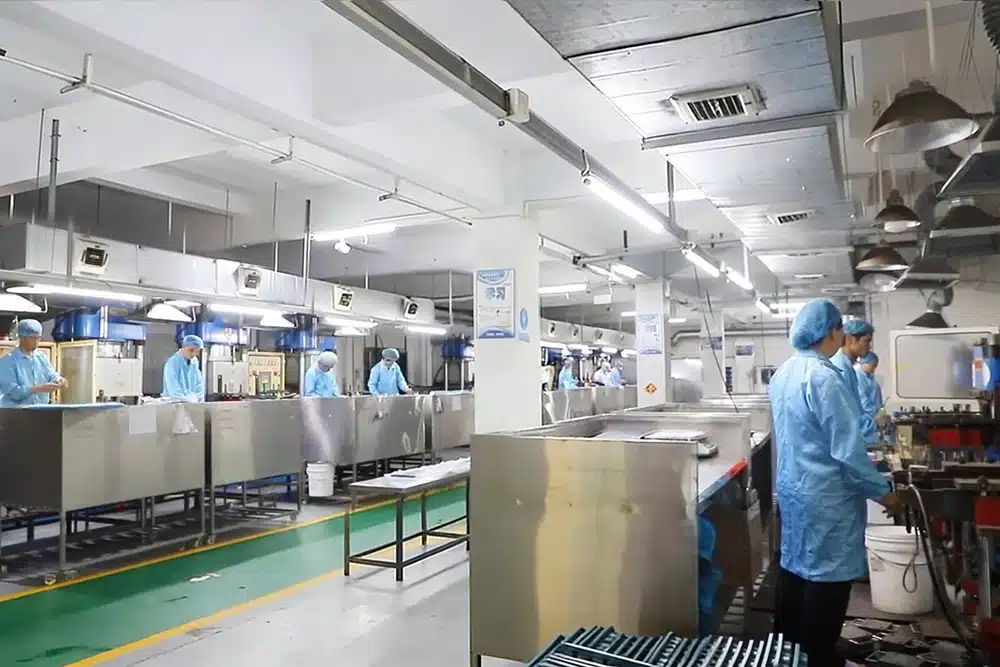
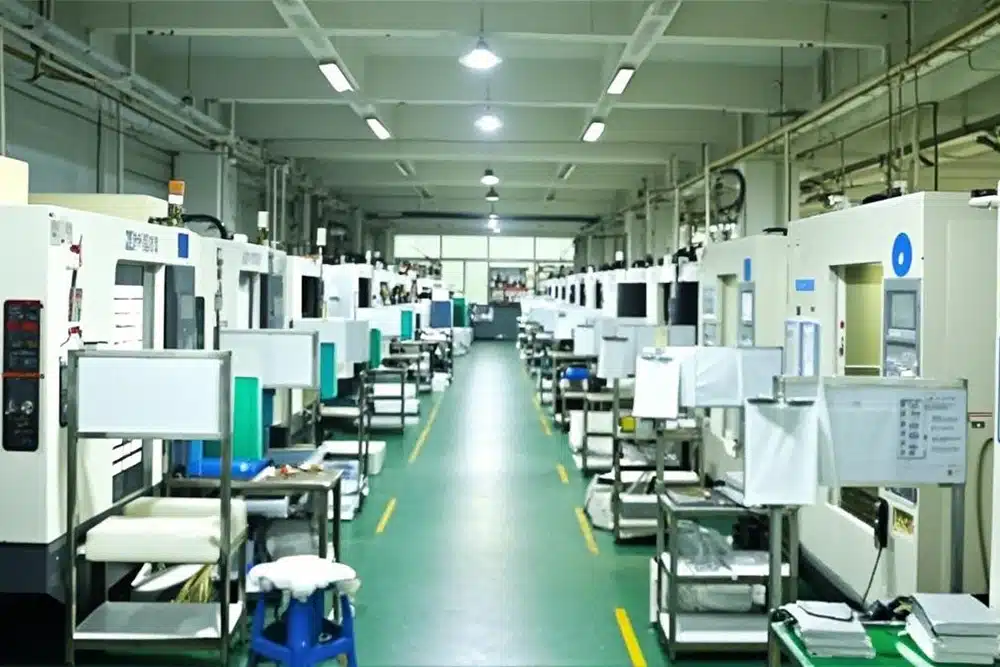
A firm grasp of material knowledge, experience with in-house tooling, sample development assistance, clean production environments, robust quality systems, and export and retail packaging are some of the key attributes to look for. It’s also best if your partner can provide compression molding knowledge, mold design capabilities, and ability to arrange for needed testing.
| Supplier Capability | Why It Matters for Food-Grade Silicone Molds |
| Material Selection Knowledge | Helps match silicone compound to food-contact use and target market needs |
| In-House Tooling | Supports better control over mold precision and production consistency |
| Sample Development | Allows buyers to test odor, flexibility, color, release, and application performance |
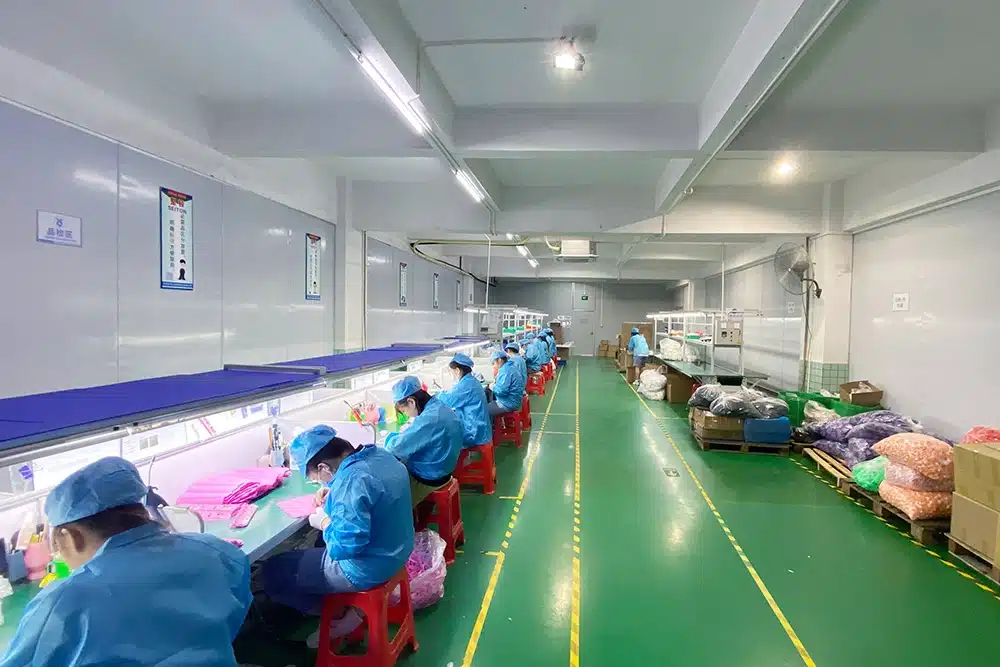
| Clean Production Handling | Reduces contamination risk during assembly and packaging |
| Quality Control System | Helps maintain batch consistency and reduce defects |
| Testing Coordination | Supports documentation planning when buyers require third-party testing |
| Packaging Capability | Helps prepare retail-ready or ecommerce-ready silicone mold products |
| Export Experience | Supports communication, documentation, and international delivery needs |
Comprehensive assessment at this stage leads to smoother projects with a higher level of success.
Common Misunderstandings About Food-Grade Silicone Molds
There are a few things that can trip people up when purchasing a food grade silicone mold.
Common ones and some practical realities:
- All silicone moulds are food-safe. Use for food contact will be based on material, pigments and curing system and test requirements.
- “FDA and LFGB are synonyms. Various markets and standards may have their different expectations.
- The look is good enough to approve. The buyers should test odor, demolding, temperature use, and cleaning.
- Color does not have an effect. Depending on the intended food-contact use, color may require similarity to the food-contact use.
- “Packaging serves only as a cosmetic.” Packaging maintains cleanliness, retail appearance, and shipping quality.
Having clarity at a project’s outset results in better project planning.
Conclusion — Food-Grade Silicone Mold Projects Require Material and Process Control
While these silicone molds can be useful, versatile and sellable baking, candy, chocolate, ice and custom silicone kitchenware products, it’s not enough to simply select a silicone material that is labeled “food-grade.” Prior to mass production, the buyer should verify the application, target market, material system, testing requirements, product design, sample performance, quality control, and packaging of the product. A clear specification at the start minimizes sourcing risk and facilitates consistent OEM production.
These factors, combined with a knowledge of the food industry and the experience of a highly qualified manufacturer, can combine to create food grade silicone molds that will function and function reliably within the market.