
Prototype silicone molds are used for initial testing and validation whereas Production silicone molds are designed to reliably and repeatably produce the molds in bulk. Prototype silicone molds and production silicone molds are different things, which means buyers will make better choices in investing in either type of mold when knowing that difference. The main use of a prototype silicone mold is to reduce risk to double check design, material and functionality before investing in full scale production tooling. A production silicone mold will be a manufacturing tool designed to be efficient, consistent and produce items for as long as the product design is established and approved.
A common misconception by many buyers is that a prototype mold is a low cost version of a production mold. In reality, they have some significant differences in their use, durability, precision needs, cavity design, lifespan, and function in the project. The decision will be based on your design experience, complexity of your product, order quantity, deadline, and risk appetite.
Quick Answer: Prototype Mold or Production Mold?
Opt for prototype silicone molds for novel, complex, or real-world testing and development. Use production silicone moulds after the design is finalised, the samples have been accepted and production is ready to go.
For projects that have a simple structure and documentation, they can transition straight into production tooling as well. The final decision comes down to a development risk versus getting to market quickly.
For buyers developing a new baking, candy, soap, ice, beverage, or DIY product, reliable prototype-to-production silicone mold support helps validate the design before moving into stable bulk manufacturing.
| Buyer Situation | Better Option | Why |
| New product concept | Prototype Silicone Mold | Helps test shape, function, and user experience |
| Complex cavity or deep geometry | Prototype Silicone Mold | Reduces risk before production tooling investment |
| Uncertain material or hardness | Prototype Silicone Mold | Allows sample testing and adjustment |
| Finalized design with approved sample | Production Silicone Mold | Supports stable bulk production |
| High-volume repeat orders | Production Silicone Mold | Improves consistency and production efficiency |
| Tight launch timeline with proven design | Production Silicone Mold | Avoids unnecessary prototype stage if all details are confirmed |
| Market testing before large investment | Prototype Silicone Mold | Helps validate demand and product performance |
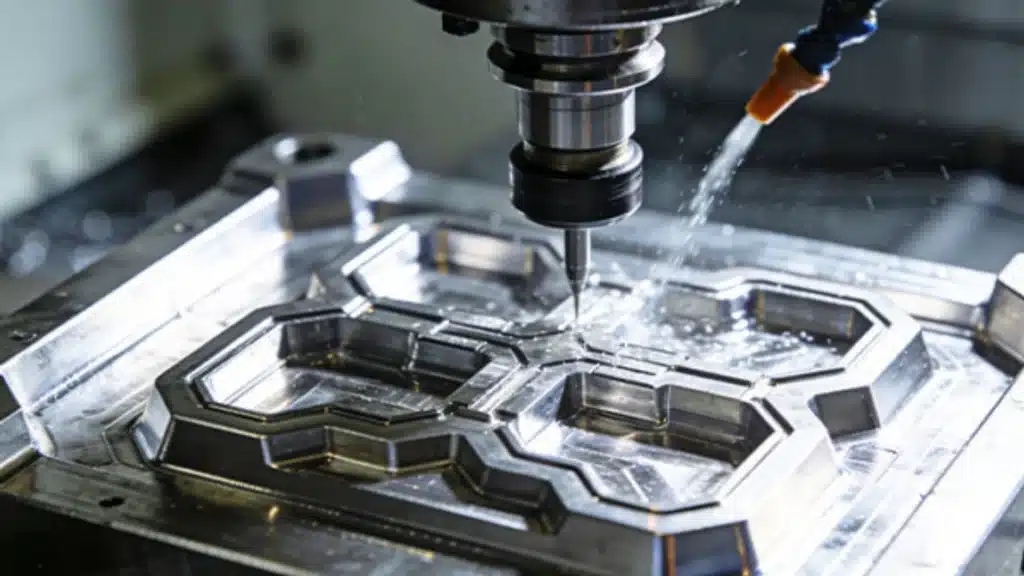
What Are Prototype Silicone Molds?
Prototype silicone molds are custom-made tooling that is designed mainly to develop and validate a product before entering into mass production. They can be used to create designs for silicone products that can be tested and optimized before the final mold is created, which helps manufacturers and buyers save on the costs of producing the mold.
These molds are used to verify important factors like shape, size, wall thickness, cavity depth, silicone hardness, material compatibility, color accuracy, logo design and demolding ability. Are good at new designs, complex shapes, uncertain concepts, and early market testing but not long-term high volume production.
| Prototype Mold Feature | What It Means for Buyers |
| Development Purpose | Used to test and improve a product design before production tooling |
| Lower Production Expectation | Usually not intended for long-term high-volume output |
| Faster Design Feedback | Helps identify problems before mass production |
| Flexible Design Review | Allows changes to shape, wall thickness, hardness, or cavity structure |
| Sample Validation | Helps confirm color, logo, demolding, function, and packaging fit |
| Risk Reduction | Reduces the chance of investing in the wrong production tooling |
What Are Production Silicone Molds?
Production silicone molds are precision-engineered tooling that is used in the production of silicone products in large quantities, with a degree of repeatability and stability. After the design is finalized through prototyping or an available sample, these molds are used to produce quality products at a large scale.
They can be used for single or multi cavity designs, depending on volume requirements, and are suitable for known products, bulk orders, private label and repeat orders.
| Production Mold Feature | What It Means for Buyers |
| Manufacturing Purpose | Built for stable and repeatable bulk production |
| Higher Durability | Designed for longer production use than prototype tooling |
| Consistent Output | Supports cavity-to-cavity and batch-to-batch consistency |
| Production Efficiency | Can be optimized for cycle time and output |
| Quality Control | Supports defined inspection standards and accepted tolerances |
| Repeat Orders | Suitable for long-term supply programs and private-label products |
Prototype Silicone Molds vs Production Silicone Molds: Key Differences
The main difference between prototype silicone mold and production silicone mold is their purpose stage and performance requirements. In addition to flexibility and learning, prototype silicone molds are designed with durability and efficiency in mind.
| Factor | Prototype Silicone Mold | Production Silicone Mold |
| Main Purpose | Validate design, function, material, and user experience | Produce approved products consistently in bulk |
| Project Stage | Early development or pre-production | After design and sample approval |
| Tooling Cost | Often lower or simpler depending on project | Higher due to durability and production requirements |
| Lead Time | May be faster for early samples | Requires more complete tooling and planning |
| Durability | Limited compared with production tooling | Built for repeat production |
| Output Capacity | Low-volume sample or trial production | Medium-to-high-volume manufacturing |
| Design Flexibility | Easier to adjust before final tooling | Changes after tooling can be costly |
| Cavity Layout | Often simple or limited | Can be optimized for production efficiency |
| Quality Focus | Learning and validation | Consistency and repeatability |
| Best For | New, complex, or uncertain products | Finalized products with bulk order plans |
When Should Buyers Use Prototype Silicone Molds?
Whenever there is any doubt about product design or downstream risks can be drastically mitigated with prototype silicone molds, buyers should take them into account.
This can be very useful when considering new ideas or complex components that can be better understood through hands-on experimentation.
| Use Prototype Molds When | Why It Helps |
| Design Is New | Helps find structure issues before production tooling |
| Shape Is Complex | Allows testing of release and usability |
| Hardness Is Uncertain | Helps compare flexibility and support |
| Wall Thickness Needs Review | Reduces risk of deformation or tearing |
| Logo Detail Is Important | Confirms embossing, debossing, or pattern clarity |
| Product Needs Real Use Testing | Tests baking, freezing, soap release, candy release, or DIY use |
| Packaging Fit Is Unclear | Checks retail or ecommerce packaging compatibility |
| Buyer Wants Market Feedback | Supports small-batch validation before bulk orders |

When Can Buyers Move Directly to Production Silicone Molds?
There’s not always a need for a separate prototyping phase in a silicone project. Once the design is well developed and risks are understood, buyers can directly proceed to production silicone molds.
This is a path that can be used to speed up time-to-market for established products or minor iterations.
| Move Directly to Production Tooling If | Why It May Work |
| Design Is Already Finalized | Less need for early concept validation |
| Existing Sample Is Approved | Manufacturer can match confirmed structure and feel |
| CAD Files Are Complete | Engineering review can proceed with fewer assumptions |
| Product Structure Is Simple | Lower risk of release or tooling problems |
| Material and Hardness Are Confirmed | Reduces sample revision risk |
| Logo and Packaging Are Simple | Fewer variables before production |
| Order Quantity Supports Tooling | Production tooling investment is more reasonable |
| Timeline Is Tight | Skipping prototype stage may save time if risks are low |
How Prototype Testing Reduces Production Risk
Prototype testing is an important aspect of determining potential problems early and therefore saving money and time from the cost of having to make changes to the production silicone molds later.
Teams can assess actual performance in a given set of conditions through physical samples.
| Prototype Test Item | What It Helps Confirm |
| Dimensions | Whether the size matches product and packaging needs |
| Wall Thickness | Whether the mold has enough support and flexibility |
| Cavity Depth | Whether the finished product releases smoothly |
| Shore Hardness | Whether the mold feels too soft, too firm, or suitable |
| Material Performance | Whether the selected silicone fits the application |
| Color | Whether the color matches brand or product requirements |
| Logo Detail | Whether embossed, debossed, or printed details are clear |
| Surface Texture | Whether texture affects cleaning, release, or appearance |
| Functional Use | Whether baking, freezing, soap, candy, or DIY use performs well |
| Packaging Fit | Whether the mold works with retail or ecommerce packaging |
Cost, Lead Time and MOQ: Prototype vs Production Tooling
Although prototype silicone mold tooling may seem affordable at first look, the scheme of the project needs to be assessed, especially the risk mitigation. Production molds are significantly larger capital investment, but when produced in volume, the economics are better.
| Project Factor | Prototype Mold | Production Mold |
| Upfront Cost | May be lower depending on scope | Usually higher because it is built for repeat production |
| Lead Time | Can be faster for early validation | Requires more complete design and tooling preparation |
| MOQ | Usually for samples or small trial runs | Usually connected to bulk production planning |
| Unit Price | Not optimized for bulk production | More suitable for stable unit cost at volume |
| Revision Flexibility | Easier before final tooling | Changes after production tooling can be costly |
| Tooling Life | Limited or project-specific | Designed for longer production use |
| Risk Control | Helps prevent wrong tooling investment | Works best after product details are confirmed |
Quality Control Differences Buyers Should Understand
The quality control activities are distinctly different for prototype and production. Prototype QC is geared toward learning and iteration, whereas production QC is geared toward repeatability and compliance.
| Quality Area | Prototype Mold Focus | Production Mold Focus |
| Dimensions | Confirm design size and fit | Maintain stable dimensions across batches |
| Appearance | Review shape, surface, and detail | Prevent flash, stains, bubbles, and deformation |
| Hardness | Confirm correct flexibility and support | Keep hardness consistent in mass production |
| Material | Validate material choice | Control raw material and batch consistency |
| Logo Detail | Check clarity and position | Maintain consistent branding across all products |
| Demolding | Test release performance | Ensure repeated production and user performance |
| Packaging | Confirm fit and presentation | Maintain packing accuracy and shipment protection |
| QC Standard | Define what should be inspected | Apply inspection criteria during bulk production |
Moving From Prototype Approval to Production Mold Development
Clear documentation and locked specifications are needed to successfully transition from a prototype silicone mold to a production silicone mold. This step will guarantee that the validated design is reflected in the production tooling through our structured sampling from prototype to PP sample to mass production workflow.
| Approval Item | Why It Must Be Locked Before Production |
| Final Dimensions | Prevents tooling changes after mold development |
| Material Grade | Ensures production uses the approved silicone compound |
| Shore Hardness | Maintains feel, support, and release performance |
| Color | Prevents mismatch between prototype and bulk order |
| Logo Detail | Confirms branding position, size, and depth |
| Wall Thickness | Supports durability, flexibility, and cost control |
| Cavity Layout | Defines production efficiency and user experience |
| Packaging | Ensures final product fits retail or ecommerce presentation |
| Testing Requirements | Helps plan quality and documentation before production |
| Quality Standard | Defines acceptance criteria for mass production |
Product Categories That Often Benefit From Prototyping
Prototype silicone molds are especially useful for certain silicone product groups based on their functional requirements, intricate details, or release difficulties.
| Product Category | Why Prototyping May Help |
| Baking Molds | Tests wall support, heat-use structure, and release |
| Candy & Chocolate Molds | Checks fine details and delicate demolding |
| Soap Molds | Tests cavity depth, texture, and logo clarity |
| Ice Cube Trays | Verifies freezer flexibility, lid fit, and push-out release |
| Beverage Molds | Confirms shape consistency and user handling |
| Popsicle Molds | Tests handle fit, lid fit, and cleaning convenience |
| DIY Craft Molds | Checks tear resistance and detail accuracy |
| Promotional Molds | Confirms logo visibility and visual effect |
| Multi-Cavity Molds | Checks cavity-to-cavity consistency before scaling |
What Buyers Should Prepare Before Prototyping
Providing comprehensive information upfront makes the prototype silicone mold development process more efficient and the resulting samples more representative.
| Information to Prepare | Why It Helps |
| Product Application | Determines prototype testing priorities |
| 3D CAD File | Helps evaluate geometry and tooling feasibility |
| 2D Drawing | Defines dimensions, tolerances, and technical notes |
| Existing Sample | Helps match size, flexibility, and feel |
| Reference Photos | Communicates design direction when CAD files are incomplete |
| Wall Thickness | Helps review durability and release performance |
| Cavity Depth | Helps evaluate demolding risk |
| Material Requirement | Supports accurate silicone selection |
| Hardness Preference | Helps test flexibility and support |
| Color Requirement | Supports visual sample confirmation |
| Logo Artwork | Helps evaluate embossing, debossing, printing, or engraving |
| Packaging Concept | Helps confirm retail or ecommerce fit |
| Order Quantity | Helps decide whether production tooling is needed after prototyping |
Common Mistakes When Choosing Prototype or Production Molds
By steering clear of these common mistakes, one can ensure a smooth silicone mold project and achieve satisfactory results.
| Common Mistake | Better Approach |
| Skipping prototype for complex designs | Prototype first when release, structure, or details are uncertain |
| Prototyping unnecessary simple designs | Move directly to production if all risks are low and files are complete |
| Treating prototype cost as waste | View it as risk reduction before larger tooling investment |
| Expecting prototype tooling to last like production tooling | Understand the different purpose and lifespan |
| Approving design without real use testing | Test demolding, hardness, function, and packaging |
| Changing design after production tooling | Lock specifications before production mold development |
| Ignoring hardness during prototype review | Confirm Shore hardness with physical samples |
| Ignoring packaging fit | Test packaging before production approval |
| Comparing incomplete quotes | Check what tooling, sampling, and production scope is included |
How a Manufacturer Supports Prototype-to-Production Projects
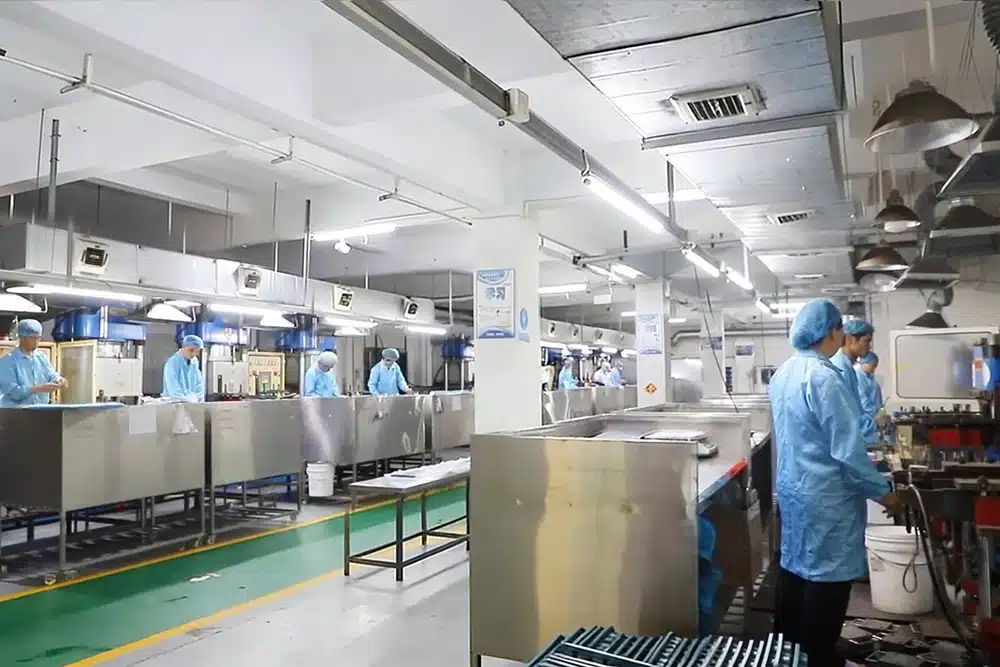
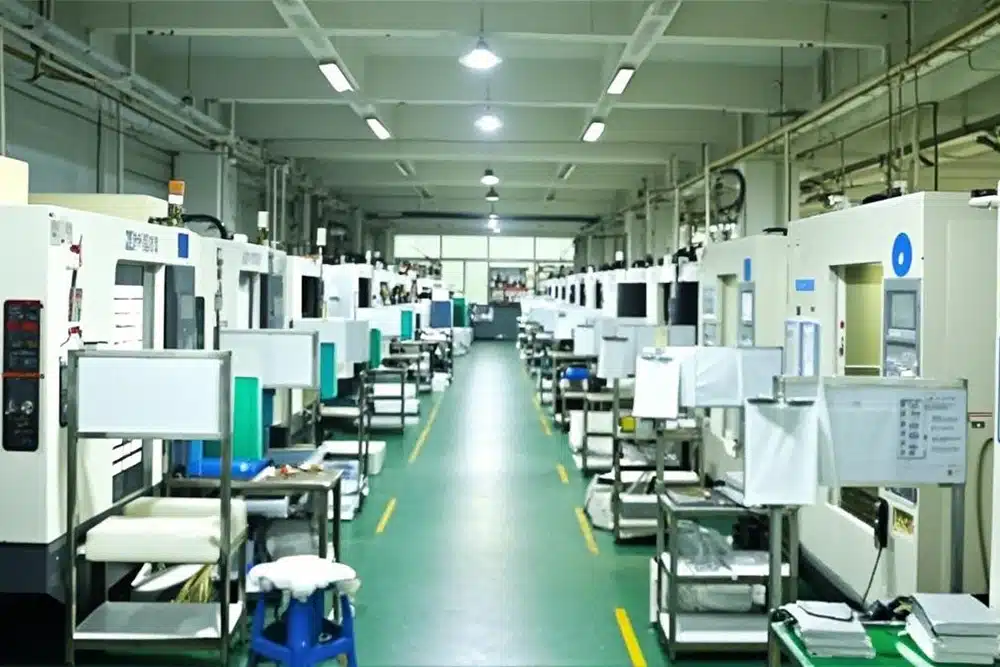
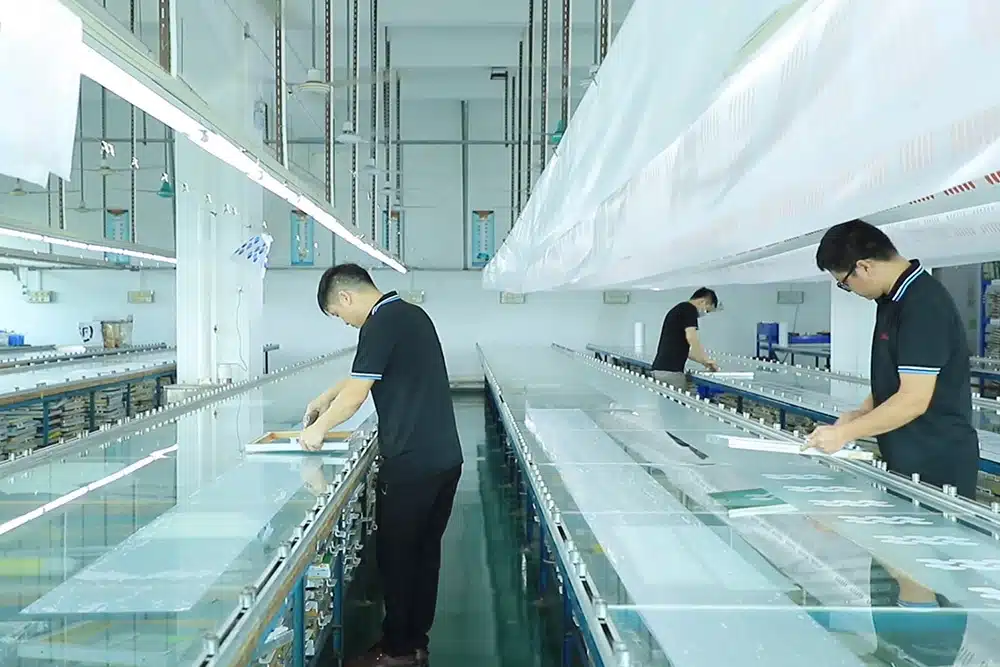
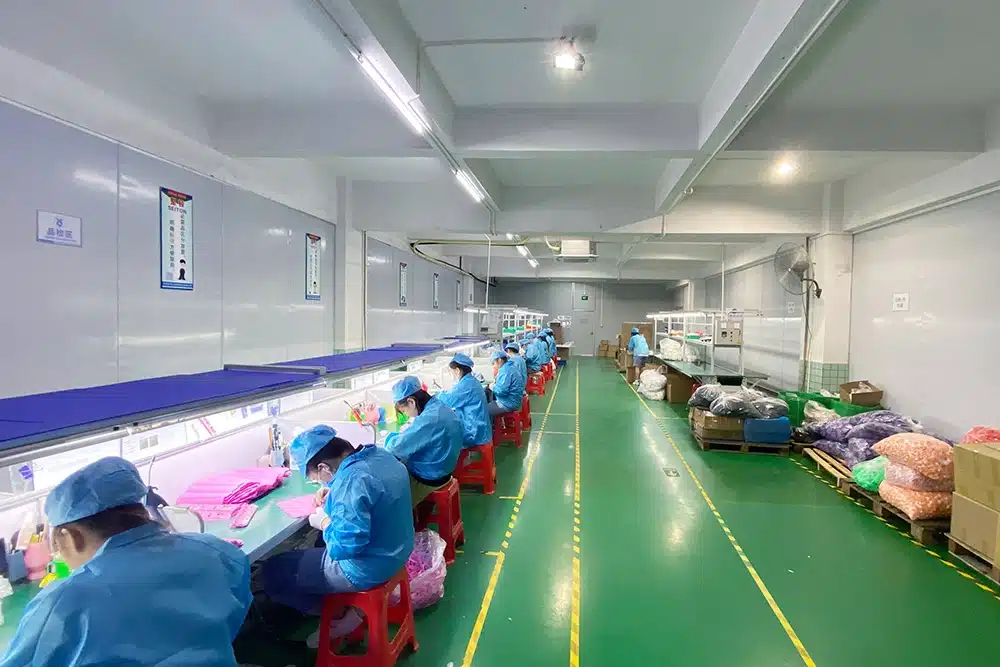
A good silicone mold manufacturer offers comprehensive support from initial design review to prototyping, material optimization, tooling and into stable mass production through OEM & ODM silicone manufacturing. For facilities such as ours at Dongguan, we have teams that are experienced in in-house mold manufacturing, compression molding, material selection, and Shore hardness recommendations, as well as having in-house quality control procedures, such as raw material inspection and final testing. With this integrated solution it is possible to pass on the prototype silicone molds to the production silicone molds in a seamless manner thanks to our robust quality control for custom silicone products.
| Manufacturer Capability | Why It Matters |
| Design Review Support | Helps decide whether prototyping is needed |
| Material Selection Support | Helps choose suitable silicone grade and hardness |
| Prototype Development | Allows early validation of shape, function, and user experience |
| In-House Tooling | Improves control over mold design, changes, and production readiness |
| Sample Testing Support | Helps confirm release, color, logo, hardness, and packaging |
| Production Tooling Capability | Supports transition from approved prototype to bulk manufacturing |
| Quality Control System | Maintains consistency after mass production starts |
| Finishing and Branding | Supports logo, printing, surface treatment, or assembly needs |
| Packaging Support | Helps prepare retail or ecommerce-ready products\n\nOur silicone mold design and tooling capabilities ensure every prototype and production mold meets exact specifications from the start. |
Conclusion — Prototype Molds Reduce Risk, Production Molds Build Scale
While both prototype silicone molds and production silicone molds have their own unique functions, they work hand-in-hand to create custom silicone products. Prototype molds are used to validate designs, materials, hardness, functionality and user experience and reduce the risk of committing to full production tooling investment. The production silicone molds are then ready to offer the durability, consistency and efficiency to ensure reliable bulk production and repeat orders.
In successful projects, these are not alternative steps, but rather a series of steps. When they prototype only when it is needed to verify critical key specifications or when they have mature designs, buyers reaping benefits ensure more predictable costs and fewer revisions, while delivering improved results. Even if your project is new ideas or a line that you are using, knowing these differences will help you plan better and build better relationships with your custom silicone molds manufacturer.