
There are two paths to food-contact compliance that are important and relevant to buyers: FDA vs LFGB silicone molds. Requirements related to FDA are generally related to the U.S. market, especially focussing on material suitability for food contact, whereas requirements related to LFGB are generally requested on Germany market and other markets within the EU, with special emphasis on sensory aspects such as odor and taste transfer. It’s not that one is “better” than the other, but that one meets the criteria of your sales destination, product use, retailer requirements, and material specifics.
Buyers often think that these are synonymous or that if they ask for one, they will automatically get both, but it can have a big impact on documentation, cost and timelines depending on the product colour, curing system and whether the testing is on raw material or product.
Quick Answer: Do You Need FDA, LFGB, or Both?
The easy solution for most buyers is it depends on where your custom silicone molds will be sold. Food-contact testing is requested frequently for U.S. food-contact market. For buyers in Germany or some EU countries, it is sometimes the expectation that products be LFGB tested. Some of the international or global brands require FDA and LFGB documents to fulfill various retailers and importers.
For brands developing baking, candy, ice, beverage, or kitchenware products, reviewing FDA and LFGB silicone mold options early can help clarify material selection, testing scope, documentation needs, and production planning. Unless your customer requests otherwise, you might not need either for non-food applications such as soap or craft molds. Before tooling or production, always verify requirements with your importer, retailer, compliance team or testing lab to avoid the cost of changes down the road.
| Target Market / Product Situation | Common Requirement Direction | Buyer Note |
| U.S. food-contact market | FDA-related food-contact testing may be requested | Confirm requirements with importer, retailer, or testing lab |
| Germany market | LFGB testing is often requested | Sensory and migration-related expectations may be stricter |
| Broader EU retail channels | LFGB may be requested by some buyers or retailers | Requirements can vary by customer and product category |
| Global private-label brands | FDA and LFGB may both be requested | Confirm testing scope before production |
| Amazon or retail food-contact products | Documentation may be required | Check platform, retailer, or importer expectations |
| Non-food soap, craft, or industrial molds | FDA / LFGB may not be required | Choose material based on actual product use |
| Promotional food-contact gifts | FDA, LFGB, or both may be needed | Depends on target market and customer requirements |
What Are FDA Silicone Molds?
Generally, the term FDA silicone molds is used for silicone molds that are meant for use in food contact items in the U.S. market. These molds are formulated using materials and processes consistent with the expectations for food-contact suitability under applicable U.S. regulations.
Purchasers need to ensure that testing is needed for either the raw material, silicone compound, pigments, or the finished molded product. The FDA is frequently asked for such products as baking molds, candy molds, chocolate molds, ice cube trays, popsicle molds, etc., and even kitchenware. It is the intent to ensure safety and stability of the silicone in the intended use conditions with respect to food contact.
| FDA-Related Factor | What Buyers Should Understand | Common Market |
| Typical Products | Baking molds, candy molds, chocolate molds, ice trays, kitchenware molds | Often requested for U.S. food-contact products |
| Material Focus | Silicone compound, additives, pigments, and intended food-contact use | Baking molds, candy molds, chocolate molds, ice trays, kitchenware molds |
| Testing Scope | May involve material or finished product testing depending on buyer needs | Silicone compound, additives, pigments, and intended food-contact use |
| Documentation | Importers or retailers may request test reports or declarations | May involve material or finished product testing depending on buyer needs |
| Buyer Responsibility | Confirm exact requirements before production starts | Importers or retailers may request test reports or declarations |
What Are LFGB Silicone Molds?
LFGB silicone molds typically specifically mean for food contact testing as per the German requirements. Products sold in Germany or supplied by EU customers with more stringent requirements for food contact are generally requested for a LFGB test.
Sensory testing and migration-related tests are common components of an LFG evaluation. Some buyers consider LFGB to be more focused on ensuring that there is no odor or taste transfer as opposed to the expected performance from basic FDA requirements. There is still a variation of requirements depending on the material formulation, colour, shape of the final product and its application.
| LFGB-Related Factor | What Buyers Should Understand | Common Market |
| Typical Products | Baking molds, candy molds, chocolate molds, ice trays, kitchenware products | Often requested for Germany and some EU-related customers |
| Sensory Expectations | Odor and taste transfer may receive closer attention | Often requested for Germany and some EU-related customers |
| Migration Testing | May be required depending on product and test scope | Sensory and migration-related expectations may be stricter |
| Color Consideration | Colored silicone products may need specific testing review | Baking molds, candy molds, chocolate molds, ice trays, kitchenware products |
| Documentation | Buyers may need finished product reports for import or retail approval | Odor and taste transfer may receive closer attention |
FDA vs LFGB Silicone Molds: Key Differences
FDA and LFGB silicone molds are not distinguished so much by the look of the mold as by what is required of the mold in the testing and by the expectations of the market as well as what is required for documentation.
Both molds allow for food contact silicone molds but differ in evaluation guidelines, sensory focus, and overall methodology that are important to sourcing.
| Factor | FDA Silicone Molds | LFGB Silicone Molds |
| Common Market | U.S. food-contact market | Germany and some EU-related markets |
| Main Focus | Food-contact material suitability | Food-contact suitability plus stricter sensory expectations |
| Sensory Test | Usually less emphasized than LFGB | Often more important, including odor or taste transfer |
| Migration Testing | Depends on requirement and test scope | Often part of LFGB-related evaluation |
| Cost Impact | May be lower depending on test scope | May be higher due to stricter testing requirements |
| Lead Time Impact | Depends on documentation and testing needs | May require more time for testing and confirmation |
| Product Use | Baking, candy, ice, beverage, kitchenware | Similar food-contact products, especially EU/Germany-focused |
| Buyer Decision | Common for U.S.-oriented products | Common for Germany/EU-focused buyers |
Which Standard Do You Need for Different Markets?
When choosing a silicone mold for sale, it is important for buyers to know that FDA or LFGB doesn’t necessarily apply, as they are decided by the intended selling destination and customer or retailer requirements.
There are continuing changes in market needs and what one importer accepts will vary from that of a large retail store.
| Sales Market / Channel | Standard Buyers May Request | Practical Advice |
| United States | FDA-related food-contact documentation | Confirm product category and importer requirements |
| Germany | LFGB testing often requested | Check finished product and color-specific testing needs |
| Broader EU Market | LFGB may be requested by some buyers | Confirm with importer, retailer, or compliance advisor |
| United Kingdom | Requirements may depend on importer and retailer | Confirm documentation before production |
| Australia | Buyer or retailer-specific requirements may apply | Confirm with local importer or testing lab |
| Japan / Other Markets | Local or buyer-specific requirements may apply | Do not assume FDA or LFGB is enough |
| Amazon / Ecommerce | Platform or seller documentation needs may vary | Check category and marketplace requirements |
| Retail Chains | Retailer-specific testing may be required | Confirm test scope before mass production |
Does Every Food-Grade Silicone Mold Need FDA or LFGB Testing?
The testing requirements for silicone molds of food grade are very much dependent on the target market, the sales channel, the requirements of the buyer, and the actual risk level of the product.
However, not all food-contact silicone mold products need full FDA or LFGB testing and previous material reports may not include any color compounds or finished products.
| Product / Situation | Testing Consideration |
| Baking mold for U.S. market | FDA-related testing may be requested |
| Ice cube tray for Germany | LFGB testing may be requested |
| Global private-label kitchenware product | FDA and LFGB may both be requested |
| Existing mold with new color | Color-specific testing may need review |
| Finished retail product | Finished product testing may be required |
| Soap mold | Usually non-food; FDA/LFGB may not be needed |
| Resin or craft mold | Usually non-food; choose material based on application |
| Promotional food-contact gift | Testing depends on use and target market |
Material, Pigment and Color Considerations
When making a silicone mold choice for FDA or LFGB compliance, it isn’t just a matter of selecting a “food-grade” base material. Test results can be affected by the full formulation, from the silicone compound, curing system, pigments, through to final processing.
A major difference between peroxide-cured and platinum-cured silicone is that the former may result in different odor and residue properties. Likewise, some pigments may require further review, particularly in the context of the LFGB sensors’ expectations.
| Material Factor | Why It Matters for FDA / LFGB Review |
| Silicone Compound | Determines base food-contact suitability |
| Curing System | May influence odor, residue, and performance expectations |
| Pigments | Colorants may affect testing or documentation needs |
| Product Color | Different colors may require review depending on buyer requirements |
| Odor | Especially important for LFGB-related sensory expectations |
| Temperature Range | Baking or freezer use may affect test conditions |
| Finished Product Shape | Actual molded product may need testing depending on buyer needs |
| Sample Approval | Confirms color, odor, hardness, and surface quality before production |
Finished Product Testing vs Material Testing
When ordering custom silicone molds, it is important for buyers to know the difference between a raw material test report and a finished product test report.
Material level reports can be provided for silicone compound prior to molding, and finished product testing can be performed on the molded product, including additives, geometry, and color.
| Testing Type | What It Covers | Buyer Consideration |
| Raw Material Testing | Silicone compound before molding | Useful but may not cover final product color or shape |
| Color Material Testing | Pigment or colored compound | May be needed for colored silicone products |
| Finished Product Testing | Actual molded silicone mold | Often preferred by retailers or importers |
| Batch-Specific Testing | A specific production batch | May be requested for strict retail or import programs |
| Supplier Documentation | Existing reports or declarations | Must be checked for relevance to product and market |
| Third-Party Lab Testing | Independent test report | Useful when buyer needs formal documentation |
How FDA and LFGB Requirements Affect Cost and Lead Time
For silicone mold testing and documentation for FDA and LFGB may have an impact on project cost and project length from sampling to mass production.
These can be handled effectively if planned early, and not become an unexpected delay or budget overrun.
| Project Factor | FDA / LFGB Impact |
| Material Selection | Food-contact silicone may cost more depending on requirements |
| Testing Cost | FDA or LFGB testing can add project cost |
| Lead Time | Lab testing and documentation review may extend the schedule |
| Color Matching | New colors may require extra review or testing |
| Sample Approval | Buyers may need tested samples before mass production |
| Finished Product Testing | Requires molded samples and additional time |
| Documentation | Reports and declarations should be prepared before shipment |
| Retesting Risk | Material, pigment, or design changes may require retesting |
Common Mistakes When Ordering FDA or LFGB Silicone Molds
Though it may seem counterintuitive, even the most sophisticated sourcing teams can sometimes encounter unnecessary problems when specifying FDA or LFGB silicone molds. The most common issues are lack of understanding and/or assumptions about what “food-grade” is and encompasses.
| Common Mistake | Better Approach |
| Asking for FDA/LFGB without market details | Confirm destination market and retailer requirements first |
| Treating FDA and LFGB as the same | Understand that they follow different expectations |
| Assuming all food-grade silicone passes LFGB | Confirm material, color, and test scope |
| Ignoring color impact | Review pigments and color-specific documentation needs |
| Requesting reports after production | Confirm testing before tooling or mass production |
| Using unrelated reports | Check whether reports match material, color, and product |
| Ignoring odor | Review sample odor, especially for LFGB-related projects |
| Comparing incomplete quotes | Confirm material, testing, documentation, and QC scope |
| Choosing only by price | Evaluate total risk, not only unit cost |
What Buyers Should Prepare Before Requesting FDA or LFGB Silicone Molds
But only after buyers give the qualified silicone mold manufacturer clear information about the project, they could get the most accurate suggestions and price.
This information, although general, facilitates the materials selection, tooling, sampling and testing coordination, which simplifies the process.
| Information to Prepare | Why It Helps |
| Product Application | Determines whether food-contact testing is relevant |
| Target Market | Helps decide whether FDA, LFGB, or other requirements may apply |
| Required Standard | Clarifies testing and documentation expectations |
| Product Color | Color may affect testing or documentation needs |
| Material Requirement | Helps select suitable silicone compound |
| Temperature Range | Baking, freezer, or beverage use may affect testing conditions |
| Shore Hardness | Helps select material and confirm product performance |
| Cavity Design | Supports tooling and finished product testing planning |
| Packaging Style | Helps prepare retail or ecommerce-ready products |
| Order Quantity | Supports material planning and testing cost decisions |
| Retailer Requirement | Helps avoid missing documentation before shipment |
| Testing Timeline | Helps plan sampling, lab testing, and production schedule |
How to Choose a Silicone Mold Manufacturer for FDA and LFGB Projects
When it comes to FDA and LFGB projects, one must not just compare the prices, but must take a look at the silicone mold manufacturer’s abilities, including their material knowledge, awareness of the tests, and their sample support and quality systems.
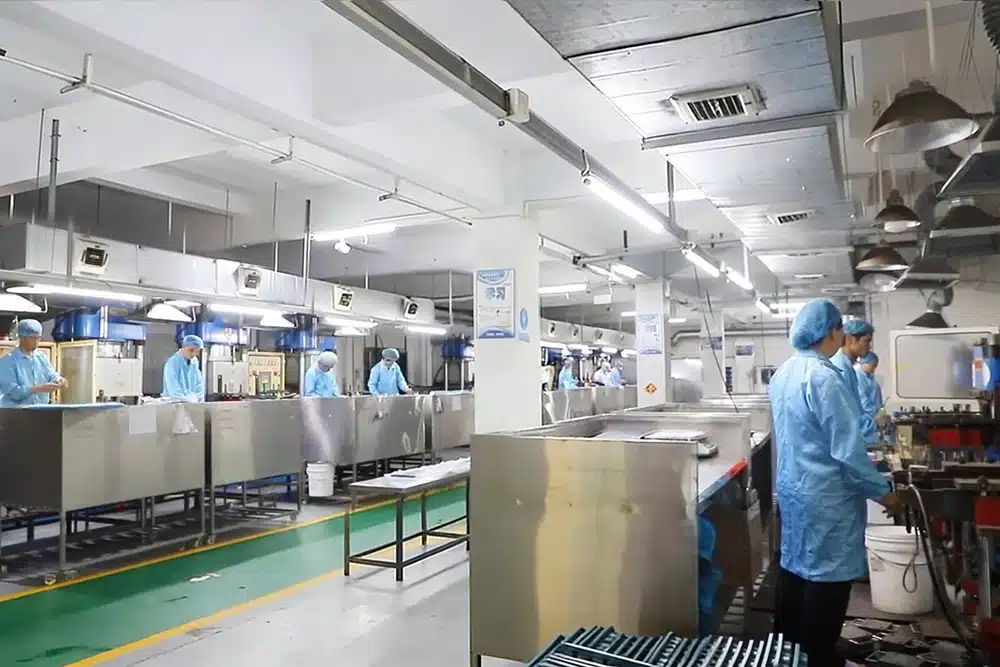
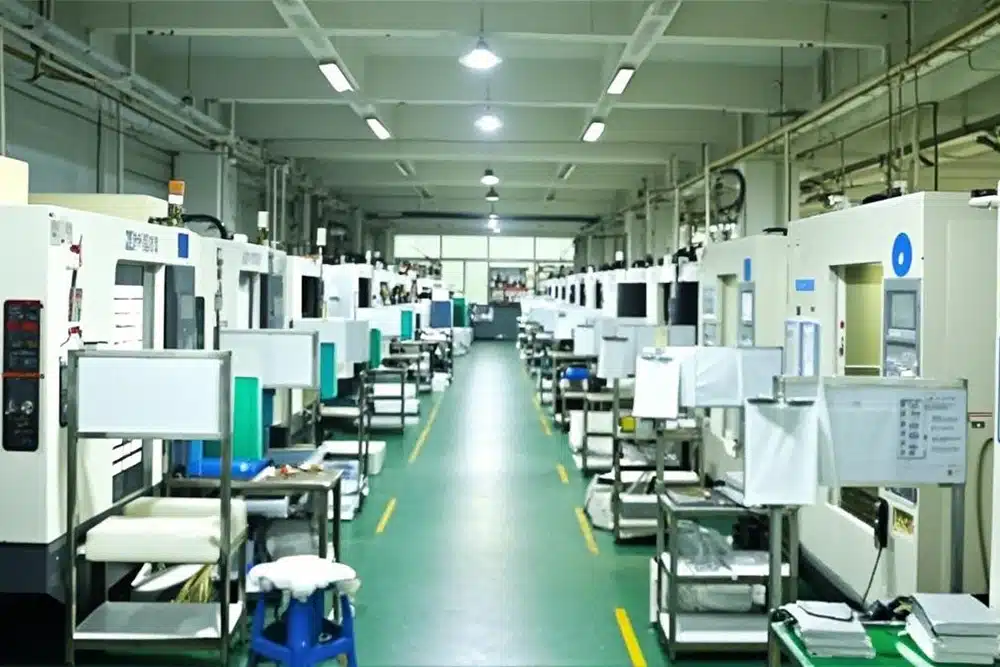
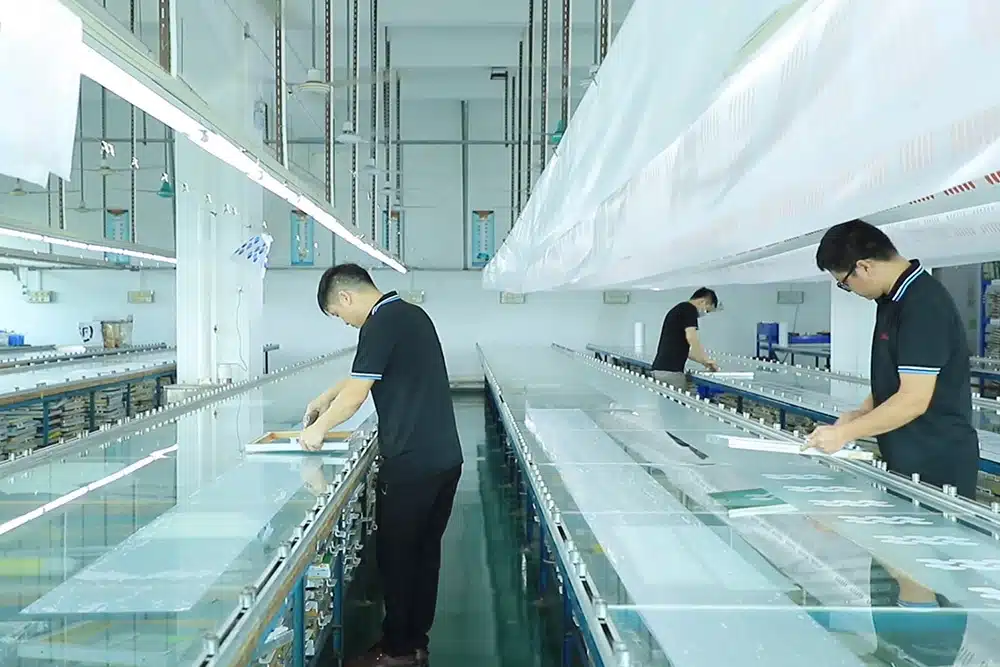
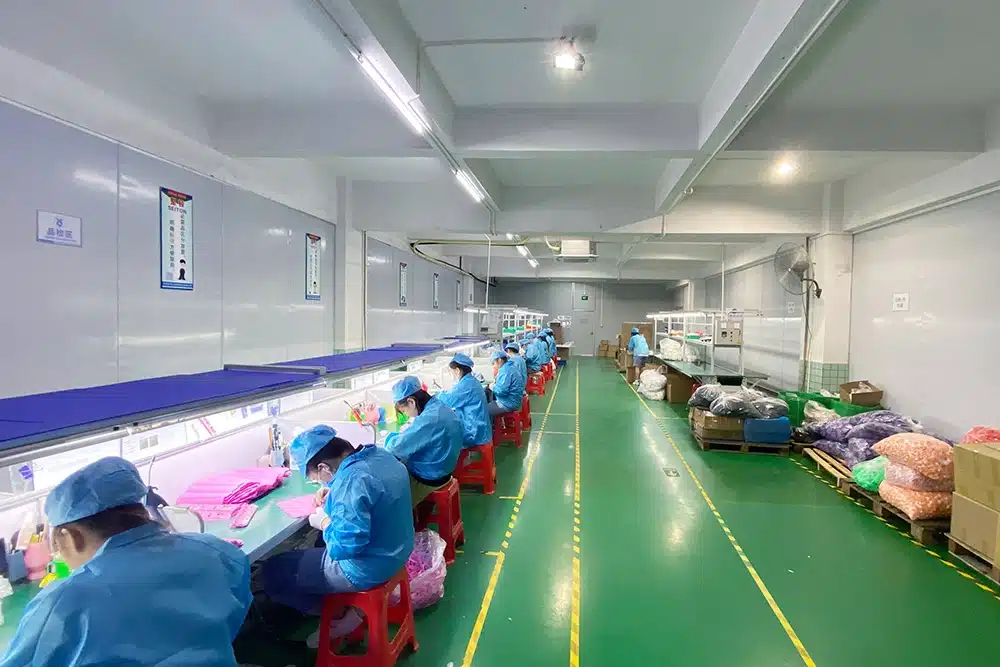
Food-contact projects are more efficiently supported by experienced manufacturers who have in house mold design and tooling manufacturing capabilities, prototype and sample production, compression molding machines, and a dust-free production environment. Other risks to buyers are minimized by strong raw material inspection, in-process quality control, final product testing, and retail-ready packaging lines.
| Manufacturer Capability | Why It Matters for FDA / LFGB Projects |
| Material Selection Knowledge | Helps choose silicone compound, curing system, and pigments |
| Testing Awareness | Helps buyers plan FDA, LFGB, or finished product testing correctly |
| Sample Development | Allows testing of color, odor, hardness, and product function |
| In-House Tooling | Supports accurate tooling before tested samples are produced |
| Clean Production Handling | Important for food-contact consumer products |
| Quality Control System | Supports consistent material, appearance, and batch quality |
| Documentation Support | Helps coordinate relevant reports or declarations when required |
| Packaging Capability | Supports retail, ecommerce, and private-label food-contact products |
| Export Experience | Helps with communication, documentation, and international shipment needs |
Final Decision Checklist: FDA, LFGB, or Both?
Here is a handy checklist of some of the practical considerations to take into account before placing your order to ensure you are ordering the standard that you really need.
| Question | If Yes | If No |
| Will the product contact food or beverages? | FDA/LFGB review may be needed | Food-contact testing may not be necessary |
| Will the product be sold in the U.S.? | FDA-related requirements may apply | Check other target market needs |
| Will the product be sold in Germany? | LFGB testing is often requested | Confirm with buyer or importer |
| Will the product be sold through EU retailers? | LFGB or other documentation may be requested | Requirements may depend on customer |
| Does the retailer require finished product reports? | Plan finished product testing before production | Material reports may be enough if accepted |
| Is the product colored? | Check pigment and color-specific testing needs | Confirm material documentation still applies |
| Is odor a major concern? | Review LFGB-related sensory expectations and samples | Standard odor review may be sufficient |
| Do you sell globally? | FDA and LFGB may both be requested | Choose based on target market |
Conclusion — Choose FDA or LFGB Based on Market Requirements
Silicone molds used for food contact are different from the FDA and LFGB silicone molds. Documentation for the FDA is generally being sought after for the U.S. market and documentation for LFGB is often requested for Germany and some customers with an interest in EU markets. Global brands or some retailers might ask for both.
The best way is to know accurately the requirements for your target market, your material formulation, colour, finished product testing, retailer requirements, cost implications and lead times before tooling or mass production is commenced. Collaborating with an experienced silicone mold manufacturer that knows these details makes achieving compliance more of a seamless challenge in the product development lifecycle than a final hurdle.